Hello, my name is Emily Morofushi! Originally from the United States, I spent more than half a decade living in rural Shimane before relocating to Hiroshima Prefecture.
Hello! My name is Laura, and I am a British national living, working, and loving my life in Japan for over four years now.
Hello! My name is Laura Pollacco, and I am a British...
Hello! My name is Gen Shiraishi and I was born and raised in . I'm very passionate about helping internationals...
Hello! My name is Gen Shiraishi and I was born and raised in . I'm very passionate about...
Hello! My name is Gen Shiraishi and I was born and raised in Yokohama. I'm very passionate about helping internationals discover Japan's true beauties and hidden gems.
Hi! I am Sébastien, a French writer and photographer from Marseille. I would like to share with you some tourist finds, historical anecdotes, offbeat stories, in short, everything that makes Japan a unique place!
Hello! My name is Gen Shiraishi and I was born and raised in Yokohama. I'm very passionate about helping internationals discover Japan's true beauties and hidden gems.
Hello! I’m Swastika and I’m particularly passionate about sharing stories from the Tohoku region, language-related anecdotes, and anything poetry & food-related!
In 2005, I first moved from New York City to Tokyo to study Japanese, and living in Tokyo changed my life.
I am Andres Zuleta, one of the two founders of Boutique...
Hi, I’m Judith Mikami originally from Auckland, New Zealand. I came to Japan over 30 years ago to experience...
Hi, I’m Judith Mikami originally from Auckland, New Zealand. I came to Japan over 30...
Hi,I’m Judith originally from Auckland, New Zealand. I came to Japan over 30 years ago to experience a culture and country very different from my homeland.
Hi,I’m Judith originally from Auckland, New Zealand. I came to Japan over 30 years ago to experience a culture and country very different from my homeland.
Hi,I’m Judith originally from Auckland, New Zealand. I came to Japan over 30 years ago to experience a culture and country very different from my homeland.
Hi, I’m Judith Mikami originally from Auckland,...
Hello! My name is John, a university teacher, editor, and writer. I am a roving American who has finally settled down by spending the past 20 years in the Kansai region of Japan.
Hi there! I’m Louise George Kittaka, a freelance writer, content creator and university lecturer from New Zealand, now based in Tokyo.
Hi there! I’m Louise George Kittaka, a freelance writer,...
Deep Japan is a community-driven tourism platform offering authentic insights into Japanese culture, travel, and everyday life. Our diverse “Senpai” writers—many with over 20 years of living in Japan—share heartfelt stories, practical travel tips, and fascinating observations about the Japan they know and love.
Our mission is to shine a light on the thoughtful traditions and endearing quirks that define Japanese life, fostering a deeper appreciation for what makes this country so beautifully different.
Professional writing experience is not required—if you have lived in Japan for at least three years at any point, we welcome you to apply to join our Senpai writer community. Whether you first came to Japan to teach, study abroad, follow a partner, launch a new career, or simply chase a curiosity—we want to hear from you.
There are stories only you can tell, and at Deep Japan, we would be honored to give your voice a home.
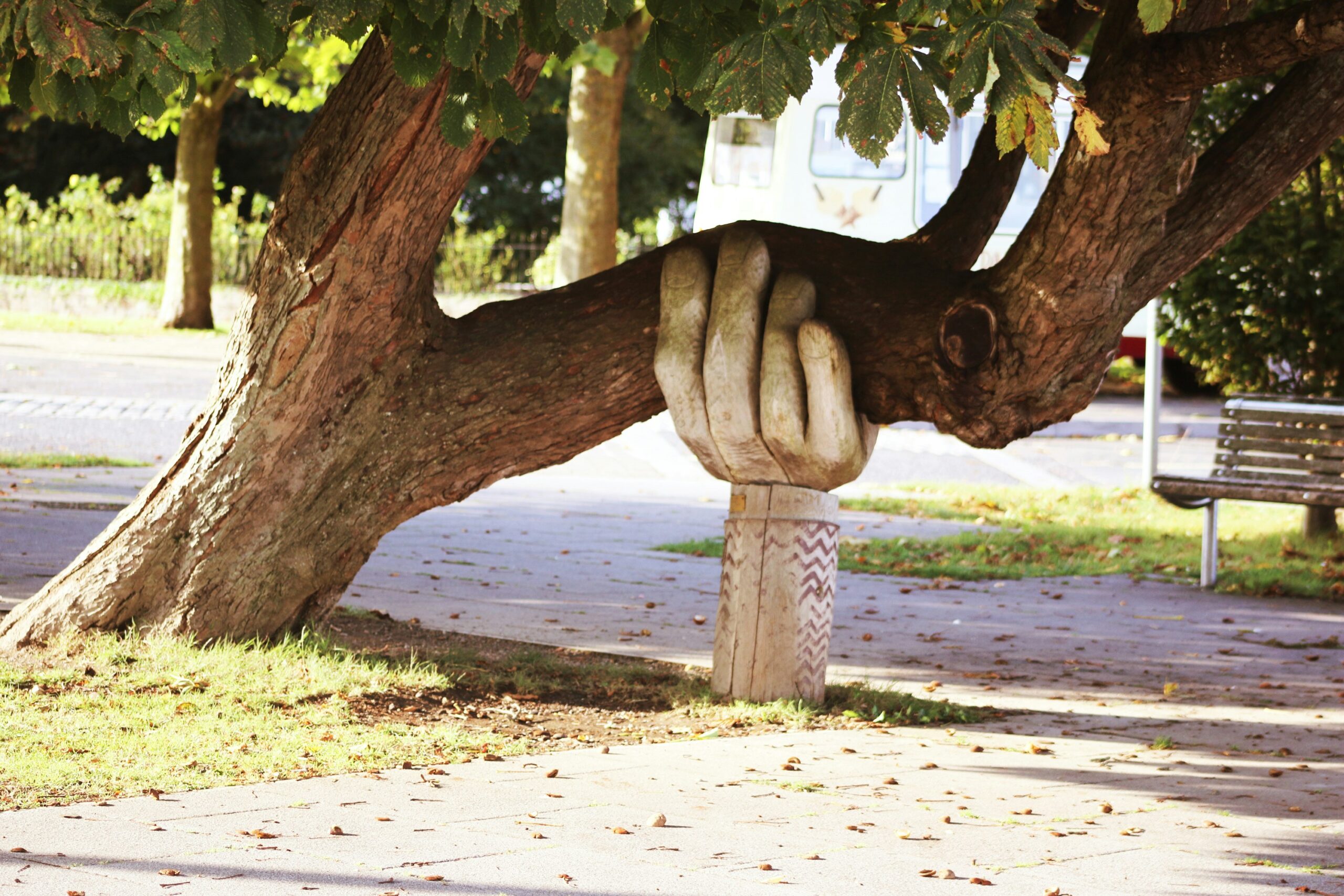
What compliment would make you the happiest to receive? There are so many, but one that would really make my day is if someone were to say I am tanomoshii, which means reliable and dependable.
I think my answer reveals something about myself: I love being of service to those I cherish. It’s one way I express my love, whether it’s doing little chores to ease someone’s burden or simply being available when a friend or family member is having a hard day and needs somebody to talk to. If I can help someone feel less alone, I feel fulfilled.
So, what’s the highest compliment someone could give you, and why?
Hello there! I’m Hana, Editor-in-Chief of Deep Japan. Every Monday, I share a Japanese word, phrase, or expression with you.
Whether it helps enrich your Japanese vocabulary or simply gives you a new idea to reflect on, I hope it offers a little inspiration as we begin a fresh new week. We got this! Gambarimasho


 21°C
21°C