
Japan is considered one of the premier destinations for seafood in the world. From fish markets selling tuna at a record-breaking $3.2 million to ¥100 plates at conveyor-belt sushi chains across the country, there is every kind of seafood experience imaginable. For the adventurous, though, there is one must-try fish…if you’re brave enough.
Native to the waters surrounding the Japanese archipelago, torafugu (tiger pufferfish) is one of the country’s most prized seafood delicacies, but its preparation must be handled with the utmost care.
Compared to other species of pufferfish, torafugu boasts superior umami flavor and a uniquely firm yet chewy texture that has elevated it to “delicacy” status. However, like the majority of pufferfish species, it can be lethal—that is, if it’s not prepared correctly.
Torafugu contains a toxin known as tetrodotoxin (TTX), considered more deadly than arsenic, cyanide, and anthrax. It is present in the fish’s liver and ovaries, and can also be found in smaller quantities in the flesh and intestines. Just a few milligrams of this toxin can prove fatal and, unfortunately, it is odorless, tasteless, and has no known antidote. Though it is possible to survive ingestion, it’s by no means guaranteed.
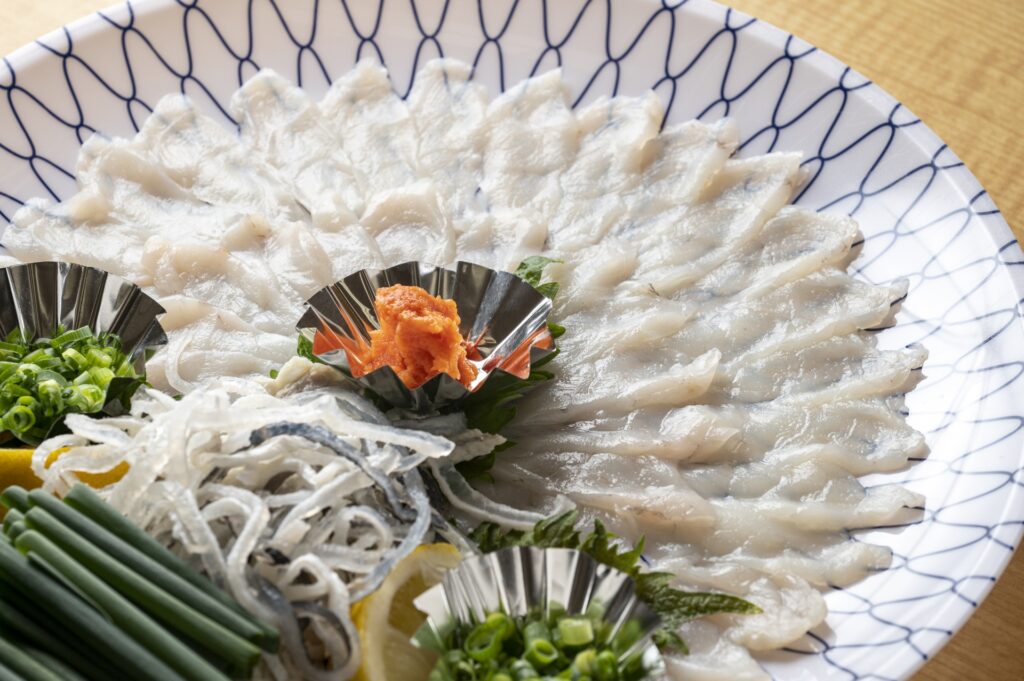
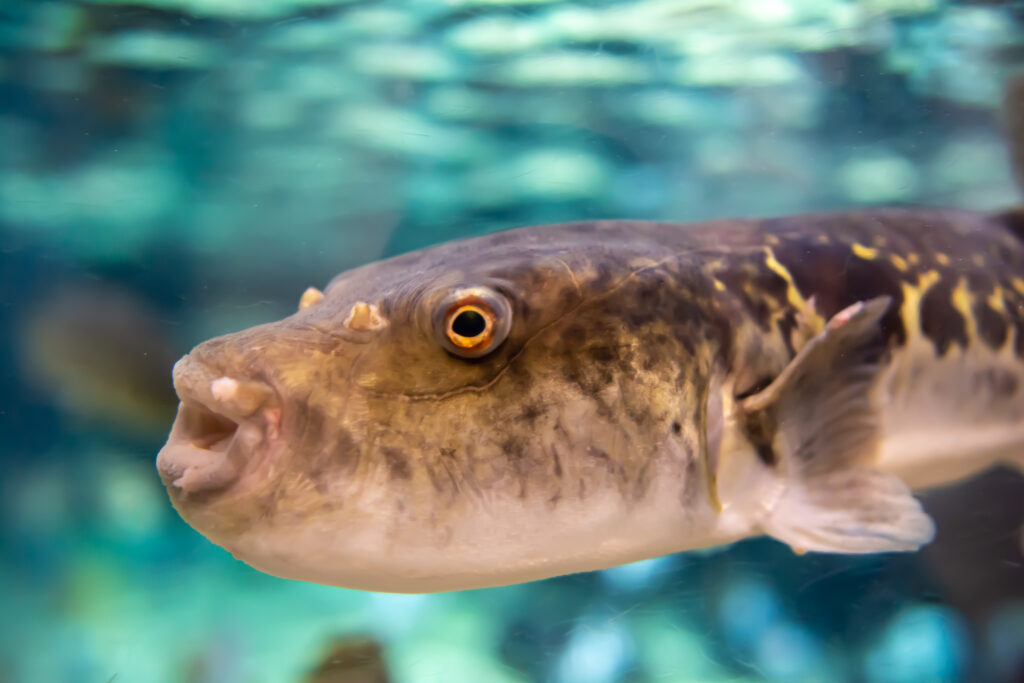
Despite this, Japan has a long history of consuming torafugu, with the fish’s bones found in shell mounds dating back to the Jomon Period (12,000 – 500 BCE). Although fugu cuisine was made illegal for nearly 300 years beginning in 1592, following reports of increasing samurai deaths at the dinner table, the nationwide ban was eventually repealed in 1888 when Japan’s first prime minister, Hirobumi Ito, was served it (after careful preparation, of course) and was absolutely enamored by its flavor. With that, torafugu made its comeback, but this time, it was here to stay.
Today, you will likely find one or more torafugu restaurants in every major city in the country. In order to be allowed to prepare and serve torafugu, though, there are rigorous standards to meet. A fugu chef must be highly skilled in knowing exactly how to prepare the fish, so skilled, in fact, that they need a license to legally handle torafugu. Self-preparation is completely prohibited.
In an interview with The LA Times, chef Yutaka Sasaki, who has dedicated more than 50 years to preparing fugu, stated, “Someone who tries to prepare meals they know nothing about is stupid.” He was also quoted as saying, “If you’re a chef and you don’t know this fish, you shouldn’t even touch it.”
Since 1958, chefs have had to undergo two to three years of apprenticeship before finally being allowed to take their prefecture-specific licensing test. The test includes written, identification, and practical components, during which chefs must fillet torafugu and consume the edible part to prove confidence in their skills. Only 35% of applicants are said to pass each year, with some making fatal mistakes.
If a chef has been licensed, then you can be assured that they know exactly what they are doing and are well aware of the risks themselves, having placed their life on the line in order to earn their license.
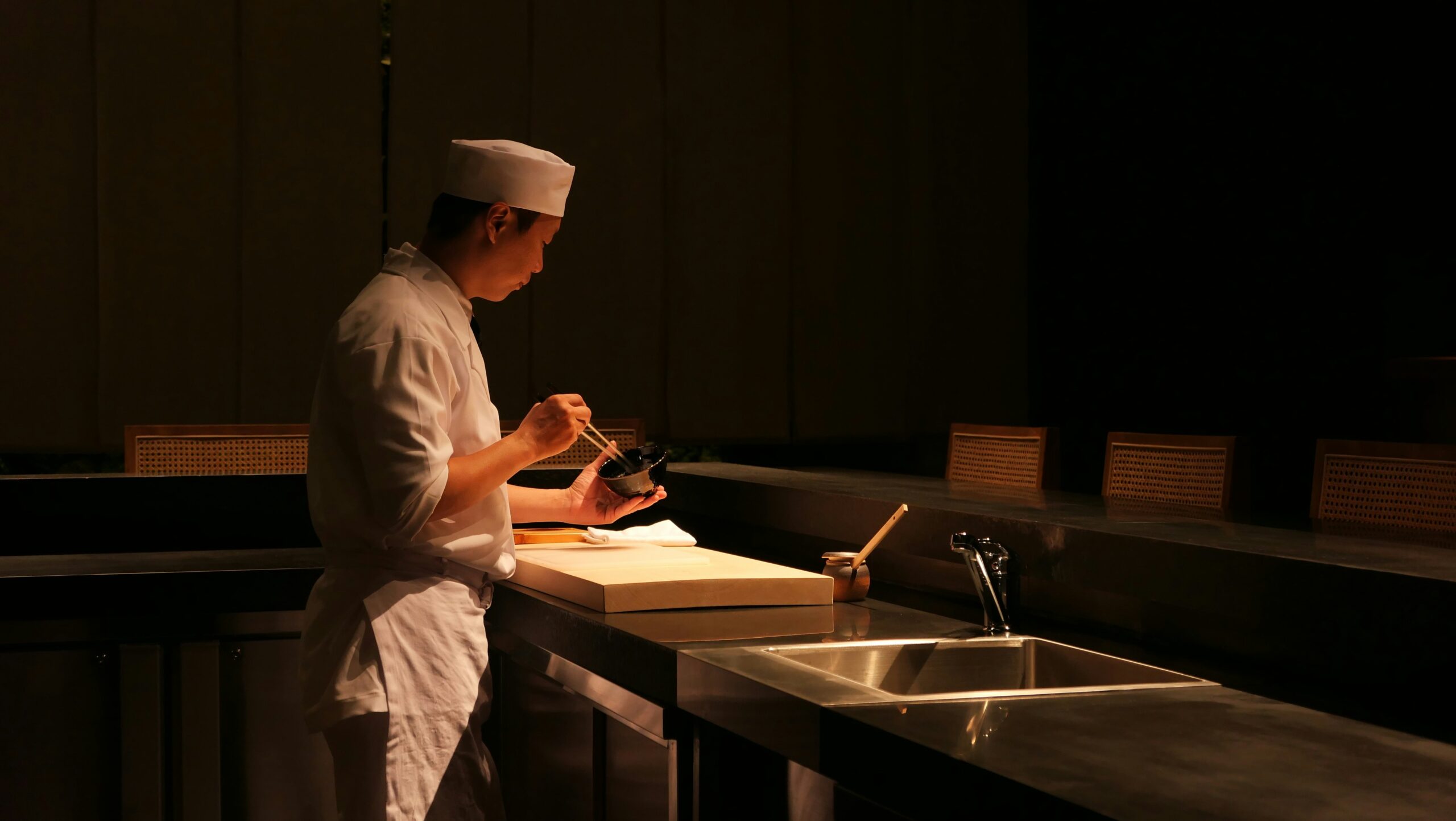
Such chefs can be found on the Atsumi Peninsula in Tahara City (Aichi Prefecture), serving up torafugu at Kakujoro. This stunning historic ryokan offers traditional Japanese kaiseki cuisine, a multi-course meal made up of seasonal offerings that are exquisitely presented and balanced so that each and every flavor has a moment to shine.
Kaiseki is incredibly seasonal and is prepared primarily with ingredients that are at their best at that time of year. For torafugu, that is from October to March. Torafugu caught during the autumn and winter months contains more skin-hydrating collagen and is often larger in size (sometimes exceeding 3 kilos, compared to the more typical 800 grams to 1 kilogram).
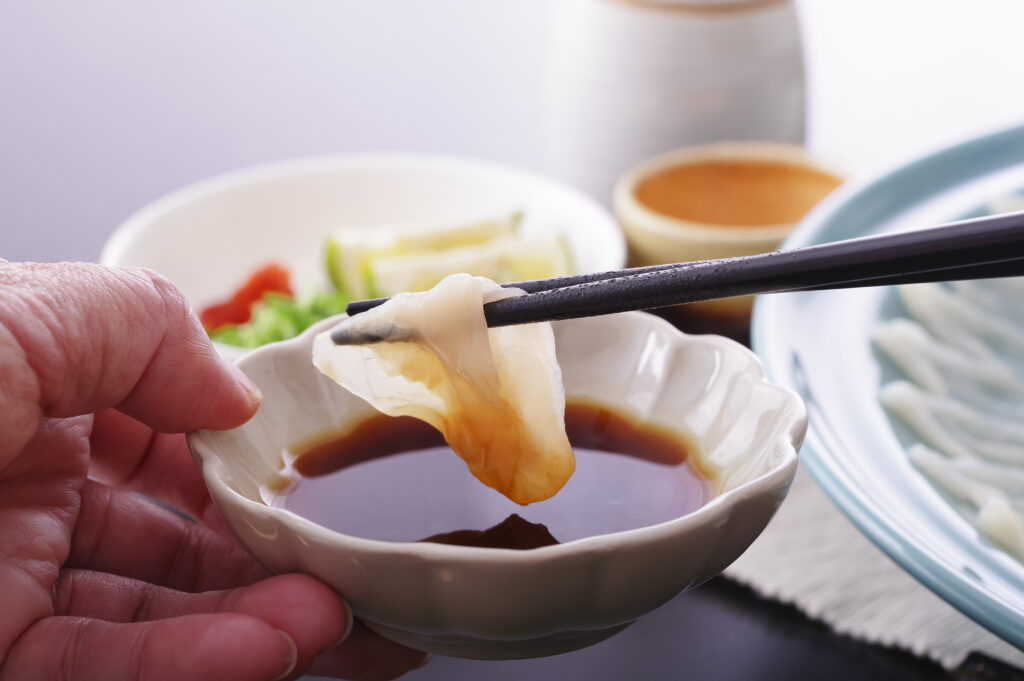
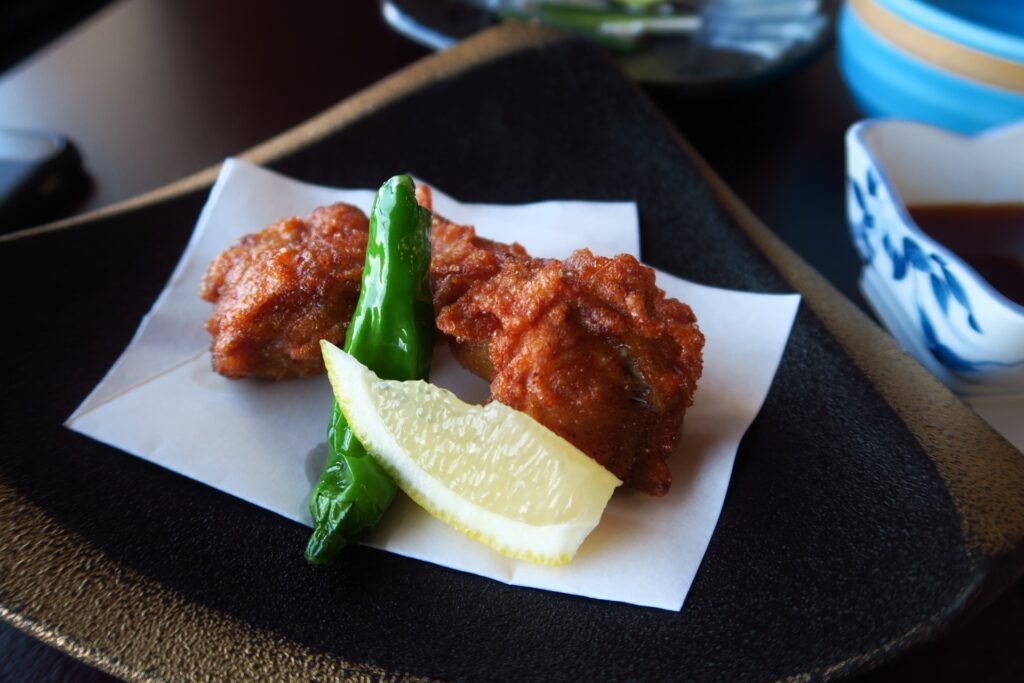
At Kakujoro, torafugu is served in a number of ways, including simmered in a hot pot, thinly sliced as sashimi, or fried in a light, crispy batter. Each dish brings out a different flavor of this delicate fish, allowing you to appreciate its subtle nuances with every bite.
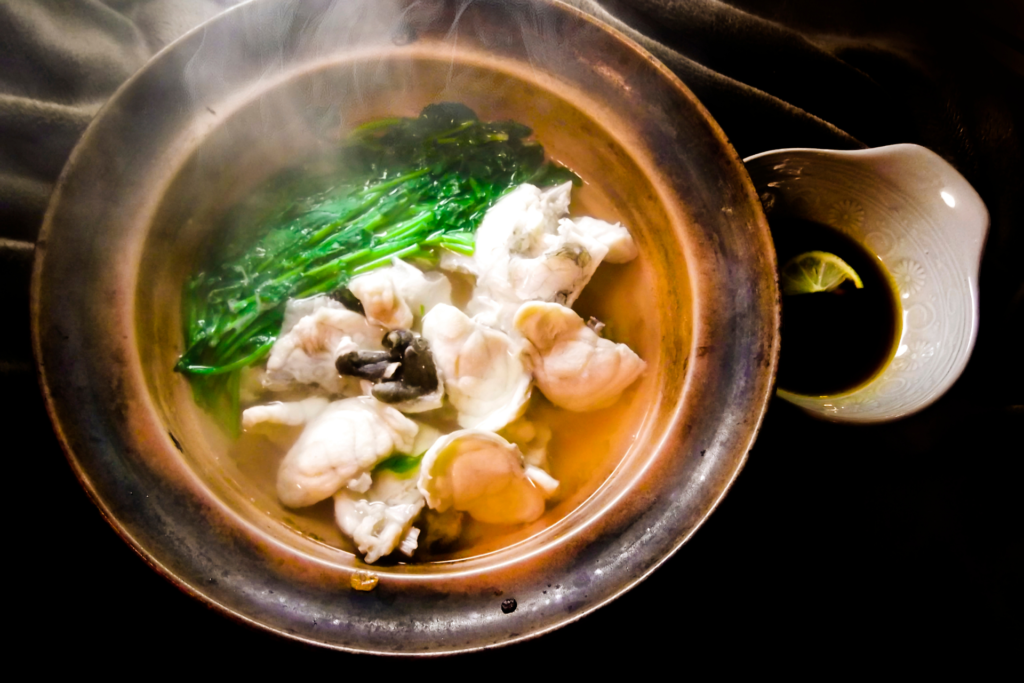
Though much of this article may have potentially left you with more trepidation than excitement, be assured that the vast majority of incidents related to torafugu poisonings have happened due to unlicensed individuals preparing the fish themselves. The risk of it happening in a restaurant with a licensed chef is extremely low. Rest assured that any fugu prepared at Kakujoro has been handled with the utmost care by masters of the craft.
Come visit Kakujoro and enjoy the sumptuous umami of torafugu in the time-steeped setting of a traditional Japanese ryokan that dates back 100 years; a luxury that is hard to find elsewhere.