
Police, and law enforcement in general, can be a complex topic in any country, and Japan is no different. Police here are usually friendly, and serious about helping those in need. However, experts and others have also pointed out areas where the Japanese law enforcement system could still improve. That shouldn’t stop you from going to the police if you are in trouble. In daily life, most people’s interaction with the police will be through koban, police boxes that can be found in most neighborhoods. Below are a few ways you can rely on them.
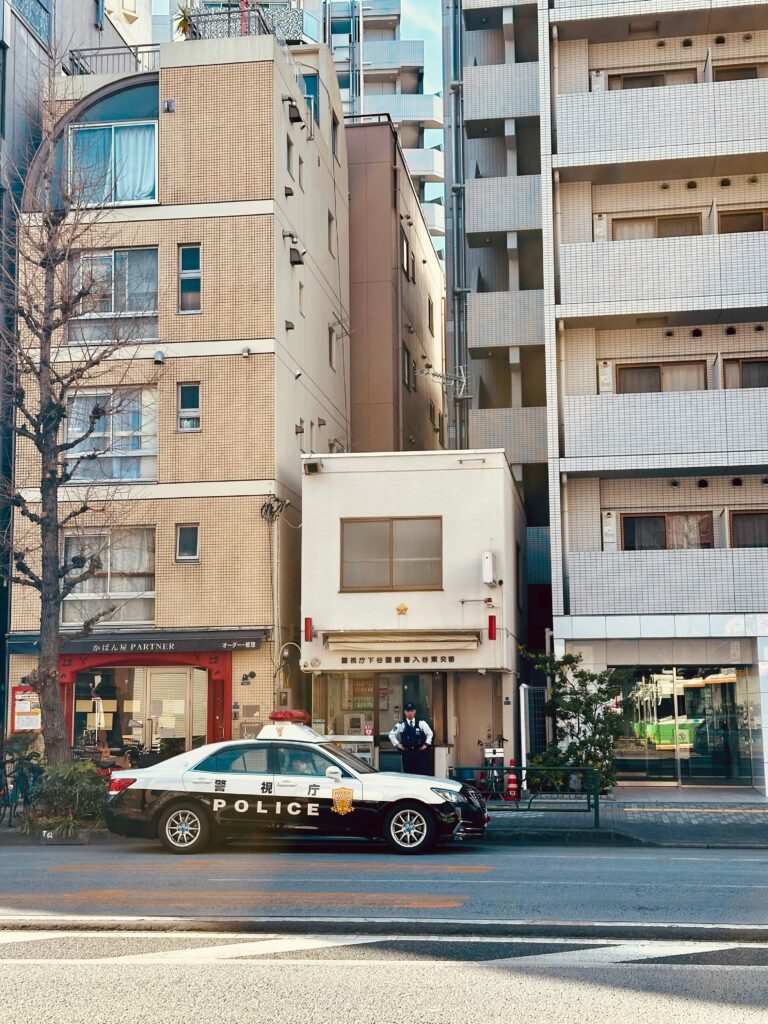

When to go to the police
Asking for directions
You may not expect it, but people in Japan probably use koban the most for asking for directions. In fact, I have seen police officers assisting several different groups with a map at the koban near Shinjuku Station (a prime spot for getting lost!).
Lost and found
Koban are hubs for lost items. Whether you’ve found or lost an item, the koban is where you should go first. I once lost my phone on my way back from school and ended up finding it at the nearest koban! I felt so grateful to whoever found and delivered it there, but also to the police for keeping it safe.
Japan is well known for its great lost and found culture, and you can be part of it. If you find an important item lying around, like an ID card, wallet, or bag, don’t hesitate to take it to the police.
Emergencies
If you’re in an emergency situation, you can always run into a koban too. Police boxes are sometimes unmanned due to neighborhood patrol duty, or may look empty (although that may just be because the officers are taking a break in the back room). Whatever the case, if you don’t see an officer, you can pick up the phone on the desk, which will connect you to one.
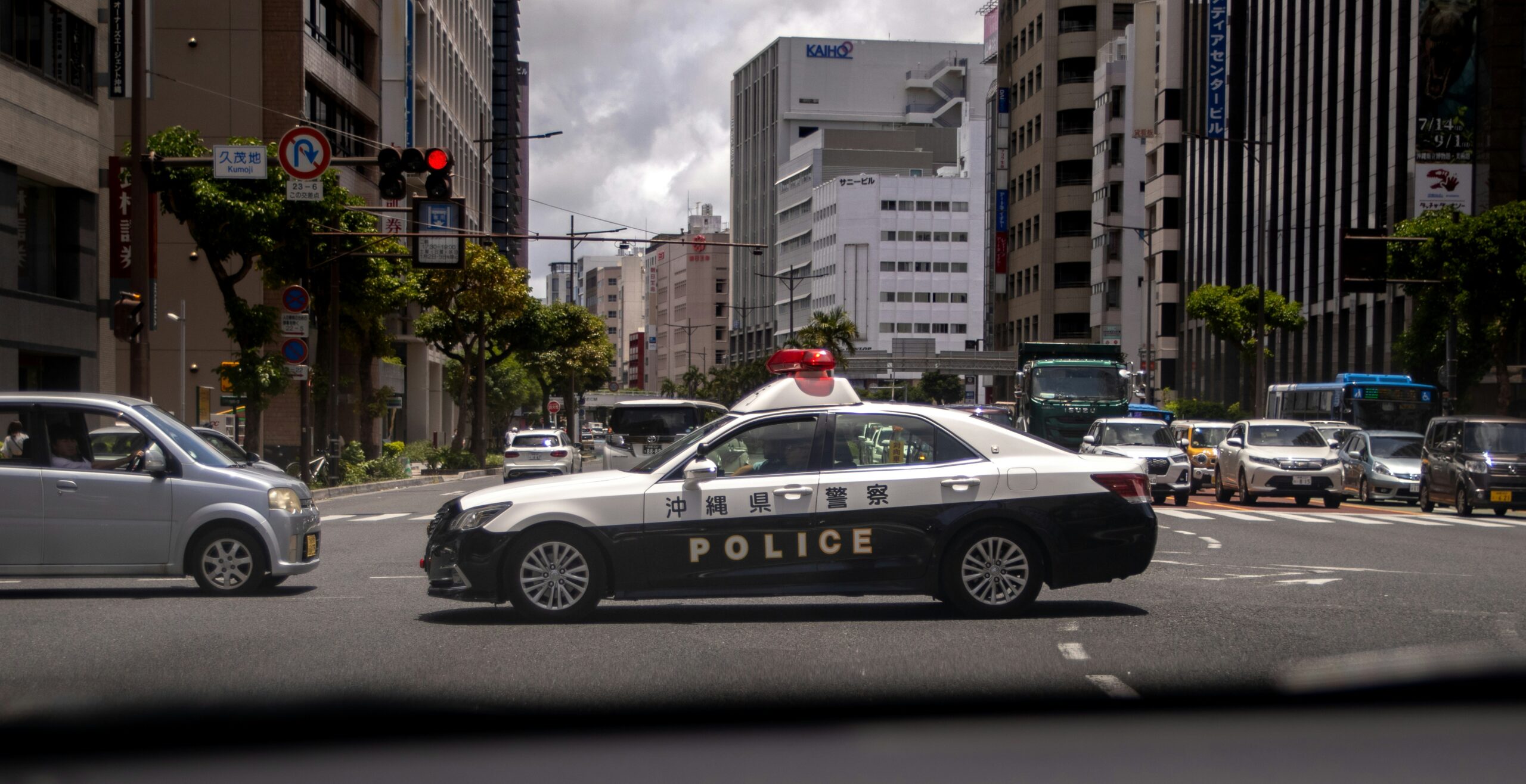
Police aren’t perfect
It’s natural that some people, based on their background or the situation in their home country, may feel wary of the police. Indeed, law enforcement in Japan doesn’t have a perfect track record.
For example, there have been alleged cases of racial profiling. In 2024, three ethnic minority residents of Japan filed a lawsuit alleging racial profiling by Japanese police. In addition, “a September 2022 survey by the Tokyo Bar Association revealed that a higher proportion of respondents of Latin American, African, and Middle Eastern descent reported experiencing police identity checks compared to other ethnicities,” according to Human Rights Watch.
It has also been noted by experts and victims that there is a stigma in Japan against reporting sexual assault, with some victims saying members of law enforcement were unhelpful. However, with higher public awareness and legal revisions in recent years, the situation is slowly improving.
If you feel uncomfortable interacting with the police, don’t hesitate to reach out for help from a professional interpreter, lawyer, or someone you trust. Your embassy website may also have information about resources available to you.

FAQ
- Can the Japanese police stop me and ask for my ID?
-
Yes. Internationals in Japan generally have a legal obligation to carry their passport (if a visitor) or their residence card, and must present it to a police officer upon request.
- What is a koban, and can internationals go there?
-
Koban are police boxes and can be found in most neighborhoods in Japan. They are useful for asking directions, lost and found, and help in an emergency. However, some police services (such as changing the address on your driver’s license) can only be done at larger police stations.
- How do I report a crime or emergency in Japan?
-
In Japan, call 110 for an emergency requiring police. This is separate from the number to call in case of a fire or medical emergency, 119. You can also call #9110 for non-emergency police matters.
You can also go directly to your local koban or police station to report a crime or seek advice.
- Can I call the police if I don’t speak Japanese?
-
Japanese police generally offer interpreting services. Don’t hesitate to contact the police in an emergency, even if you are not sure how to communicate.
- What if I don’t understand what the police officer is saying?
-
In this case, ask for interpreting services. A simple request like “English, please” will likely get your point across. Do not walk away from a police officer just because you can’t understand (until they make it clear it’s ok to leave), especially if they spoke to you first.
- What are my rights if I’m questioned by Japanese police?
-
If you are being questioned as part of a criminal investigation, you have the right to remain silent, as well as the right to a lawyer. You can also request an interpreter.
In cases of street questioning, if you are an international and the police request to see your ID (residence card), you are legally obligated to show them. In general, police need a legal basis for street questioning and cannot compel you to answer questions, aside from showing ID.
- Can Japanese police search my bag or belongings?
-
During street questioning, police may ask you to open your bag, etc., but in general they don’t have the right to search you without your consent unless they have a warrant.