
Inside the 5th Japan Travel Awards: Who’s leading the way?
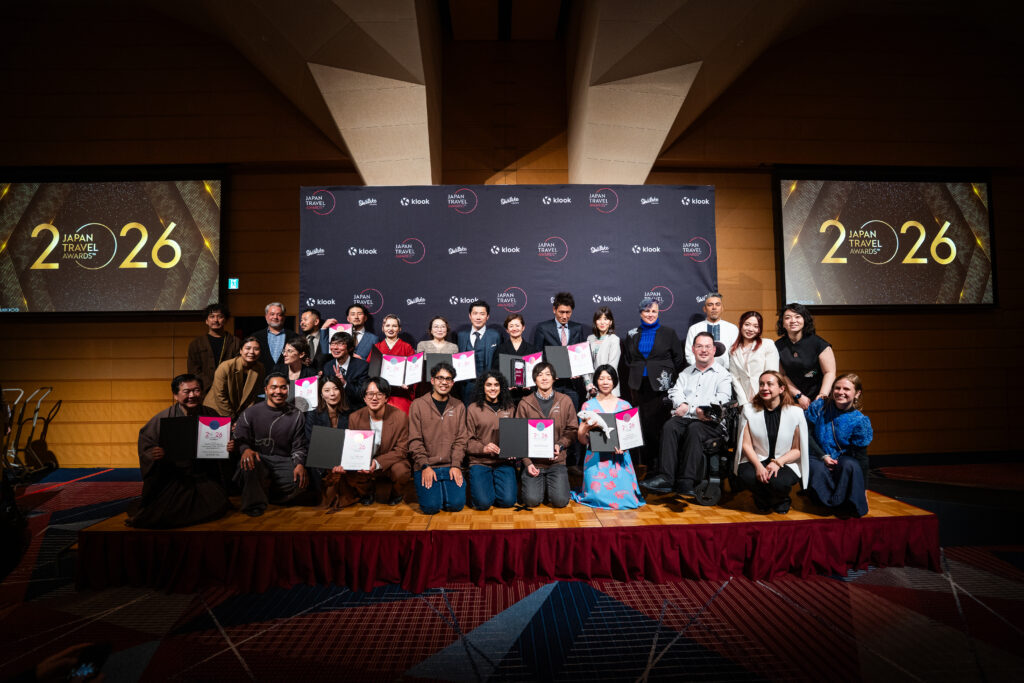
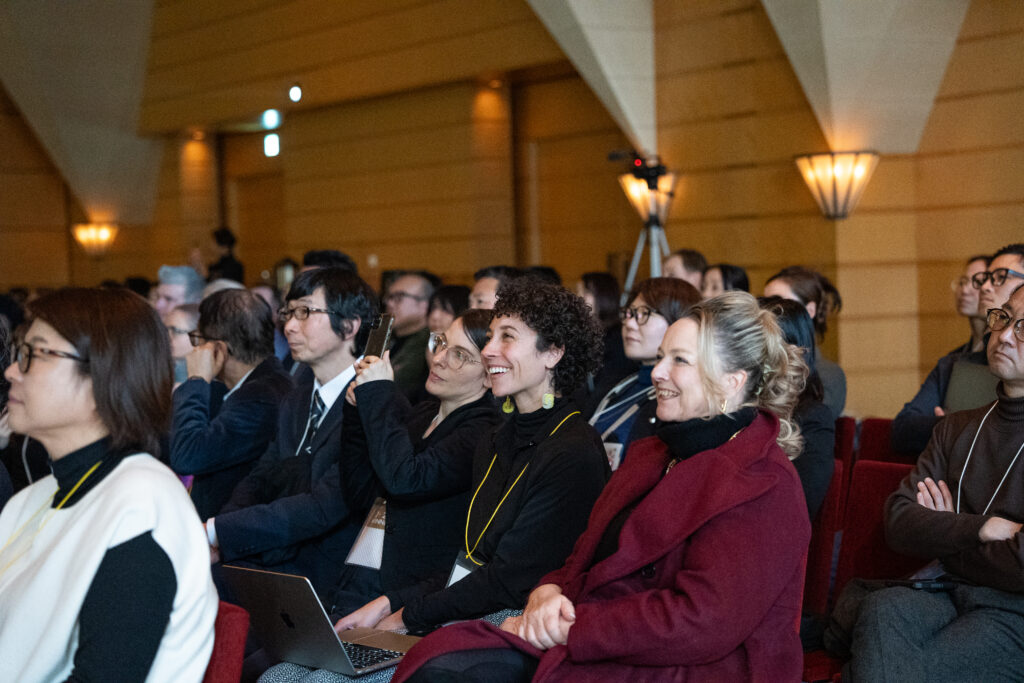
On February 12, 2026, key figures from the tourism industry gathered once again at the grand Tokyo American Club in Roppongi to celebrate the 5th Japan Travel Awards. From business owners and media representatives to inbound marketing specialists, the room was filled with individuals invested in the future of tourism in Japan. All were there not only to celebrate the award winners, but also to ask, “What does it mean to work in the travel and tourism industry in Japan at this current moment?”
Tourism in transition: Challenges and opportunities in 2026
As tourism to Japan has risen exponentially since the end of the pandemic, the country has had to grapple with how it handles the evolution of this industry. Will the country thrive, or be consumed by the surge of interest that it worked so hard to gain, predominantly through the much-financed “Cool Japan” initiative of the early 2010s?
It has not been an easy task, with certain areas of the country unprepared to face the challenges that come with being one of the world’s most sought-after travel destinations. However, many businesses see the interest in Japan not as an insurmountable challenge, but as an opportunity: a way to keep their businesses, their communities, and their ways of life alive.
The businesses and the people behind them that are able to navigate this new sea of possibilities with passion, enthusiasm, and an open mind may find themselves rewarded. That is exactly what the Japan Travel Awards are all about.
Established in 2021, the Japan Travel Awards were designed to find and highlight businesses “creating a better society through tourism.” The awards include categories such as accessibility, sustainability, inbound, and LGBTQ+, further highlighting areas where Japan’s tourism industry could improve as the country opens up to the world.
As Japan’s tourism industry undergoes rapid evolution, understanding how to balance preserving the culture and lifestyle of the country and its people whilst anticipating the needs of tourists from all walks of life has become a top priority.
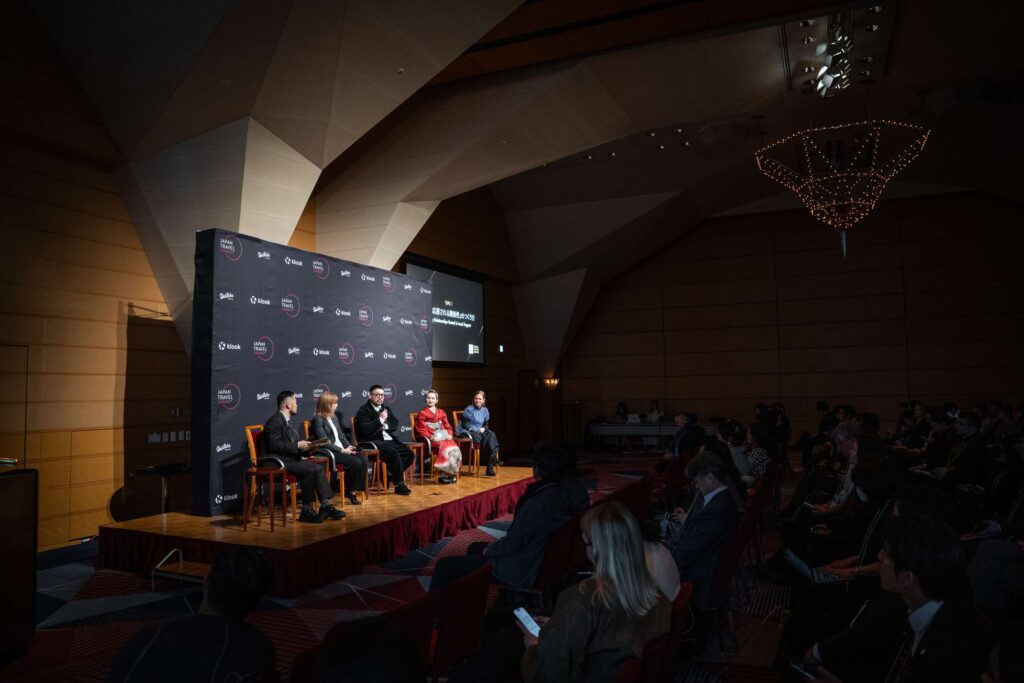
This is something that those involved in the Japan Travel Awards are intimately aware of and even address during the event. Before the awards are handed out, the event kicks off with a panel discussion featuring current and past winners, who openly and honestly discuss their on-the-ground experiences within the industry.
Straight out of the gate, the panelists discussed the importance of local community support and feedback when it comes to tourism. In certain areas of the country, visitors have arrived in numbers that cannot be supported by local infrastructure. Recently, we saw that a cherry blossom festival in Fujiyoshida was cancelled this year due to what was described as “poor tourist behaviour.” It would be negligent not to highlight that poor tourist behaviour is only one side of the coin. The area was also drastically unprepared to handle what could have been an amazing opportunity to strengthen the local economy.
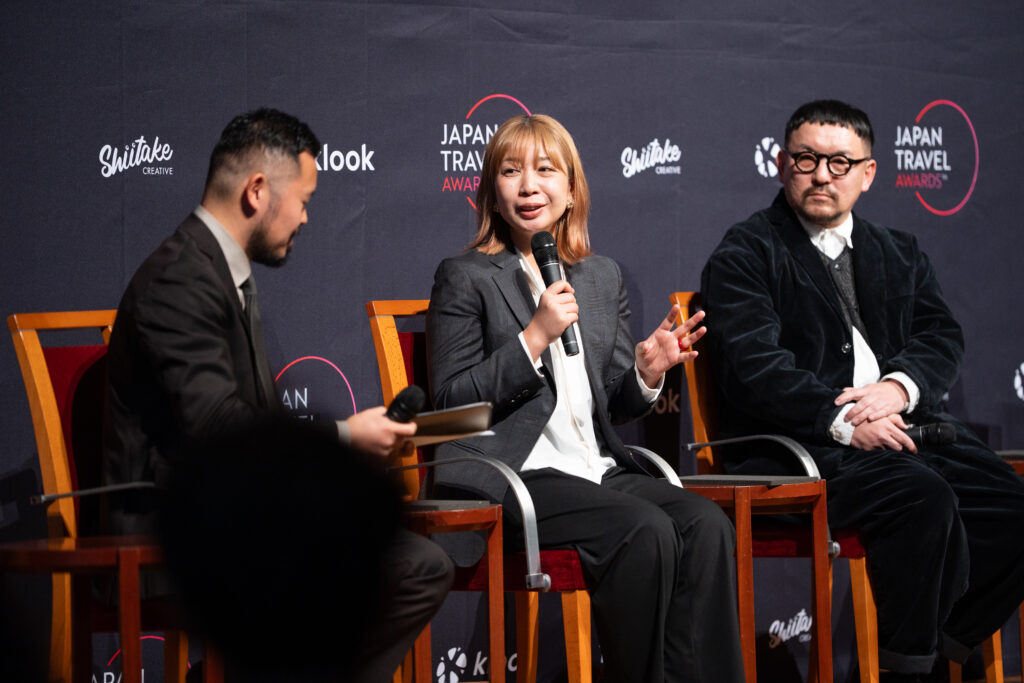
It’s a difficult situation overall, and one that certain members of the panel have had to consider themselves. Speakers Marika Tazawa (KURABITO STAY) and Sho Suzuki (SUZU GROUP) spoke about how a considered approach has to be taken to ensure that locals and tourists alike are happy with the result, focusing on long-term sustainability over short-term spikes. To consider only the tourists for the sake of money may leave a sour taste in the mouths of locals, but discouraging tourists altogether could be seen as looking a gift horse in the mouth.
Travel trends to watch: Collective, narrative, and ultra-personal experiences
This discussion touched on one of the three key trends that the Japan Travel Awards identified as we move into 2026: collective tourism. It’s a way to combat overtourism by promoting local strengths through community-driven models that showcase regional pride. Rather than funneling tourists into one “viral” spot, collective tourism encourages visitors to spread across a region, with businesses supporting one another in the process.
One example was the winner for Best Tourism Development: Ozu Castle Stay, which utilizes the unique opportunity to stay overnight in a Japanese castle as a gateway to the town itself. Visitors may come for the castle, but their experience goes well beyond its mighty walls.
Another key trend from the event was “narrative tourism,” which allows visitors to dive deeper into an area, be it a village, town, or even an entire region, to better understand the history, culture, and lifestyle of those living there. This is education through travel, encouraging visitors to explore with the intent to discover and learn.
Many of the awardees and special mentions of the night offered such experiences, including the winner of Best Social Impact, Fukushima Seaside (whose team includes Deep Japan writer Swastika Jajoo), for its endeavour to educate visitors on the region’s history and ongoing recovery, as well as the winner of Best Educational Experience, Miyakojima Dugong Research Tour, for combining travel with scientific research.
The final key trend of the evening was “ultra-personal travel,” where smaller-scale businesses can form close relationships with clients to ensure they have the best possible experience, one tailored to their personal needs.
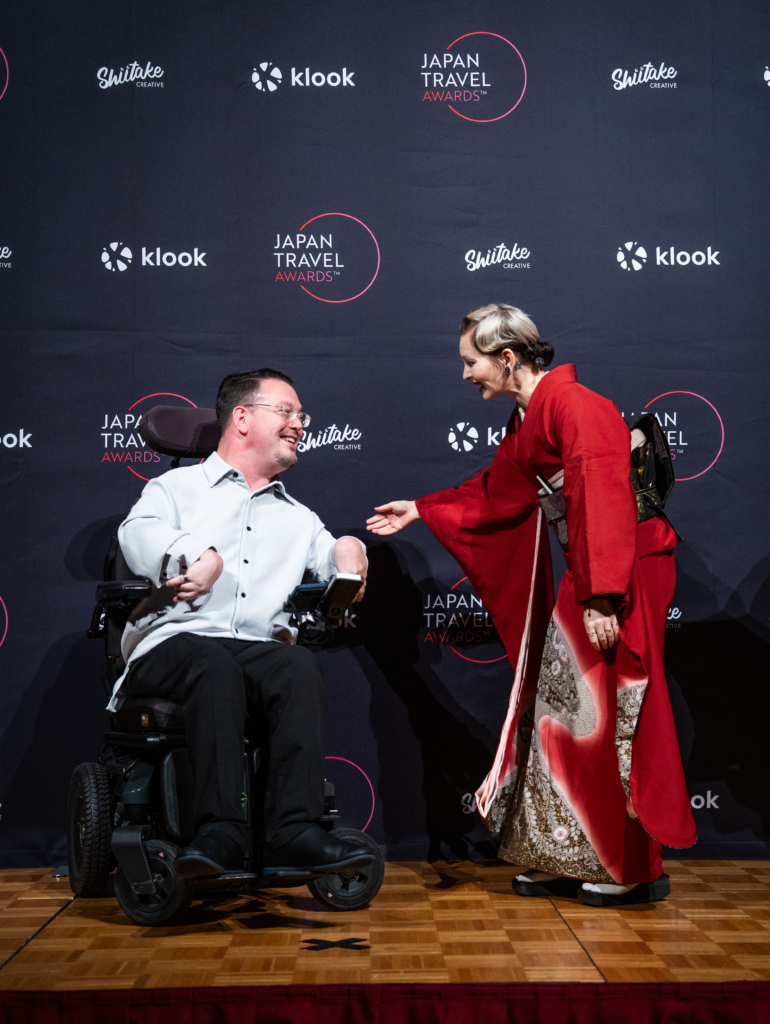
While this could be considered the definition of “luxury travel,” InKimono, winner of both the Best LGBTQ+ and Best Accessible Travel Awards, proved that it’s not so much about cost, but about the time invested in connecting with and adapting for customers. This kind of travel is bound to leave visitors feeling welcomed, accepted, and eager to return in the future.

Inspiring moments: Awards, speeches, and connections
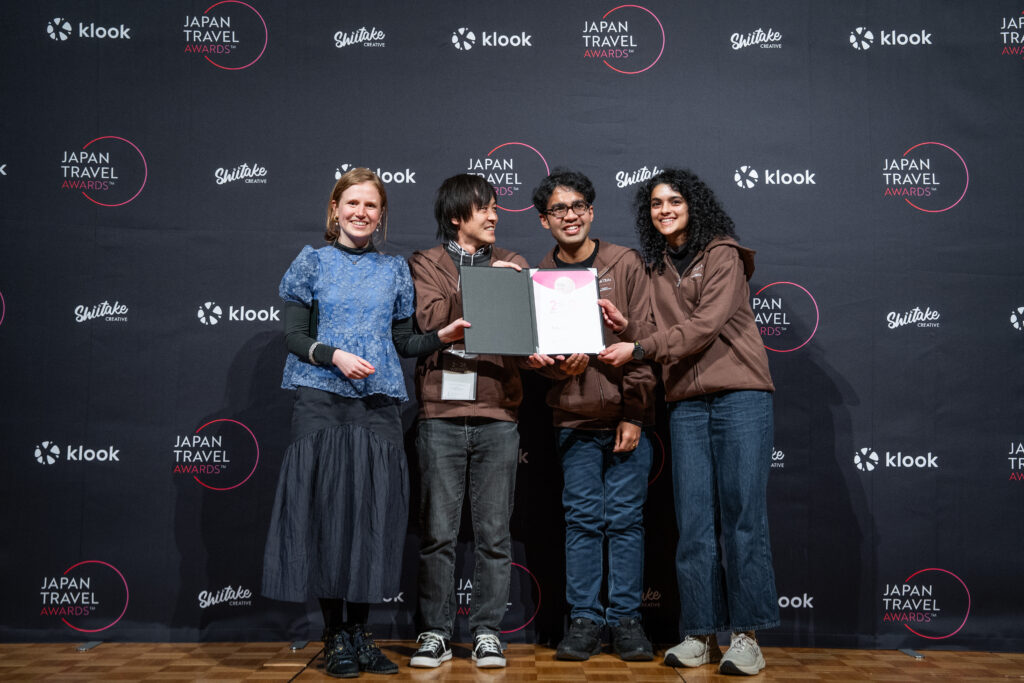
After the panel discussion on these three key trends, the award ceremony was underway. The awards themselves were fantastic to witness, with winners giving heartfelt speeches about their goals for their businesses, some enough to move me to tears. In an industry that has seen a lot of upheaval in the last few years, it’s great to see businesses both old and new looking at how to not only adapt, but thrive in this new frontier of travel.
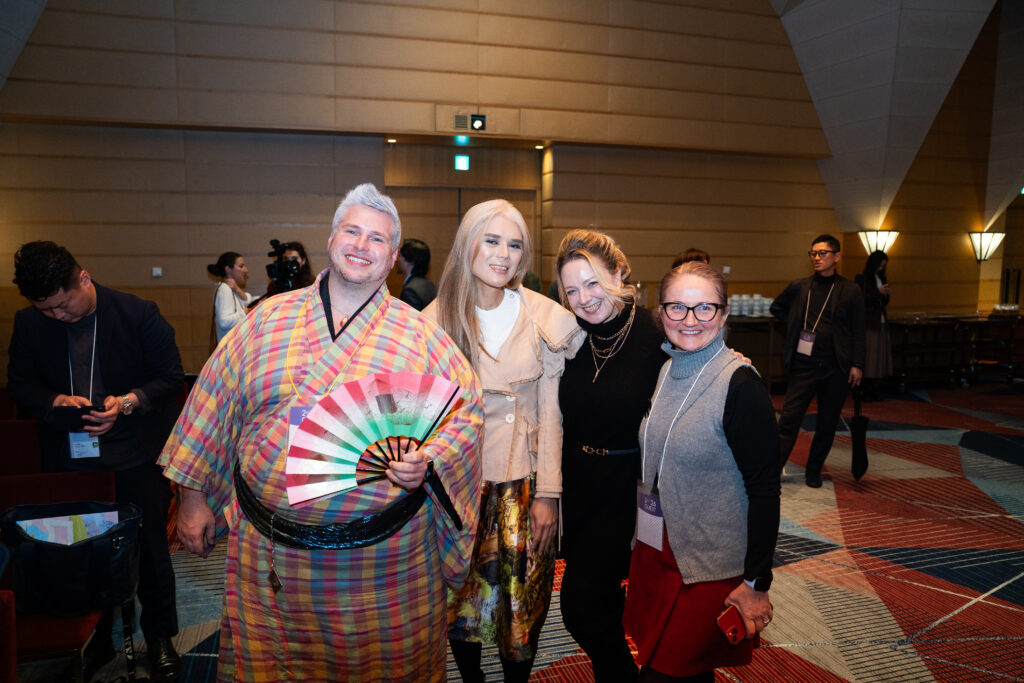
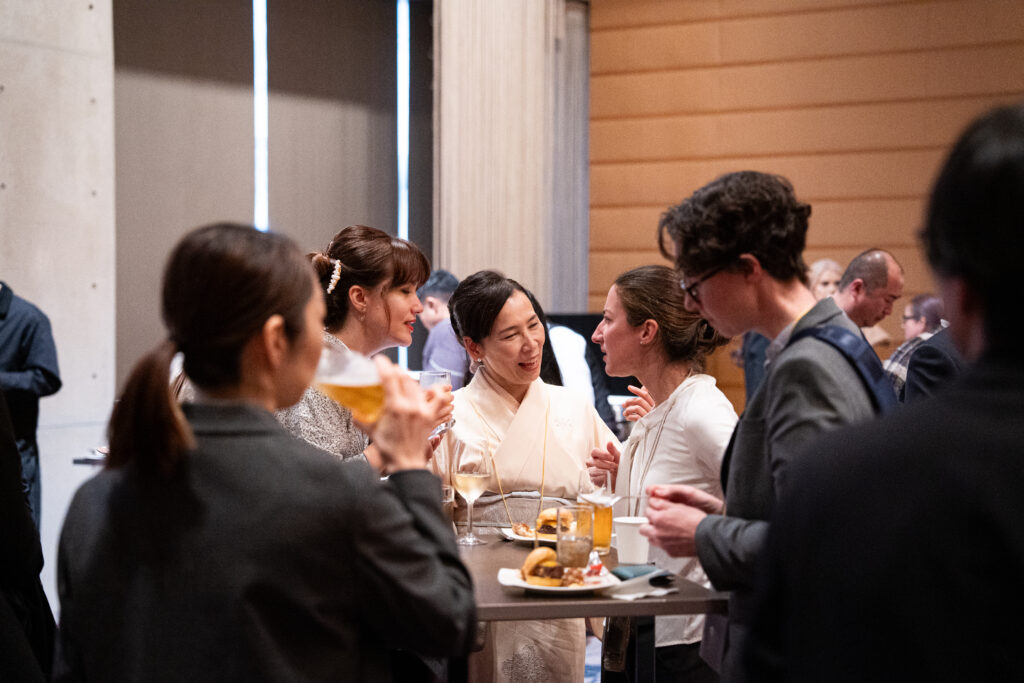
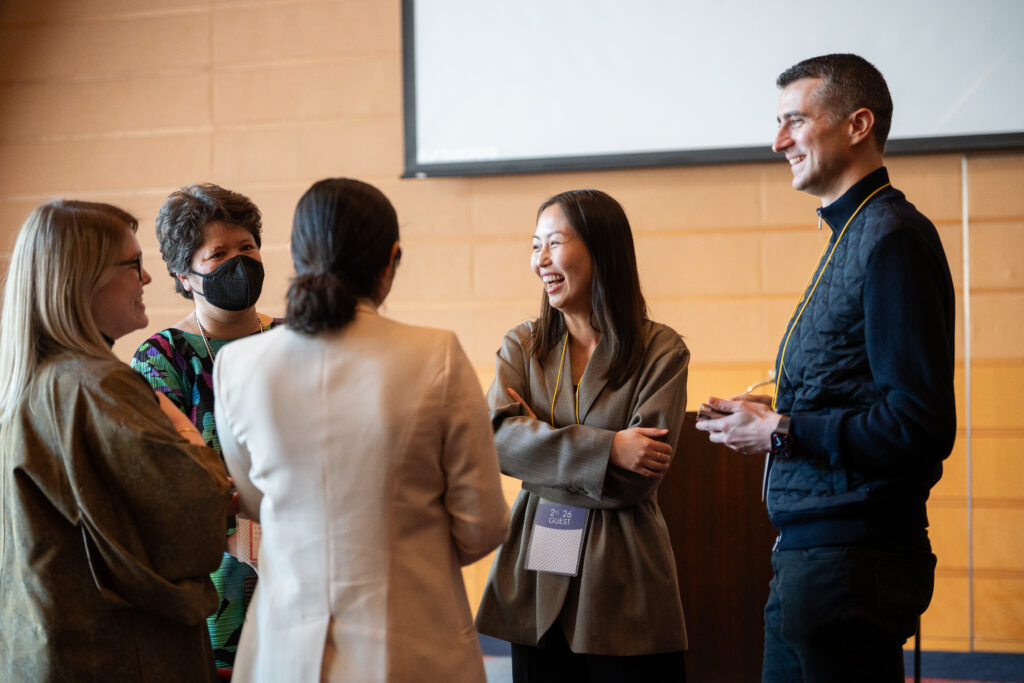
Beyond the panel discussion and the awards, the event provides an amazing space for those working in tourism to gather. Many of those in the room share the same goal: to create and encourage sustainable travel within Japan that benefits not only tourists, but also the places they visit, the businesses they patronise, and the locals they meet. Such networking opportunities are not common in Japan, making the event well worth attending for anyone working in, or hoping to enter, the tourism industry here.
— All photos by Shiitake Creative