
I recently had the opportunity to speak at this year’s Inbound Business Expo, which took place at Tokyo Big Site, Japan’s largest international exhibition center. That sounds very cool (if I may say so myself), but let me tell you, I was a nervous little bean inside, trying to stand tall and confident in my big-girl suit and reminding myself that all I can do is do my best. No matter what happens, it’s always practice for the next (wise words from my loving mother growing up).
I was fully in charge of how I wanted to architect the 40 minutes of my presentation, and I think there are two ways to look at a situation like that: a blank canvas representing freedom, or a void representing the daunting feeling of “I have no clue where to start.” Thankfully, it wasn’t without any direction. My purpose for the talk was essentially to spread the word about (breaking the fourth wall here) this very website, Deep Japan, for which I am humbly and proudly Editor-in-Chief.
With this main theme in mind (and a very well-defined timeline from the Expo organizers, which required me to submit my presentation title and description about a month ahead of time), I figured out the anchor of my talk.
“Connecting Japan’s heart with the world: The power of Japan’s international community.”
I admit it’s a bit of a lengthy presentation title, but to me, it captured all of the elements that come together in my mission with running Deep Japan. But first, context.
Inbound is booming in Japan: What now? What next?
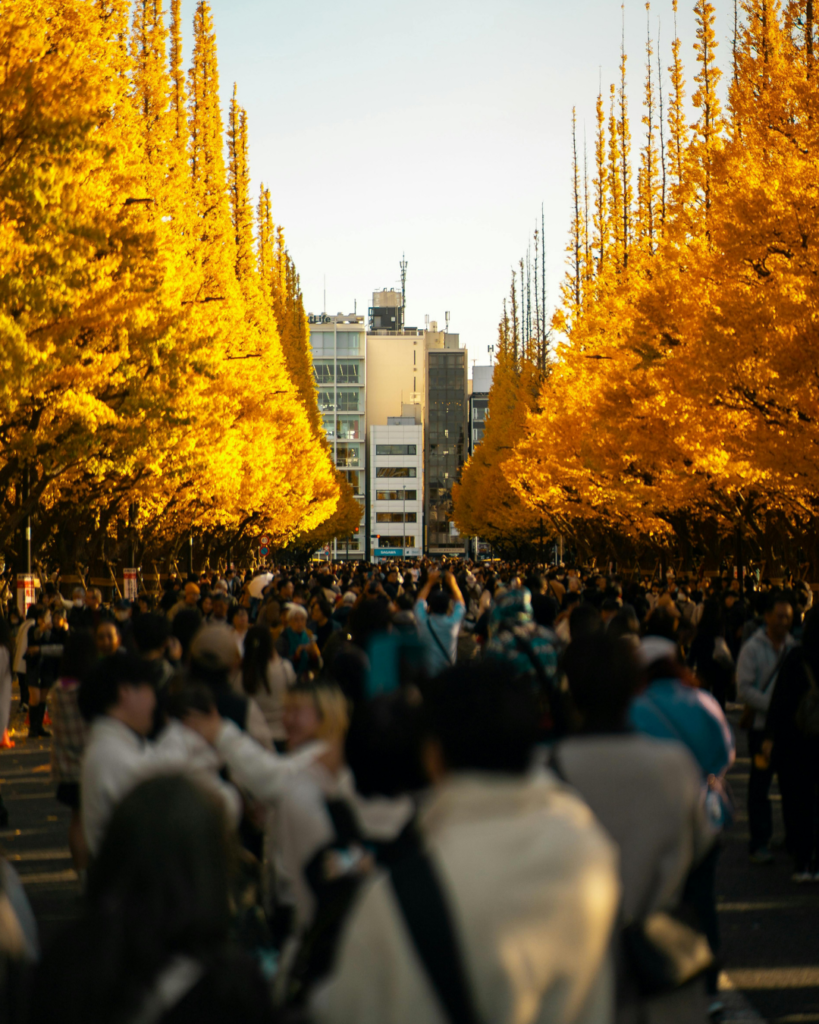
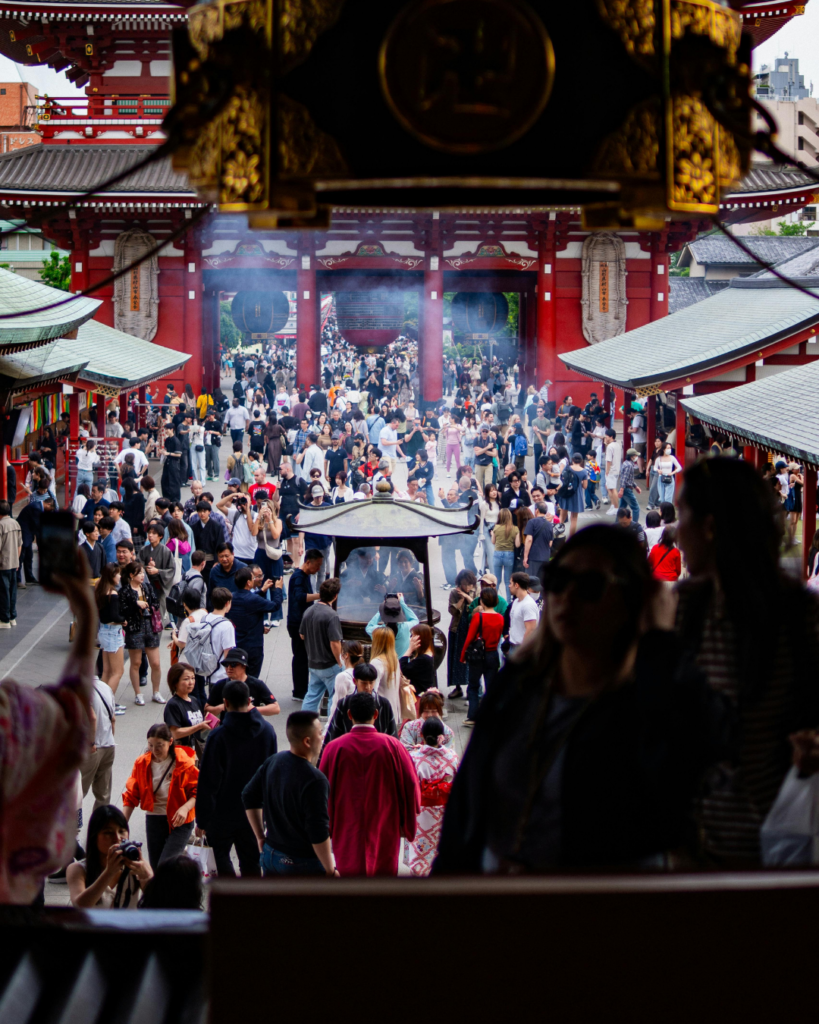
The number of international visitors to Japan has surpassed pre-COVID numbers, marking a record high of more than 42 million in 2025, which is a 15.8% increase compared to the previous year. Although politics has impacted the number of Chinese and Hong Kong visitors (two of the top five inbound markets to Japan), visitor spending is forecasted to continue increasing. The weak yen makes Japan a very appealing, cost-effective destination, and most of all, the Japanese government is fired up with its target to welcome 60 million visitors by 2030.
There is no doubt Japan needs the inbound market, with its aging population and a dwindling mechanism to carry on important jobs that make Japan, Japan. This isn’t the most glaring of issues, but something that hit close to home the other day was learning that vending machines — an iconic and quintessential aspect of everyday life in Japan — are decreasing in number at an accelerated rate across the country due to high maintenance costs and labor shortages.
While Japan’s booming inbound market is having a significant positive effect on economic growth, any change — no matter how positive and necessary — inevitably brings new challenges. As someone who lives in Kamakura, an ancient capital of Japan and a sightseeing hotspot, I’ve had a few occasions in the past where I couldn’t get on my local Enoden line (yes…first-world problems, I know…) because it was packed to the brim with international travelers carrying Godzilla-sized suitcases.
My utmost sympathies, because I know they mean absolutely no harm, and I know exactly what that’s like as someone who’s been there as a tourist in another country. But the reality is: how do we protect the quality of life of locals with the looming and pervasive effects of overtourism?
I have also witnessed visitors speaking loudly on trains and taking up more seating space than needed. I understand that the vast majority of the time there is no mal intent — it’s simply that they don’t know (and to their defense, there are so many unspoken rules in Japan!). But we still must ask: how do we gently educate visitors and ignite in them a desire to help preserve the Japanese heart of omoiyari (consideration for others) that is at play behind the quiet on trains?
If we dig even deeper into the discussion, another question emerges: what are the parts of Japan that can or should change with globalization, and what are the parts that should remain the same?
Well, there is an example of a place that I also spoke about during my presentation, which I feel does a beautiful job of toeing that fragile line. And that’s the 100-year-old traditional Japanese ryokan called Kakujoro located about two hours from Nagoya City by car along the expansive Atsumi Peninsula.
Kakujoro ryokan: Where time stands still while moving with the times
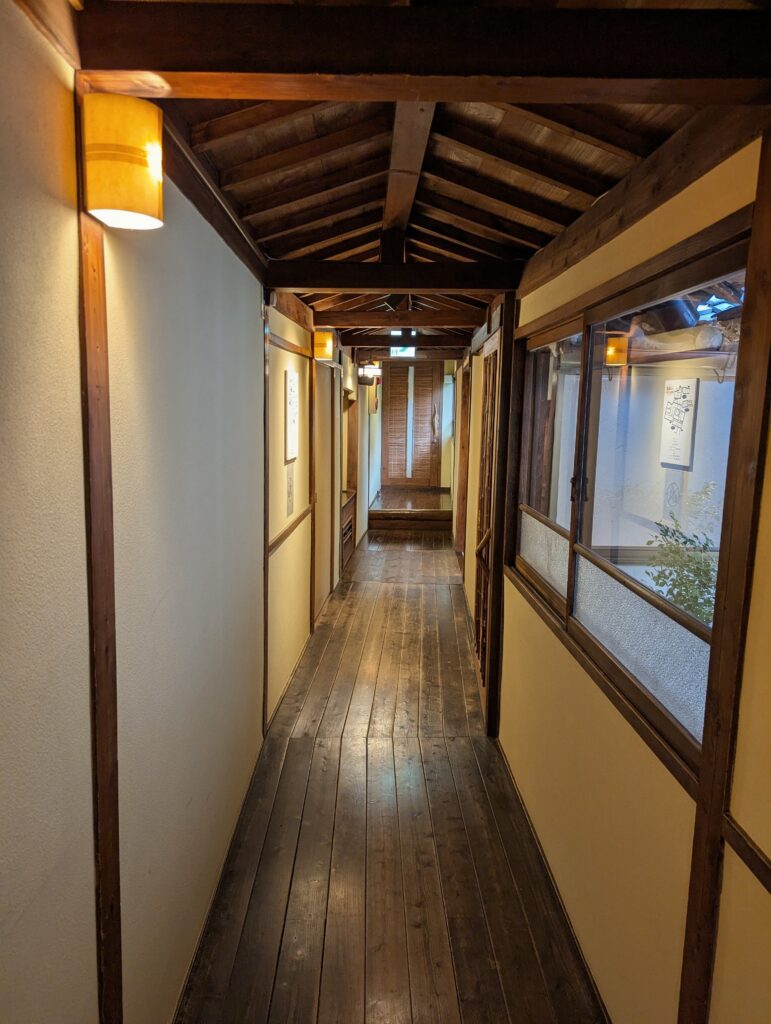
Built in 1929, Kakujoro is a living time capsule of Japan’s Showa period (1926 – 1989), with its burnt-hazelnut wooden floorboards that give a deep, satisfying “creak” whenever you walk across them, an ultra-retro phone booth that would make any analog lover sparkly-eyed (speaking from personal experience), a cream-colored tiled sink with dark-blue lines full of character (they just don’t make ’em like this nowadays!), and so much more.
It’s as if nothing has changed for 100 years, and yet there is an embrace of the present that you’ll notice in the details.
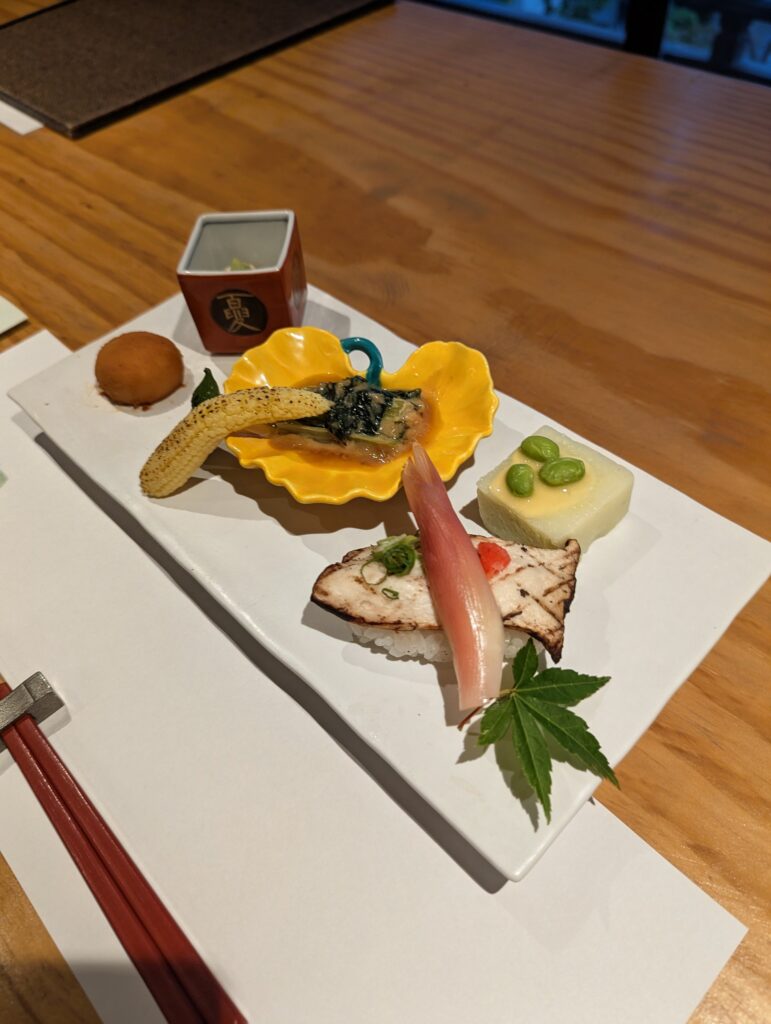
As someone who works remotely, for one, I noticed the high-speed Wi-Fi. Then, as someone who loves (maybe needs, at this point) their morning coffee, I noticed the sleek black Keurig seamlessly positioned on top of an antique shelf in the back of my room beside the traditional tokonoma (raised alcove). As someone who has been on a plant-based diet for the past six years, I was astounded by the quality of the vegan kaiseki (traditional Japanese haute cuisine) featuring dishes like daikon (Japanese radish) steak simmered in a savory vegan dashi broth, veggie sushi, and more.
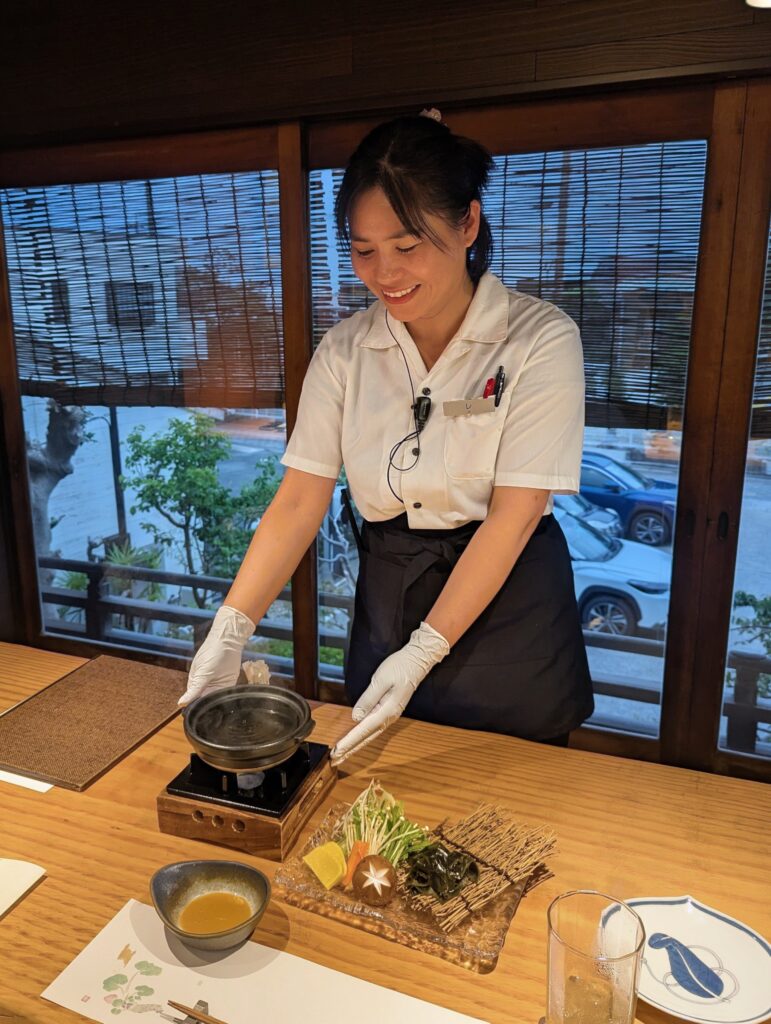
And as someone with a Japanese-American background, born and raised in Yokohama but educated at international schools all my life and surrounded by a global community, I immediately noticed how diverse the staff were. At our very first breakfast, I had the opportunity to meet (and immediately become a fan of) Lê-san from Vietnam, who kindly brought out a big bottle of gluten-free halal soy sauce with the warmest aura and most radiant smile to reassure me that everything, down to the broth, was fully vegan. She also served us at dinner, giving us a glimpse into her story — coming to Japan with her husband and child and working at Kakujoro for a little over a year.
Final thoughts
Just because a culture has survived for thousands of years doesn’t guarantee its future. In preparing my presentation at the Expo, it really settled in my heart that culture is, in fact, fragile.
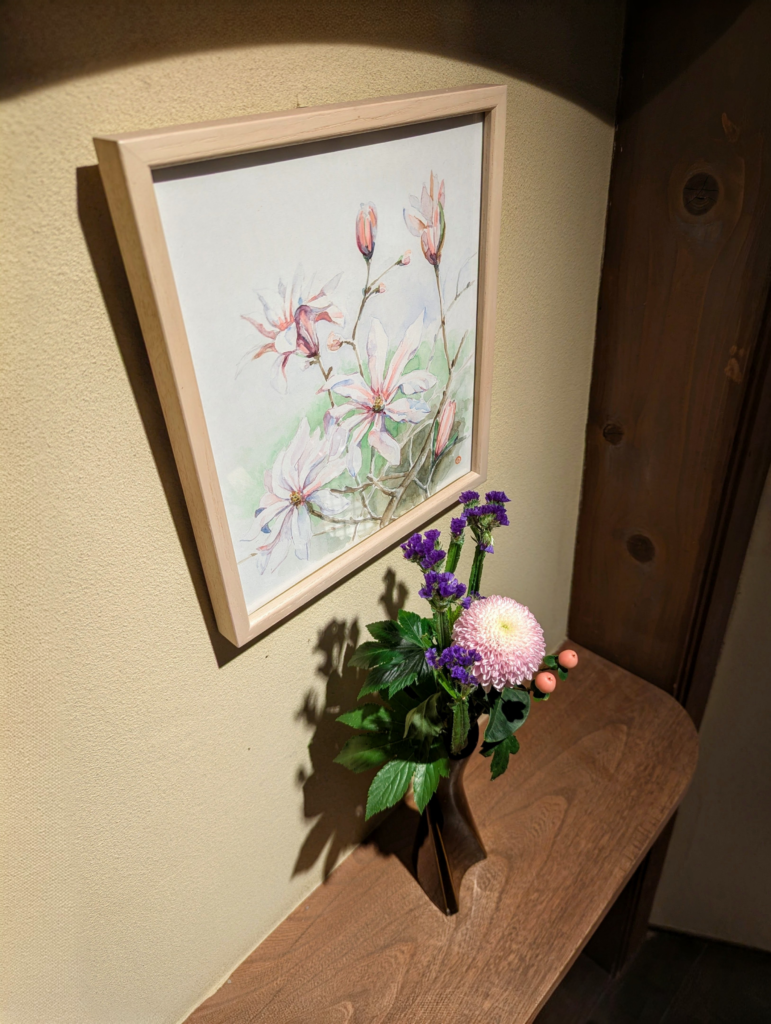
Now in late March, as I see the sakura adding splashes of glistening white and pink to the streets around my home, perhaps culture is like a flower that requires attention, tending, and protection. There is only so much we can control, but if we are prepared, it’s possible to ensure the flower is not lost to the rain and wind.
In fact, maybe there is even a way to harness the power of the elements to build resilience that brings forth a new shape, a new color, a new type of beauty — without losing its original essence.
I might have lost you there leaning into my metaphor a little too much, but in a similar sense, I feel there is something we can learn from the way Kakujoro, a traditional Japanese ryokan, has managed to preserve its Showa-era architecture, world-class omotenashi spirit, and kodawari attention to detail — all of which make up this heart of Japan that I feel should never be lost to time — while also selectively and thoughtfully weaving in modern conveniences like Wi-Fi and coffee machines, as well as greater dietary options for an increasingly diverse visitor landscape.
I didn’t get to touch on it much (perhaps in a future article), but the second part of my presentation title speaks to leveraging the “power of Japan’s international community.” Kakujoro also leads by example here, welcoming internationals like Lê-san as part of the team so that we can all work together to ensure this precious Japanese-ness continues for another 100 years and more.