
Riding JR East’s GranClass Shinkansen
The streak of green fields and the blue sky outside my window were not an unusual sight for me. In my work as a travel writer, I often ride the Shinkansen bullet train, and the sight of the world zipping by at 200 mph is a novelty that, although delightful to experience, you eventually get used to. A standard ride on the Shinkansen is a simple but utilitarian pleasure; this time, however, was something different.
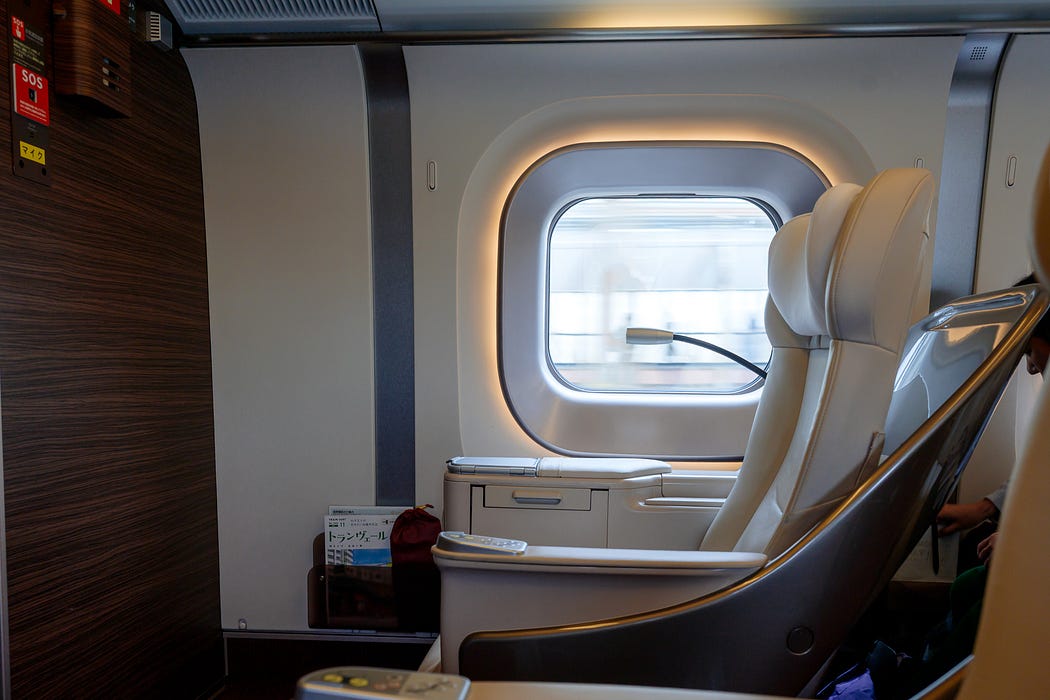
Wrapped in a shell-like, leather-bound seat, I reclined as deeply as I wanted without concern for the passenger behind me, who was doing the same. The cabin door slid silently open, and a smartly dressed attendant bowed deeply before stepping in and delivering a glass of Yamanashi wine to my tray with a smile, asking whether I preferred a Japanese or Western-style meal. This was GranClass, and I was hooked.
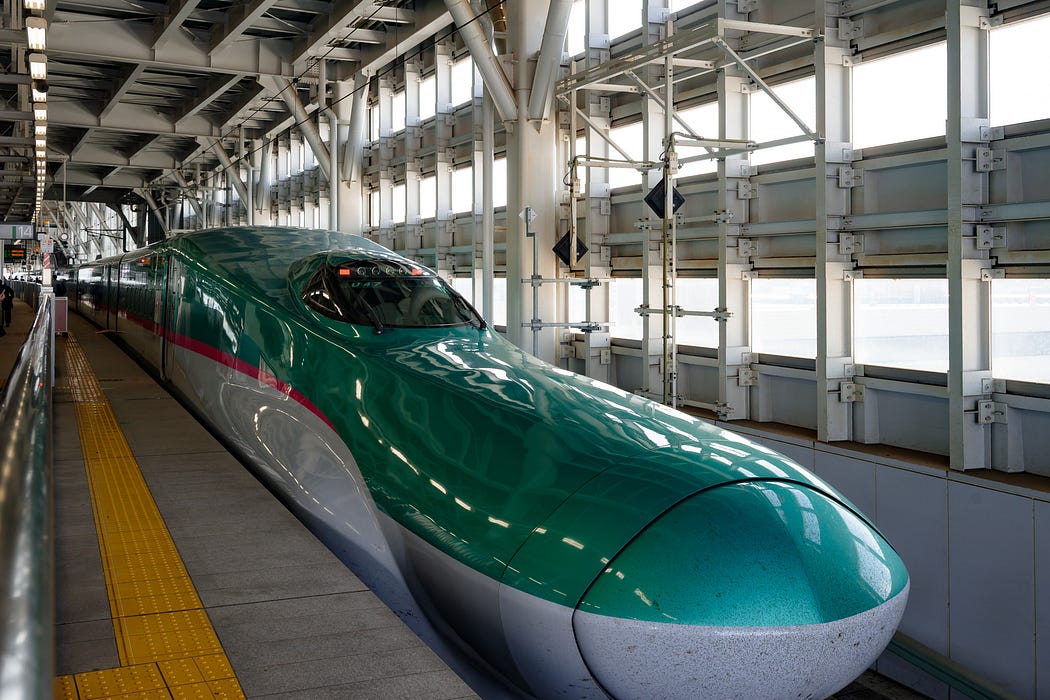
GranClass — Flying first class on rails
GranClass is a premium-class service on select routes of the JR East Shinkansen lines from Tokyo to Tohoku (the northern area of Honshu between Tokyo and Hokkaido), Hokuriku (the Sea of Japan coastline facing continental Asia), and Joetsu. GranClass is akin to flying First Class at a fraction of the price, with a cabin that consists of 18 refined seats in a 2–1 configuration, enveloped in the warmth of leather, wool, and wood. A dedicated GranClass attendant tends to cabin guests, offering a variety of amenities. Beverages, including domestic wines and sake, and a wide variety of non-alcoholic drinks, are available throughout the journey, along with a light meal designed exclusively for GranClass passengers.
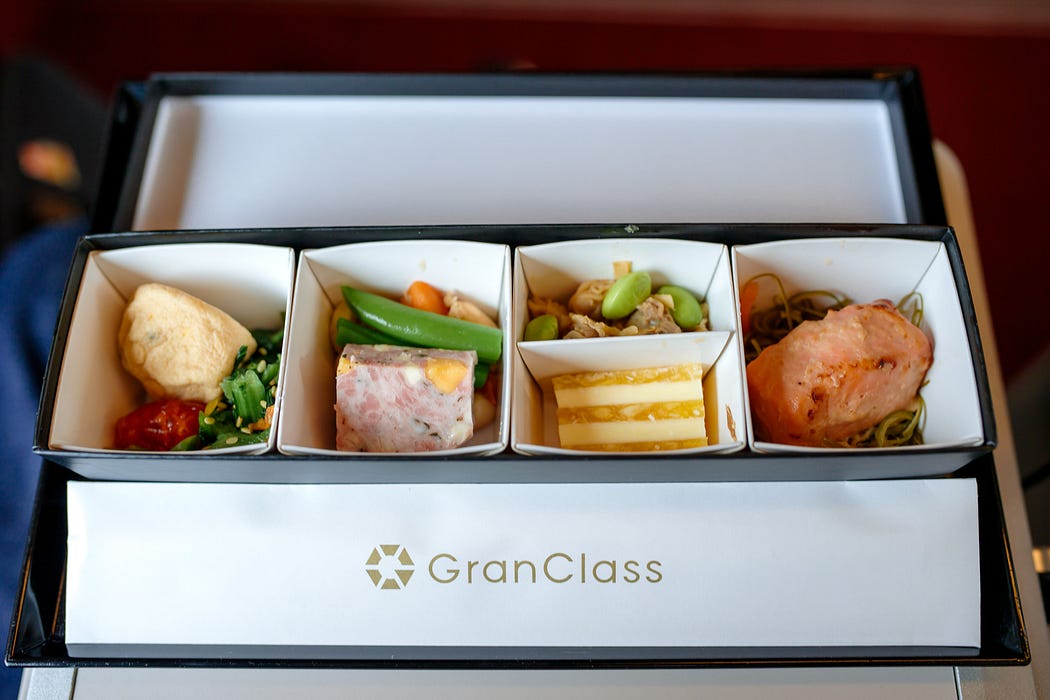
There are Japanese and Western options for the meal, with ingredients that change with the seasons. In the autumn, the Western course featured herb-roasted Hokkaido salmon and a gratin with venison simmered in red wine, while the Japanese course included clams simmered in miso and ginger, as well as grilled miso Sanriku coho salmon. The meals are light fare; consider them a teaser of the regional flavors that await you at your destination rather than a full meal. The Japanese course was an exceptionally well-conceived variety of sweet, savory, and umami delights.
After enjoying a meal and a beverage, it wasn’t easy to keep from dozing off for a while in the premium leather seat. Individual seats exist within a shell that doesn’t intrude on other passengers’ space when fully reclined, complete with leg rests and a reading light. As the world sped by in near silence outside my window, I spent the next half hour in a peaceful catnap.
Aomori — Tohoku’s big(ger) apple
I was on my way to Aomori, the capital of the prefecture of the same name, located at the northern edge of Japan’s largest island, Honshu, and separated by the Tsugaru Strait from Hokkaido. It was my first time going to Aomori, one of the few prefectures still on my “To Do” list of places to visit in my meager spare time.
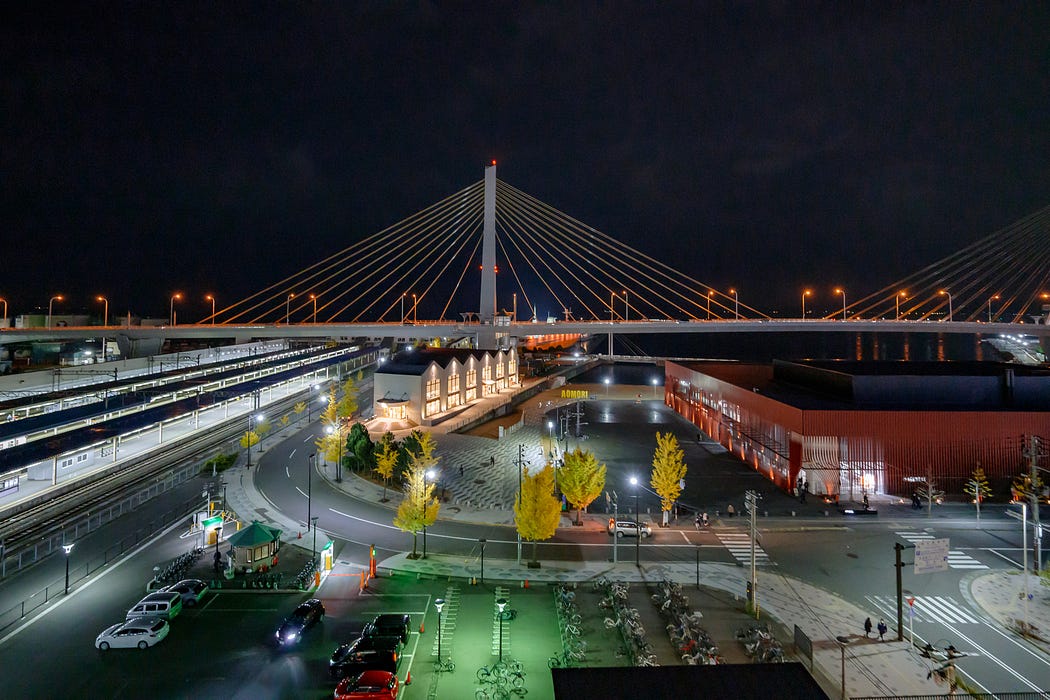
If you play a game of word association with a Japanese person and say “Aomori,” the likely response will be “apples.” While Aomori does produce famously delicious apples, it also boasts a rich, diverse culture rooted in both ancient and not-so-ancient history. Aomori City has also become home to one of Japan’s most innovative wellness-oriented hotels, ReLabo, an accommodation I was keen to experience for myself.
Holistic wellness experience at ReLabo
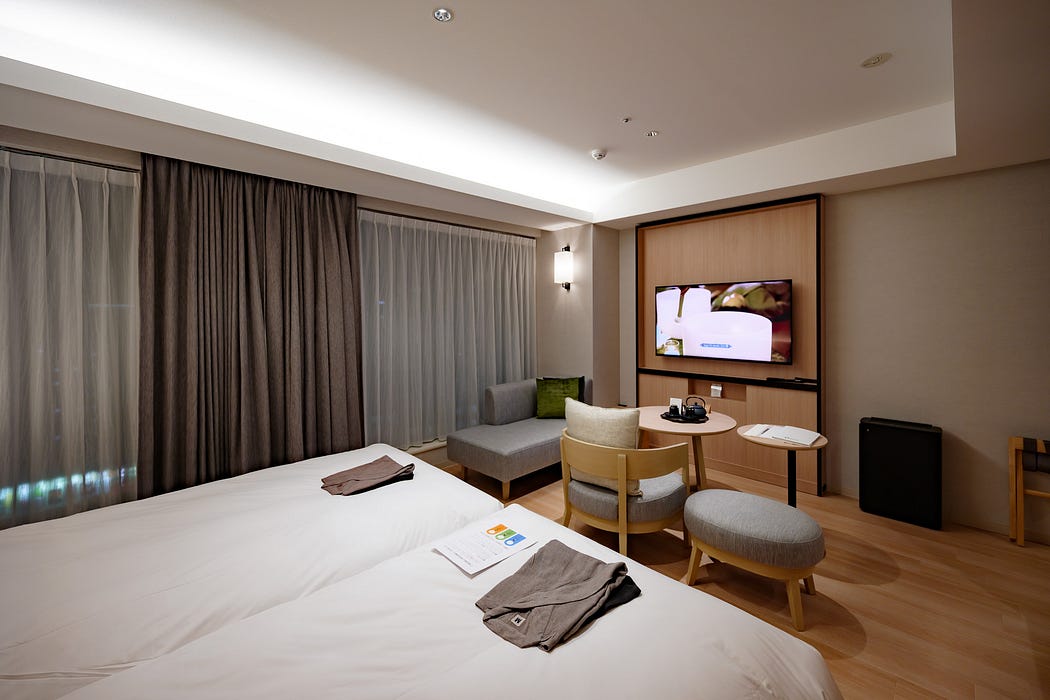
ReLabo bills itself as a “Medical Spa and Stay,” offering more than just a comfortable room and fine dining; it also proffers a comprehensive menu of wellness-related activities and treatments. The spacious rooms cater to various types of guests, from those traveling alone on a rejuvenating workcation to couples on an extended spa date. I stayed in a Zen room, slightly larger than a standard room, with two double beds and a shower. It was spacious enough to wander around in, with a comfortable lounge chair perfect for reading a good book. Although the room lacks a bathtub, ReLabo offers onsen hot springs, both shared and private, which can be reserved in advance.
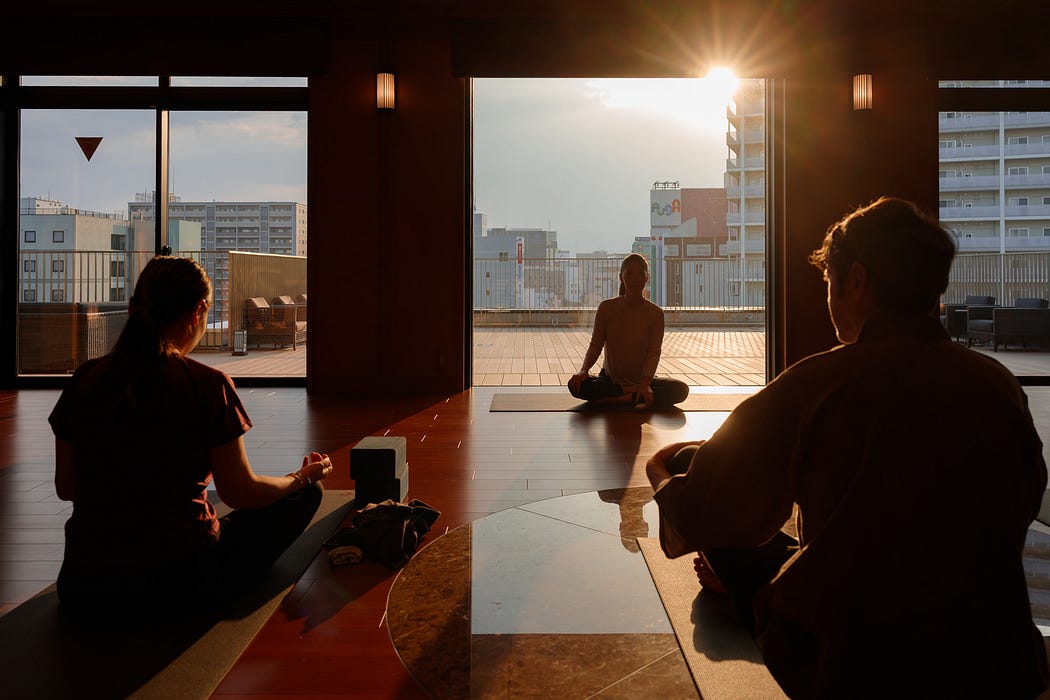
The sixth floor of ReLabo is dedicated to the therapeutic facilities. There is a standard hotel gym, as well as a yoga studio where you can attend public or private sessions with a professional instructor in a Zen-inspired space. The hotel spa offers Sri Lankan Abhyanga massage techniques, performed by certified therapists, for individuals and couples. There is also a lounge where guests can enjoy morning smoothies and afternoon or evening beer (well, not everything needs to be completely wellness-oriented, right?).
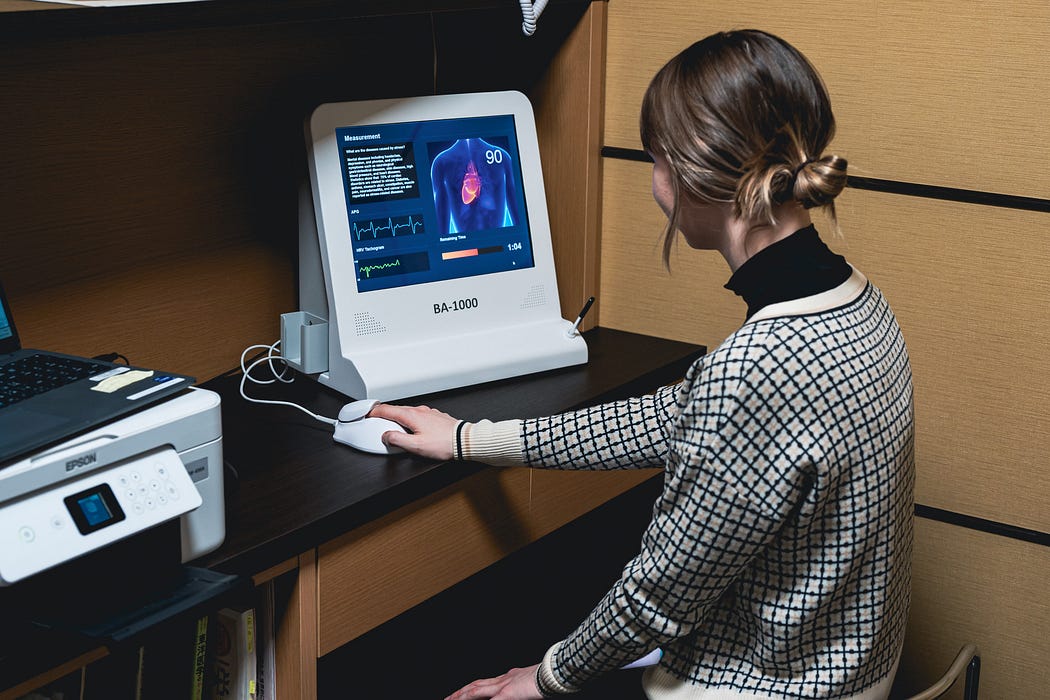
The “Medical Spa” aspect of ReLabo comes from its wellness clinic and counseling services. Guests can receive guidance on diet, sleep therapy, and other medical concerns from a licensed nurse. You can also try out some of these therapies during your stay, such as sleep counseling and testing one of the health pillows designed to improve your rest. There is even a variety of injections available for immunity boosts, skin treatments, and even hangover therapy.
Dinner at ReLabo is an optional splurge at En — Aomori French Gastronomy. No surprises here: the cuisine is French and uses Aomori-sourced ingredients. The real twist is in the preparation, which uses unusual techniques to enhance the flavor, texture, and nutritional value of each dish. For example, the restaurant uses specialized appliances for esoteric techniques such as blast chilling and vacuum cooking, which are impossible to replicate with traditional cooking methods.
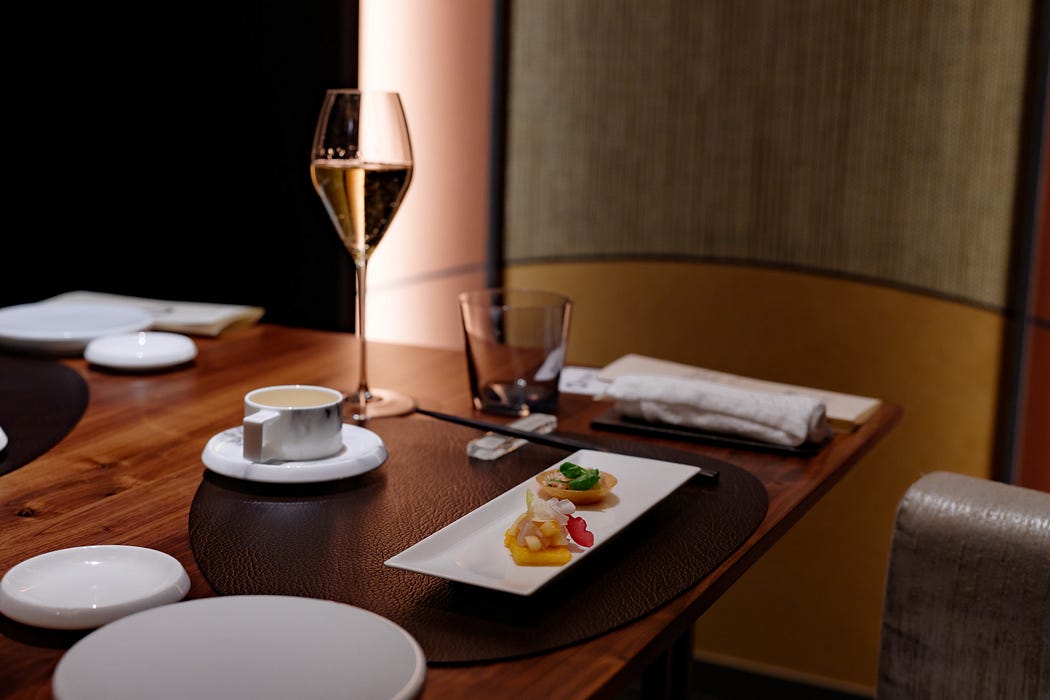
The main course was the “En” steak, cooked for an extended period at a low 45 °C, then rapidly raised to 160 °C to finish, searing the outer surface to seal in all of the precious juices and flavor of the meat. Breakfast is less experimental but equally delicious, featuring the signature eggs benedict prepared with Aomori-produced eggs and apples, made to order at the breakfast buffet bar.
Wa Rasse — The museum of Aomori’s Nebuta Festival
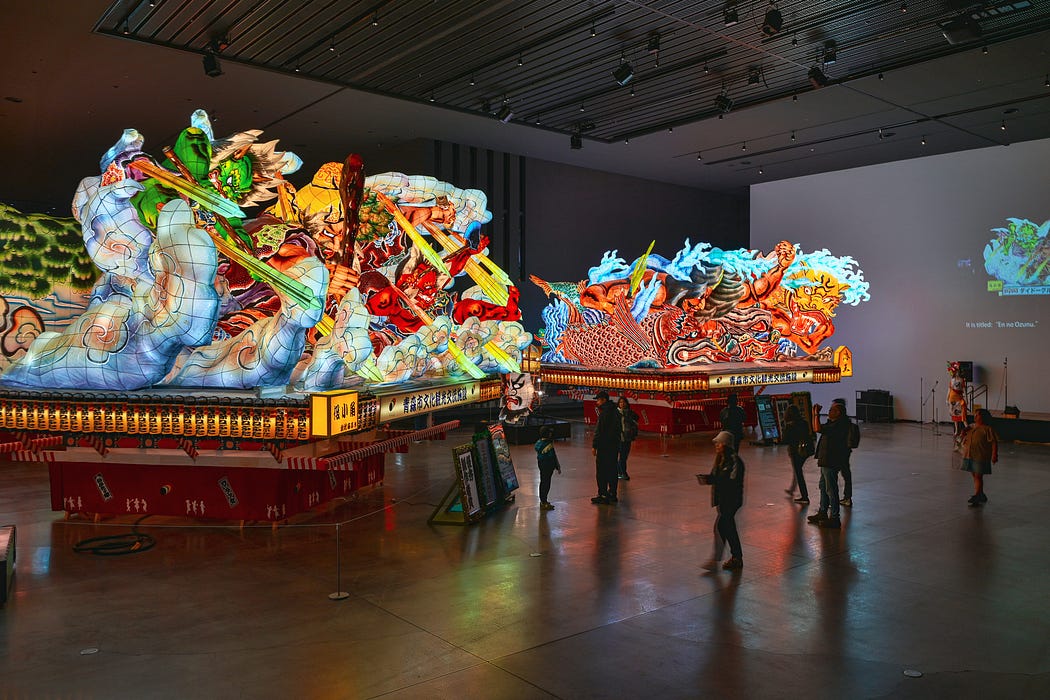
It would certainly be tempting to spend your entire time in Aomori at ReLabo, but to do so would be to miss out on the city’s diverse history. Located nearby is the Nebuta Museum Wa Rasse, dedicated to Aomori’s famous Nebuta Festival, in which giant lantern-like floats depicting famous scenes from regional legends are paraded through the streets in early August. The floats, which can be over nine meters long and several meters tall, are painstakingly remade every year at great expense to the organizations that create them. Wa Rasse displays only a few of the best floats from the previous festival before they are replaced by new ones the following year.
The museum offers an excellent opportunity to appreciate the scale of the festival without the crush of more than one million visitors who attend every year. Of course, you should experience the crowds in person as well, because the atmosphere of one of Tohoku’s — and Japan’s — most exciting festivals can’t be replicated in a museum.
Sannai Maruyama Site — The prehistoric era treasure chest of Aomori
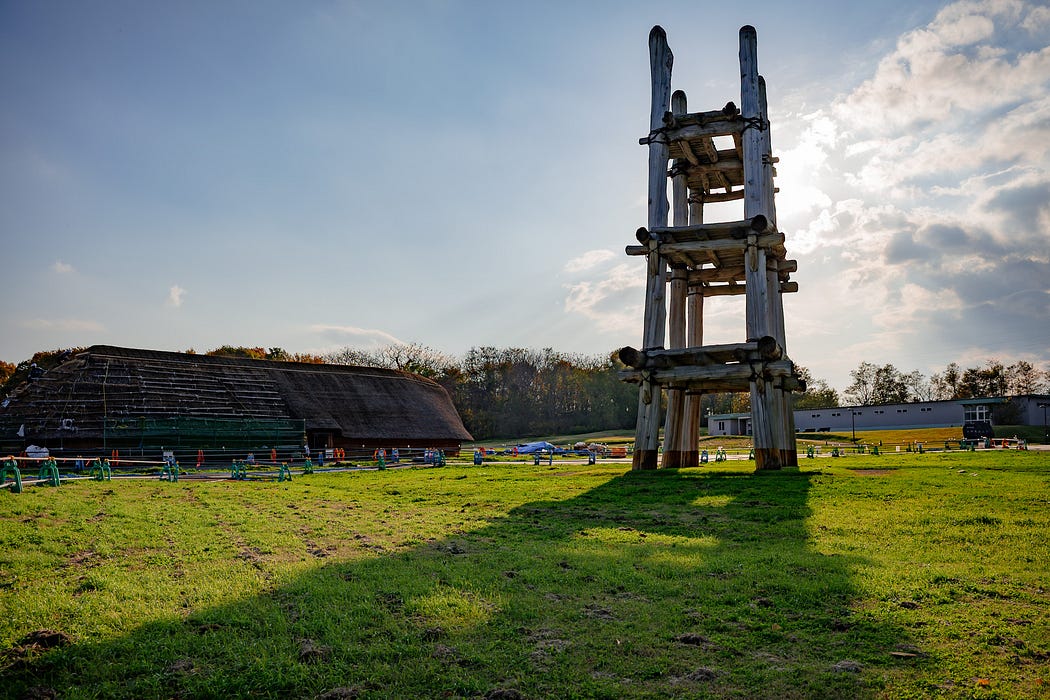
Slipping farther back in time, we visited the Sannai Maruyama Site, a World Heritage archaeological site of a prehistoric civilization that inhabited Aomori during the Jomon Period, roughly 5,900 to 4,200 years ago. A village existed on this site for about 1,700 years, allowing visitors to glimpse a detailed slice of life from a civilization we know very little about. The icon of Sannai Maruyama is the 15-meter-tall, three-story tower, whose purpose is still unknown. Various iterations of residential architecture survive on site, demonstrating how building techniques evolved over time, from grass-and-mud huts dug into the earth to structures raised on wooden pillars.
Onward to Morioka City, an overlooked gem of Tohoku
Returning to Tokyo from Aomori on the Hayabusa Shinkansen, we stopped in Morioka, the capital of neighboring Iwate Prefecture, which shocked all of Japan in 2023 when writer Craig Mod declared it one of his favorite overlooked destinations in the country. Even a short day in Morioka reveals the charm that made such an impact on Mod: the friendly residents, gorgeous autumn scenery, and, perhaps, literally endless soba.
A curious tradition of wanko soba at Azumaya Honten
For that experience, we visited Azumaya Honten, which has been satisfying soba noodle cravings in Morioka since 1907, one tiny bowl at a time. The restaurant specializes in wanko soba, a unique tradition of serving soba one mouthful at a time in individual bowls. As you eat, the staff encourage you with a cheerful “Hai, don don!” as they hand you bowl after bowl of delicious noodles. The empty bowls pile up before you in stacks of 15, the approximate amount of soba in one regular bowl served at the restaurant (and yes, you can just order a single bowl like a normal person, but where’s the fun in that?).
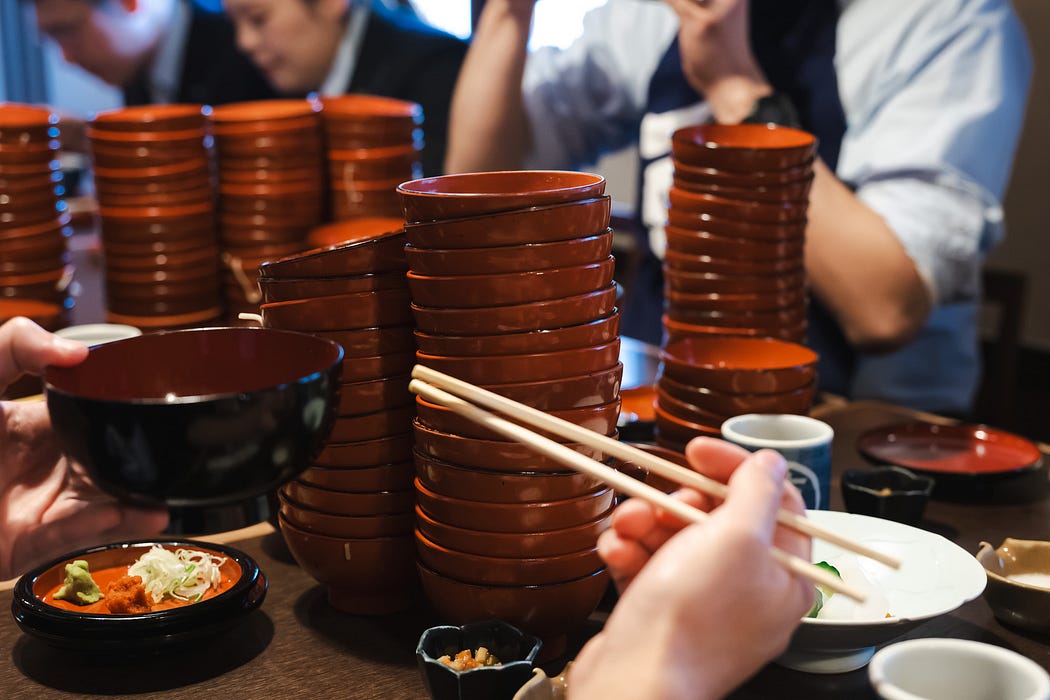
If you can reach 100 bowls, you’ll receive a wooden plaque commemorating your achievement. Even if you can’t stomach that much soba, you’ll still get a small certificate showing the date of your visit and how many bowls you were able to eat. For the hyper-competitive with a full day to spare, you can try to beat the records of the current champions: 500 bowls for men and 753 bowls for women.
Kamasada — 400 years of traditional Nanbu ironworking
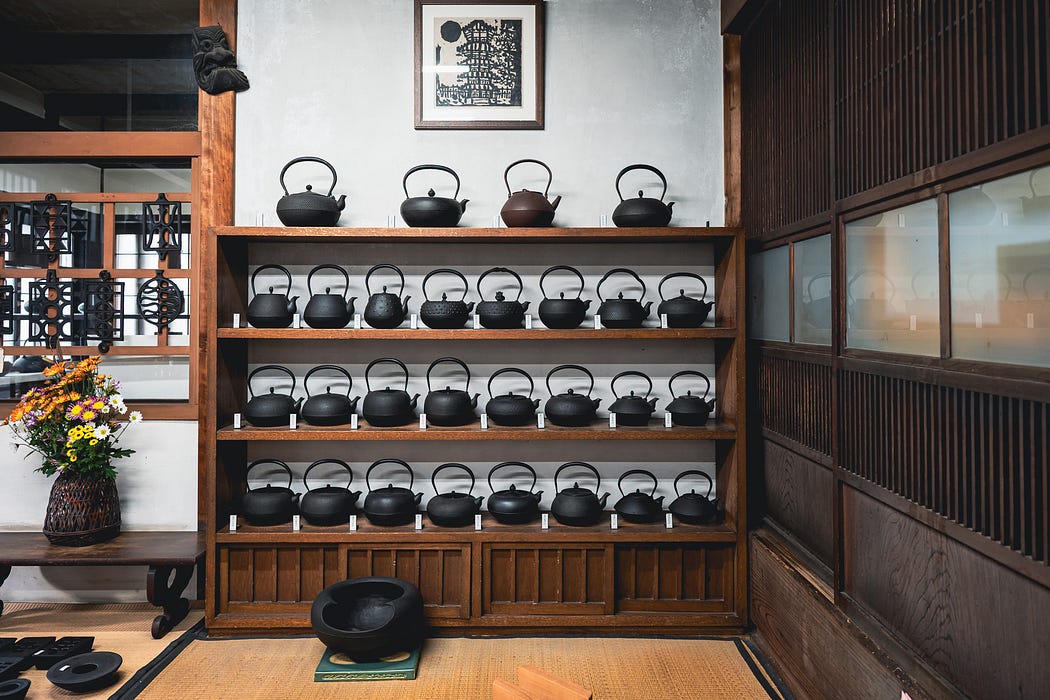
Within walking distance of Azumaya is Kamasada, a small workshop that embodies one of Morioka’s traditional crafts: Nanbu ironworking. This craft dates back over 400 years, when local craftsmen created essential items for Buddhist temples, such as temple bells and tea kettles. Many families have preserved these traditional ironworking techniques for generations, producing both works of art used in Japanese tea ceremonies and functional items for modern daily life.
Kamasada has an exquisite collection of traditional teapots, but their focus is on everyday goods: cast-iron skillets, bottle openers, and ashtrays are all part of their product line. Decorative pieces shaped like various animals, originally designed by the current artisan’s grandfather, show the workshop’s versatility in bridging traditional and contemporary design.
Stunning fall foliage in Morioka’s Nanshoso Garden
Before returning to Morioka Station, we made a final stop at Nanshoso, the former residence of a prominent Morioka businessman. Constructed during Japan’s Meiji Period in 1885, the enchanting main house was later expanded by subsequent owners and, in the aftermath of World War II, was requisitioned by the US military. Eventually, the Iwate Citizens’ Co-op took over management of the property, which they maintain through admission and rental fees, sales of food and products, and donations from those who wish to ensure the property survives for the enjoyment of future generations.
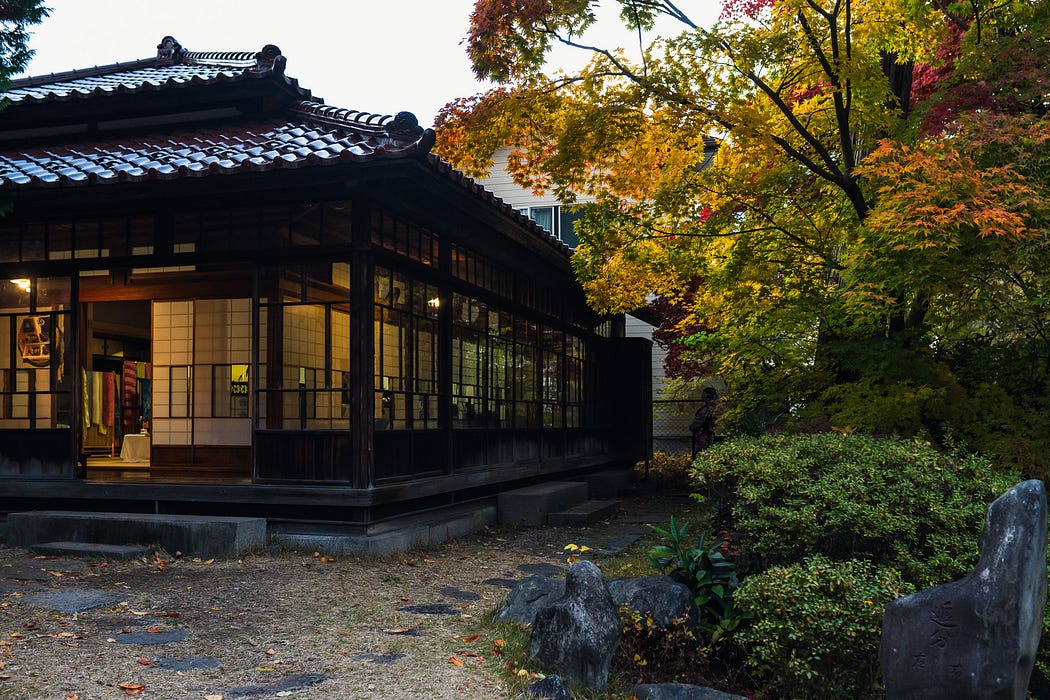
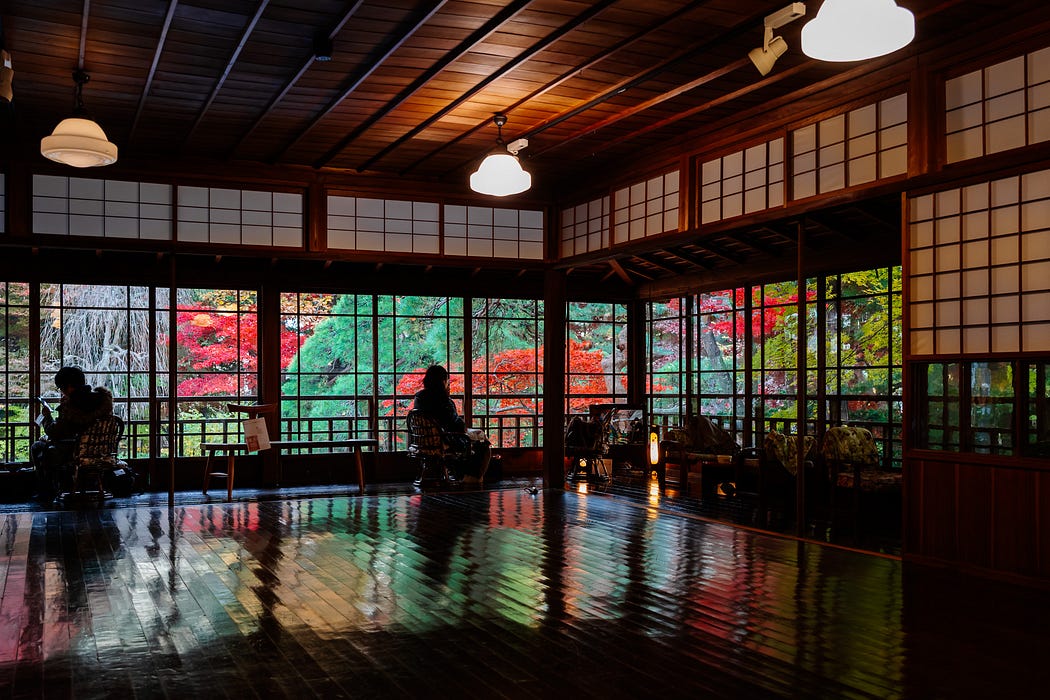
Although the house is a lovely piece of architecture, Nanshoso’s star attraction is its garden, which features a path that meanders around a central pond. In autumn, the brilliant colors of the garden’s foliage attract a steady stream of admirers who come to enjoy tea and sweets near the house’s windows or take photos while wandering through the grounds. Since opening to the public in 2000, over 450,000 visitors have come to experience the peaceful charm of this Morioka landmark.
A trip that began in a premium-class Shinkansen cabin, one of the world’s most convenient and comfortable ways to travel, brought me to Aomori for a refreshing stay at a wellness spa at the northern edge of Honshu, a land of legends, traditions, and some pretty good apples.
Later in Morioka, I experienced the embodiment of Japanese omotenashi hospitality while being served wanko soba, felt the substantial weight of an elegant Nanbu iron teapot, and saw the fiery colors of autumn reflected in the polished floorboards of a stately Meiji estate. Two days in the Great North of Tohoku hardly seems enough, especially when the poet Basho lost himself for months exploring its natural beauty alone. Will I return? The only question is when.
Booking a ticket on JR East’s GranClass
GranClass service is available on several JR East Shinkansen routes, including the Tohoku, Hokuriku, and Joetsu lines. Tickets can be booked conveniently using Welcome Suica Mobile by following the detailed instructions on the JR East GranClass webpage.
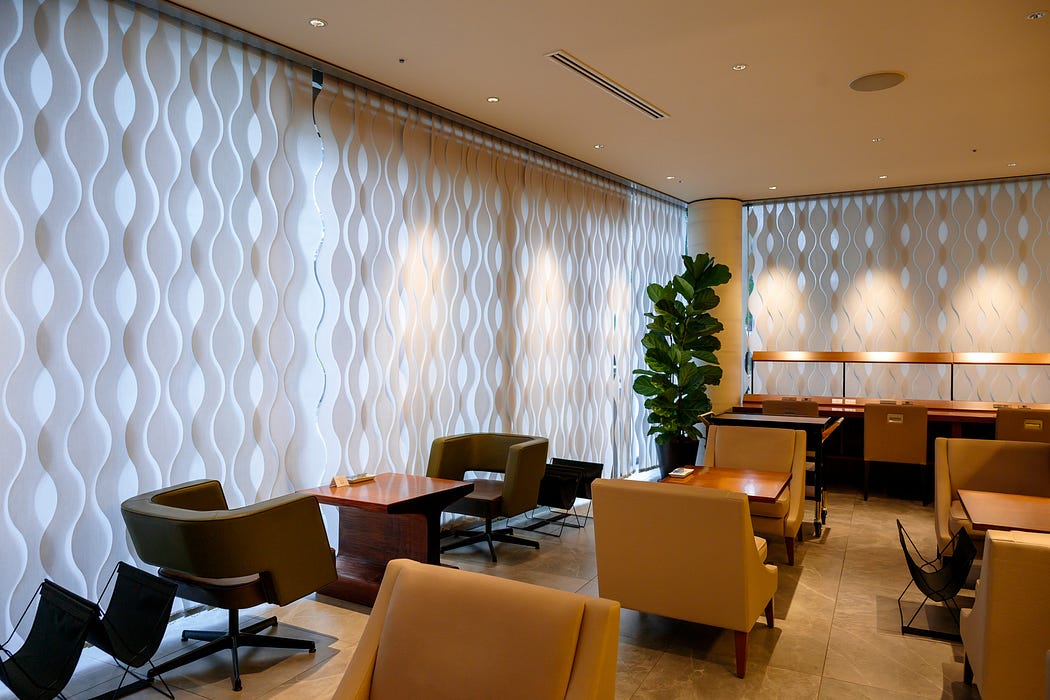
With a GranClass ticket, you can also enjoy the View Gold Lounge in Tokyo Station, similar to a premium airline lounge offering beverages and snacks while you wait for your departure time.
Although the premium cabin is the same on all routes, not every route offers full amenities, such as meals and beverage service. Be sure to check the JR East GranClass website to see what is available on your trip.