
When you receive your purchase at a convenience store in Japan,
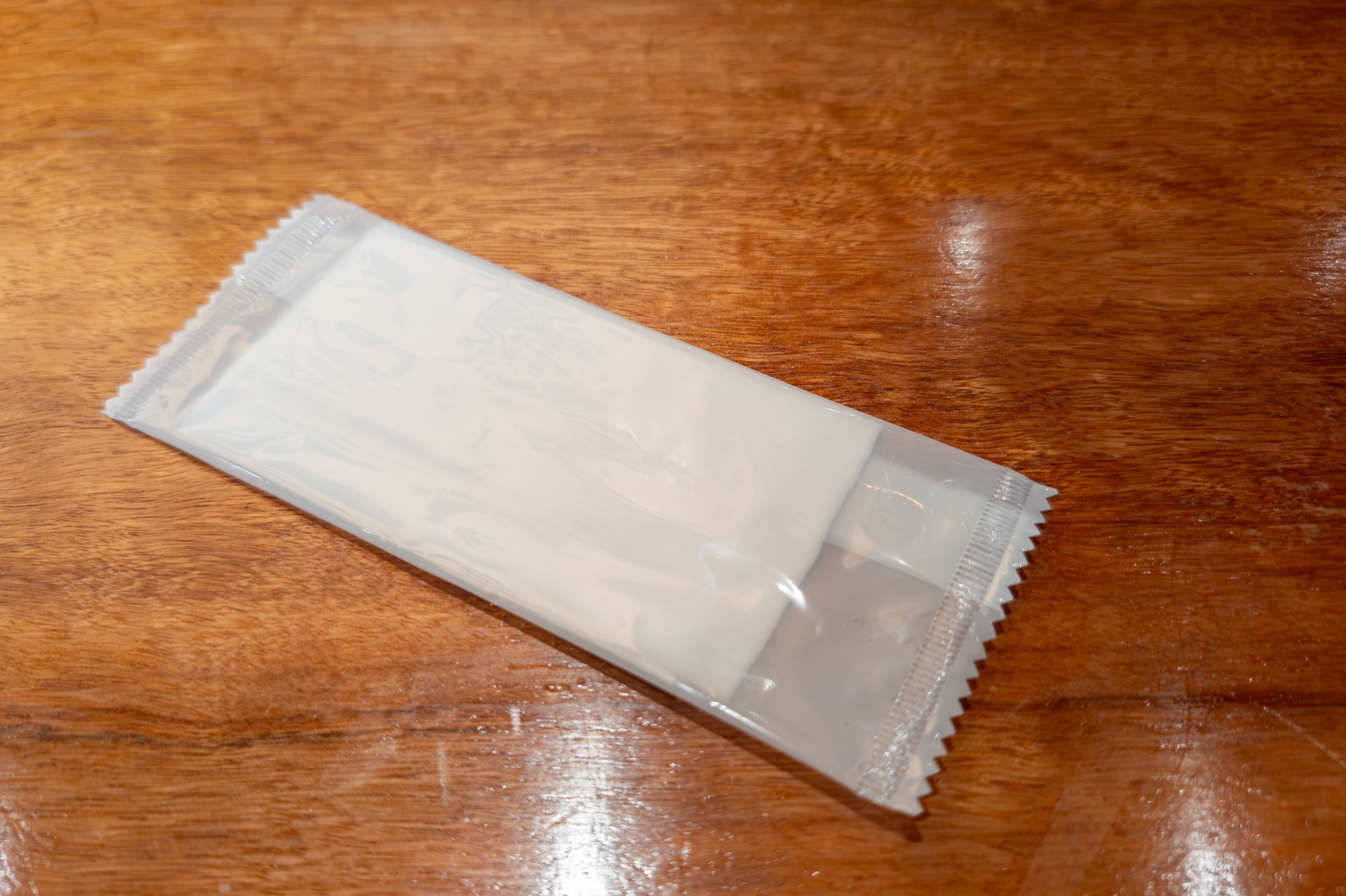
a small white packet is sometimes handed to you along with your change.
Sometimes the clerk says it briefly.
Sometimes nothing is said at all, and it is simply placed inside the bag — a small, wet towel wrapped in plastic.
For a long time, I never thought of it as anything special.
It was simply there.
If you buy a rice ball or a sandwich, you wipe your hands.
If it’s something oily, even more so.
Wiping your hands before eating has become almost automatic.
It is free, and you do not have to ask for it.
No one seems surprised by it.
Only recently did I begin to wonder:
Is this really such an ordinary scene everywhere?
I asked a friend who grew up overseas.
“When you first came to Japan, did you find it surprising that convenience stores or cafes give you a wet towel?”
He thought for a moment and said:
“Yes, it was surprising. It’s not as common.”
Not nonexistent.
Just not common.
That small difference lingered with me.
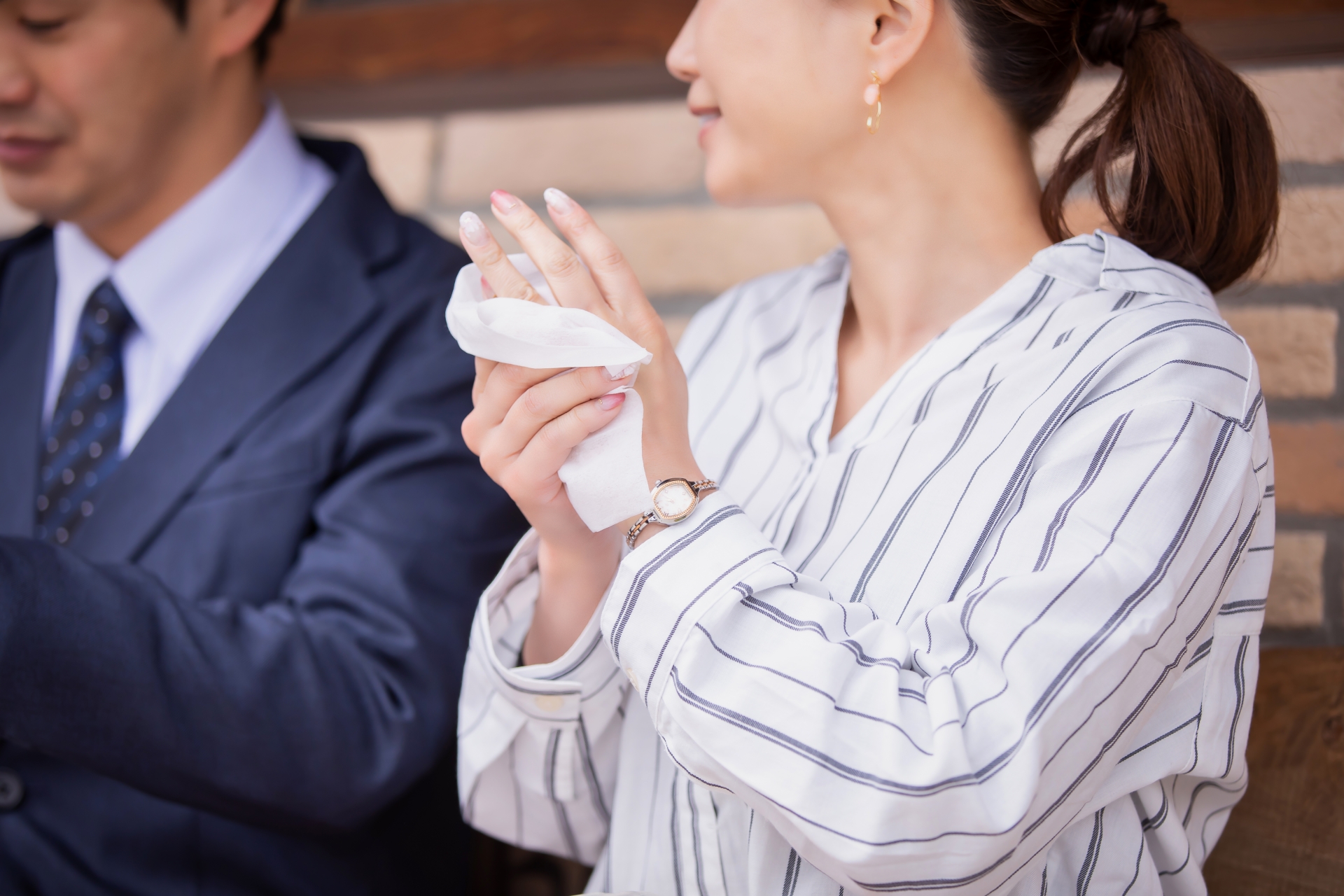
In Japan, wiping your hands before eating is almost assumed. No one forces it.
Yet the feeling is quietly shared.
Elsewhere, napkins may be provided as well.
But in many cases, they are there for when something has already happened.
You wipe your hands after they become dirty.
You wipe when something spills.
You respond to what has occurred.
An oshibori in Japan is slightly different.
It is offered before you begin eating.
Before anything has happened, you prepare your hands.
Neither way is better.
The difference lies only in timing.
One comes after.
The other comes before.
That subtle distinction quietly outlines a cultural rhythm.
This feeling becomes even more natural in a traditional cafe.
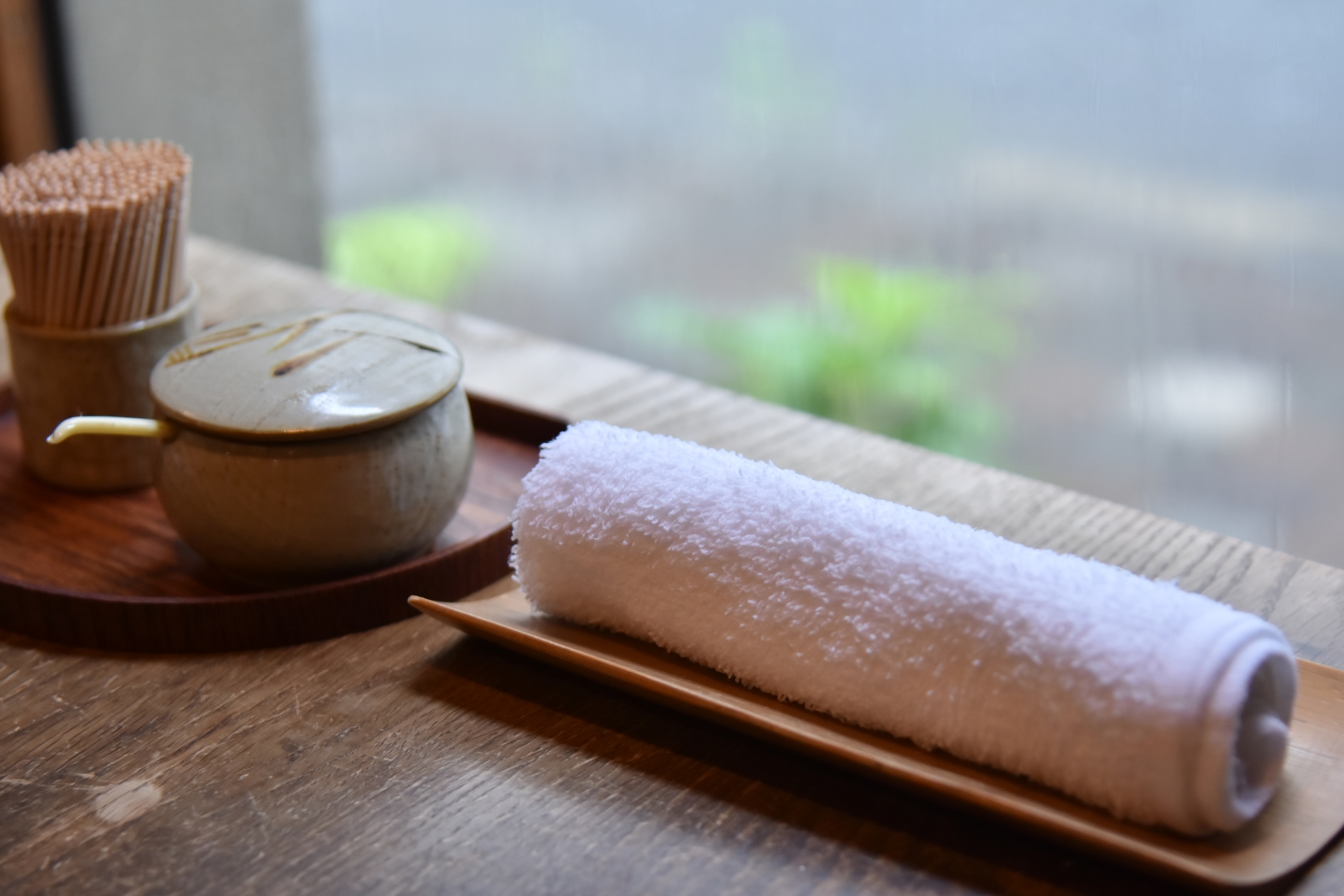
When you take your seat, water and an oshibori are placed before you. In summer, the towel is cool.
In winter, it is warm.
It arrives before the coffee you ordered.
Before the drink, there is a moment to prepare.
It feels less like an extra service
and more like a quiet preparation for entering the space.
In Japan, you remove your shoes before stepping into a home. At a shrine, you rinse your hands before approaching the main hall. Before a meal, you wipe your hands.
There is a habit of preparing before entering.
The wet towel at a convenience store may be part of that same pattern.
It is unobtrusive.
It is rarely explained.
Yet it carries the quiet assumption that cleanliness is shared.
For me, it was something I had accepted without question for many years. For someone else, it was a quiet surprise.
Perhaps these unnoticed assumptions — these small preparations — form part of the deeper layers of everyday life in Japan.