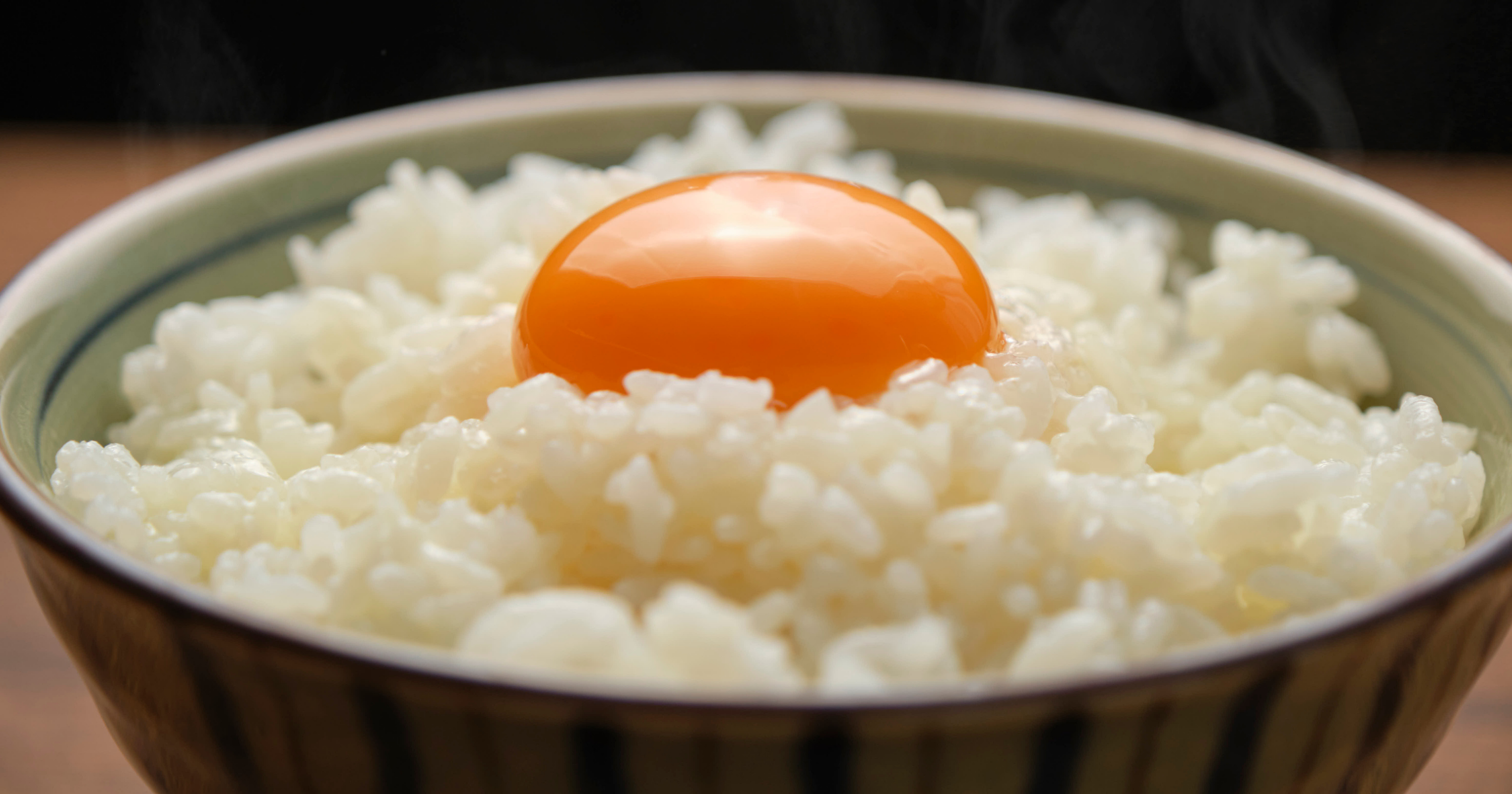
The kitchen is quiet in the morning. When I lift the lid of the rice cooker, steam rises softly. I scoop freshly cooked rice into a bowl and crack an egg over it.
The sound of the shell breaking is quieter than you might expect. The yolk and white fall onto the rice without hesitation. I add just a little soy sauce.
As I mix with my chopsticks, the white rice slowly turns a pale shade of yellow.
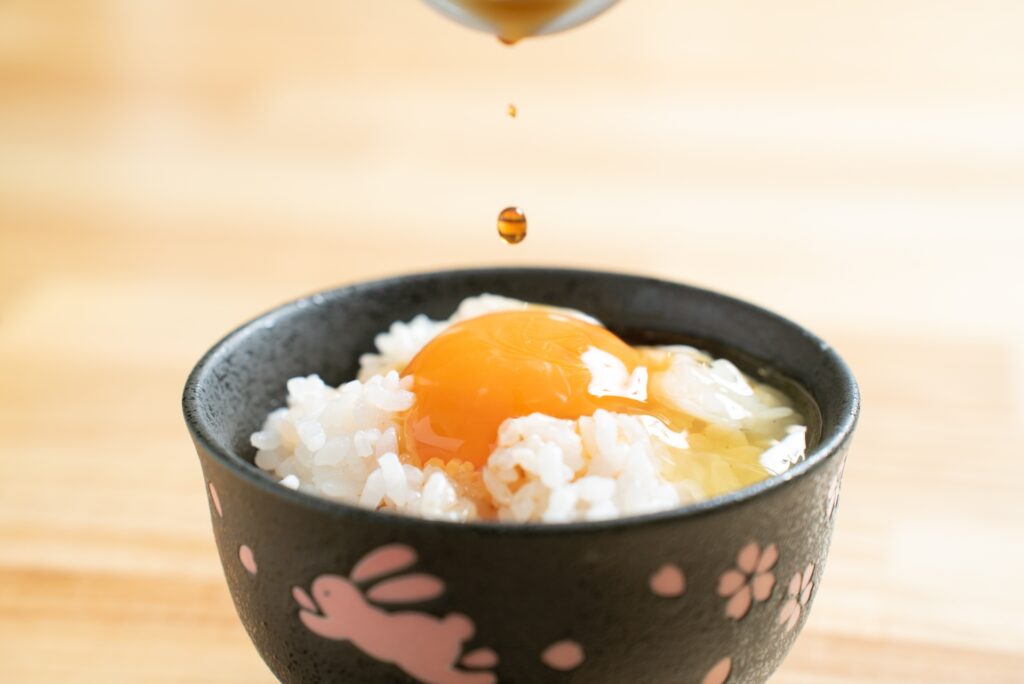
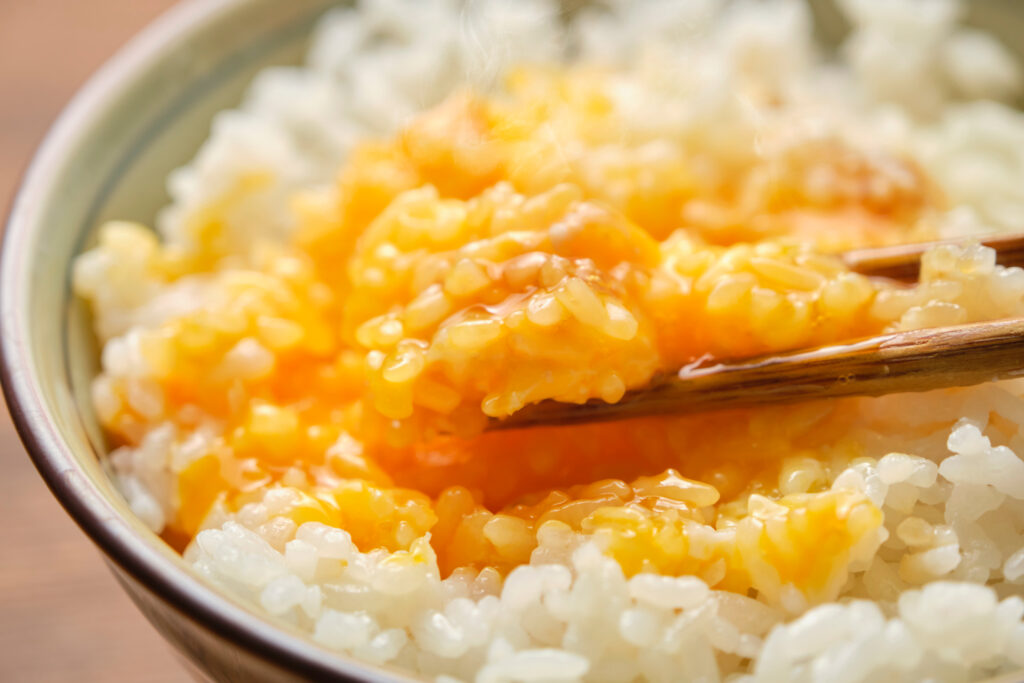
In Japan, this is eaten without a second thought. Tamago kake gohan—rice with a raw egg. It isn’t a special dish. Calling it “cooking” almost feels like an exaggeration.
And yet, when I mention this to people from overseas, they are often surprised. “You eat raw eggs?”
In many countries, raw eggs are something to avoid. They are considered unsafe, a potential risk for salmonella. In fact, there are very few places outside Japan where eating raw eggs is common.
Still, in Japan, people grow up cracking raw eggs over rice. It’s part of daily life.
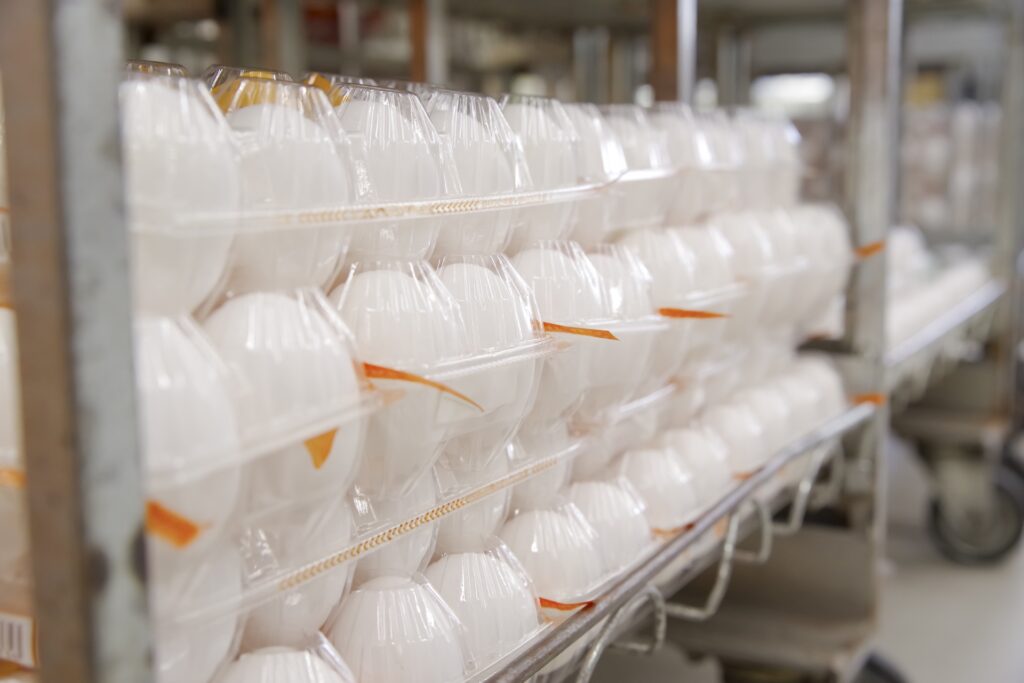
One reason lies in how eggs are handled here. Japanese eggs are produced and distributed with raw consumption in mind. They are washed, sanitized, temperature-controlled, and labeled with clear expiration dates.
But that alone doesn’t fully explain it.
There is also a more intuitive reason.
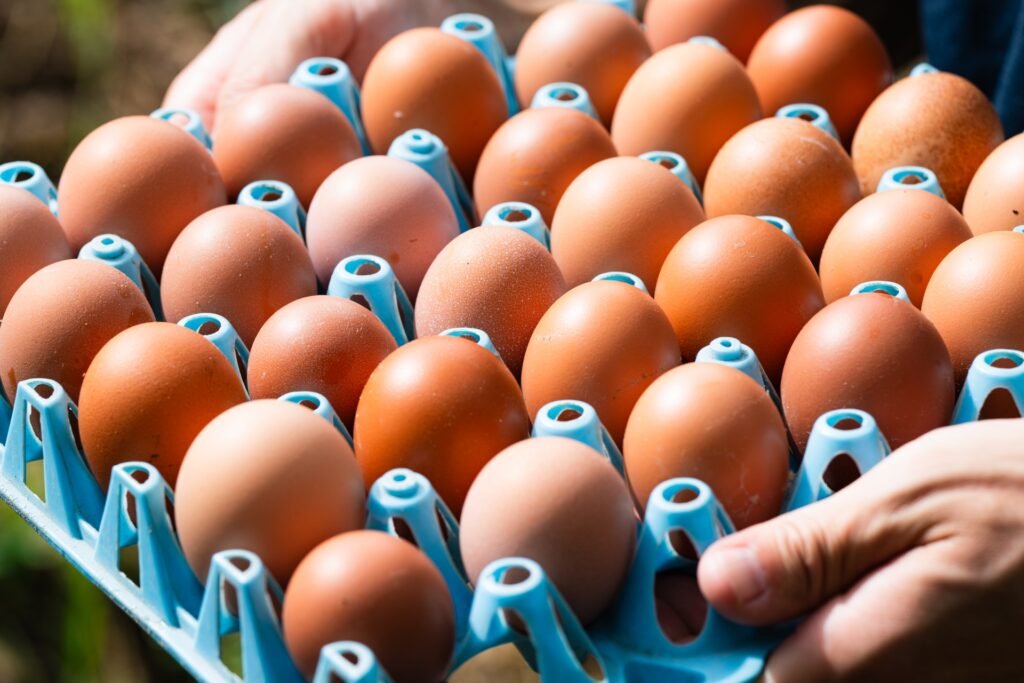
For Japanese people, tamago kake gohan is not something eaten because it is safe, but something eaten because it is trusted.
It reflects trust in the food itself, and trust in the people who produced it, transported it, and placed it on the shelf.
That is why there is no hesitation at the moment the shell is cracked. Think, for a moment, about sukiyaki.
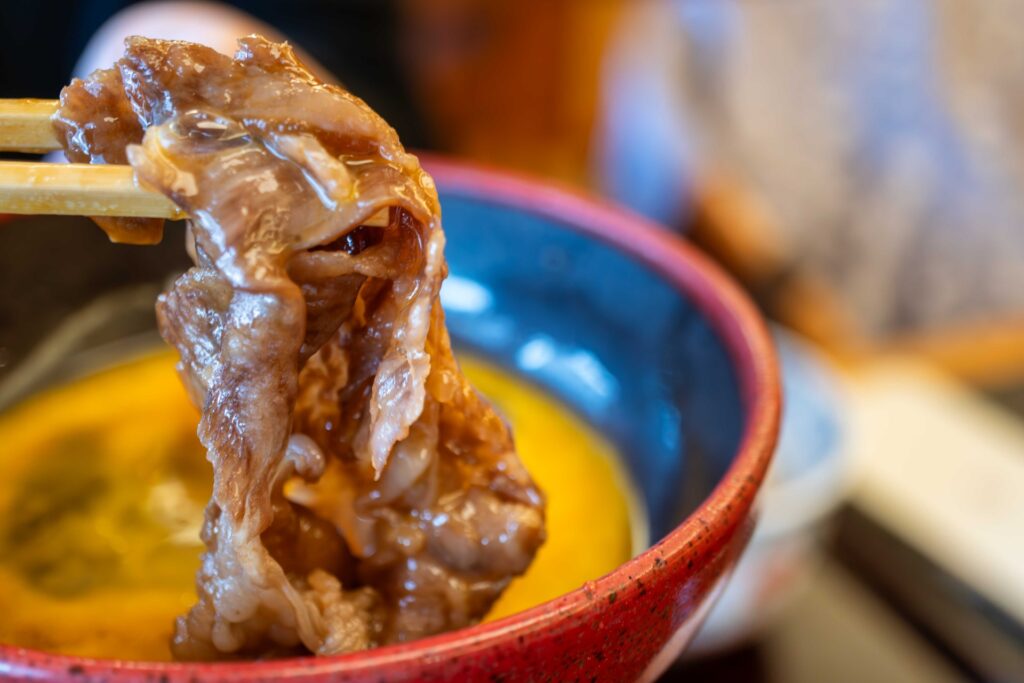
Thin slices of beef are simmered in a sweet soy-based broth, then dipped into raw beaten egg before eating.
Many visitors to Japan hesitate the first time they see this. “Is it really okay to eat that?”
But after one bite, their expression often changes. The egg softens the heat, rounds out the flavor, and creates a surprising richness.
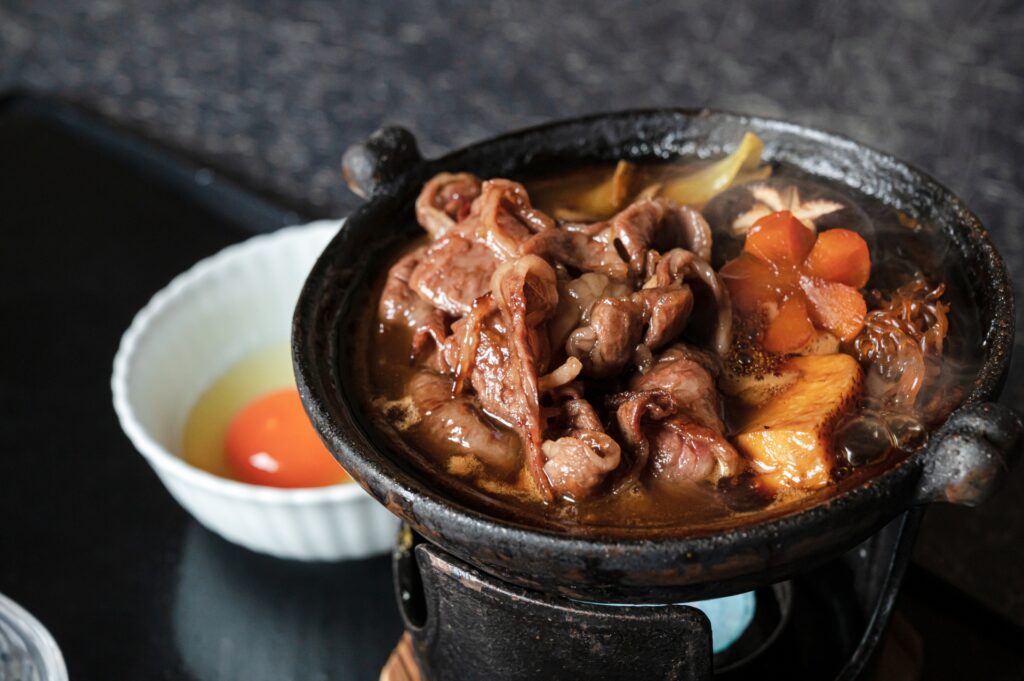
Eggs rarely take center stage on the Japanese table. Instead, they stay close by—supporting, balancing, and completing a dish.
Tamago kake gohan is the same.
On busy mornings. After a long day. When you don’t have the energy to think. As long as there is rice and an egg, a meal is possible.
It sits far from anything luxurious, yet it offers a quiet sense of comfort.
The reason Japanese people eat raw eggs cannot be explained by systems or culture alone.
It is the accumulation of a small, everyday feeling of “this is okay.” A trust built so deeply that doubt never enters the motion.
Crack the egg. Drop it onto the rice. Mix, and eat.
Within those simple actions lies a quiet aspect of Japanese food culture.