
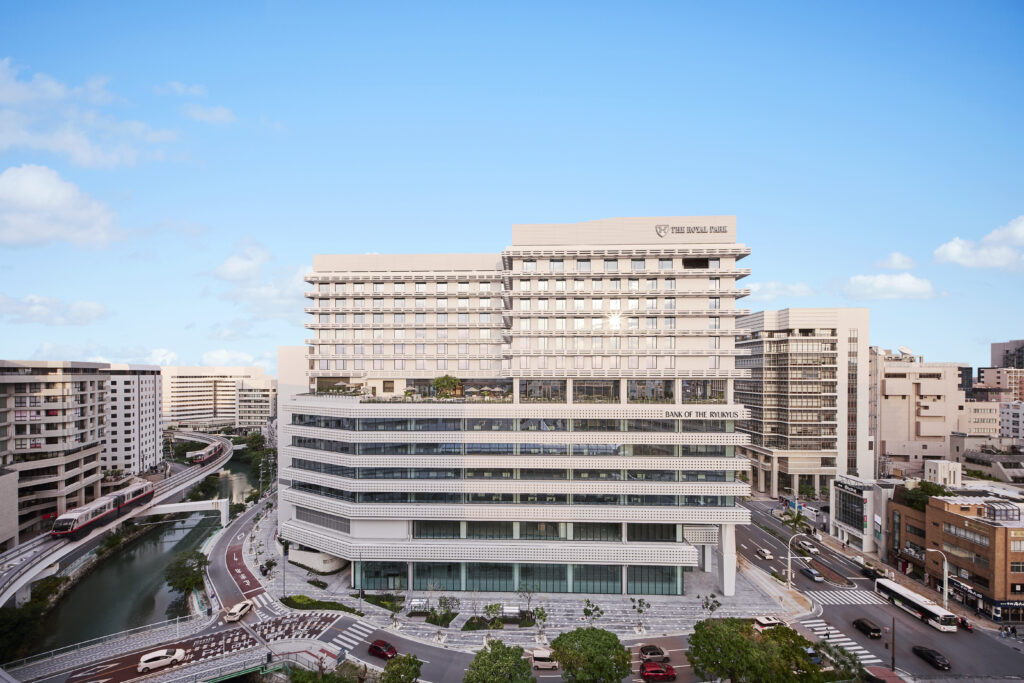
When I think of Okinawa, it’s the turquoise water, white beaches, marine activities and island hopping that usually come to mind. This time, however, I wanted to explore Okinawa’s urban side. As the largest city in Okinawa and the prefectural capital, Naha provides a window into the rich heritage of the Ryukyu Kingdom, which once ruled the region. Opened in January 2026, The Royal Park Hotel Iconic Naha proved to be an ideal base, combining contemporary comfort with thoughtfully curated touches of Okinawan art, history and culture.
A relaxed stay in the heart of Naha
The hotel is easily accessible from Naha Airport by monorail and is just a couple of minutes on foot from Kencho-mae Station, with Kokusai-dori nearby, making it easy to head out for a walk, a meal or some retail therapy. The hotel sits atop the Ryukyus Bank head office building, with the lobby on the 7th floor.
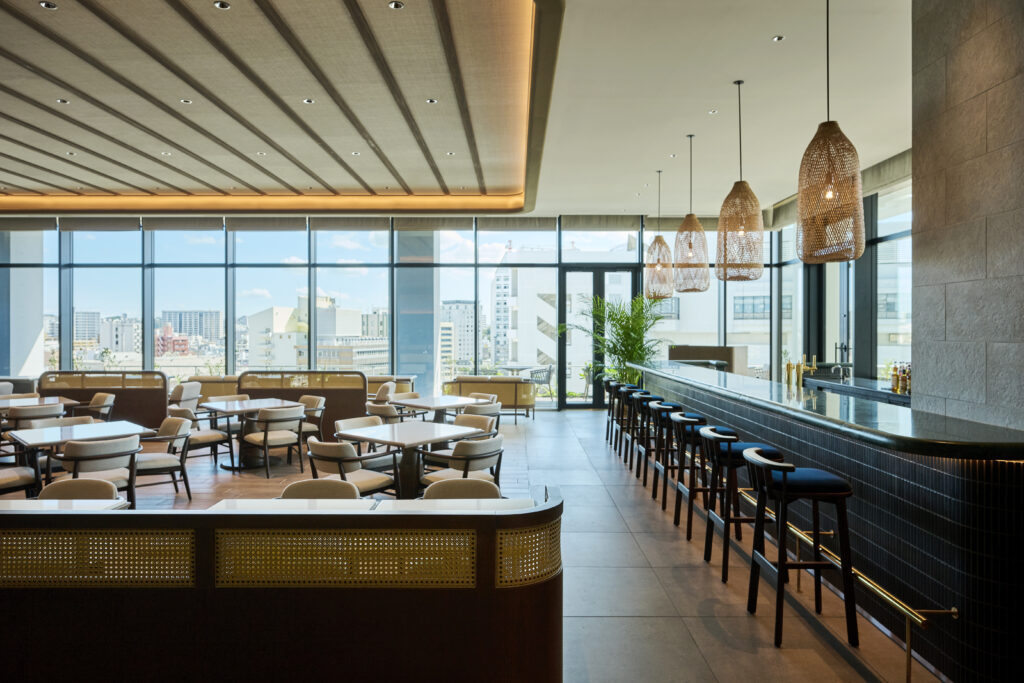
I took breakfast at The 7th Terrace Ryukyu, the hotel’s all-day dining restaurant. The extensive and colorful buffet showcases Okinawan flavors, including dishes such as ninjin shiri-shiri, goya champuru and yushi-tofu, alongside a charcuterie spread, salad bar and other familiar buffet dishes. Guests can also enjoy made-to-order omelets and eggs Benedict, and a taco bar adds a playful touch. And if you have a sweet tooth like me, you can even get dessert for breakfast with scoops of local favorite Blue Seal ice cream!
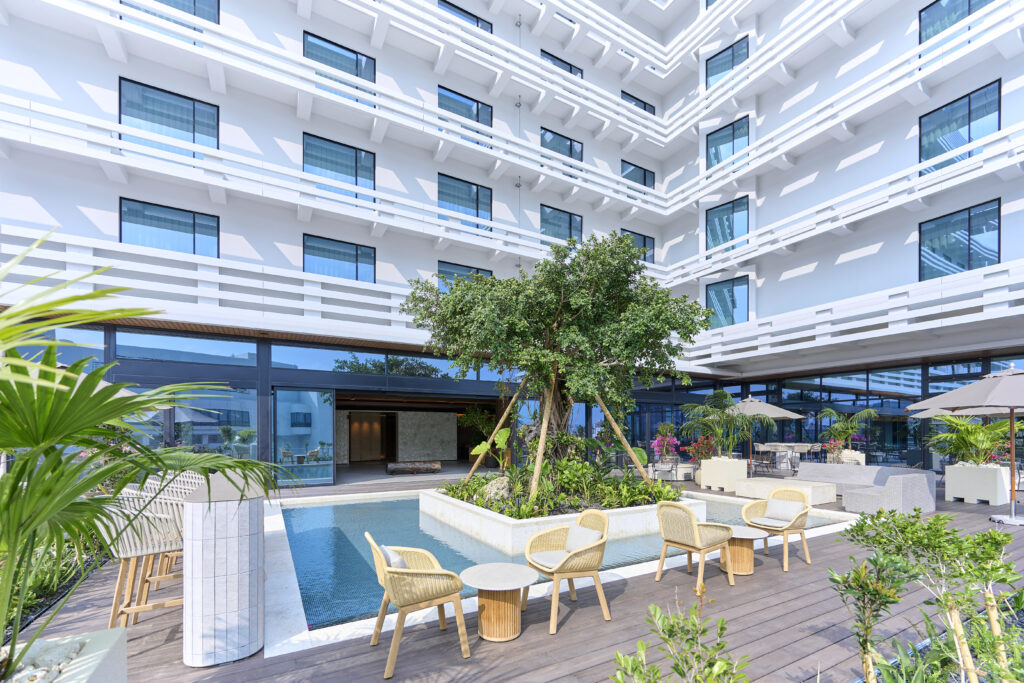
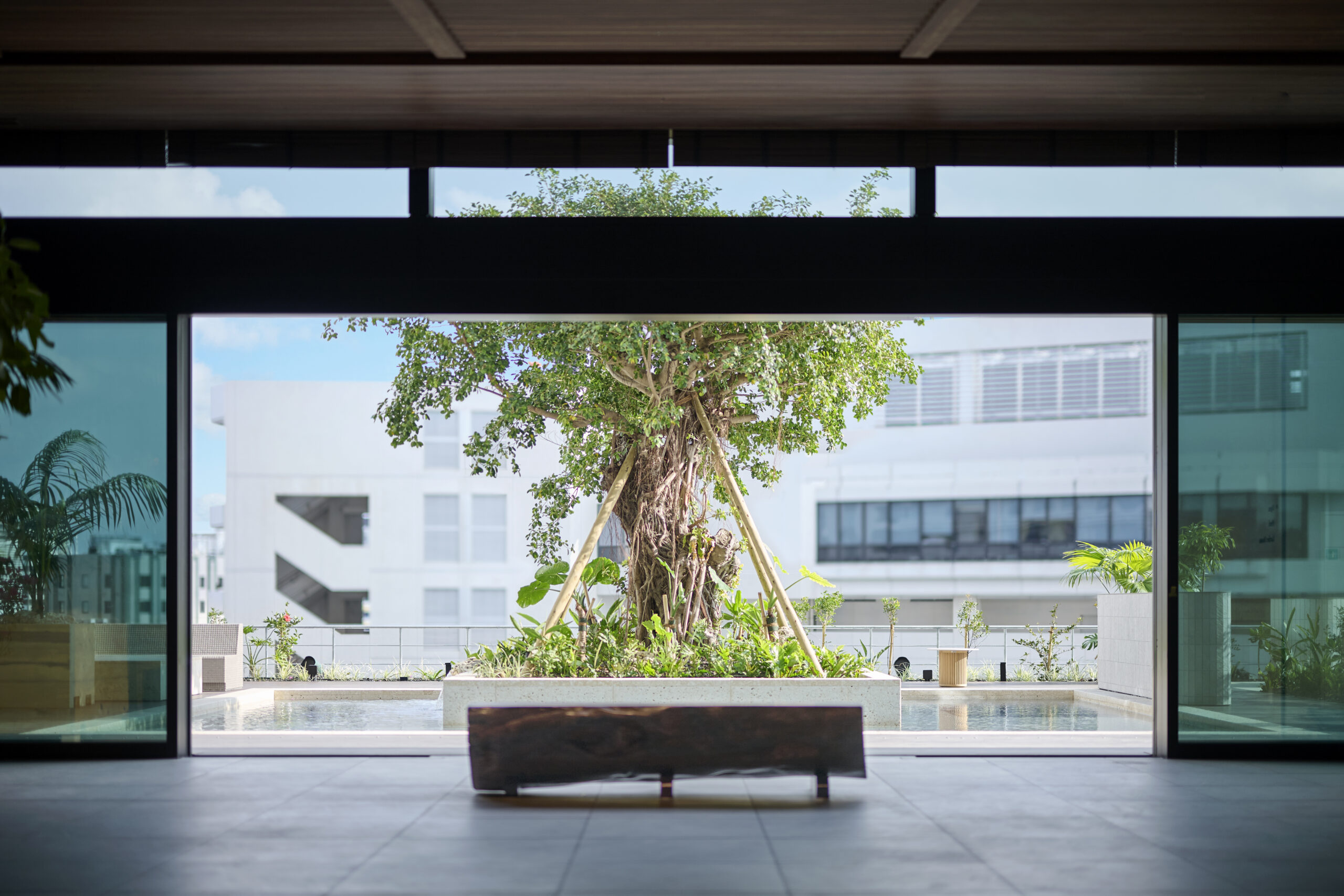
The terrace area, featuring a small pool surrounded by greenery, is a great spot to unwind and offers a welcome retreat in the middle of the city. There are guest laundry facilities and a gym, adding to the appeal and practicality for leisure and business travelers alike.
A contemporary take on Ryukyu design
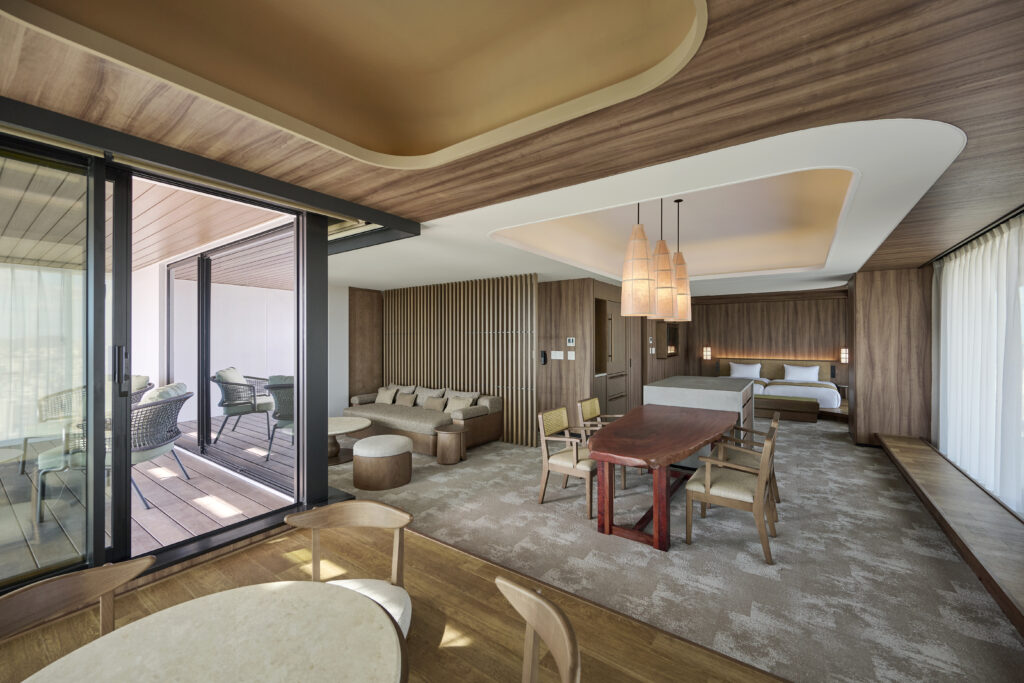
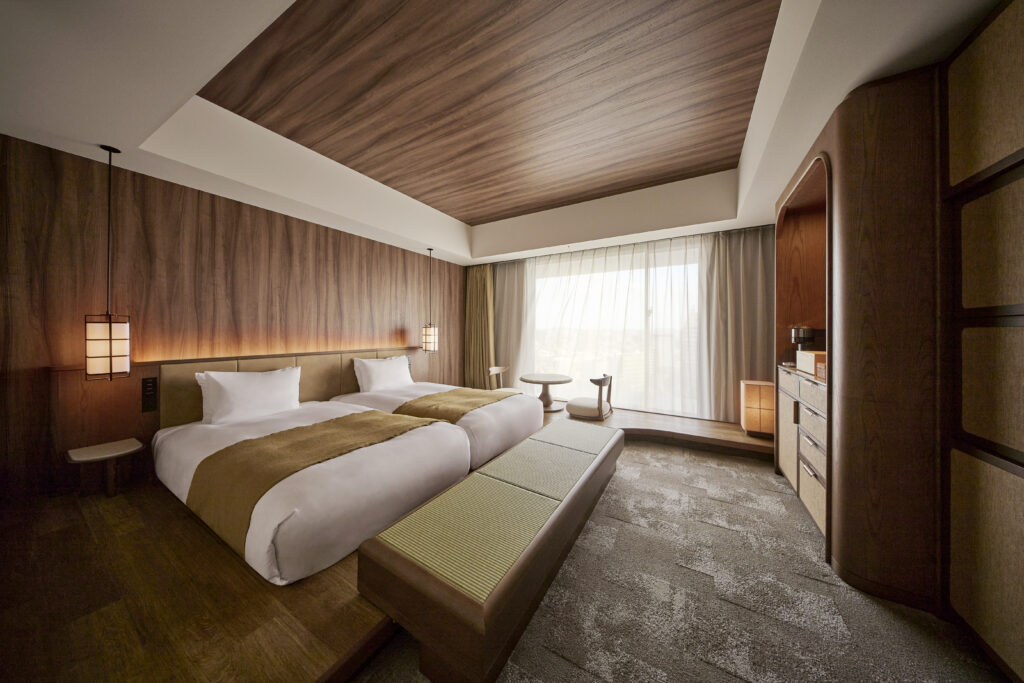
The hotel’s concept of being “nurtured by the Ryukyu Islands” comes through in its design. In Okinawan architecture, amahaji refers to the extended eaves that create a transitional area between the interior of a building and the outdoors. These spaces were designed to protect homes from Okinawa’s strong sun, heavy rain and humid climate, while also allowing natural airflow. Amahaji inspired the layout of the guestrooms on the standard floors, blurring the boundaries between indoors and outdoors and creating a sense of harmony with nature.
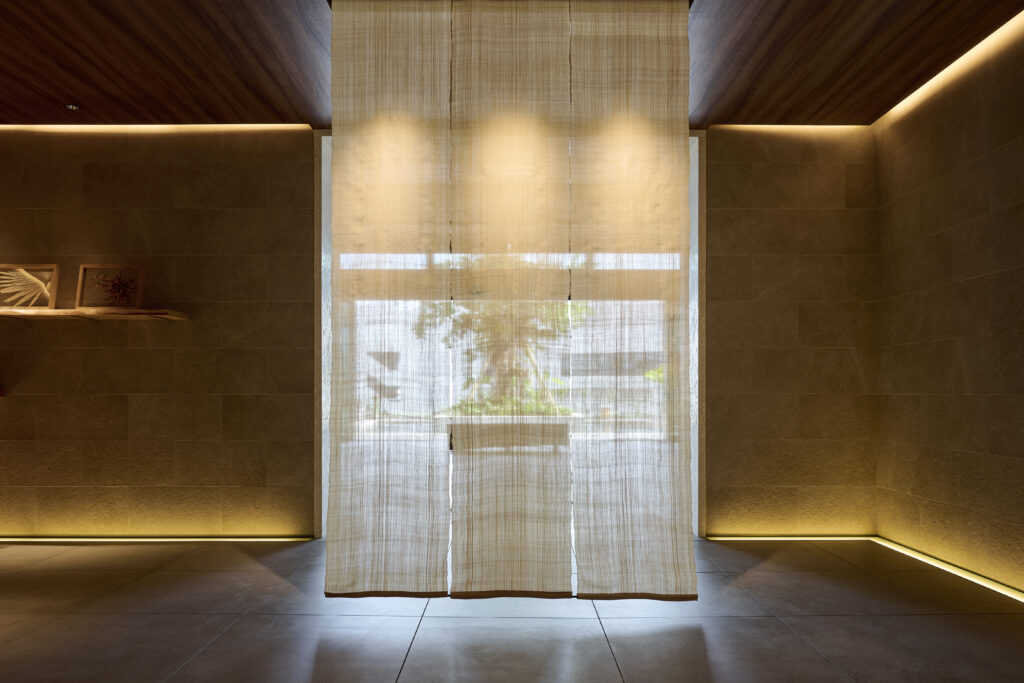
The Royal Park Hotel Iconic Naha also places emphasis on local materials and craftsmanship. In the lobby, for example, wall panels and decorative columns are covered with traditional handcrafted paper made from banana plant fibers, and benches in the public spaces are carved from akagi (bishop wood) trees. Back in my guest room, banana paper lampshades cast a soft glow as I relaxed and sipped tea from an Okinawan pottery cup.
The hotel has made efforts toward sustainability, with eco-conscious room amenities and biodegradable straws. This care even extends to the materials in a particularly meaningful way: on the 7th floor, behind the reception desk, is a wall made from powdered roof tiles recovered from Shuri Castle following a huge fire in 2019. Special permission was obtained to use these materials, linking environmental awareness with cultural continuity.
Exploring Naha’s culture and history
The Royal Park Hotel Iconic Naha makes a great base for exploring. A walk along nearby Kokusai-dori is one of the best ways to experience the atmosphere of the city center, with everything from traditional Okinawan snack shops and souvenir stores to cafés and street performances along this busy thoroughfare.
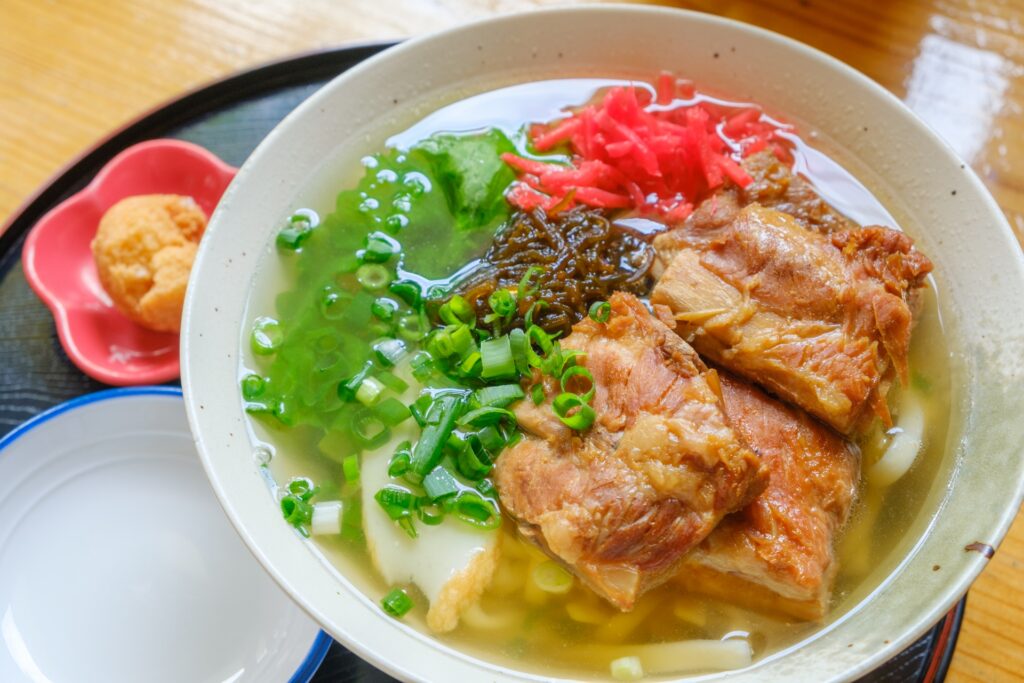
For more eating options, check out Makishi Public Market, which is often called “the kitchen of Okinawa” for its fresh seafood, Okinawan pork, produce and regional specialties. Established in the years after World War II, it remains one of the best places to experience Okinawan food culture and everyday life.
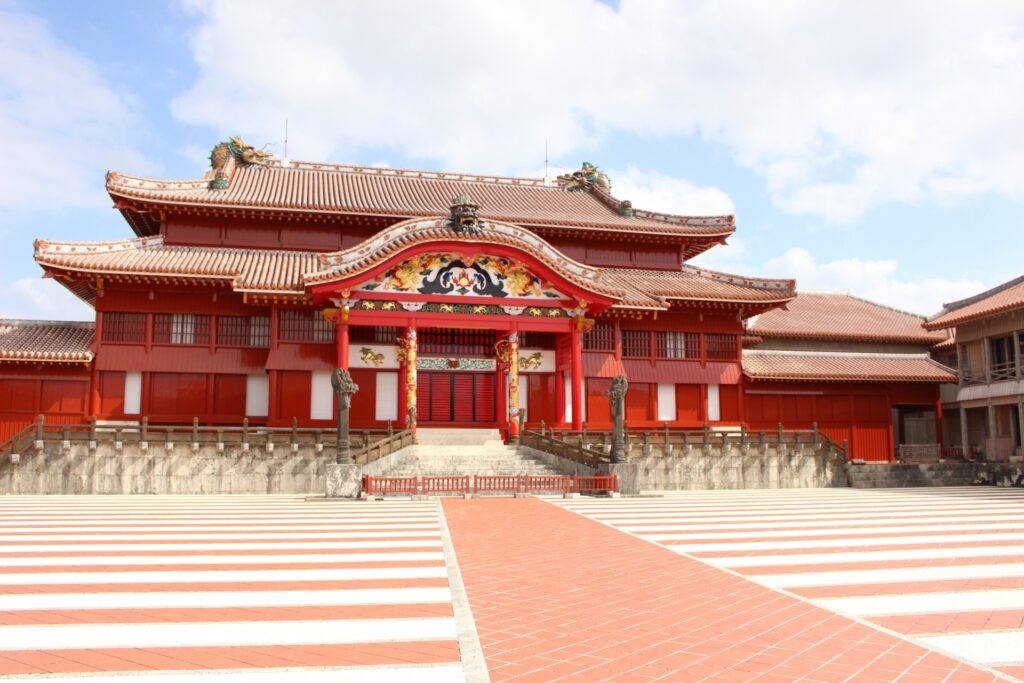
And don’t miss Shuri Castle, the former seat of the Ryukyu Kingdom and the political and cultural heart of Okinawa for more than 450 years. Known for its bright red lacquer, distinctive tiled roofs and Chinese-influenced architecture, the UNESCO-listed site has also become a symbol of Okinawan resilience. The extensive and meticulous restoration work following the 2019 fire is slated to end in autumn 2026.
The Okinawa Prefectural Museum & Art Museum is a multi-purpose complex that offers something for every interest. The museum covers a wide range of fields, including geology, biology, anthropology, archaeology, history, folklore and traditional arts and crafts. Meanwhile, the art museum showcases contemporary works inspired by Okinawa’s rich heritage across a variety of media.
For me, staying at The Royal Park Hotel Iconic Naha offered more than just comfort and convenience—it gave me a greater appreciation for Okinawa’s history, culture and sense of place.
— Accommodation was provided courtesy of the Royal Park Hotel Iconic Naha