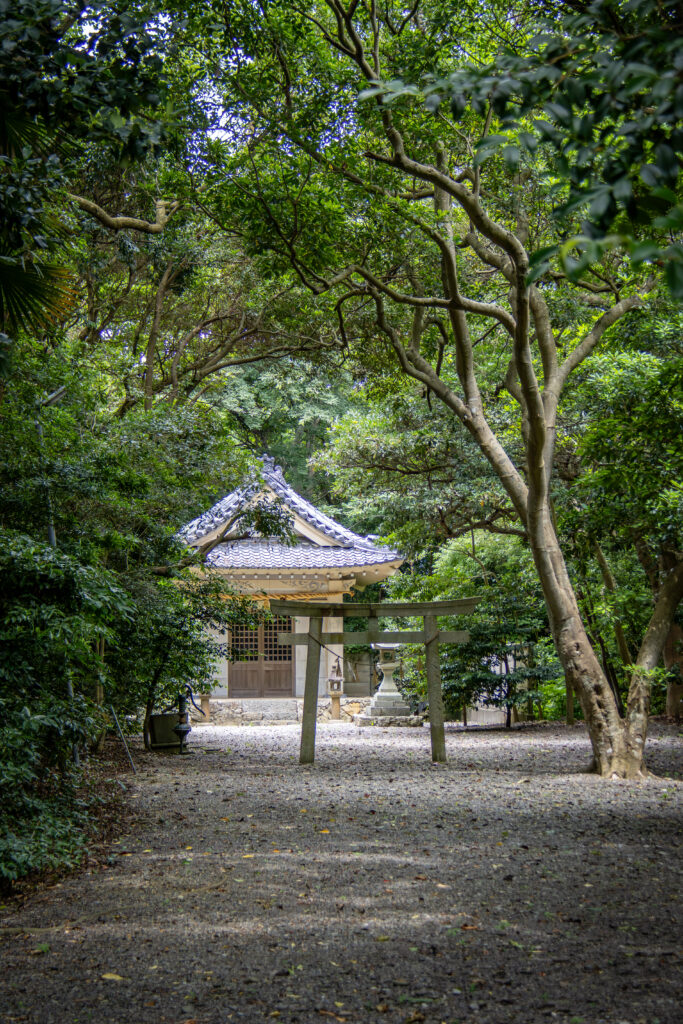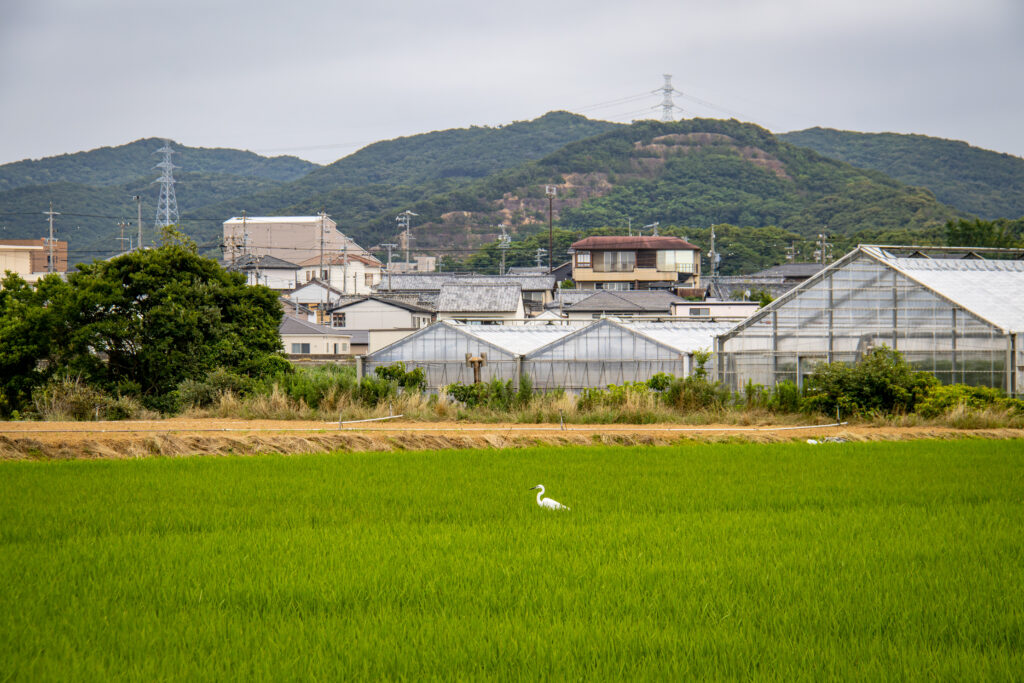
There is a particular kind of jet lag that has nothing to do with time zones. It happens when a place moves at a different speed than the life you just stepped out of, and your body needs a day or two to catch up. I felt it the moment I arrived at Kakujoro, in Tahara City on Aichi’s Atsumi Peninsula.
Three articles have already been written about this nearly 100-year-old ryokan for Deep Japan: its uncanny, time-slipped atmosphere, its surprisingly thoughtful vegan kaiseki, and the quiet poetry behind the names given to its guest rooms. I had read all three before I arrived, and each one was true to what I found.
The counter, and the man who fills it
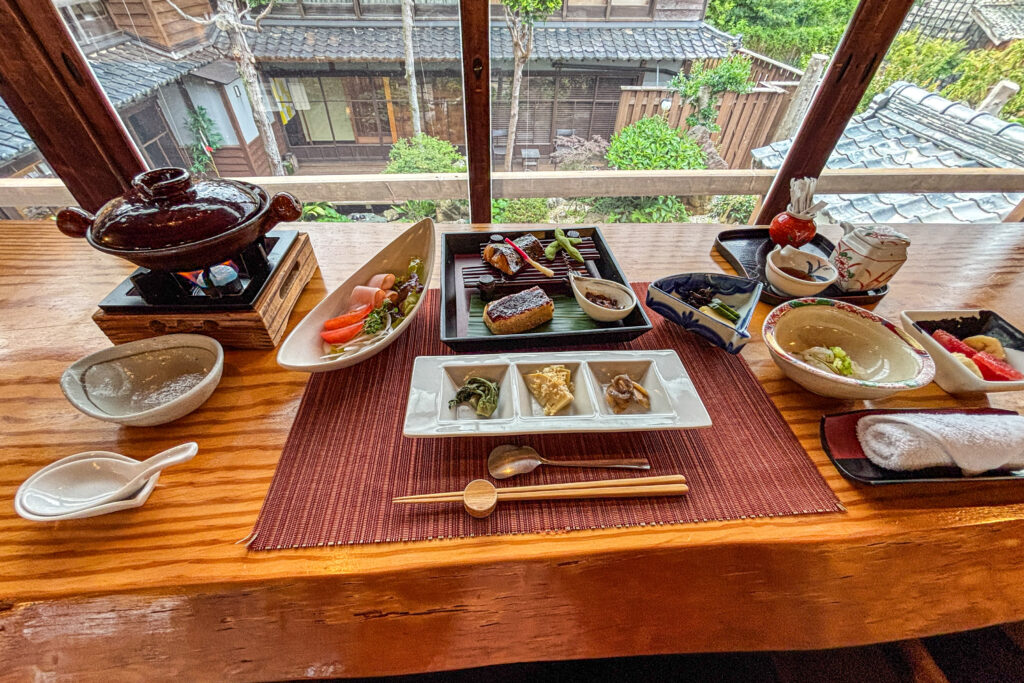
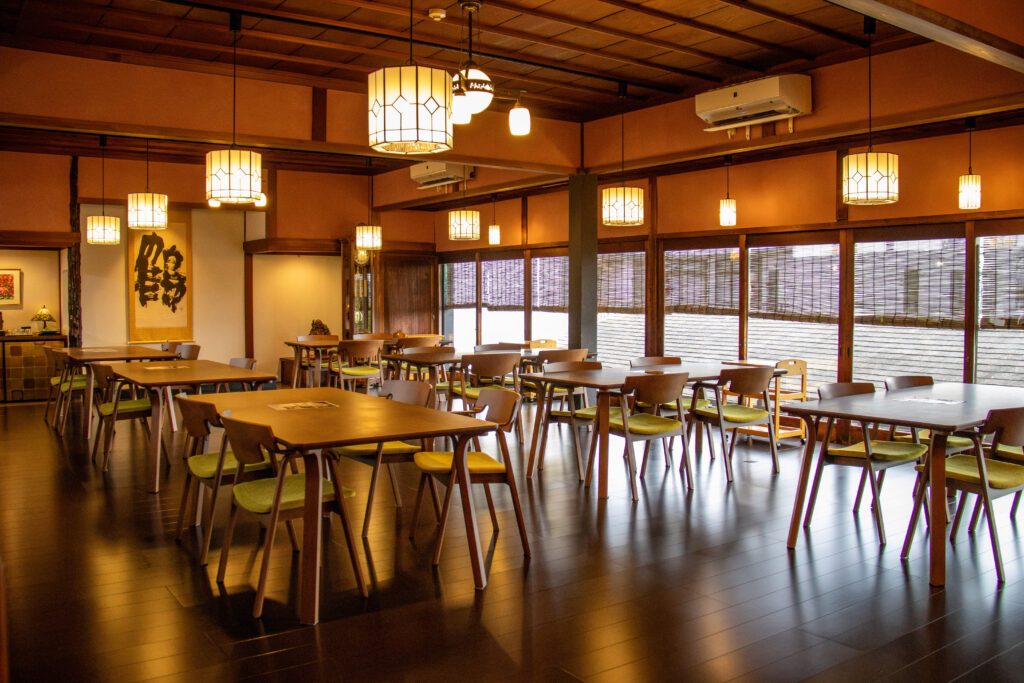
Kakujoro’s restaurant occupies a wing built in pure Japanese style, where soft lighting and dark wood frame a long counter facing a small interior courtyard. It is the kind of seat that turns dinner into something closer to theater, except the stage is a garden and the performance is whatever the kitchen decides the sea has offered that day.
The inn’s owner still goes in person to the fish market in nearby Irago every morning to select what will end up on that counter by evening. In an industry where sourcing is so often outsourced and standardized, there was something almost stubborn about it, and it changed how I ate. Each dish stopped being simply “fresh” in the generic, menu-language sense and became the result of one person’s morning decisions: which fish looked right that day, which vegetables were worth carrying home.
Over the course of my two evenings, that decision-making translated into kaiseki courses built around the Atsumi Peninsula’s calendar, natural torafugu blowfish in several forms (a delicate sashimi-thin tsukuri, a lightly seared cut served over local daikon, and finally a rich rice porridge made from the simmering broth), alongside seasonal touches like cured shrimp, simmered octopus, and a hot pot of local pork raised without antibiotics on the peninsula. The torafugu, in particular, justified its reputation. The seared version, eaten warm off the grill with its faint smoky edge, was delicious.
What I appreciated as much as the food itself was the rhythm of it. Kaiseki, done properly, refuses to be rushed, and the staff seemed to understand that the point of the counter was not efficient service but a kind of company. Between courses, there was time to look up, watch the courtyard light shift, and talk with whoever was plating the next dish.
Soaking in something older than the building
The inn draws on the Irago hot spring, and its rotenburo, the open-air bath on the upper floor of the Unjoro wing, looks out over the peninsula’s hills with nothing but steam and birdsong in between.
I went twice, once at dusk, when the sky over Atsumi turned the color of weak tea, and once early the next morning, half-asleep. Both times, the water did the same thing: it dissolved whatever urgency I had carried in from Tokyo. There is a reason ryokan culture treats bathing as a ritual, and a hot spring this unhurried makes the argument better than any brochure could.
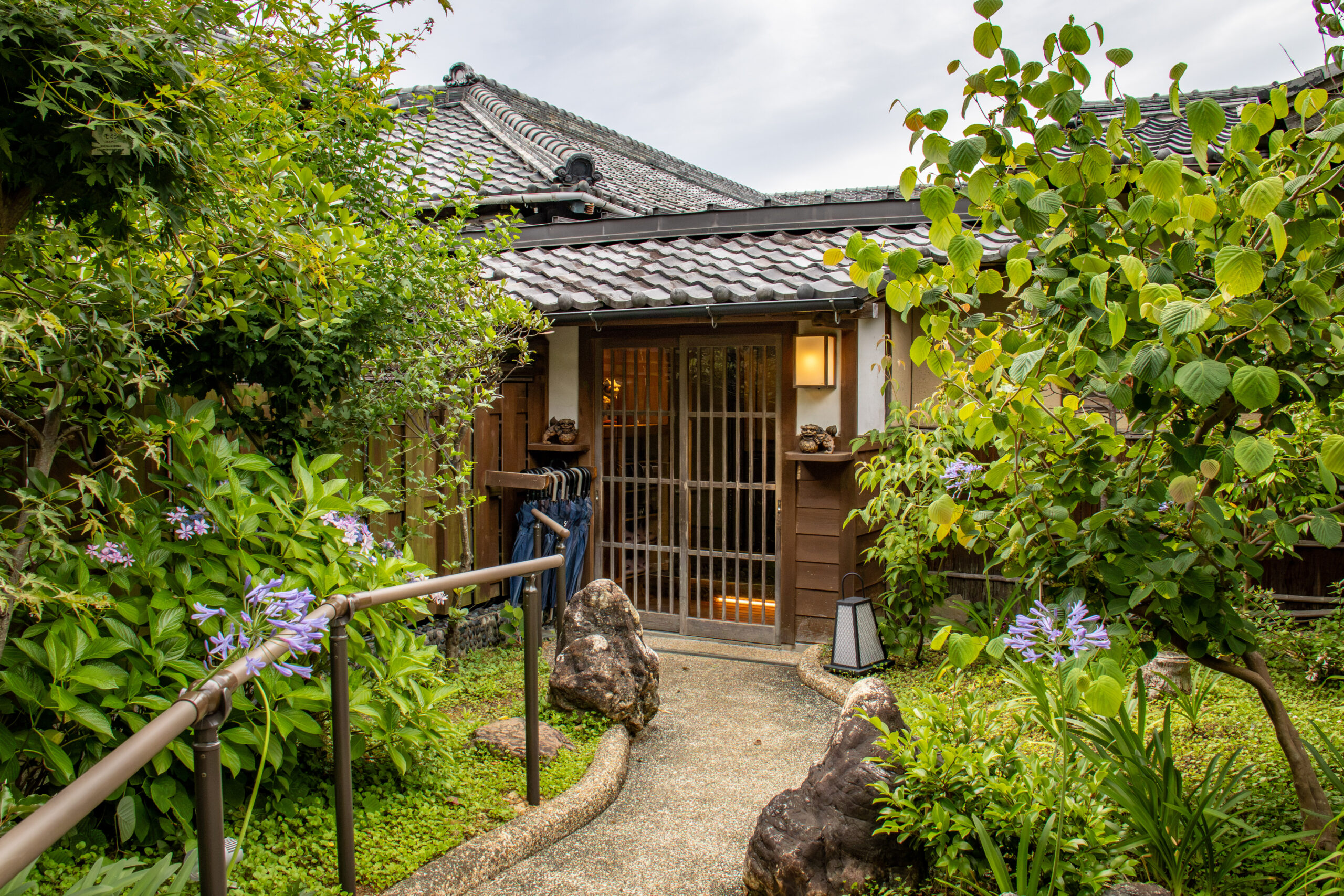
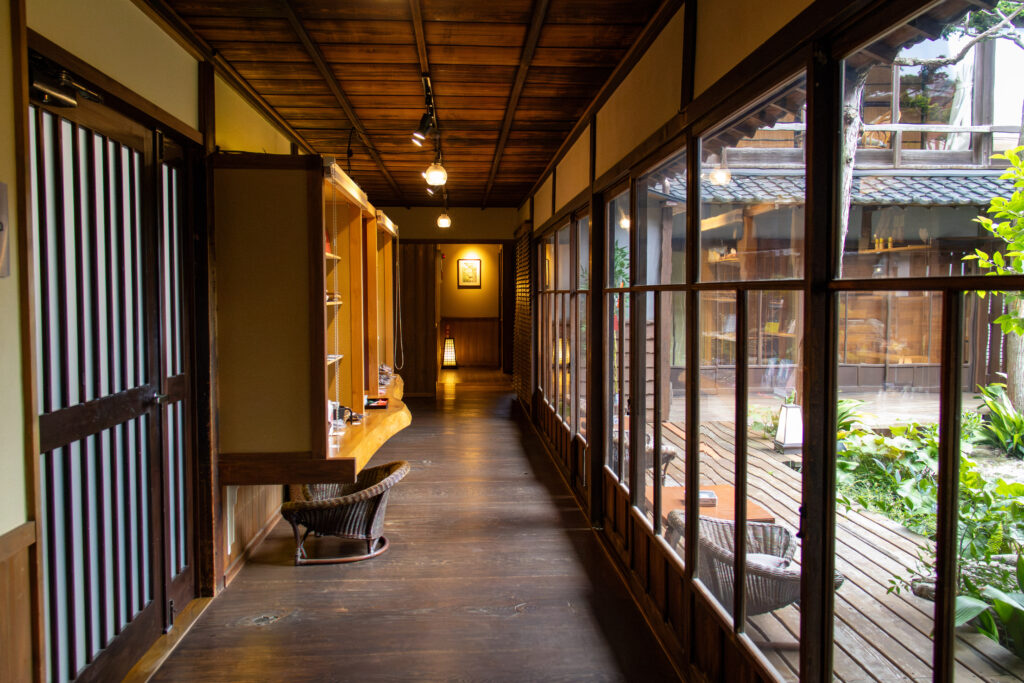
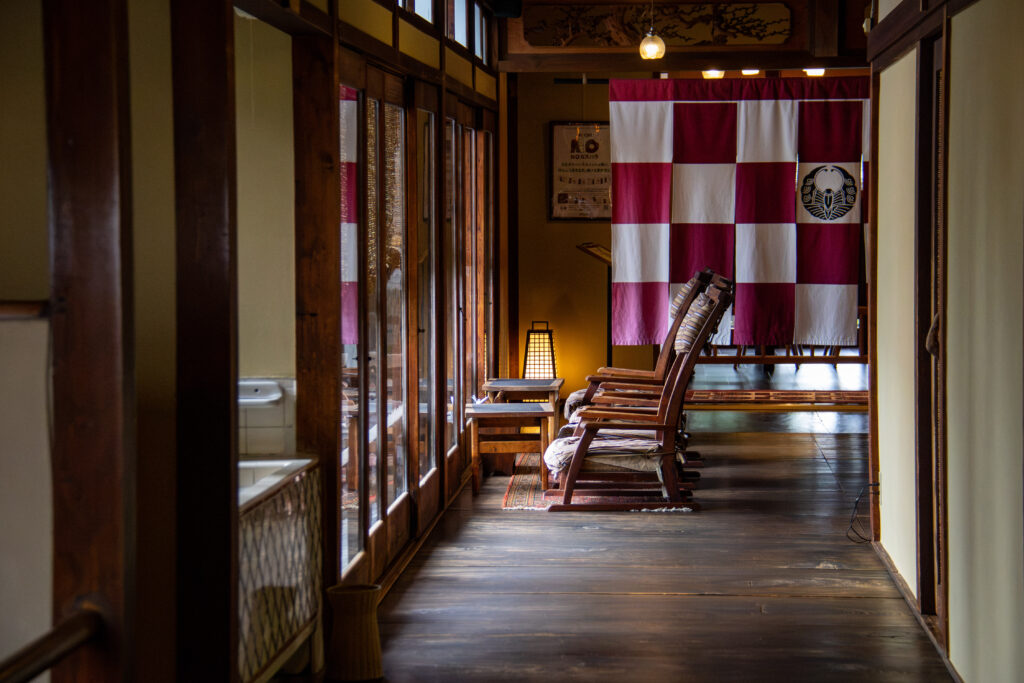
Kakujoro spreads across three structures: the original 1929 Honkan, the maisonette-style Suijoro, and Unjoro with its private open-air baths, set within roughly 3,000 square meters of grounds. I’d read about the building’s status as a registered Tangible Cultural Property before I arrived, and I half-expected the kind of reverent, look-but-don’t-touch atmosphere that label sometimes implies. It isn’t that. The wood floors are worn in places, the sliding doors stick slightly, all the small imperfections of a place that has been genuinely lived in for nearly a century.
That distinction mattered to me. Plenty of historic inns in Japan have been beautifully restored into something closer to a museum exhibit of itself. Kakujoro, by contrast, still functions exactly as it was built to, as a working restaurant and bathhouse first, with the history simply accumulating on top, course after course, season after season.
Why it’s worth the trip out
Tahara is not an easy place to reach. It’s roughly two hours from Nagoya by car, and the nearest station, Mikawa-Tahara, is still a 30-minute drive from the ryokan itself. None of that is a complaint, it’s simply the honest cost of admission, and after three days there, I think it’s part of what keeps Kakujoro itself unhurried. A place this far out doesn’t survive on passing tourist traffic, it survives because people who go out of their way to find it tend to come back.
I went in expecting a beautiful old building and good seafood, and that is exactly what I found. The experience was truly soothing and felt timeless, and my wish now is to share that cherished feeling with you through my images and words.