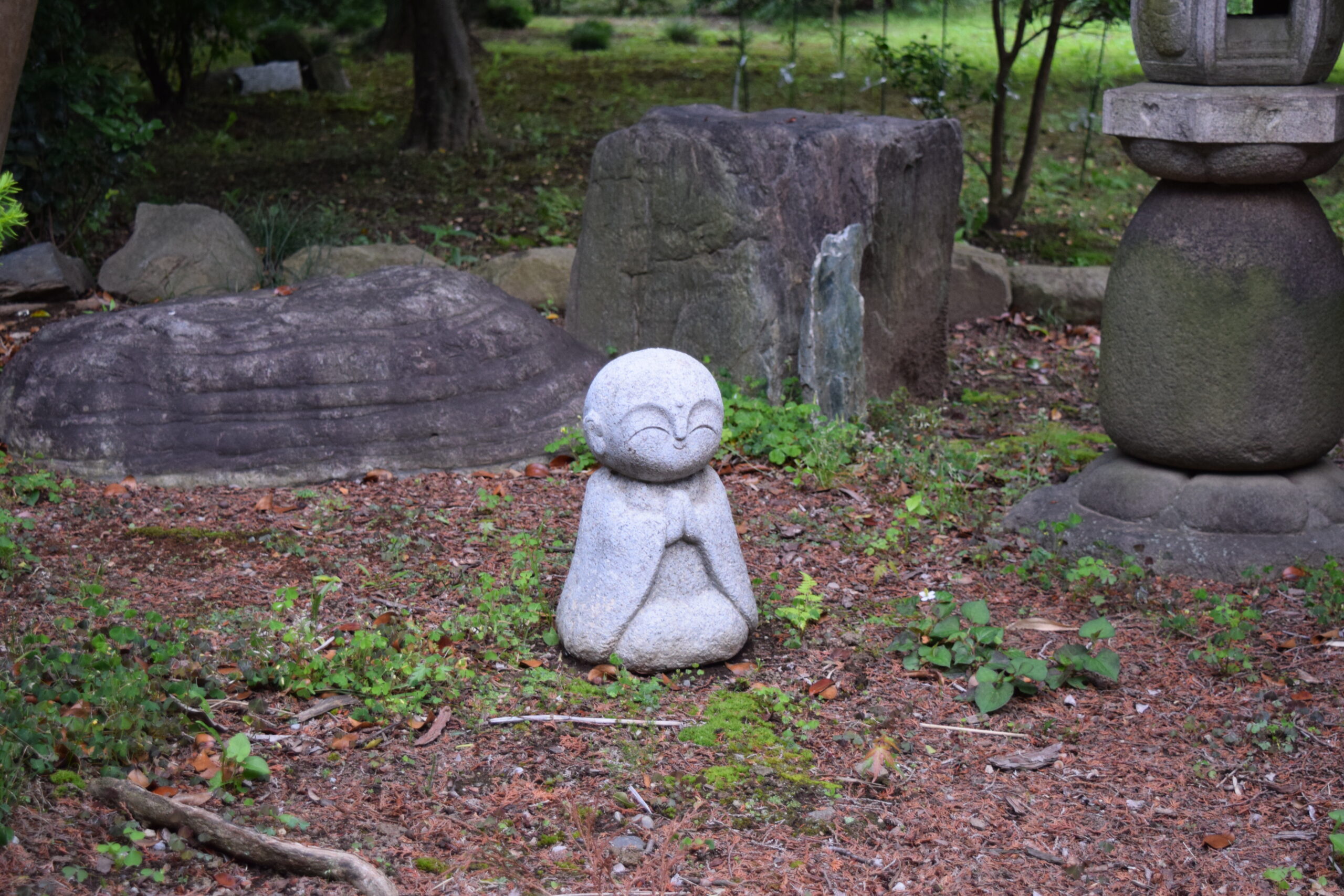
Gently moved by the wind outside, a furin (wind-bell) chimed a majestically soothing sound. It echoed intermittently, almost in time with my breath, and I inhaled the roasted herbal fragrance of chakouro (tea incense) that swirled inside the room like a warm embrace. I peered through the window, and a little Jizo statue smiled peacefully, as if to say, “Welcome.”
As someone with a growing interest in mindfulness and, coincidentally, at a sort of crossroads in my own life, spending time at TEMPLESTAY ZENSŌ felt not only like an opportunity to dive deeper but also like a serendipitous message to slow down and to reflect. Rather than simply learning about Zen via books, I found myself experiencing it through the sacred spaces I moved through, the conversations I had with resident monk Umino Shunko, and the symbols that quietly surrounded me.
Introducing TEMPLESTAY ZENSŌ and Umino Shunko
Just 90 minutes by car from Tokyo, nestled in Chiyoda — a town of roughly 11,000 people in Gunma Prefecture — lies TEMPLESTAY ZENSŌ, an award-winning cultural travel destination, and as of writing, the only accommodation in the area.
ZENSŌ is located on the grounds of Horin-ji, a Buddhist temple established in 1306 during the Kamakura period (1185 – 1333). Just a stone’s throw (or a stone path) away from the temple’s ancient 350-year-old bell and the main hall, ZENSŌ occupies a standalone building that was once Umino’s childhood home, carefully renovated before opening to guests in 2023.
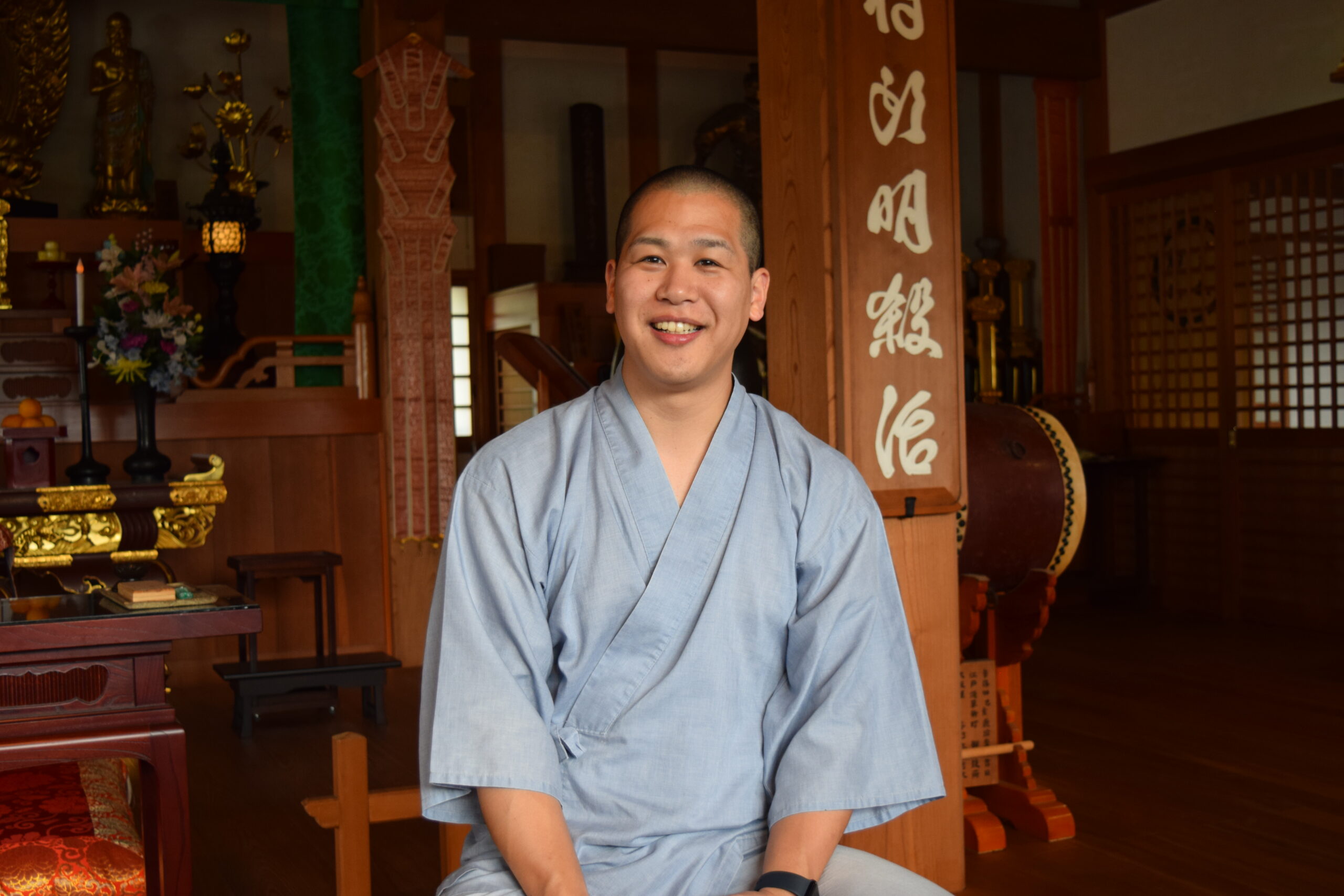
In June, as part of my stay, I had the chance to learn about the history and the concept behind the accommodation directly from Umino, the founder of ZENSŌ and Deputy Chief Priest of Horin-ji, who is in line to become its 47th Chief Priest. “There are not yet many facilities in Japan accommodating a ‘lite version’ of the shukubo (traditional temple lodging) experience. This was part of the aim with ZENSŌ,” he explained.
Shukubo has been offered for hundreds of years, but was once exclusively for monks, disciples, or those on a pilgrimage. While temples now open their doors to non-religious visitors, the experience may still not be for everyone — it’s often for those willing to brave the rigidity of early morning practice, eat vegetarian-only shojin meals, and abide by curfews.
In contrast, ZENSŌ represents a more accessible immersion for those who want to spend time in a serene atmosphere or are interested in trying zazen (seated meditation), but feel that a traditional temple setting might be intimidating. “It’s why we use the term terahaku (temple stay),” said Umino. It lowers the barrier of entry and invites individuals, families, and even their pet dogs to join the experience. Since stays at ZENSŌ are offered to one group per night (of up to six people), there’s also the luxury of complete privacy, while participating in cultural experiences guided by Umino.
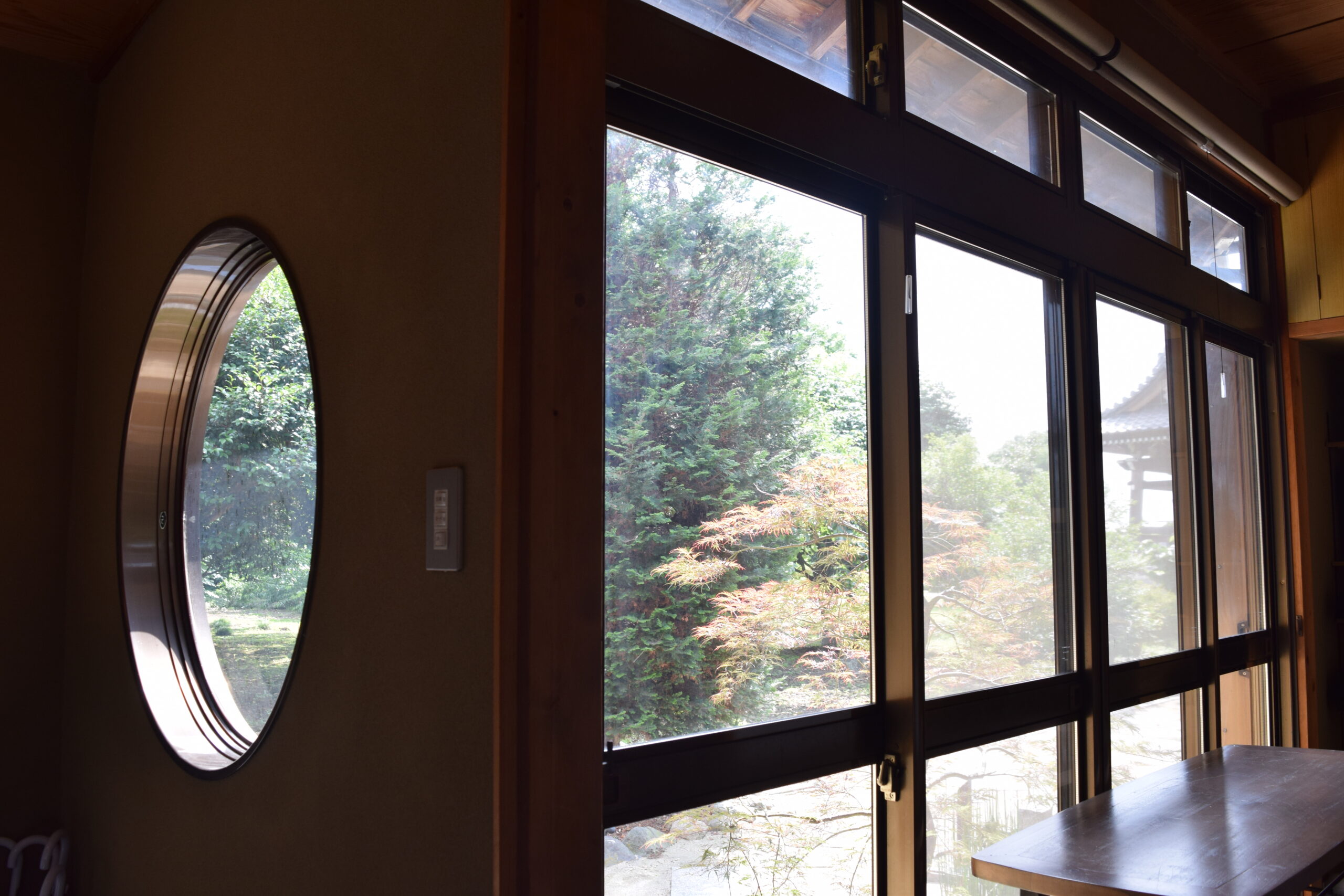
The concept behind ZENSŌ originates from the round window at the facility’s entrance. In essence, it is an enso — a Zen circle symbolising the enlightened mind, emptiness, and the infinite nature of existence. Two more geometric shapes are added to form ZENSŌ’s emblem. It draws inspiration from the playful calligraphic work of Zen monk Sengai Gibon (1750 – 1837), whose circle, triangle, and square are said to represent the universe itself.
“We may never become a full circle, but if staying at ZENSŌ can help visitors soften their corners, perhaps from a square to a triangle, then that is what we hope for,” explained Umino. During my own two-day stay, those words became less of a metaphor and more of an invitation to experience these shapes for myself.
My experience through the shapes of Zen
Start as a square
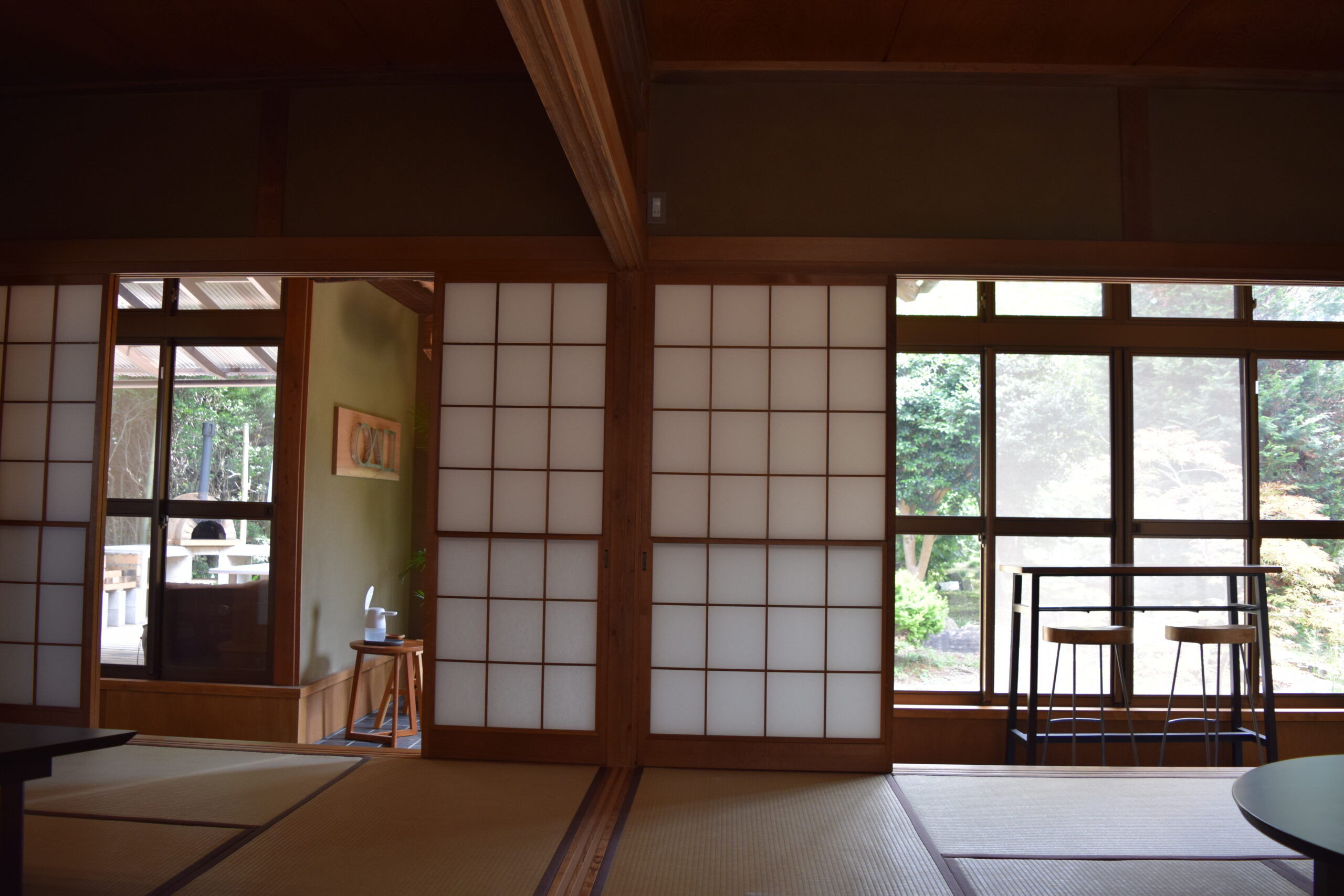
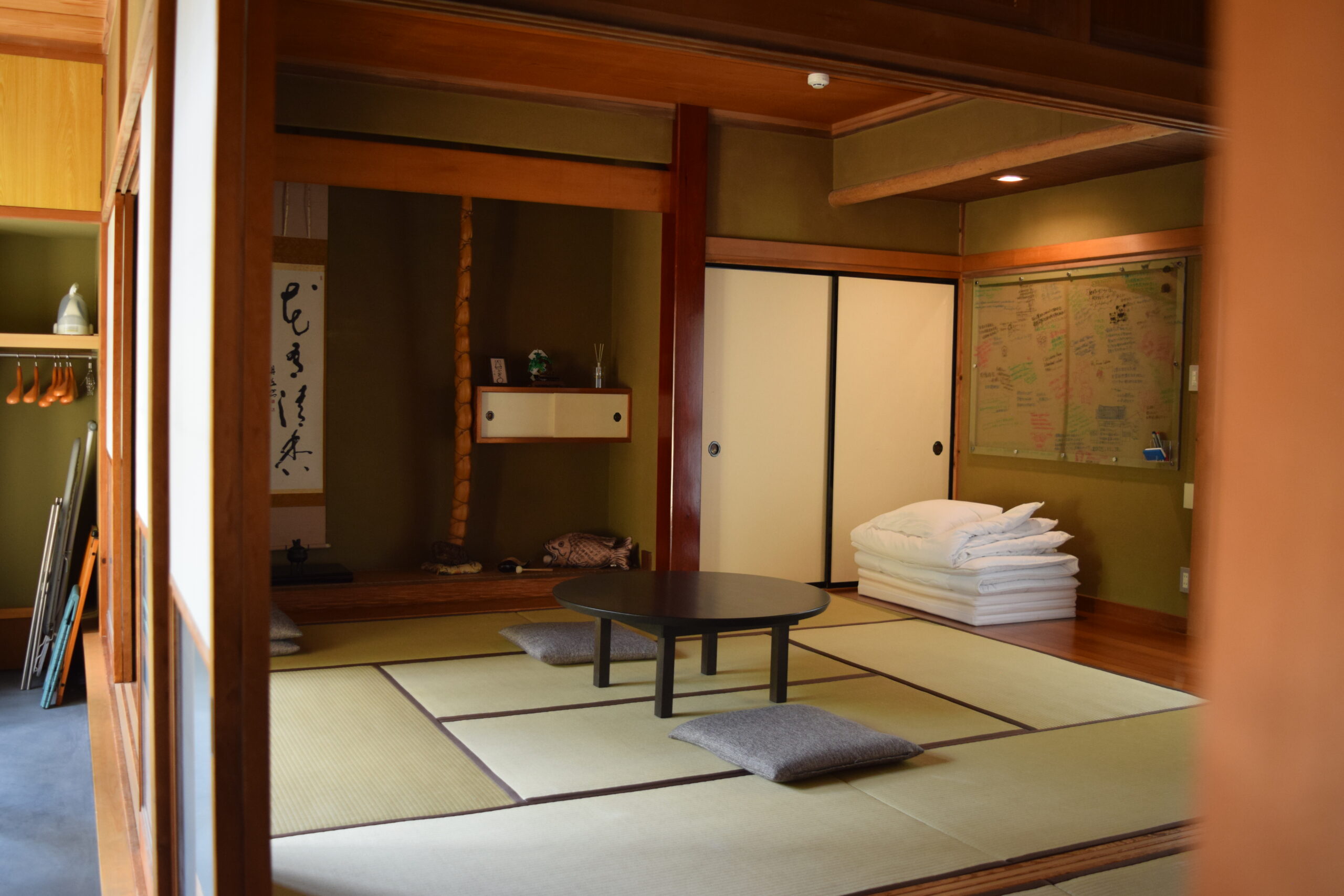
The phrase katachi kara hairu literally means “enter from the form” and suggests that our physical environment can help set the tone for our mindset. Similarly to how a designer might begin a project by preparing the right tools, I found that my Zen journey began with the physical space at ZENSŌ: the simple Japanese design honoring natural wood, clean lines, and organic colours immediately put me at ease.
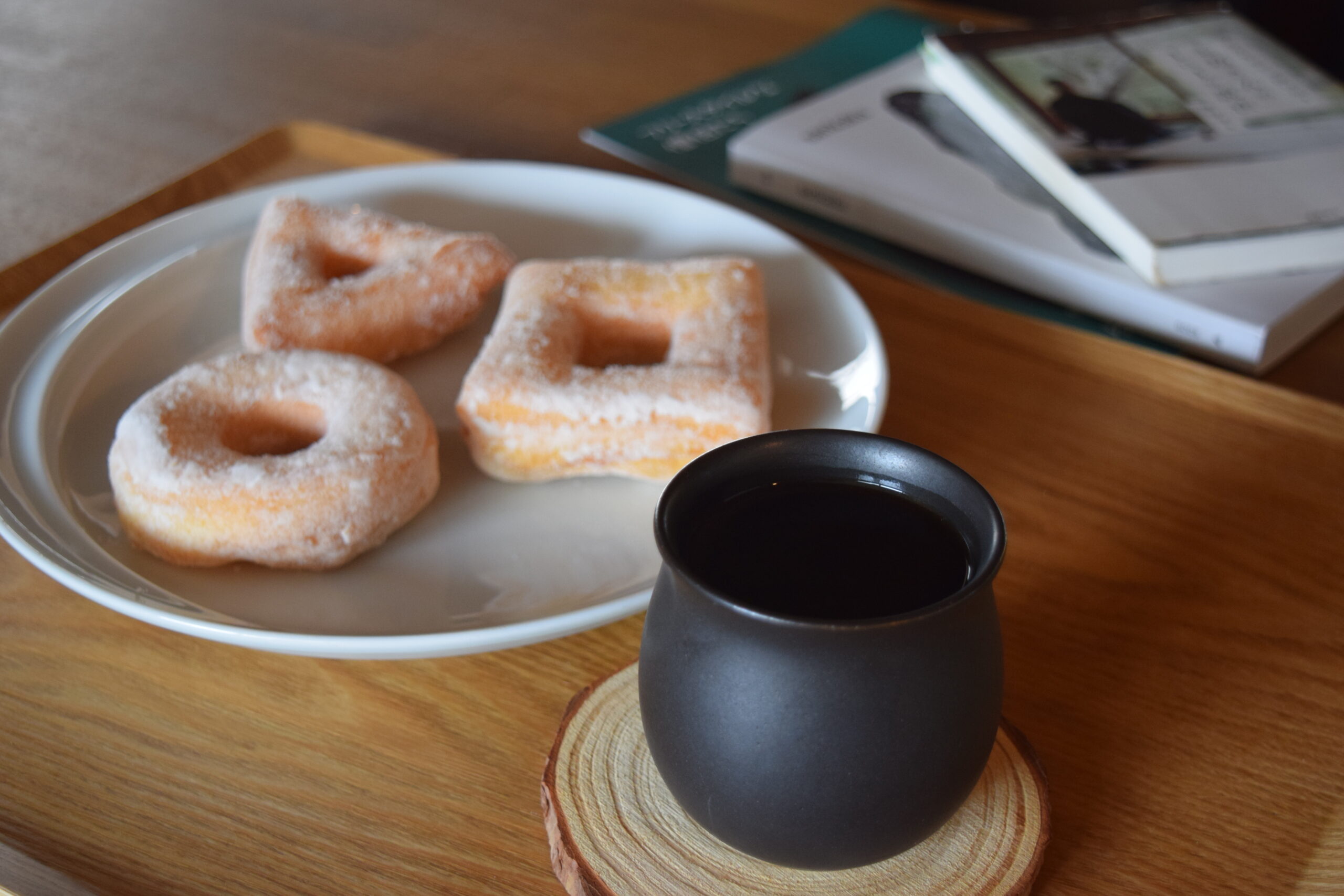
Everything in the space is intentional. Wide floor-to-ceiling windows allow light to filter through the translucent shoji sliding doors, creating an airy and open space. The middle room is lined with traditional tatami mats, so you can sit cross-legged on a zabuton cushion at one of the low tables (noticeably a triangle and a circle). There’s a cosy work nook, a sleek and well-stocked kitchen space, and colourful books and manga all about Buddhism. Proving to be more than a conventional temple stay, the space has an elegant Bose speaker, access to Wi-Fi and Netflix, yoga mats, and a full coffee set, courtesy of local coffee house Hiraku.
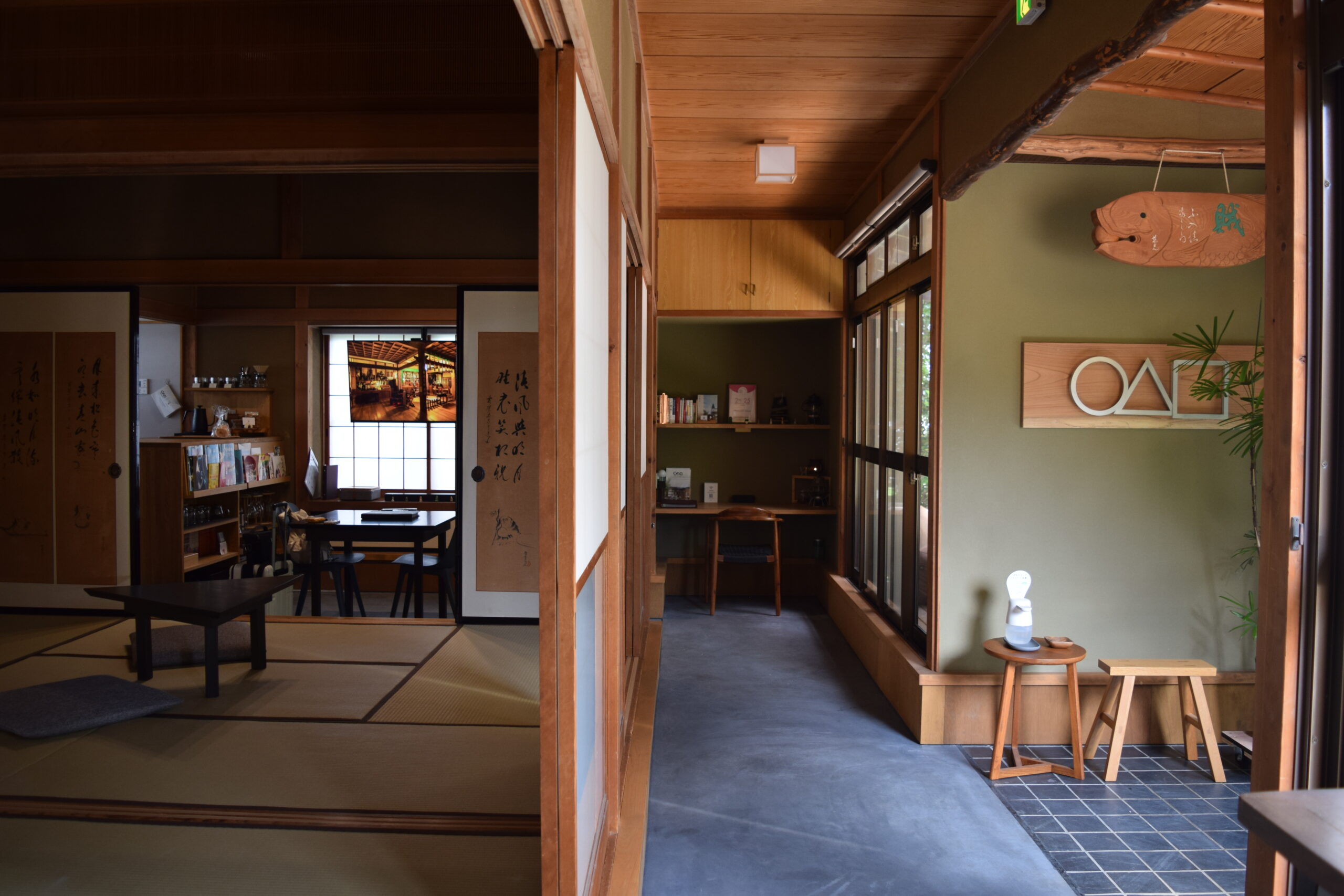
The corridor, which runs at a level below the inner room, was also an architectural choice. “Since the tatami area is delicate, this concrete space was created to allow dogs inside,” explained Umino. Typically, pets are not permitted in a temple-run facility, so I asked why ZENSŌ makes an exception for dogs. It turned out, there’s actually a deeper connection.
Horin-ji has historical ties with Tokugawa Tsunayoshi (1646 – 1709), the fifth Tokugawa shogun, who was renowned for instituting animal welfare laws, particularly for dogs. Therefore, for Umino, who grew up with a dog and understood how pets can be seen as part of the family unit, allowing furry friends inside felt like harmoniously incorporating this philosophy into creating accessibility for modern-day visitors.
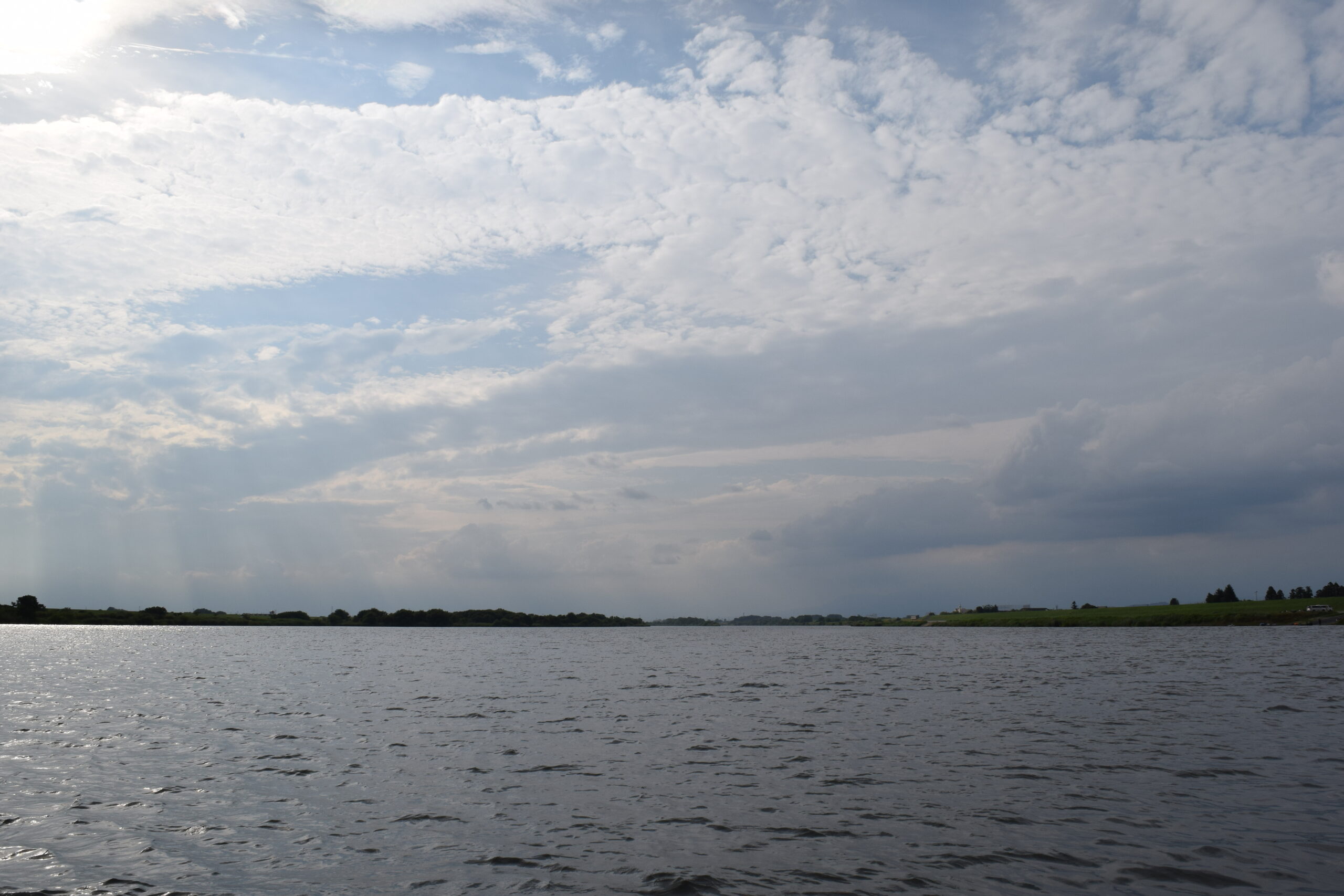
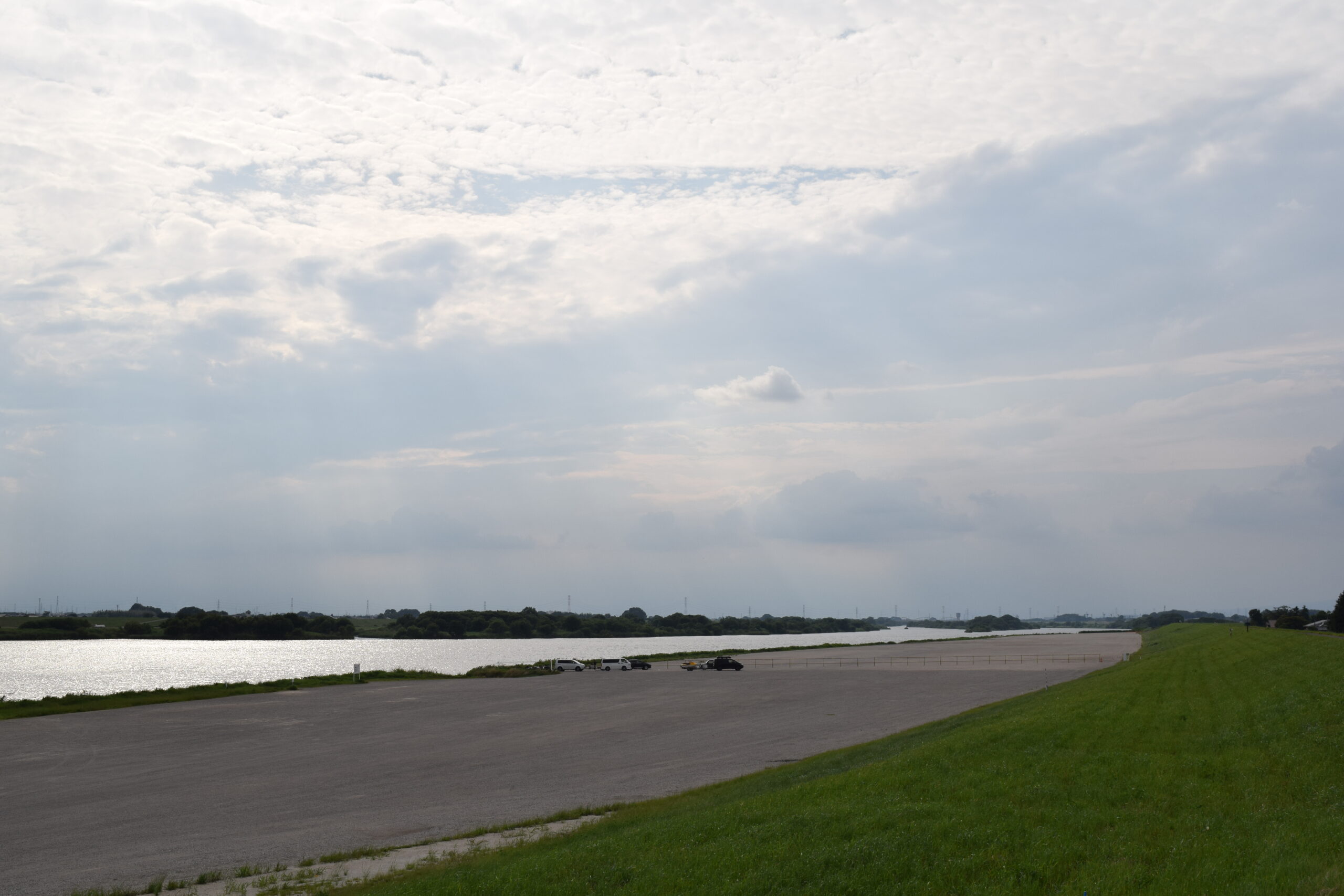
It was forecast to rain on the evening of my stay, so in order to make the most of the warm afternoon weather, I hopped onto one of the road bikes available to rent at ZENSŌ and headed out towards Chiyoda Cycling Road. Local farmers were busy in the fields with noyaki, purposefully burning old crops to make way for the new. The same wind which swayed the furin swept across my face as I rode towards Akaiwa, and the skies were almost celestial over the Tone River.
At the pier, there is a free ferryboat that you can board with your bicycle, and it crosses over the river in around five minutes. As instructed, I waved to the cabin behind the bank of the river, and two friendly representatives walked down to help me onto the boat. The ride over the water reminded me that I was surrounded by nature, and it was a welcome change from Tokyo’s concrete pavements and trains.
Contemplating what to eat, I recalled how ZENSŌ’s optional barbecue and pizza-making experiences are quite unique for a temple stay. It was while explaining the philosophy behind these meal options that Umino had pointed out the old stone marker at Horin-ji’s entrance, known as the kinpaiseki. It bears the inscription kunshu sanmon ni iruwo yurusazu, a precept brought to Japan by Ingen Ryuki (Yinyuan Longqi), the founding patriarch of the Obaku school. The inscription states that pungent foods and alcohol must not be carried through the temple gate and into the grounds. At its heart, the precept is about self-discipline.
However, in modern Japan, it’s fairly difficult to avoid strong-smelling foods and alcohol altogether. “So, it’s about drawing a line where it counts.” Umino noted. “We believe in maintaining a sense of self-discipline. You simply don’t bring them through the front temple gate — you use the side entrance instead.” Ah! Now that’s a witty interpretation to honour the spirit of the precept while allowing some flexibility in its practice.
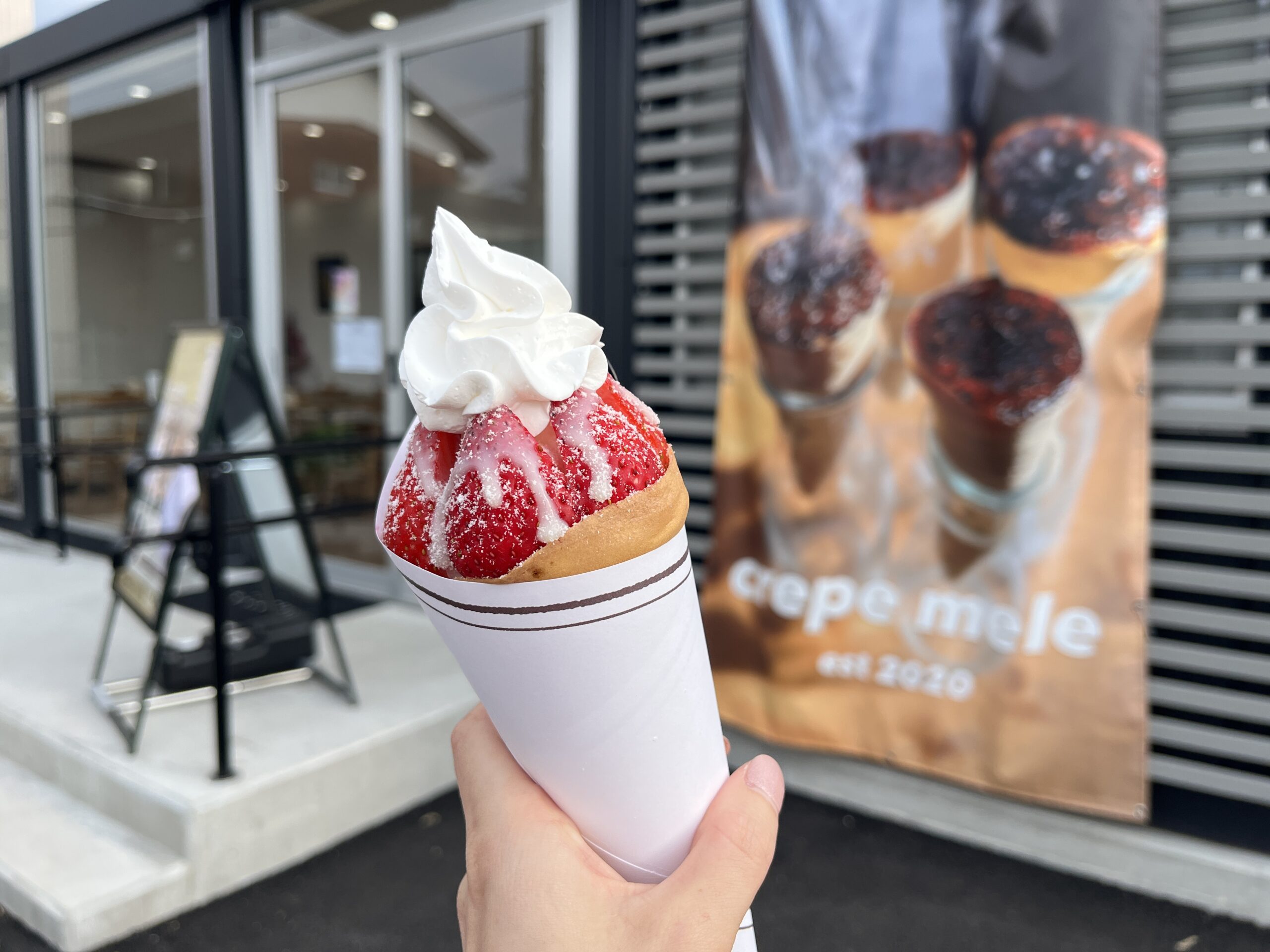
With what felt like the permission to indulge a little, I headed to nearby Crepe Mele for a hand-held and decadent dessert of strawberries, condensed milk, and whipped cream. After exploring the local area by bicycle, I followed one of Umino’s recommendations for unagi (grilled eel), and later drove to Nittaya, a renowned local unagi restaurant founded during the Kaei era (1848 – 1854) in the closing years of the Edo period (1603 – 1868). The smoky, soft flesh of grilled eel doused in rich sauce was divine.
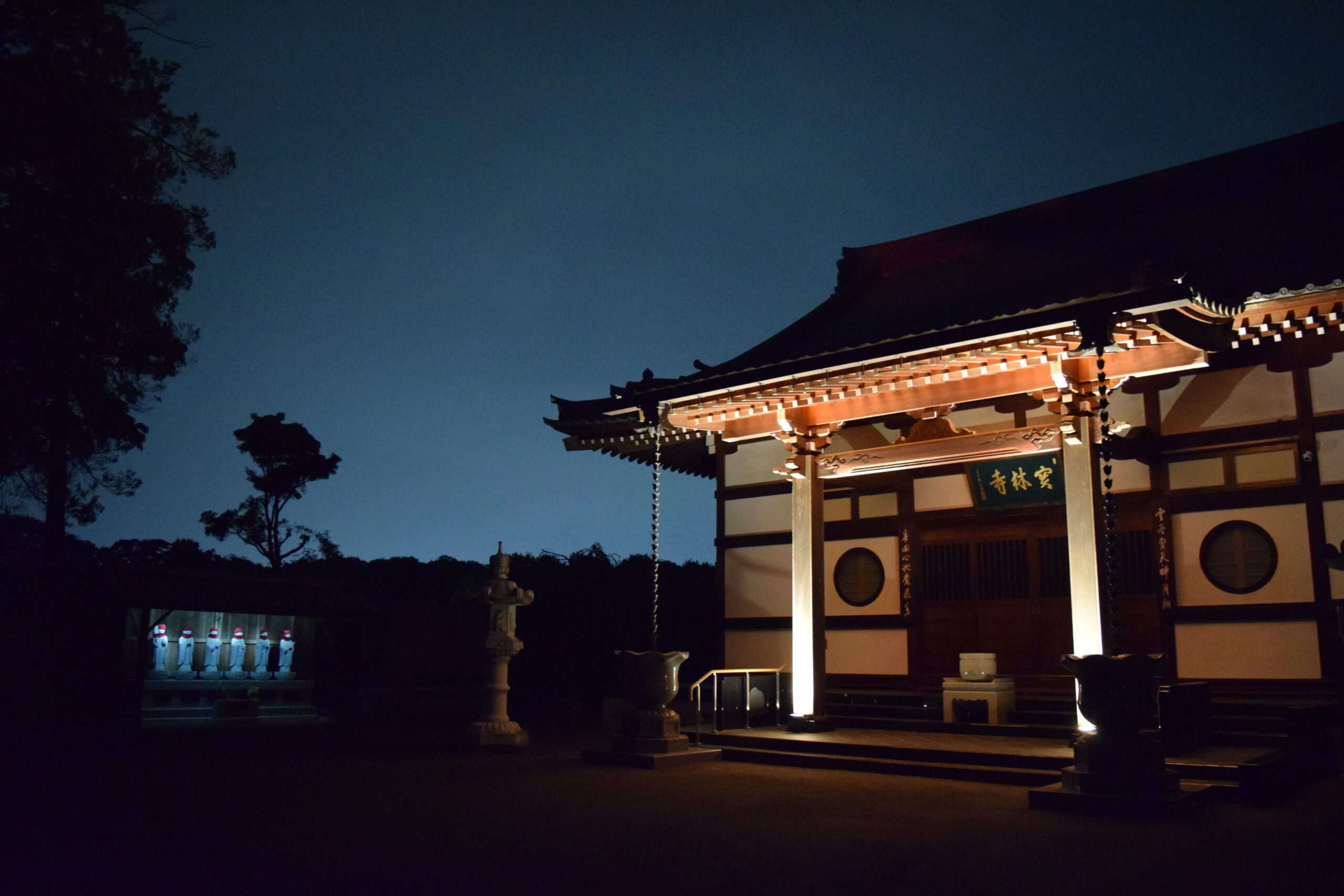
After sunset, I returned to Horin-ji to prepare for winding down the day. I paused to take in the serenity of my surroundings and noticed my shoulders were relaxed. Like a block of butter at room temperature, my edges had already softened a little.
The evening temple has a luminescent energy that transports you to another place, almost worlds apart from the daytime version. “I wanted to provide contrast between the light and the dark,” Umino explained. “Not everything needs to be lit up.” And I think I understood what he meant; it’s nice to leave some room for yugen — a sense of mystery we cannot fully comprehend.
Become a triangle
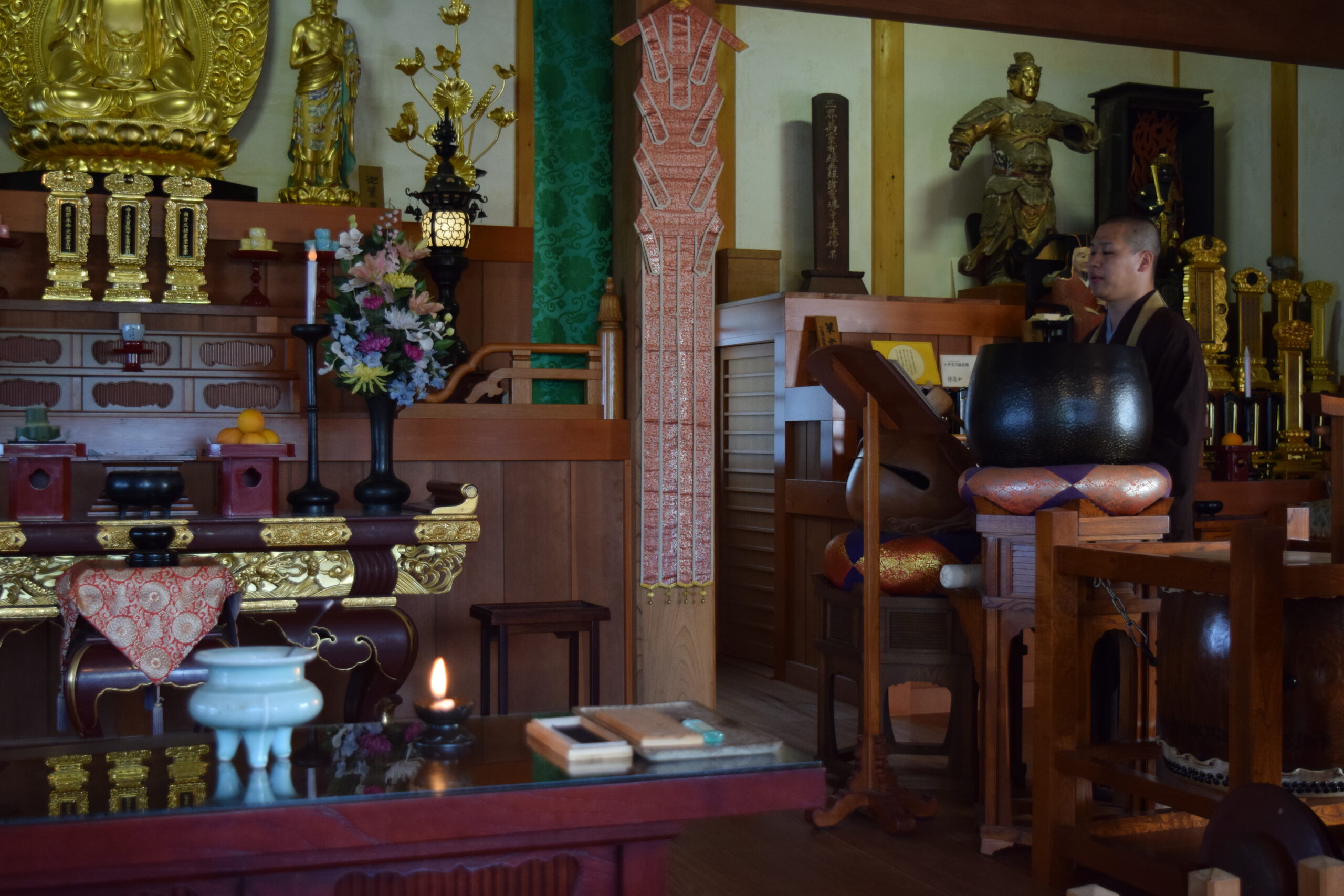
The following day at 7 a.m. was the modestly early call time for morning practice at the main hall. I was invited to take a seat. Standing next to the inner sanctum, Umino used a mallet to strike the mokugyo drum at a steady rhythm and began chanting sutra in a deep sonorous voice, occasionally striking the large orin bowl, which reverberated through the hall.
Horin-ji follows the Obaku school of Zen Buddhism, and it is in the minority compared to the larger Soto and Rinzai schools. The head temple of the Obaku school, Manpuku-ji, is situated in Uji, Kyoto Prefecture, and it’s where Umino underwent his monk training. Obaku is unique in that it retains distinct traces of its Chinese approach, and the sutras are practised in ancient Chinese, rather than in Japanese. I felt a shiver down my spine as I imagined the hundreds of years’ worth of sutras being passed on until this very moment that they reached my own eardrums.
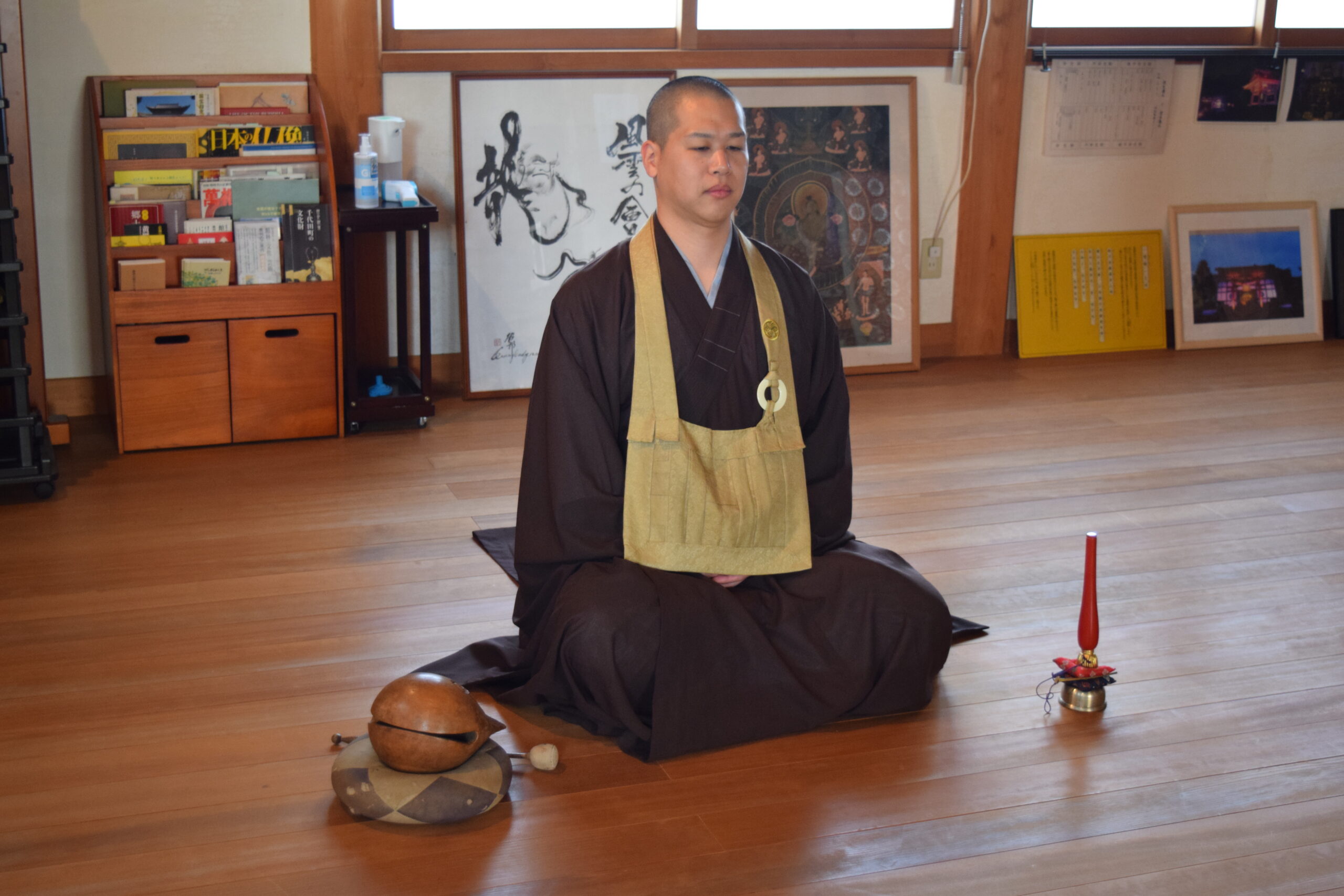
After morning practice, it was time for zazen. We can imagine ourselves as a seated triangle; our two knees and the base of our pelvis through to our head, forming the three points. Umino then created a circle by laying his right hand on top of his left hand and bringing his thumbs together at the top. “We sit as Buddha does,” he gestured to the Buddha sitting atop the inner sanctum.
To help with focus, Umino shared three themes to keep in mind: choshin (aligning the body), chosoku (aligning the breath), and choshin (aligning the soul). At the beginning, we swayed side to side to loosen up our muscles. We then began practice with a focus on the body, sitting with our eyes gazing down but not closed. It wasn’t easy to keep my eyes half-open, and my body fought to stay present and fully awake. And even then, we only sat for 10 minutes.
In the past, monks would count time by the duration of an incense stick burning through to its end. And so, time could depend on a gust of wind or how the incense burned. I liked this concept of malleable time. After a brief break, we focused on the second theme: breath. I once read that sitting in zazen brings us face-to-face with the “truth of impermanence,” and this now seemed palpable as I listened to myself repeatedly inhale and exhale. “We cannot hope to obtain a calm mind without first aligning our body and breath,” Umino said. It was a fitting note to end the zazen session on; the third theme was a conceptual one to take home.
Become a circle?
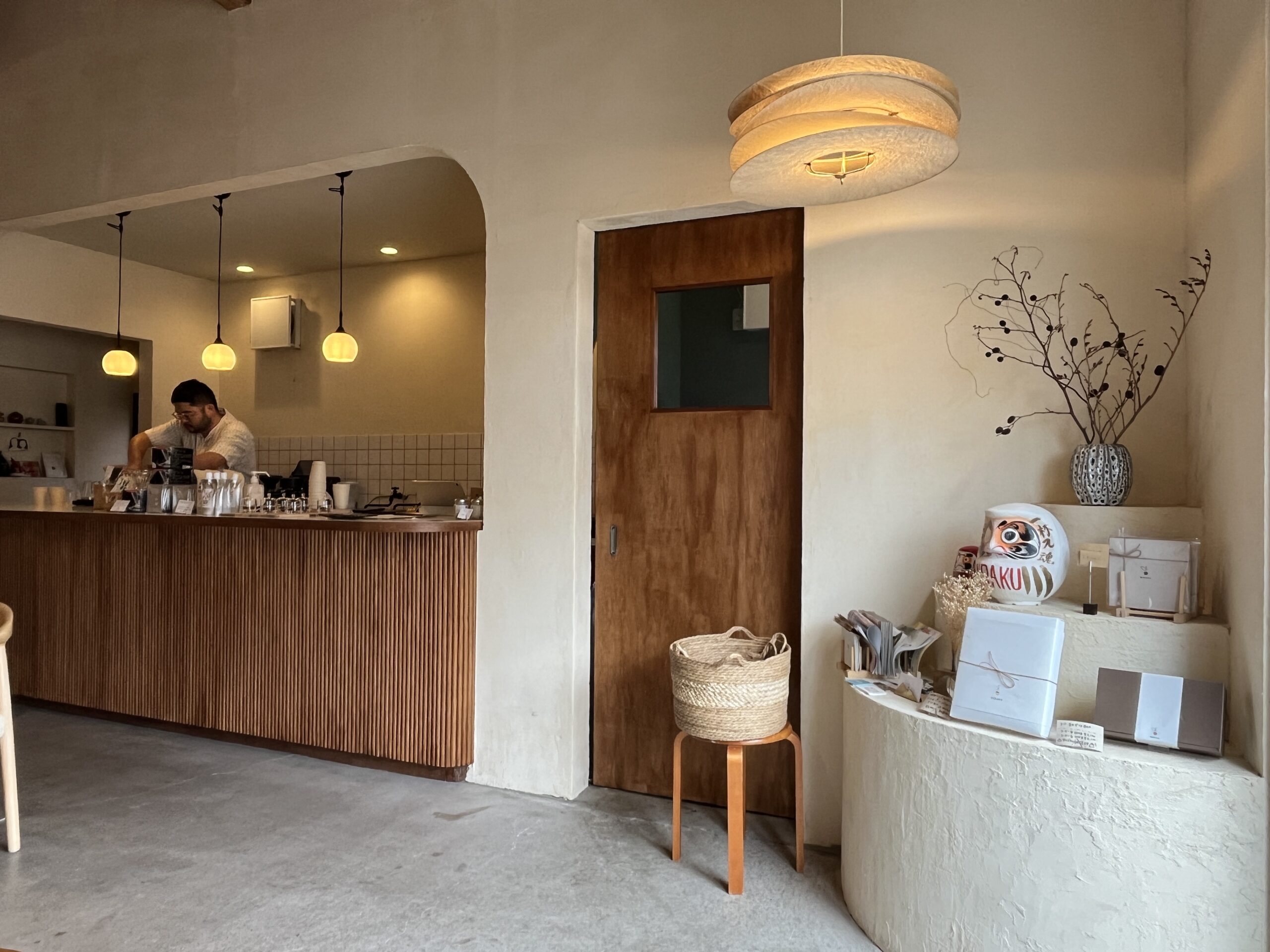
Later, at Hiraku Coffee’s brick-and-mortar store, I spotted a white-coated daruma in the corner of my eye as I sipped on an iced hojicha latte and pondered if I was closer to becoming a circle now than I was at the beginning of my journey. After placing myself in the peaceful town of Chiyoda, attending morning practice and sitting in zazen at Horin-ji, maybe I could say that I was one less edge of a square.
According to Suzuki Daisetz, who was a Japanese essayist and philosopher, “Zen is discipline in enlightenment. Enlightenment means emancipation. And emancipation is no less than freedom.” Would it ever be possible to venture towards becoming a circle, an enlightened mind?
In the quiet pockets of time I spent at ZENSŌ, turning the pages of a book, gazing at the smiling Jizo in the garden, and resting on a futon (traditional Japanese bedding), I reflected on the questions that Zen seemingly poses and what they might all mean. I wondered if it was the very pursuit that mattered, until I recalled a rather puzzling line in a book about Zen called The Path of the Human Being. The author writes, “We are looking for answers, but searching is the problem.” Perhaps that is why enso carries with it so much significance — it is everything and nothing at the same time.
ZENSŌ as an ukezara for the community
With recent thank-you notes from Latvia and Istanbul, alongside handwritten Japanese, Spanish, and Chinese on a visitors’ message board inside the property, it’s no surprise that ZENSŌ offers a soul retreat for people across the country and from all over the world. However, the accommodation also offers something else for the people closest to it.
For Umino himself, he shared how ZENSŌ represents the culmination of what his younger self never thought was possible. Although his childhood was spent on the very same temple grounds, he had thought of everything he could do to escape what felt like a predetermined path. It was only after a pivotal moment that he reevaluated his trajectory, and it was when faced with a challenge as a community that he realised he could combine his experiences within and outside the temple to help solve a problem.
Before ZENSŌ, there were no accommodation options in Chiyoda. Around the time of the coronavirus pandemic, the Japan Tourism Agency launched a terahaku support program aimed at revitalising local communities, and Horin-ji Temple was selected to participate. Rather than being developed as an independent project, it was an initiative to launch Chiyoda’s first accommodation facility in partnership with the town.
“Edo-period monks played a central role in their communities,” Umino described as a source of his inspiration. “They acted as project leaders, helping to create waterways, bridges, and libraries.” While humbly citing the community’s collaborative work in the initiative, it was precisely the role of a project leader or producer that Umino took on when establishing ZENSŌ.
“Accommodation facilities can be an ukezara for the community,” he explained. An ukezara, literally meaning a saucer or the dish beneath a cup, can also describe a place of acceptance or a space capable of holding and supporting others. And that’s really what ZENSŌ is for local business owners. It’s why guests at ZENSŌ will find freshly roasted coffee beans created in collaboration with Hiraku Coffee, locally bottled shampoo and conditioner, and linen washed by a regional company, not to mention first-hand recommendations for local eateries and stores. “Rather than producing something in its entirety, it felt more like connecting the dots in a meaningful way,” reflected Umino.
Final words
Whether on a journey in search of something or not, a stay at ZENSŌ will likely be some sort of inflection point. A chance to pause, to think deeply or not to think at all, and maybe to let something go. For me, staying at ZENSŌ was an opportunity to ground myself in the spaces and conversations around me, to align my body and breath, and to allow my mind to flow freely. Perhaps then, I am neither a square, a triangle, nor a circle. I am — we are — as fluid as the wind that moves through those shapes.