
Fukui Prefecture is often overlooked by visitors to Japan, but those who make the trip are richly rewarded, and I found plenty to savor during my visit to the port town of Mikuni Minato. With its beautiful accommodation and French-inspired cuisine, Homachi Auberge Mikuniminato makes the perfect base for exploring atmospheric streets steeped in history.
Checking into Homachi Auberge is also an introduction to the area, since the concept here is that you are a guest of the entire town. Instead of staying in a single hotel building, guests are accommodated in one of nine lovingly-restored townhouses (machiya) dispersed through the town, with a central check-in and a separate restaurant.
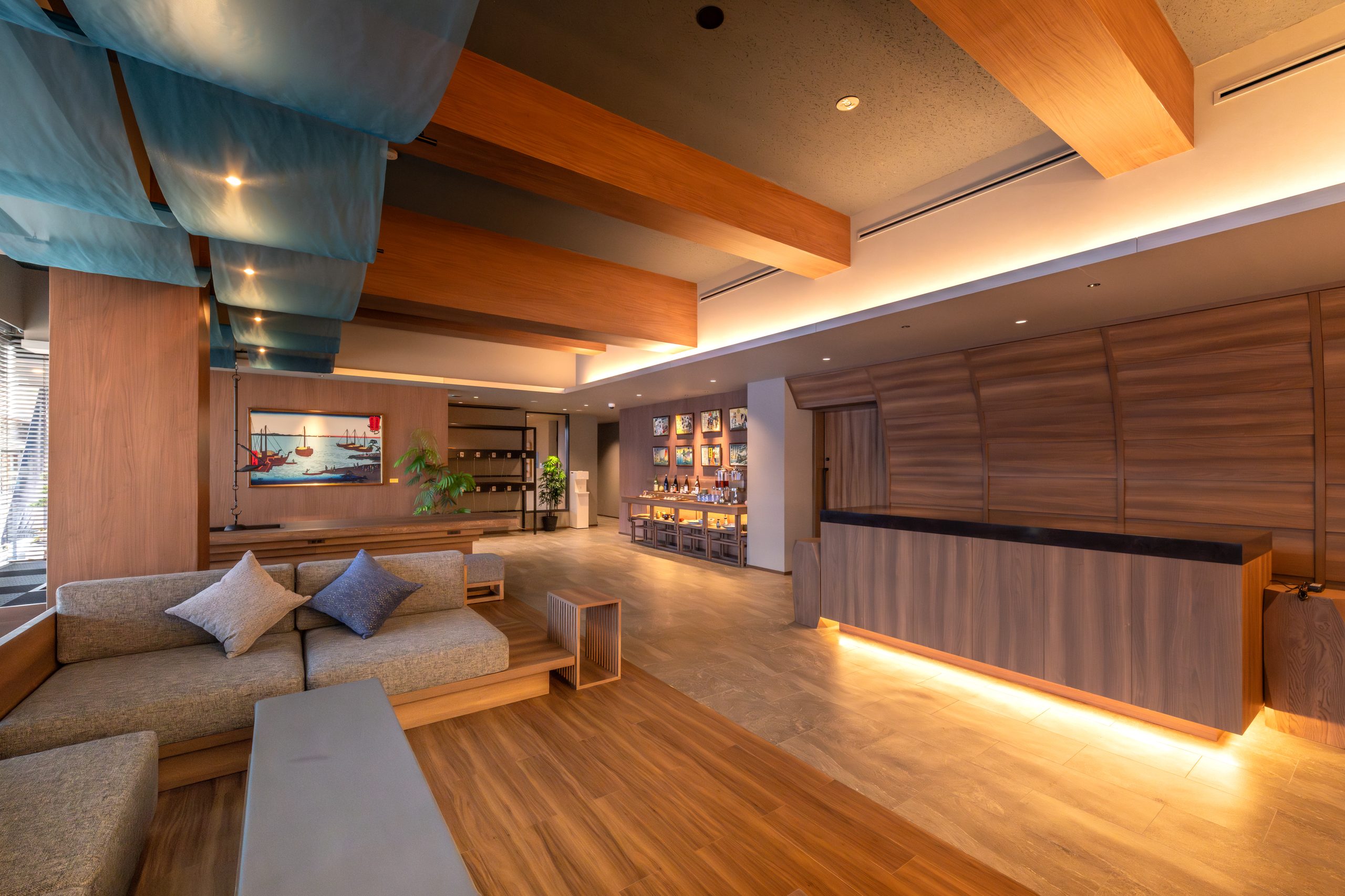
Streets full of stories
Now part of Sakai City, Mikuni is a tranquil port town, but in the 18th and 19th centuries it was one of the busiest stops on the Kitamaebune trading route, whose ships carried goods between Osaka and Hokkaido. This prosperous trade waned after the introduction of rail travel in the latter part of the Meiji era (1868 – 1912), as routes bypassed the coast. However, vestiges of that former time are still apparent in the houses and streets, and the legacy of the people who once called the town home.
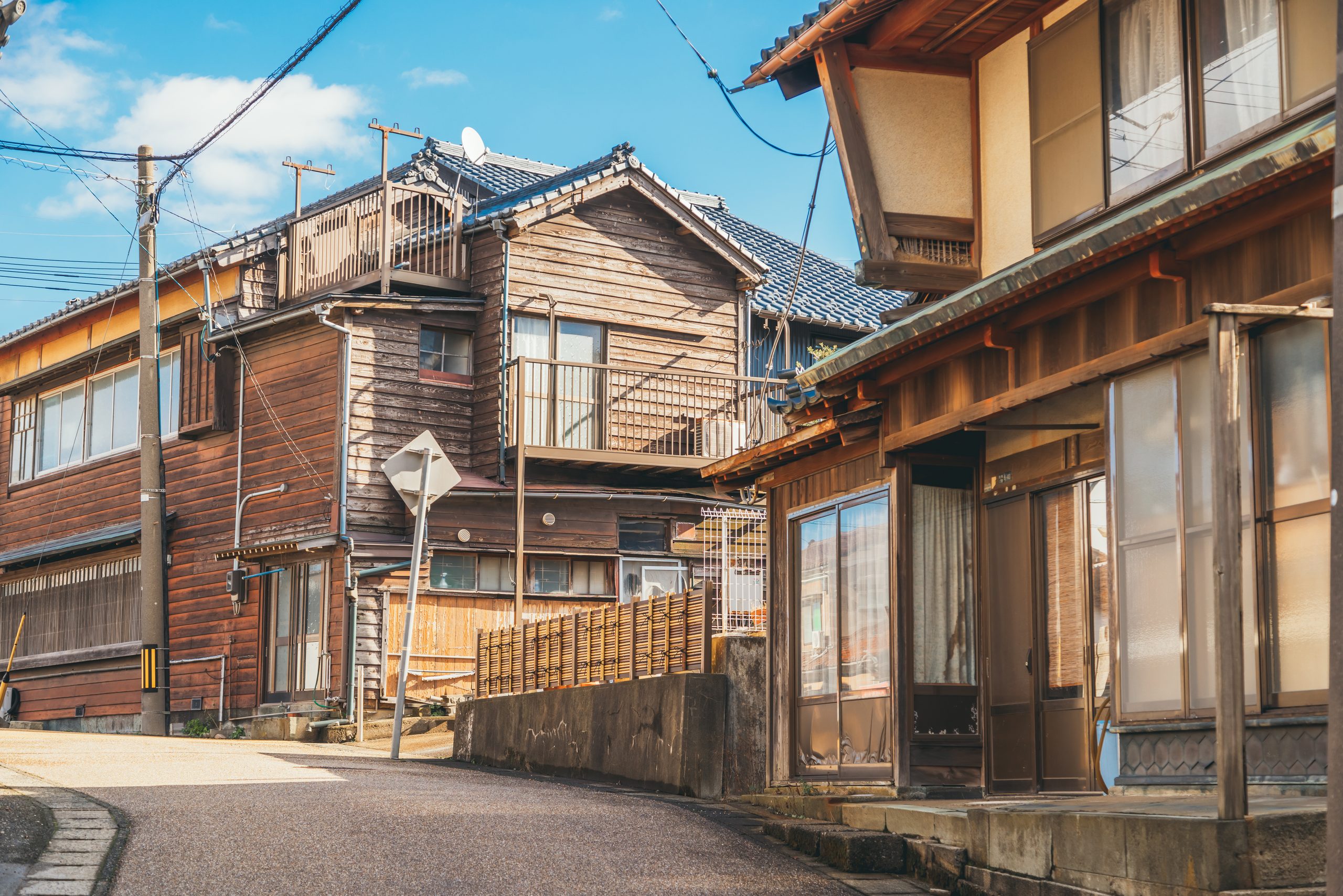
Waiting to sail
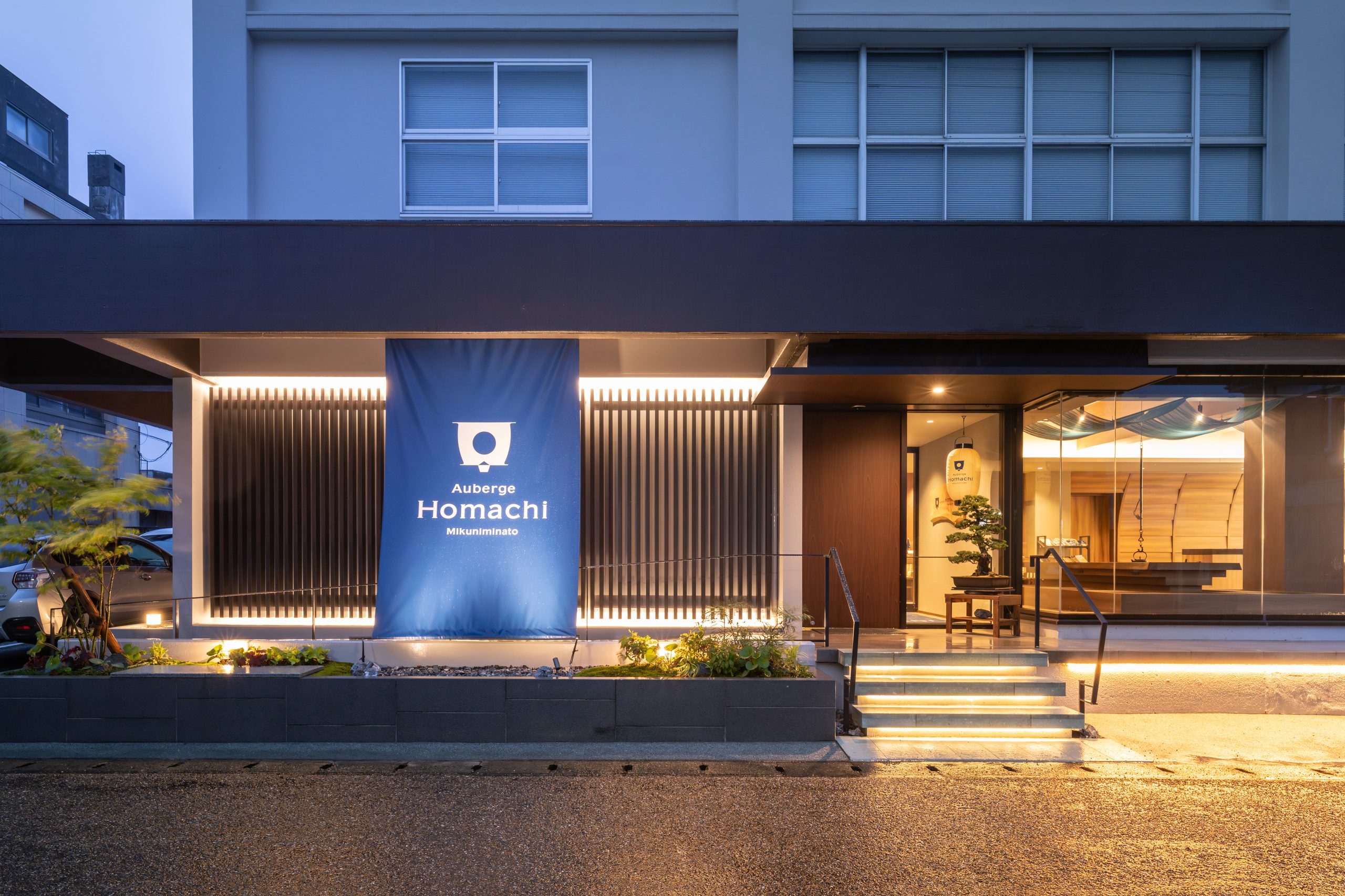
You may notice that the logo for Homachi Auberge features a Kitamaebune ship with billowing sails. And in fact, the name Homachi is inspired by a term from the Kitamaebune era, describing the time when ships sat in port to await favorable winds. The sailors were not idle, however, as they took on small jobs to earn a little money while they waited. Over time, the word “homachi” also came to mean pocket money or a reward — a fitting name for a retreat offering guests a welcome pause in their own journeys today.
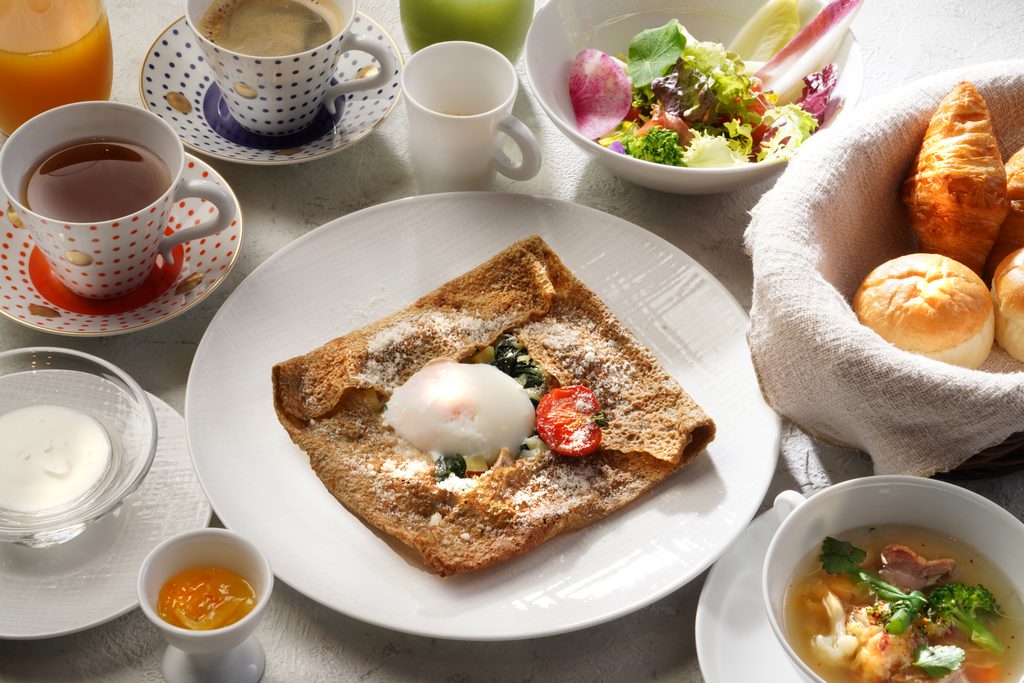
Fukui on the menu
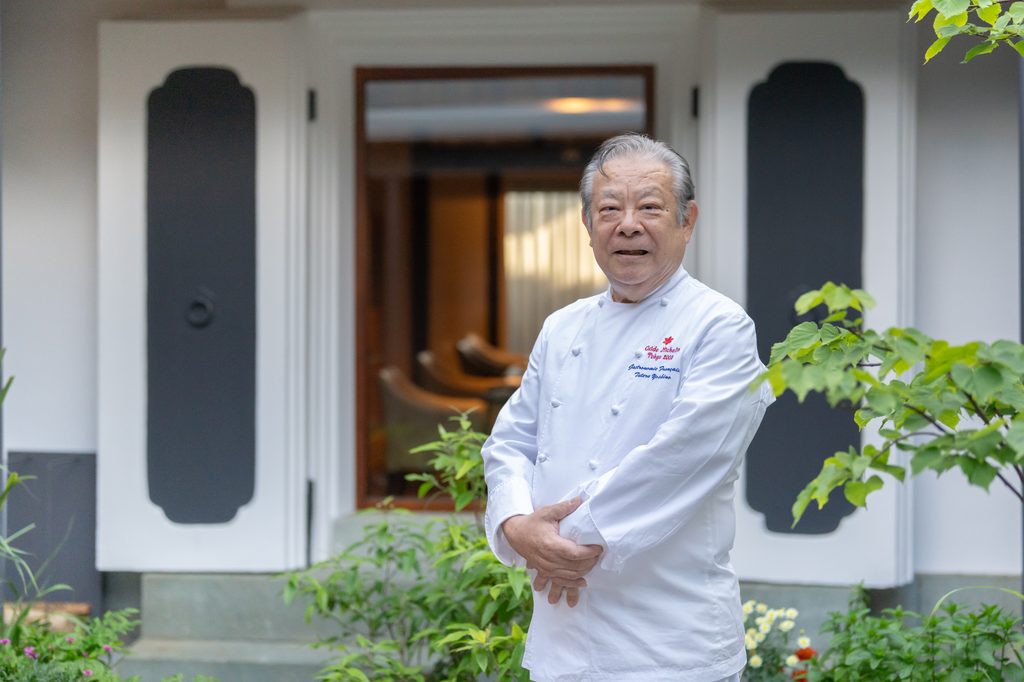
Acclaimed chef Tateru Yoshino, who trained under the great French chef Joël Robuchon, leads the auberge’s namesake restaurant, Tateru Yoshino Mikuniminato. Dinner showcases Fukui’s local ingredients through a succession of delectable courses, combining classical French techniques with Japanese flavors and drawing inspiration from the port’s history as a trading stop on the Sea of Japan.
A house for the night
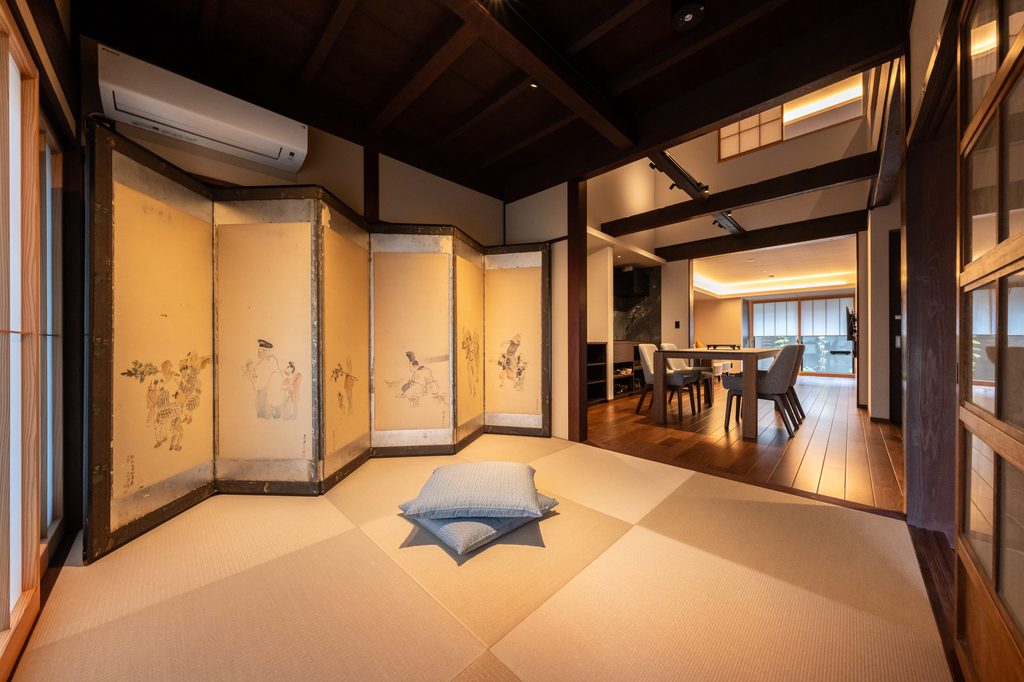
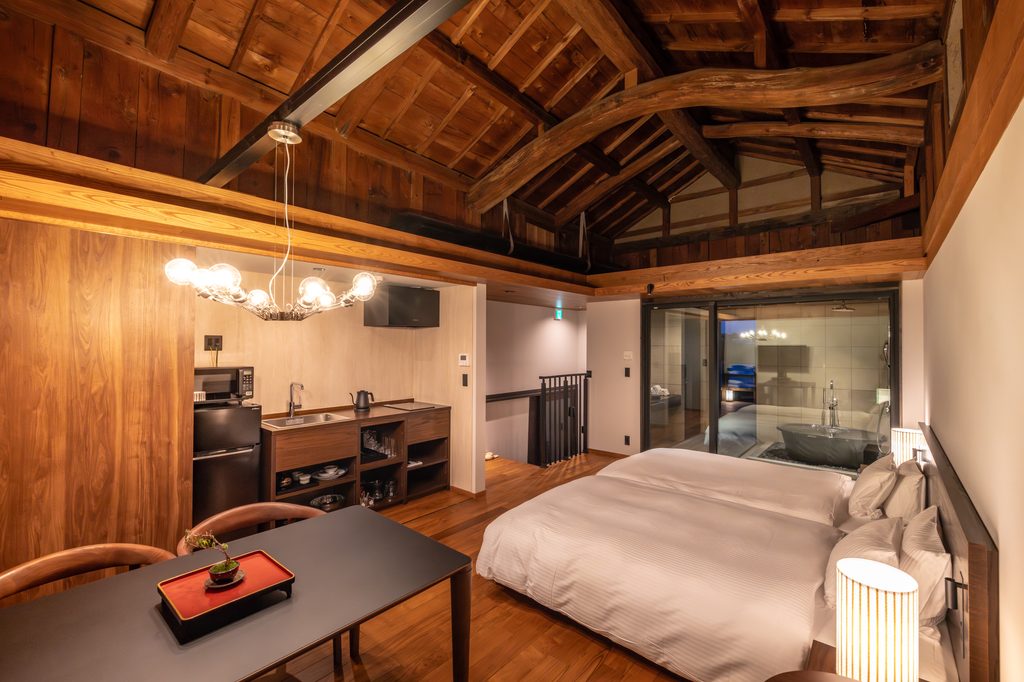
After such a deliciously indulgent dinner, the short walk back through the streets is just the thing. Each room or suite contains all the comforts needed by discerning modern travelers: wonderfully comfortable beds offering a great night’s sleep, spacious bathrooms and simple kitchen facilities for a spot of self-catering. The character of the original buildings shines through, however, with exposed beams beneath soaring roofs, along with traditional local furniture and décor.
Walking into history
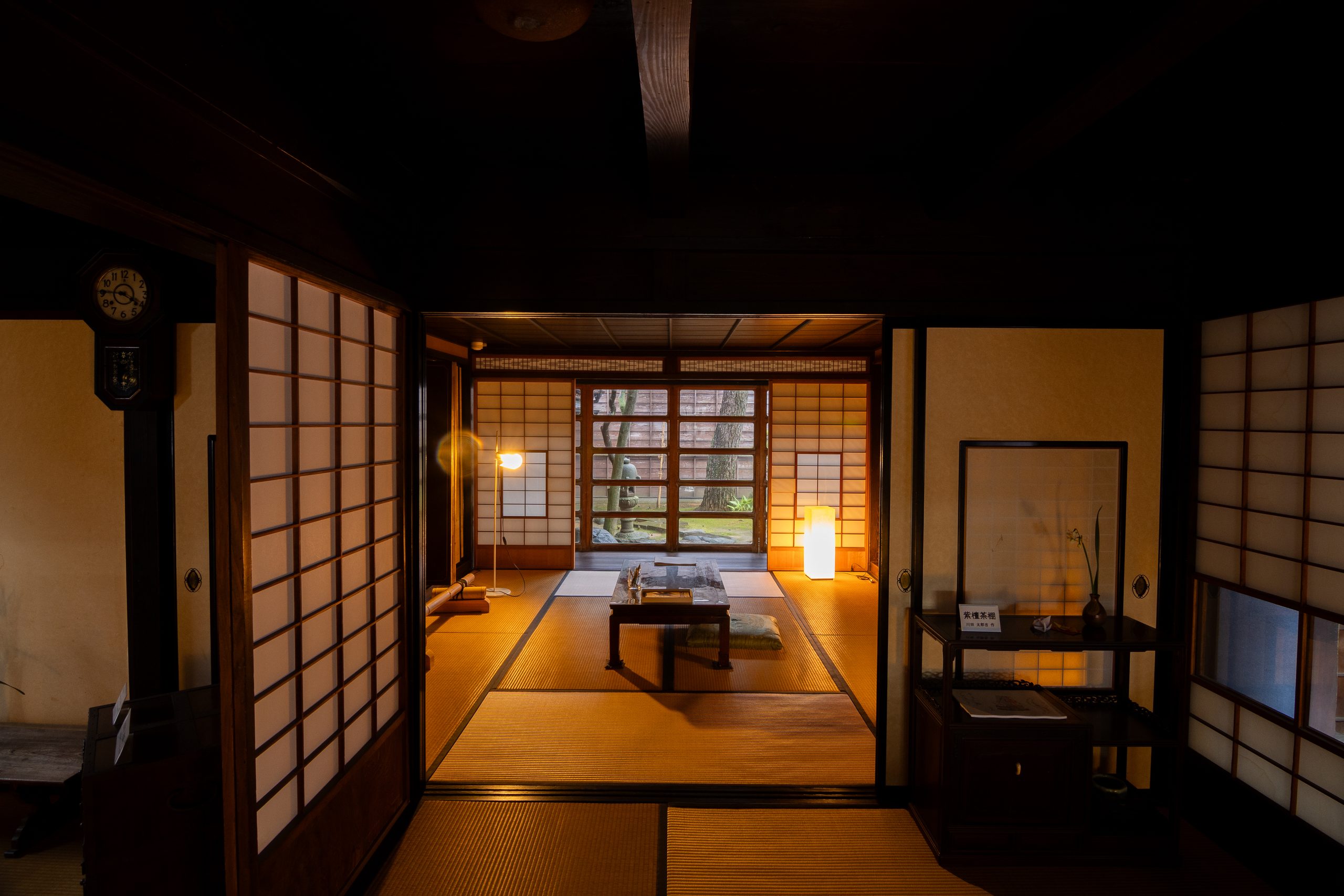
The next morning begins on a leisurely way, with a stroll back to the restaurant for a sumptuous breakfast. Then it’s time to lace up your walking shoes and get to know the area. Two historic buildings near the hotel make an interesting contrast: The Former Kishina Family Residence, once the home of a lumber magnate, is a traditional wooden building, while the Morita Bank Head Office is an imposing Western-style structure built in 1920.
A very stylish school
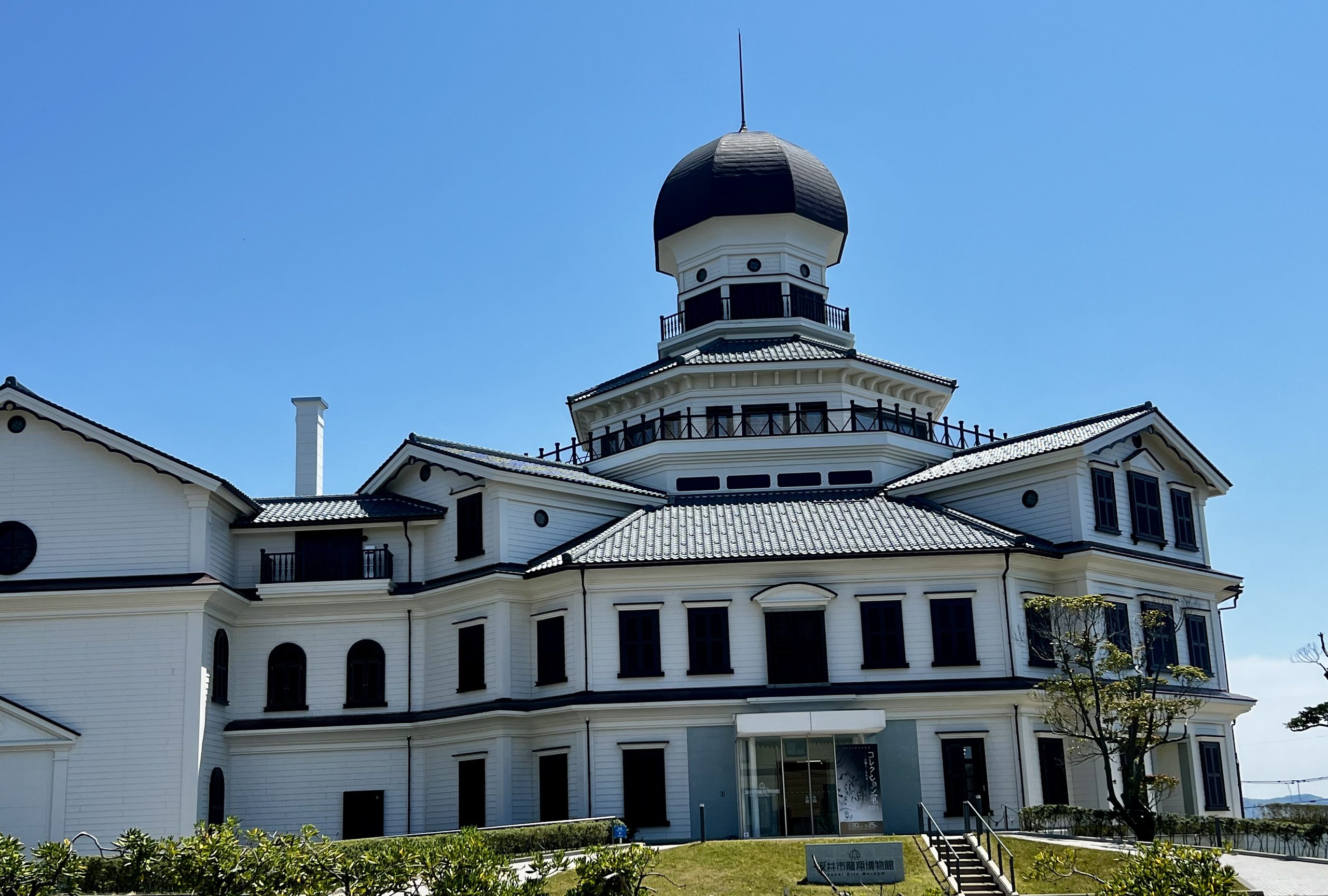
A short walk away is the Sakai City Museum, which is a visual treat. This beautiful five-story octagonal building stands on a hill above the town. It’s a replica of Ryusho Elementary School, a Meiji-era landmark built in 1879, just as Western architecture was entering Japan. Imagine the thrill for local schoolchildren attending classes in such a gorgeous building some 150 years ago! (Fun fact: The original building was designed by the Dutch engineer George Arnold Escher. He was the father of M. C. Escher, the graphic artist famous for his intricate, mind-bending work.)
Mind the edge
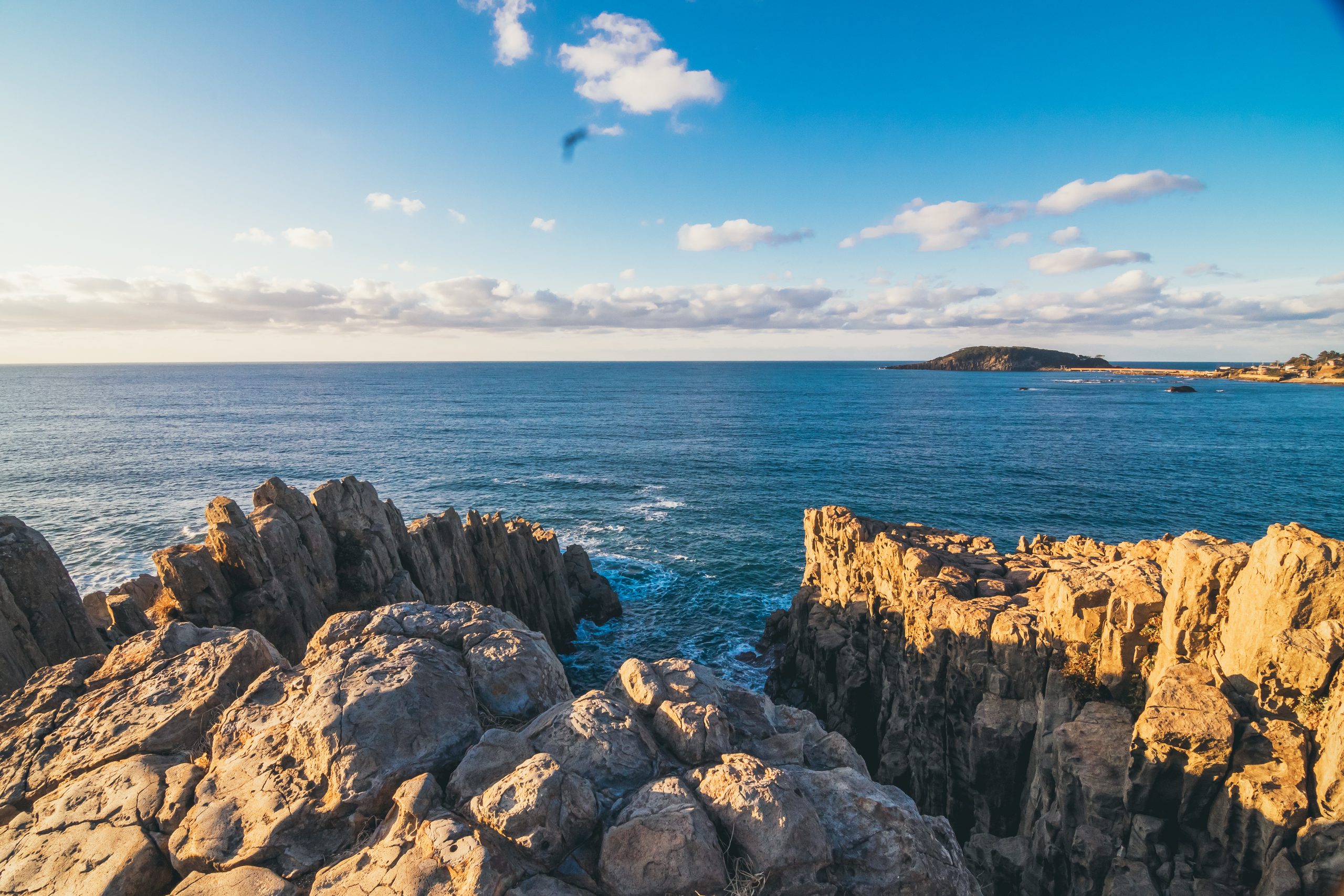
A short bus ride brings you to the Tojinbo Cliffs, among Fukui’s most iconic scenic sites, where natural stone columns formed through volcanic activity rise above the Sea of Japan. The cliffs offer a dramatic change of scene from Mikuni Minato’s peaceful streets, but just watch your step — there are no safety guardrails at the edge!
Getting there
Homachi Auberge is about 20 minutes by car from Awara-Onsen Station, which can be reached in around three hours from Tokyo or 30 minutes from Kanazawa by Hokuriku Shinkansen. Homachi Auberge can arrange transfers to and from the station with advance notice.