
Japan’s rush-hour trains can be overwhelming, but knowing a few simple etiquette rules makes the experience much easier. Whether you’re visiting or moving to Japan, this guide covers when trains are busiest, where to stand, how to ride respectfully, and practical tips for navigating crowded trains like a local.
When to expect crowds
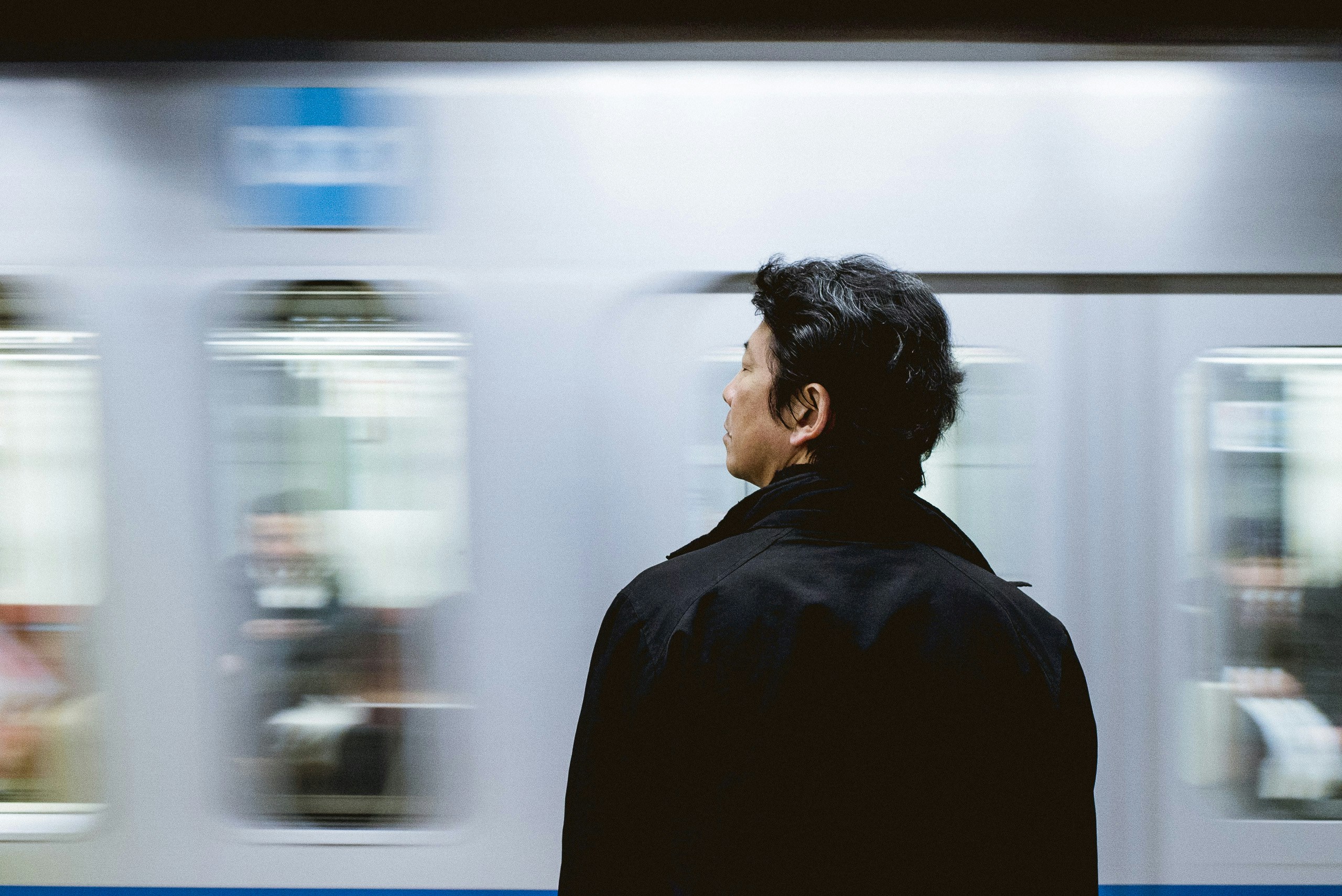
As someone who experienced it almost every day while commuting to school, I can say without a doubt that Japan’s morning rush can be intense, especially in the big cities. If there are delays, people are willing to push their way onto an already packed train just to get to work on time, even if it seems virtually impossible. (After all, the next train will probably be just as full.)
It’s not just the morning commute, though. Crowded trains are also common during the evening rush, after major events such as fireworks festivals and soccer matches, and on the last train of the night.
Handy rules
Boarding the train
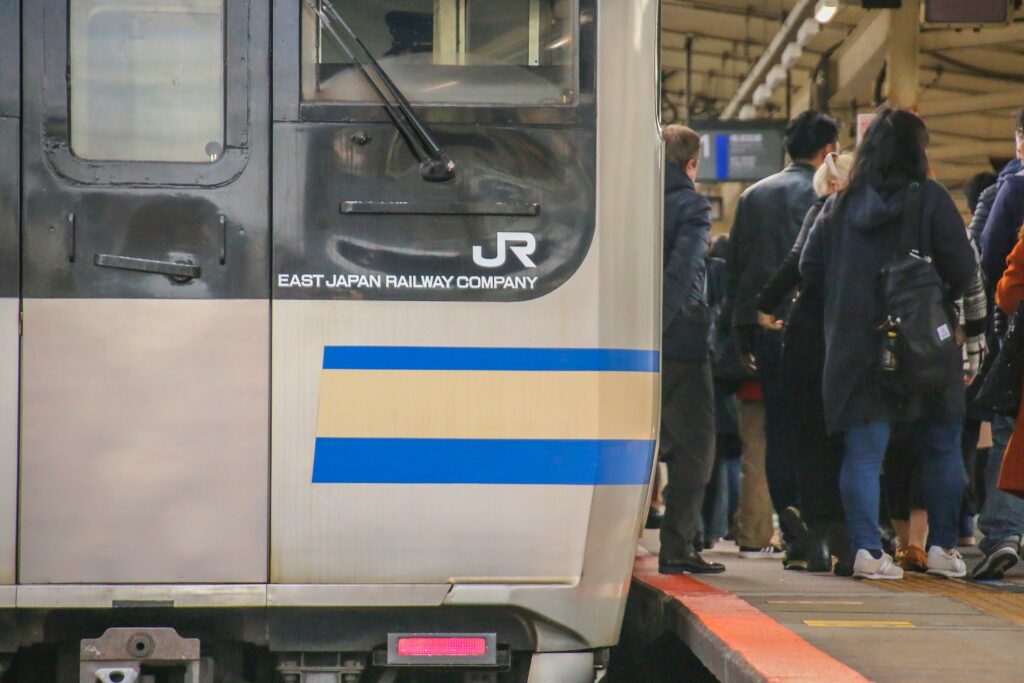
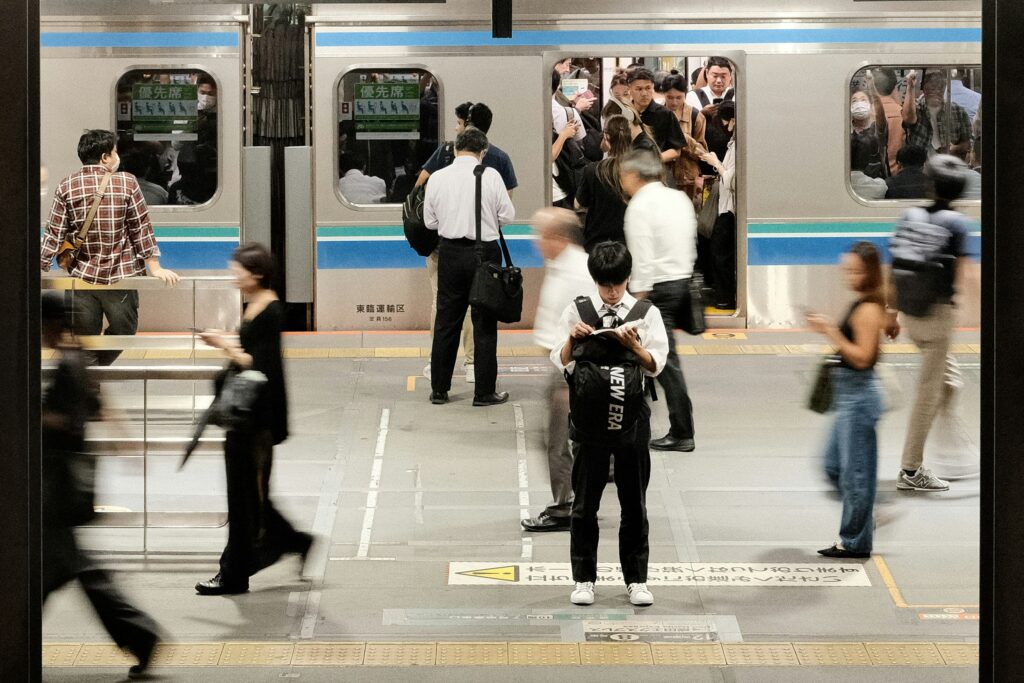
Boarding a crowded train in Japan might seem chaotic, but there are rules that help keep things orderly. First, line up properly on the platform by following the markings and taking cues from other passengers. When the train arrives, step to the side and let passengers exit before boarding. Once inside, move as far into the carriage as possible.
Where to stand
Getting a seat is ideal, but if you’re standing, try to find a spot in front of a seat or between rows of standing passengers. Avoid standing directly in front of the doors whenever possible, as this area is the busiest and sees the most movement as people get on and off the train. On the other hand, the space between the doors and the corner seat is often a great place to stand. You’re less likely to be in the way of other passengers, you’ll have a wall to lean against, and you’ll still have easy access to the doors when it’s time to get off.
This backpack trick will make you look like a local
If you have a backpack, take it off and hold it against your chest. This gives the person behind you a little more space and helps prevent accidental bumps. Likewise, try to take up only as much space as you need.
Mind your manners
Last but not least, remember basic manners. Keep conversations quiet, avoid eating or drinking, and be considerate of your fellow passengers. Before long, you’ll be navigating Japan’s busiest trains like a pro.
Staying safe
One more important point: unfortunately, some people take advantage of crowded trains to grope other passengers, particularly women. Be mindful of where you place your hands to avoid accidental contact or misunderstandings. If you are harassed or feel unsafe, don’t hesitate to call for help or alert a station attendant or train staff as soon as possible.
Choosing a commute
While riding a packed train is certainly an unforgettable experience, doing it every day can wear you down. If you’re visiting Japan, try to plan your travel so you can avoid rush hour, especially if you’re carrying luggage — you don’t need the extra stress.
If you’re moving to Japan for work or study (or simply relocating within the country), research the train lines you’ll be using to commute and factor them into your housing search. The Japanese government publishes annual data on congestion across major urban train lines, but riding your prospective route during rush hour yourself will give you the clearest idea of what to expect.
Good luck out there, everyone!