
Daijoubu is a very versatile word in Japanese that generally means “I’m okay” or “It’s okay.” However, it can be used to mean both “yes” and “no” depending on the situation, so it’s important to pay close attention when you hear the dulcet tones of daijoubu.
Defining daijoubu
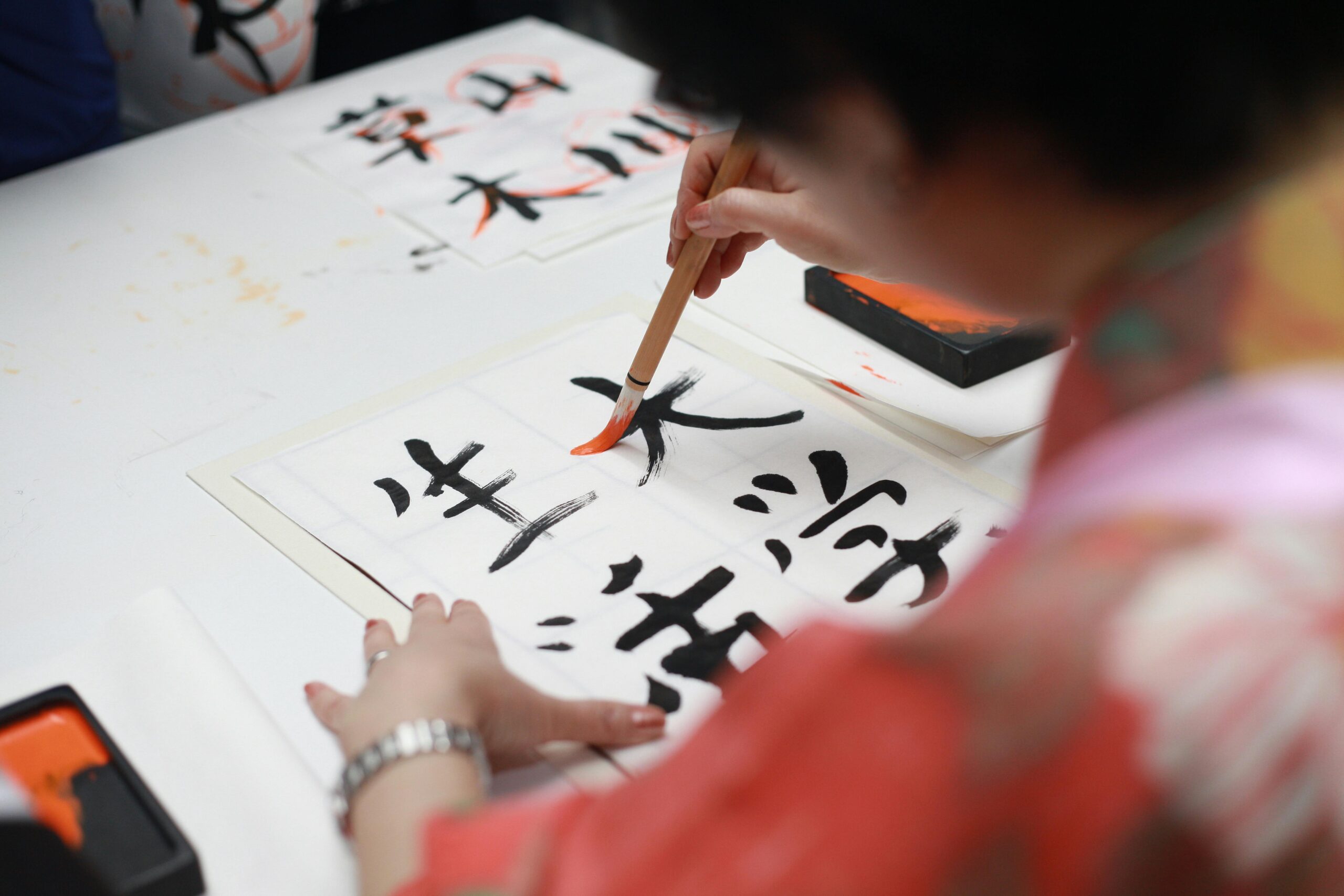
In Japanese, daijoubu is written 大丈夫. Joubu (丈夫) means “strong” or “sturdy,” so adding dai (大, meaning “big”) would literally give you something like “very strong.” Looking at each character individually, they can also be interpreted as “big, strong man,” as Coto Japanese Academy points out. Over time, the word came to be used as an everyday expression conveying a sense of safety and stability, essentially meaning “okay.”
Examples!
For example, if you accidentally trip and fall, your friend might ask you, “Daijoubu?” (“Are you okay?”) If you’re not hurt and totally fine, you can reassure them by saying, “Daijoubu.” (“I’m okay.”)
On the other hand, if a server asks if you’d like your water refilled while dining at a restaurant and you don’t need any more, you can politely decline by saying, “Daijoubu desu,” which in this case means “No, thank you, I’m fine without it.”
Daijoubu can also be used to give reassurance, confirm something, ask permission, and more. Versatile, right?

Becoming daijoubu at high-context communication
Daijoubu can be one of those words that trips people up, especially those coming from cultures where communication tends to be low-context, with lots of clear, explicit details. Japan, meanwhile, is considered to have a high-context communication style, leaving many details unsaid. That means it can sometimes be hard to tell whether someone means daijoubu as “Yes, okay” or “No, thank you.”
Even if you come from a low-context communication culture, you can get the hang of it with practice and by building your situational awareness. And simply knowing that daijoubu could mean yes or no will already give you a leg up. That said, if you’re ever unsure what daijoubu means in a particular situation, just double-check! You can be a great communicator even if you’re not quite a daijoubu master yet.
Not quite daijoubu yet? Here’s an FAQ!
- What does “daijoubu” mean?
-
Daijoubu can mean “I’m okay,” “It’s okay,” or “No, thank you,” depending on the context.
- What does “daijoubu desu ka?” mean?
-
“Daijoubu desu ka?” is a polite way to ask “Are you okay?” or “Is it okay?” In Japanese, ka indicates a question, while desu is used to make the expression more polite or formal. So, for example, if you tripped and fell and a kind stranger (rather than a friend) saw you, they might ask, “Daijoubu desu ka?” The phrase can also be used to ask, “Is it okay to do X?” Usually, what X is will be specified either at the beginning of the sentence or, when words fail, with a gesture. Somehow or other, communication will be achieved!
- Is daijoubu polite?
-
Daijoubu all on its lonesome is fairly casual. Adding desu makes it more polite (see FAQ 2). A more formal way to decline an offer would be kekkou desu, but it’s not necessary for everyday situations.
- What’s the opposite of daijoubu?
-
The opposite of daijoubu is “daijoubu janai” (“It’s not okay” / “I’m not okay”). Don’t worry, daijoubu janai is much less ambiguous than just daijoubu.