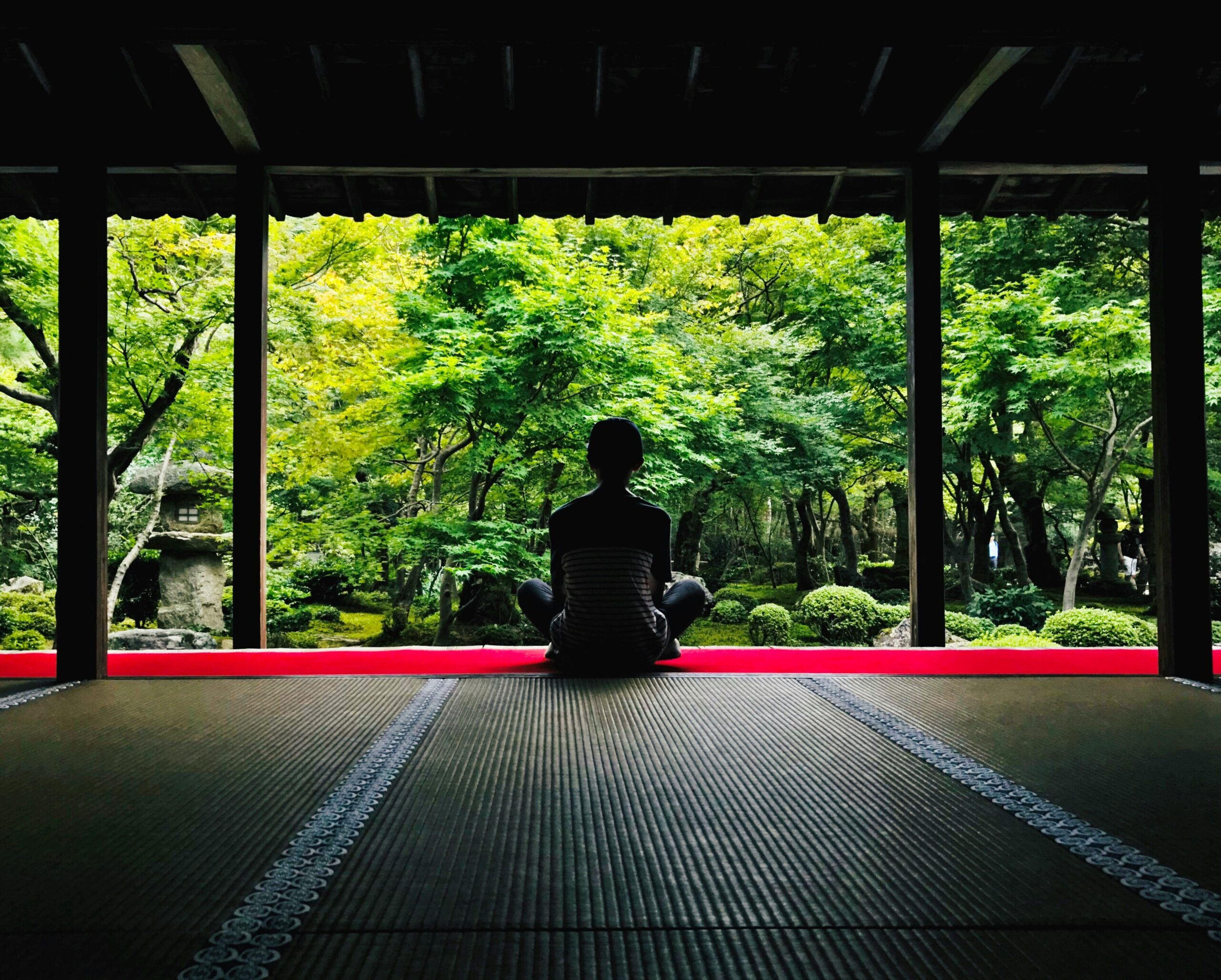
No one knows exactly when it was decided, or who first taught it.
But it exists.
In Japan, there are many understandings shared without being explained.
They are often described as unspoken rules or implicit agreements, but they are not limited to special situations.
They are part of everyday life.
Whether they come from common sense or from experiences accumulated since childhood, I honestly cannot say for sure.
They are simply understood.
Even without clear words, people arrive at the same conclusion.
And interestingly, it is often the act of breaking these understandings that makes them most visible.
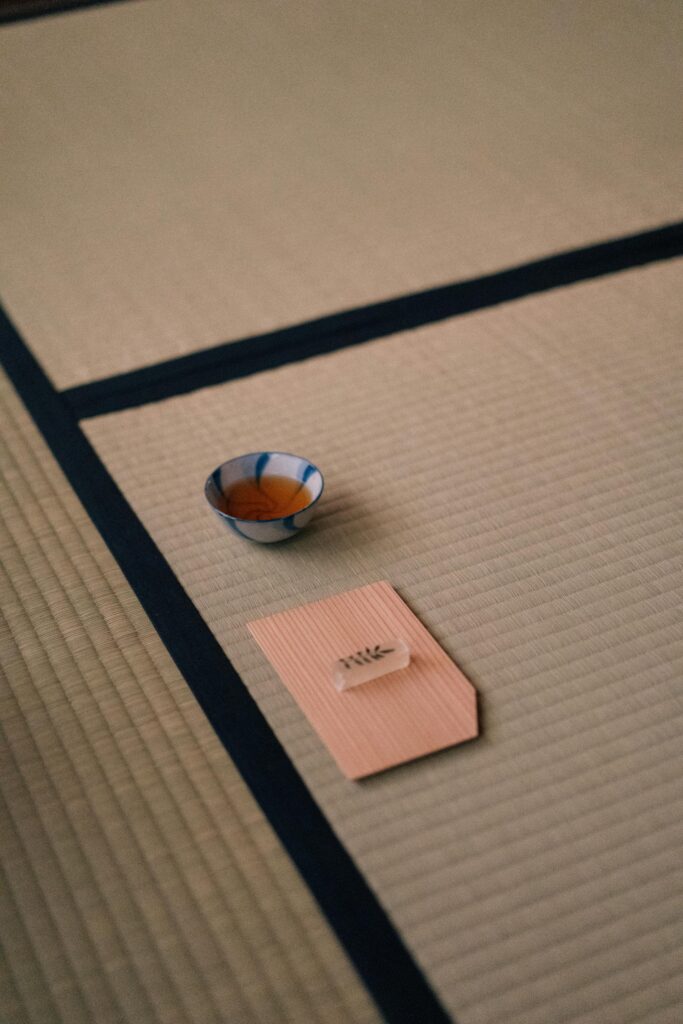
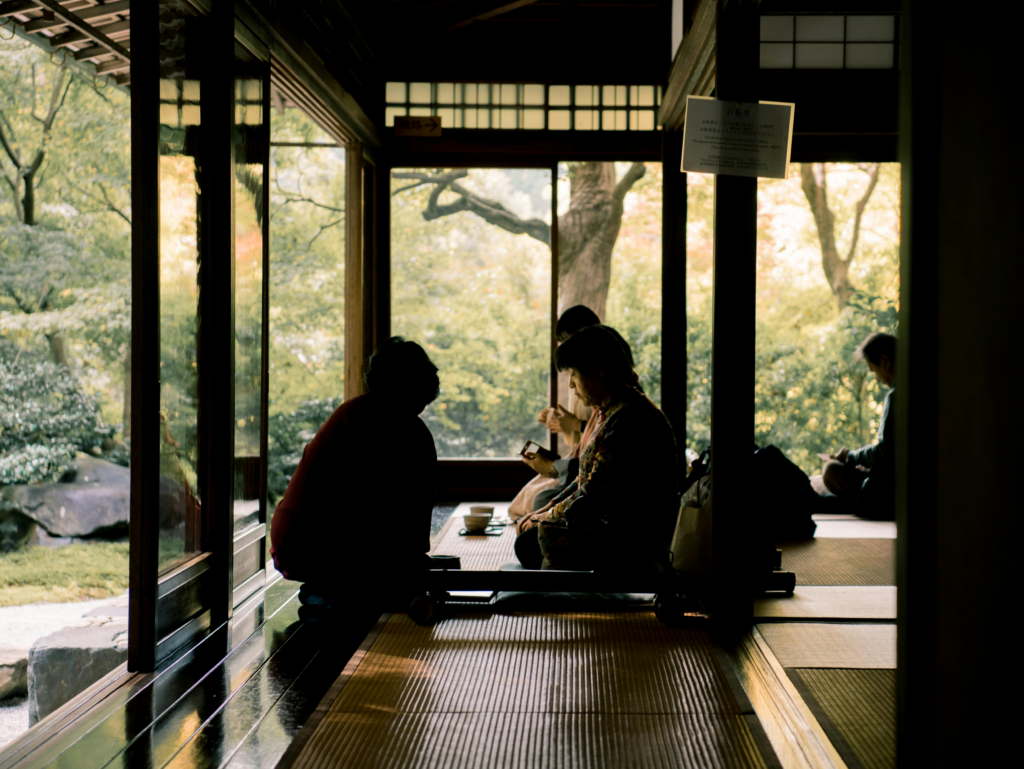
In meetings, there are moments when a topic ends without any explicit opposition. No one formally announces a decision.
And yet, everyone understands that the discussion has ended.
For Japanese people, this is not unusual.
I once read an article describing how internationals were surprised by scenes in Japan after a major earthquake.
Even while receiving emergency drinking water, people quietly lined up and waited their turn.
It was observers from outside Japan who found this remarkable. For Japanese people, it felt natural.
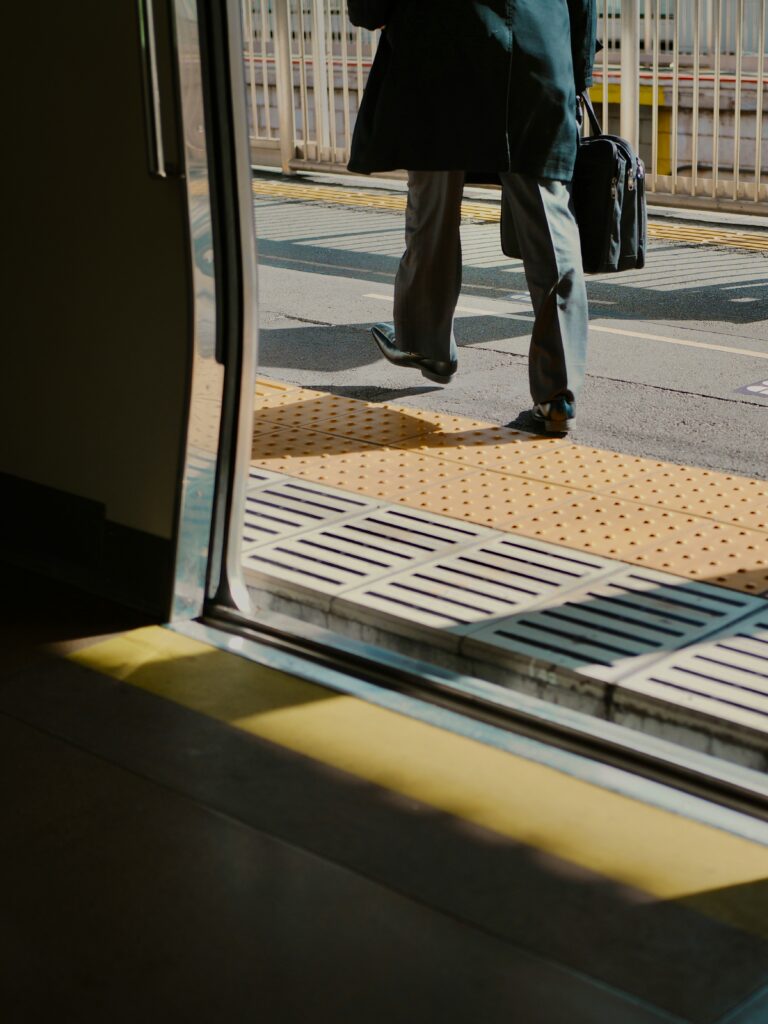
The same pattern appears every morning during rush hour at train stations.
A train arrives.
Passengers wait for others to step off first, and only then do they board.
No one is giving instructions.
Even without announcements, most people act in the same way.
Before thinking of it as “good manners,” we already know what to do.
These behaviors are not laws or formal rules.
They are not written down anywhere.
And yet, when someone ignores them, they may be met with a silent question: Why don’t you understand?
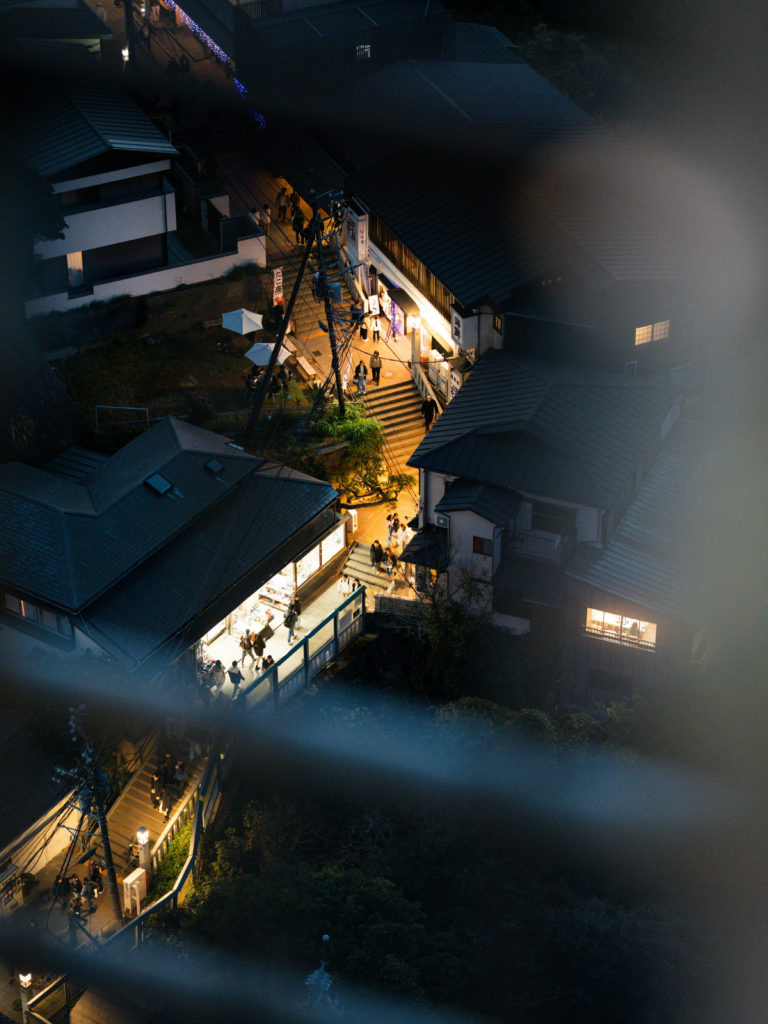
Unspoken understandings quietly shape the space between people.
Sometimes, they function as a form of order.
At other times, they become a source of pressure.
I grew up within this atmosphere, and in some ways, it protected me.
By “reading the air,” unnecessary conflicts could often be avoided.
There were moments when I felt that we understood each other without words.
At the same time, there were moments of discomfort.
There were times when distance appeared without any explanation of what had gone wrong — times when asking for reasons only deepened the silence.
Many internationals hear the word omotenashi soon after coming to Japan.
It may be a word that represents Japanese people themselves.
Omotenashi means caring for others without expecting anything in return.
It is a quiet and deeply rooted expression of kindness cultivated within Japanese culture.
Finding joy in another person’s happiness.
Preparing in advance, beyond what is requested, for the sake of someone’s smile.
It is not simply customer service or hospitality.
It can be seen as unspoken understanding taking the shape of consideration.
Even so, I cannot completely reject these implicit agreements.
I am still living within them.
What is shared,
and what remains unexplained —
the boundary between the two is still unclear to me.