
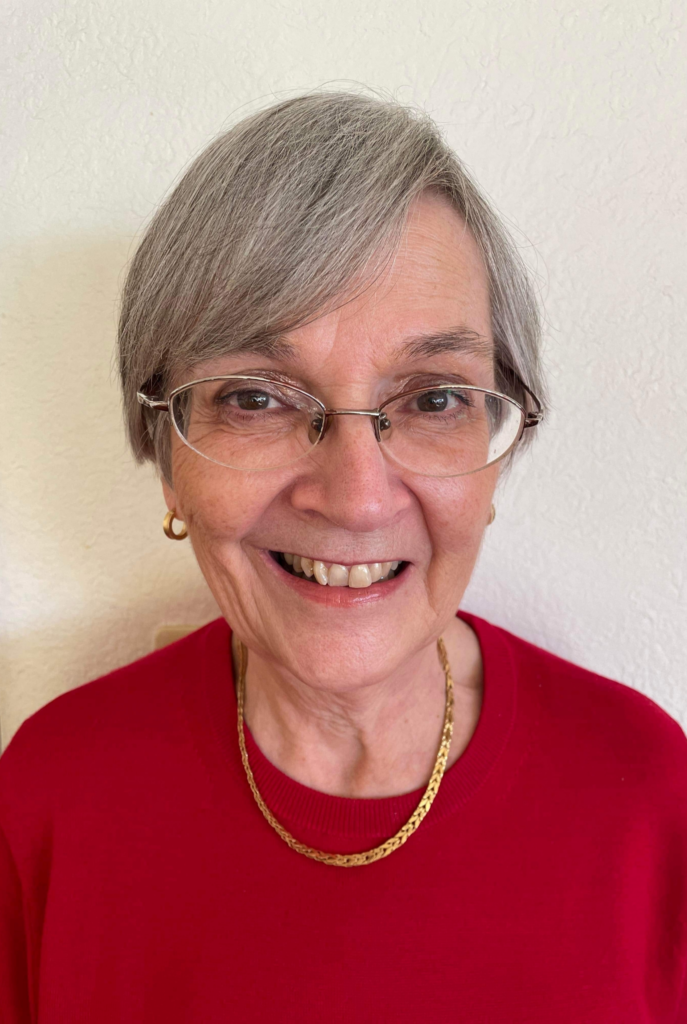
Diane Hawley Nagatomo is a familiar name among university English language teachers in Japan, having spent nearly 30 years as a respected teacher, researcher, and writer at Tokyo’s prestigious Ochanomizu University. Since semi-retiring in 2022, however, Nagatomo has been steadily making a name for herself in a new field: fiction writing. She has been impressively prolific in this new career, publishing a critically acclaimed novel each year since 2023. She is continuing that streak with her latest work, due out this fall. While all of her novels are at least partially set in Japan, Nagatomo never imagined she would one day be writing about the country from the perspective of someone who has lived here for more than 40 years.
Beginnings in Japan
After a life-changing first trip to Japan in 1973, Nagatomo eagerly returned in search of a job in 1979. In those good old days of English teaching in Japan, she was able to pick up a copy of The Japan Times and secure an eikaiwa job within days of her arrival. At the time, Nagatomo’s plan was to stay just long enough to master Japanese before returning home to become an elementary school teacher. She admits, “I’m one of the many, many people who came to Japan thinking they’d only stay for a year — and then never left.”
But stay she did, quickly working her way up the English teaching ladder. After just six months in eikaiwa, she made the transition into higher education, first at Chiyoda Business College and then at Tamagawa University. Hired by Ochanomizu University in 1995, she remained there until her retirement 28 years later, obtaining her PhD from Australia’s Macquarie University along the way, with a focus on teacher identity.
Textbook and academic writing
Although Nagatomo didn’t publish her first work of fiction until 2023, she put her creative talents to constant use throughout her long teaching career, beginning as a textbook writer. She consistently published textbooks for Japanese university English classes, writing more than 10 in total. They ran the gamut from textbooks on culture to those focusing on speaking and writing skills. Nagatomo even returned to her initial aspiration of mastering Japanese by writing a Japanese phrasebook for the Point and Speak series.
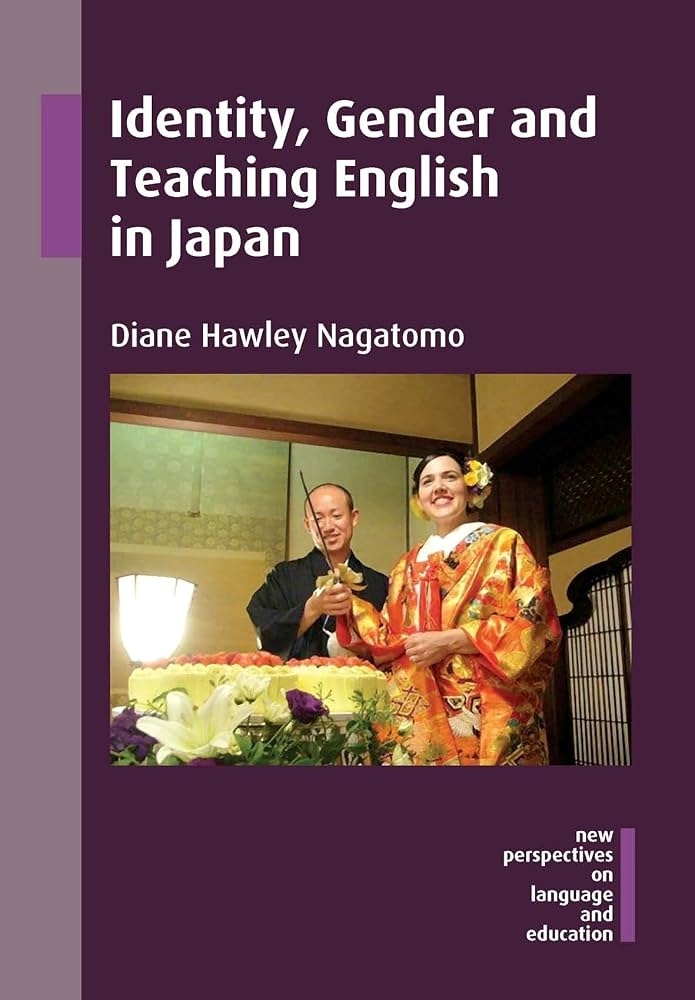
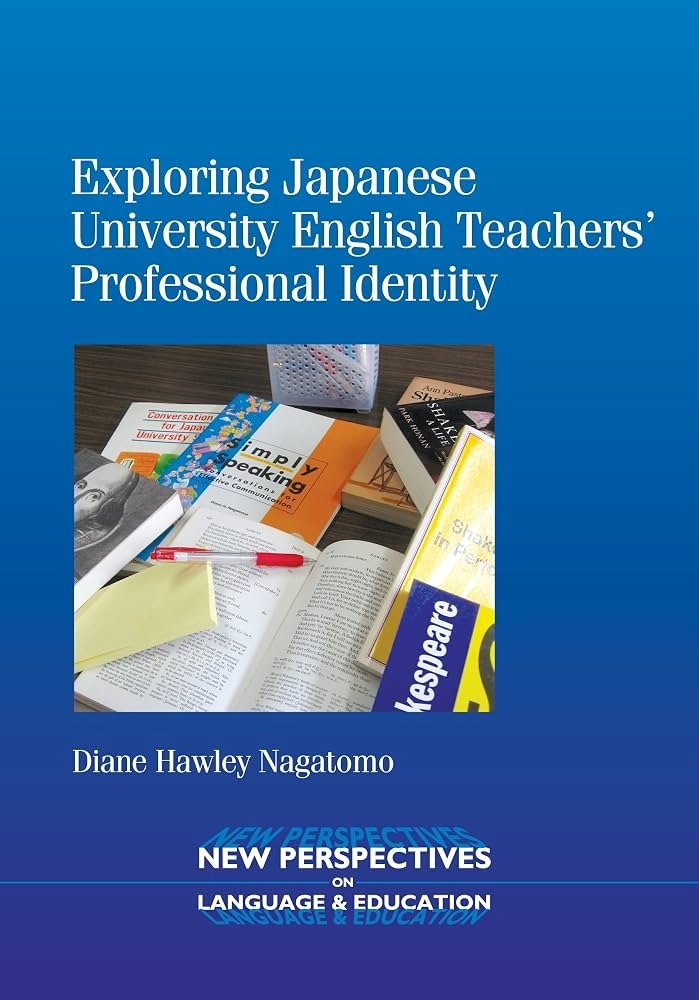
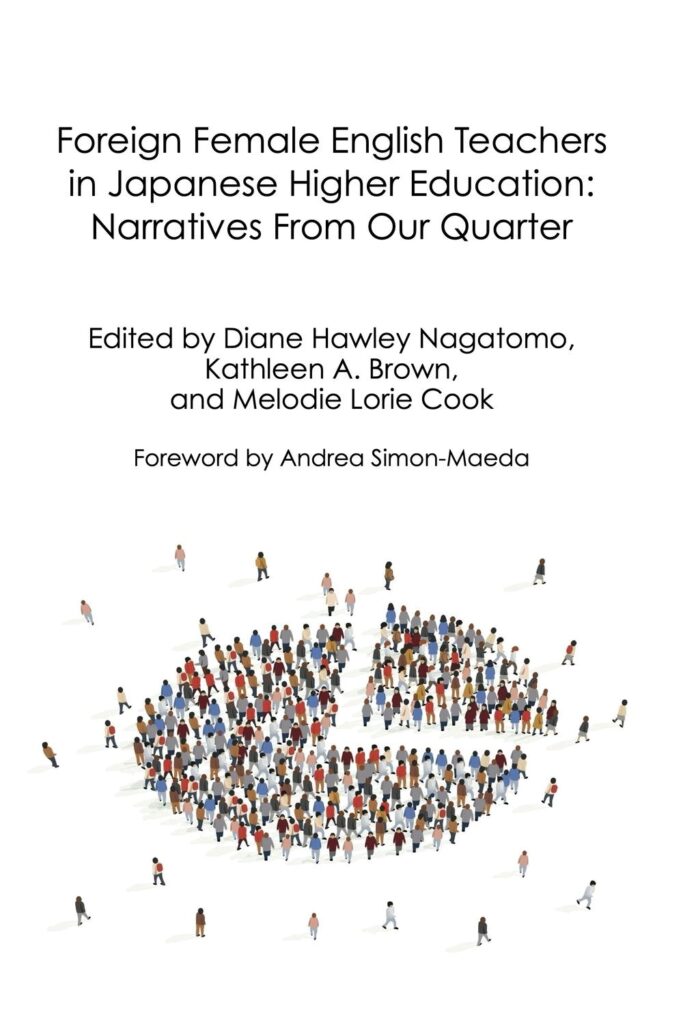
In the 1990s, Nagatomo first dipped her toes into the world of academic writing, contributing initially to in-house journals before later publishing in external journals, particularly after completing her doctorate. Her academic work culminated in two monographs and an edited volume, all of which explored identity and gender issues faced by international teachers in Japan.
Fiction writing
When Nagatomo made the transition to fiction writing, it certainly wasn’t a spur-of-the-moment lark, but rather an endeavour that had been simmering for decades. She first dabbled in fiction writing in the early 2000s but was sidetracked by her PhD and other commitments. Thanks to a supportive writers’ group in Tokyo and the encouragement of Japan-based expat writers such as Karen Hill Anton and Suzanne Kamata, however, she always kept the dream of publishing fiction alive.
While Nagatomo sees fiction writing as a breath of fresh air compared with the rigidity of academic writing, this new creative outlet has allowed her to continue exploring critical themes such as identity and self-discovery. Nagatomo has clearly followed the timeless advice to “write what you know.” Each of her novels features a female protagonist at a crucial turning point, often grappling with issues of cultural belonging and identity. Although Nagatomo has now called Japan home longer than anywhere else, she is no stranger to crossing cultures, having been born in the UK and lived in Nebraska, Spain, Massachusetts, New Mexico, and California before settling here.
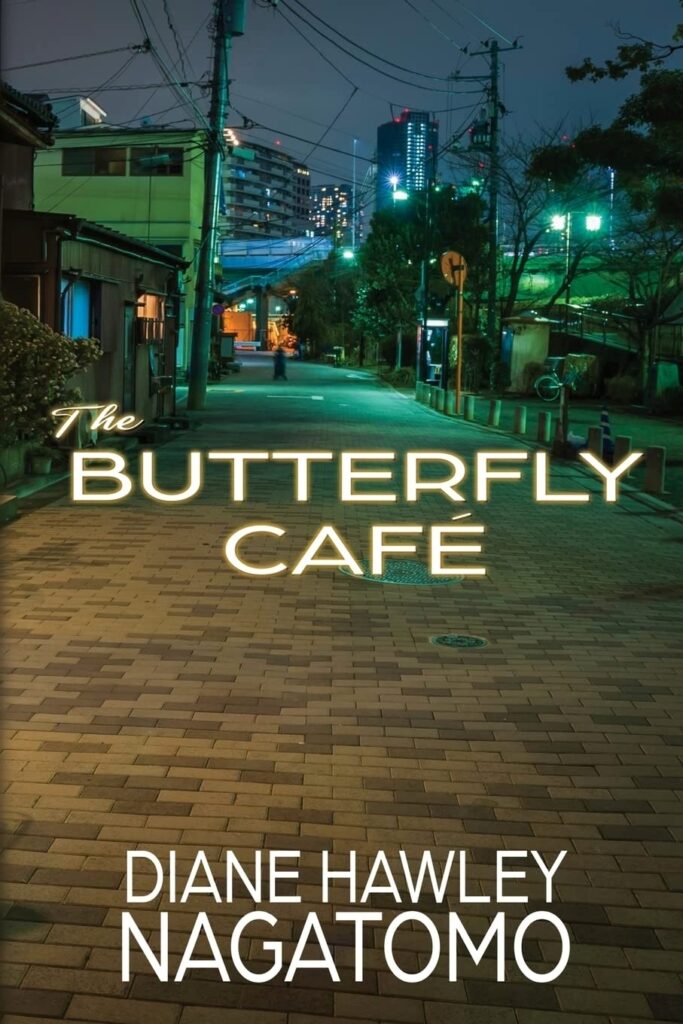
In her debut novel, The Butterfly Cafe, an American woman in Tokyo is widowed after her emotionally abusive husband perishes in an accident. Forced to pick up the pieces, she balances running a ramshackle cat cafe she suddenly inherits with raising her young daughter.
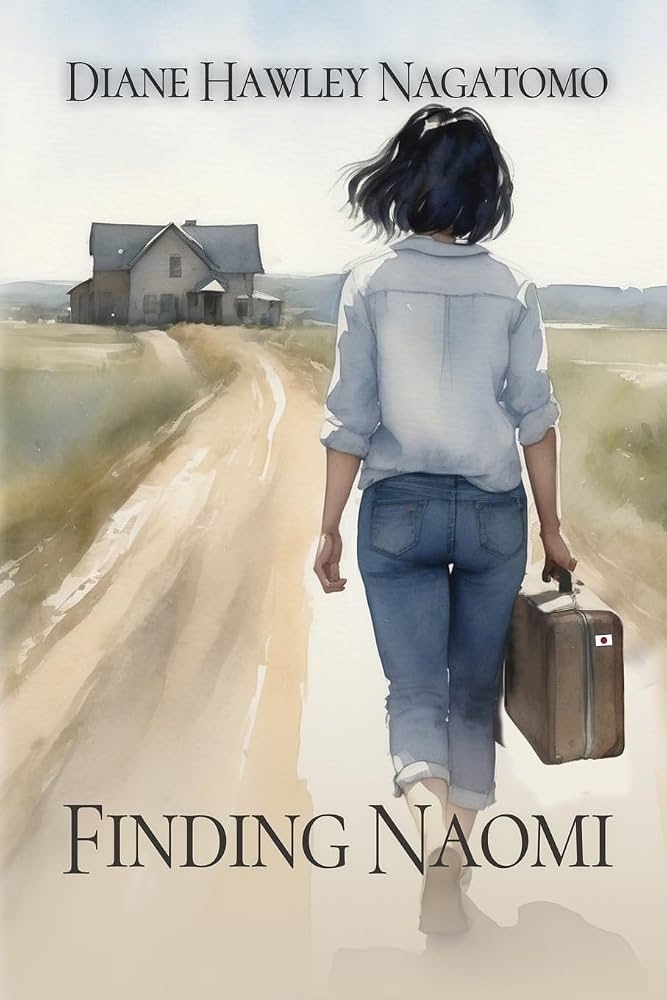
In 2024’s Finding Naomi, a young half-Japanese, half-American woman relocates from Tokyo to rural Nebraska, where she must spend a year before she can claim her American father’s inheritance. Here, Nagatomo’s descriptive skills as a writer shine, as she knows both of these disparate worlds and draws on her familiarity with them to deftly capture Naomi’s sense of disorientation after being transported from Japan’s vibrant, bustling capital to the American heartland.
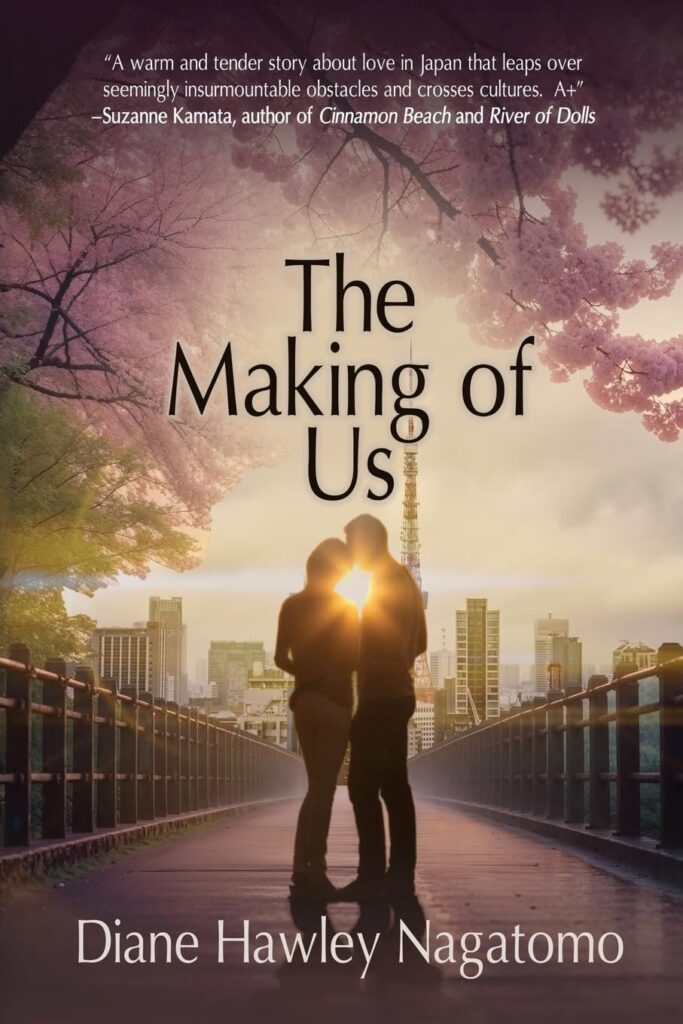
Finally, in 2025’s The Making of Us, we see a female protagonist travelling in the opposite direction, as Rose Millstone flees heartbreak in her native Nebraska for an English teaching job in Tokyo. Much like Nagatomo herself, Rose initially sees Japan as only a temporary adventure, but an unexpected romance forces her to make the daunting choice between rural Nebraska and urban Tokyo.
One aspect of Nagatomo’s writing I particularly appreciate is that she doesn’t over-explain Japan. In my days as a creative writing major at the State University of New York at Oswego, Professor Leigh Wilson would constantly remind our class of aspiring fiction writers to “Show me, don’t tell me!” Japan simply happens to be the setting for much of Nagatomo’s fiction because it is what she knows (along with places such as rural Nebraska). As someone who also made the journey from small-town America to Japan, I can relate to many of the details Nagatomo shares (like the initial shock of corn on pizza!).
While her descriptions take me on an entertaining stroll down memory lane, for readers less familiar with Japan they offer a fascinating glimpse into an unknown world. Both types of readers can equally enjoy Nagatomo’s captivating storytelling, and no specific knowledge of Japan is necessary to appreciate her books. Although Nagatomo included a glossary of Japanese terms in her latest novel, she rightfully insists that “the stories themselves are quite universal — they deal with families, friendships, love, and relationships.”
The future
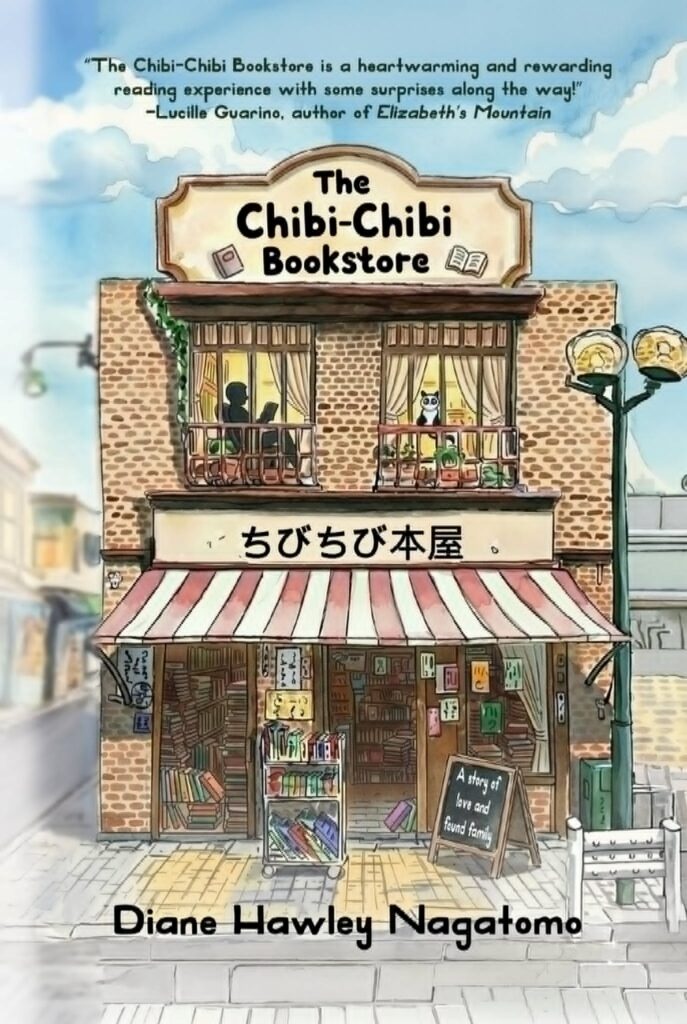
So, what’s next for Diane Hawley Nagatomo? Fans of her fiction will be happy to hear that she has no plans of slowing down. As mentioned, her next book, The Chibi-Chibi Bookstore, will be published this October. While it once again features a female protagonist and a journey of self-discovery spanning the United States and Japan, Nagatomo also promises something completely different from her first three novels. Even more excitingly, she is already working on a sequel that focuses on one of the secondary characters from that novel.
Nagatomo admits that she does not see a return to academic writing, as fiction writing is “just much more fun,” so hopefully readers can look forward to more from this gifted storyteller.