
No, you do not… in most cases. Here are the ins and outs of (not) tipping in Japan.
In restaurants? Nope!
In Japan, good service is expected even without tipping.
In fact, tipping so uncommon that if you were to offer a tip at a restaurant or cafe, your server would probably be very surprised, confused, and simply unsure of what to do. These days, you may encounter the rare cafe with a tip jar, but you are by no means obligated to put something in.
Kokorozuke: Tipping to show appreciation
However, there is a concept called kokorozuke (“coming from the heart”), which is a kind of tipping — a symbol of gratitude — appropriate in certain instances like for a private guide or interpreter.
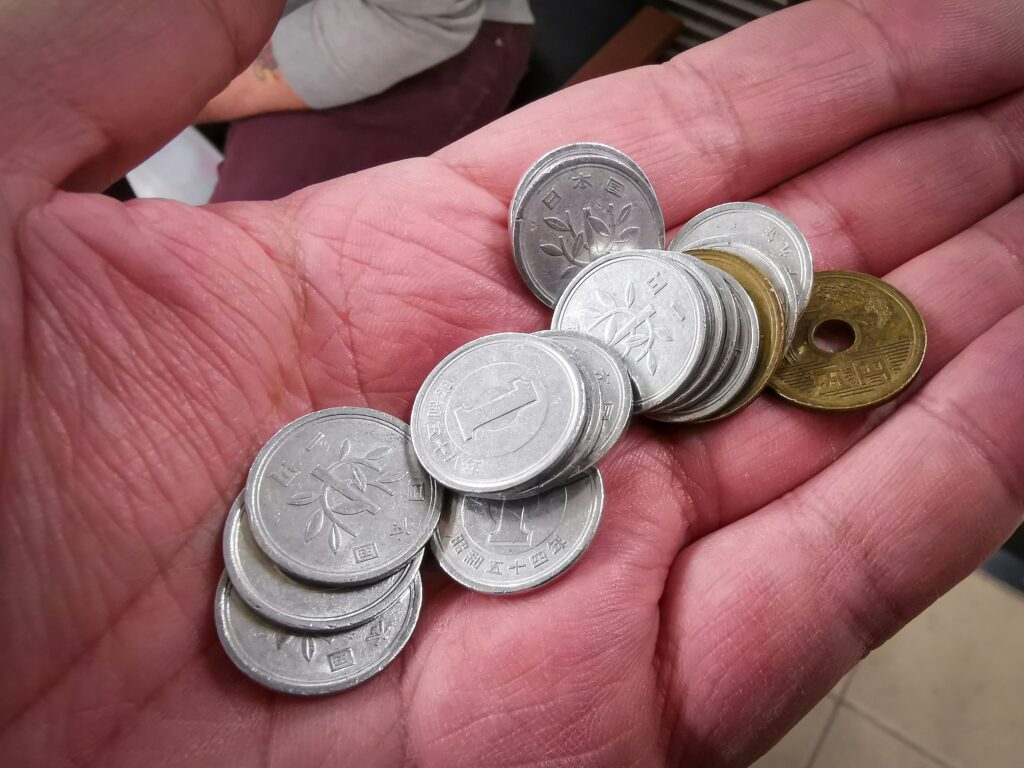
When staying at a traditional ryokan inn, my mother would always discreetly pass kokorozuke to the okami-san (owner) or nakai-san (room attendant) — whoever is the main host taking care of us. This is a very proper and respectful execution of Japan’s traditional tipping etiquette.
My mother would aways put the money (paper bills, not coins) in an envelope, as it’s considered more elegant and discreet than simply handing over naked cash. Small envelopes specifically for this purpose, called “pochi-bukuro,” can be purchased at convenience stores.
If you pay for a cab ride in cash, it’s acceptable — though of course not required — to leave the change as a tip. No envelope required in this case!