
Bushido is a moral code formalized in the Edo Period (1603 – 1868) that emphasized unwavering commitment to a set of values such as loyalty, justice, and honesty. While samurai and warlords no longer exist, the ideals of bushido still permeate Japan today.
History of an idea
The term bushido was first used in the 1600s, according to Encyclopedia Brittanica. However, the idea of a code of conduct for the warrior class developed earlier, around the time of the Japan’s first military government in the Kamakura period (1192 – 1333). Its values include martial spirit, honor, and duty to one’s lord.
After the fall of the Tokugawa shogunate in 1868, and with it the end of the warrior class, the new government repurposed ideas of bushido to provide ethical instruction for society at large, emphasizing loyalty and sacrifice for the emperor and the state in place of a feudal lord.
Some scholars have called bushido an “invented tradition.” Certainly, as with many traditions and ethical codes around the world, bushido has grown, evolved, and been intentionally shaped and reinterpreted across the centuries. Did the warriors of yesteryear always follow a strict moral code, without fail? History is littered with counterexamples and complexity. But invented or not, we can still hear echoes of bushido in modern Japan.
Bushido in modern life
In my experience, I find that the work ethic in Japan is deeply influenced by bushido. During my time as a lifeguard, I noticed how my teenage coworkers, who were usually carefree, transformed into focused and diligent workers once the shift began.
To witness bushido firsthand, observe everyday interactions around you. Notice how workers at convenience stores speak respectfully to their superiors or how cleaning staff meticulously attend to every corner. This dedication to work is another modern reflection of bushido.
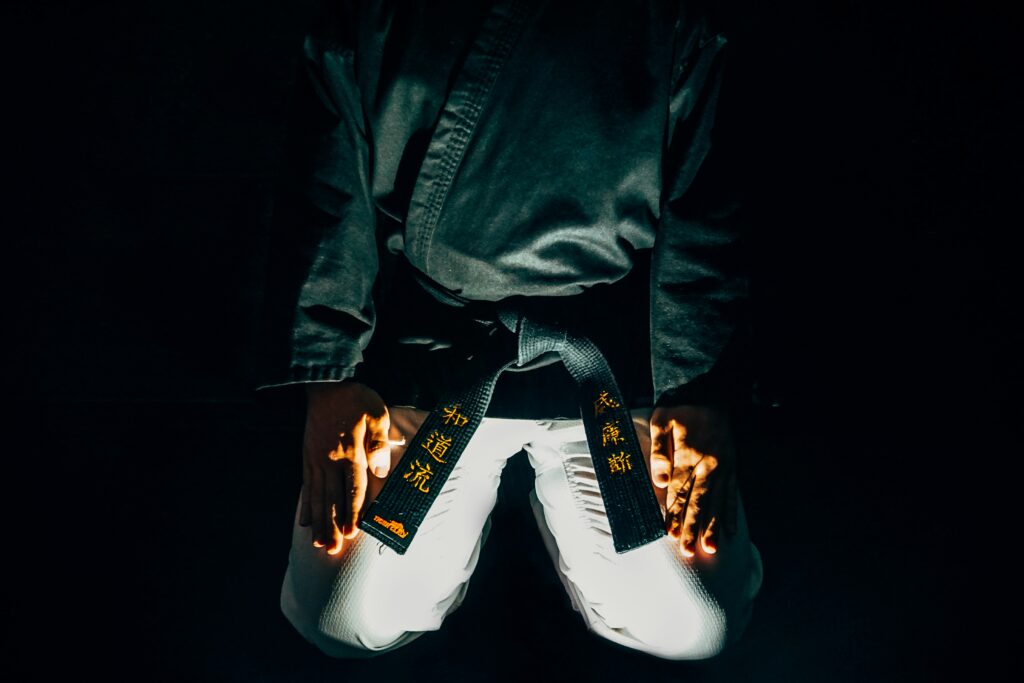
For a more immersive experience, try taking some lessons in martial arts like Karate or Judo. These practices implement bushido’s emphasis on discipline, respect and moral character, training not only the physical but also the mental and spiritual dimensions.
For a deeper and highly nuanced literary understanding of bushido, I recommend reading “The Sailor Who Fell from Grace with the Sea” by Yukio Mishima. Although a controversial author for his extremist views, Mishima’s works are still considered some of the most influential of the 20th century. I must admit I did not fully understand the intricacies of the novel until my second or third read, but if you pay close attention to the character Noboru, you will see how his actions embody the complexities of bushido.