
Heat exhaustion, including heat stroke (nechusho in Japanese) is unfortunately a common occurrence during Japanese summers because of the relentless humidity and intense temperatures. Out of necessity, Japanese people have become masters of protecting themselves from the mighty sun.
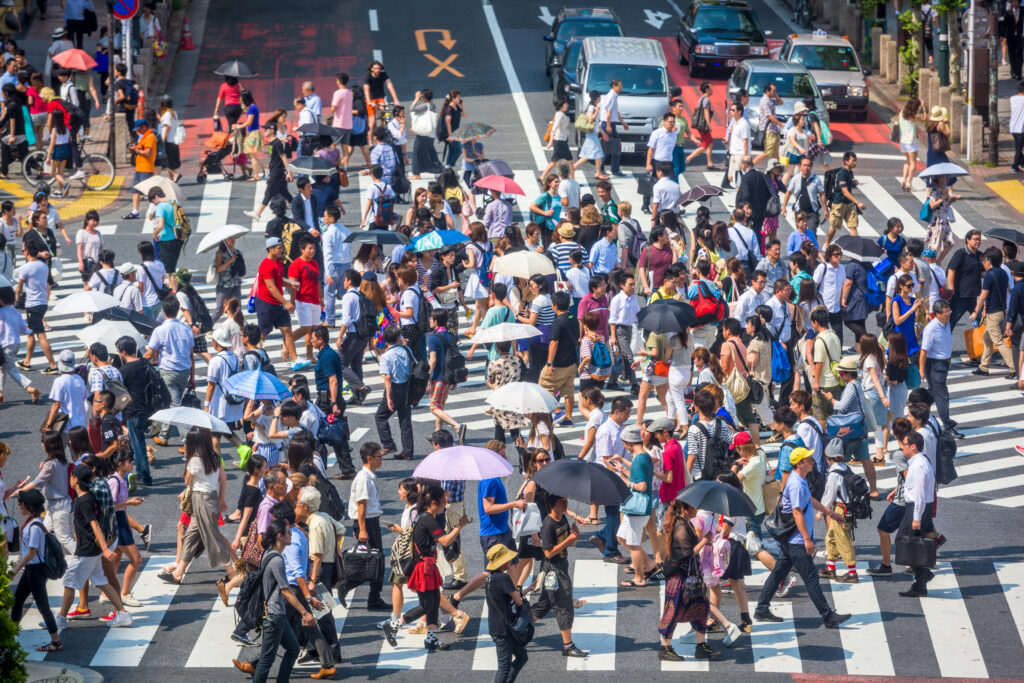
Parasols
One common sight is the use of foldable parasols designed to block UV rays; most can double as rain umbrellas too. People typically carry them in their bags and purses until outside — both convenient and effective.
Parasols aren’t only practical: They can also be a fashion accessory. Major department stores usually have a corner dedicated to umbrellas and parasols, with plenty of choices ranging from cute to elegant to quirky. A certain brand of Japan-made umbrellas and parasols has even been designated as a traditional craft by the Tokyo Metropolitan Government.
Parasols aren’t just for women, either. After 2025’s record-breaking summer temps, a Tokyo government survey found that over 40% of men also used parasols to block the sun’s piercing rays, with almost half of male users saying they started using a parasol that year. Go boys!
Sunscreen and covering up
Still, if you prefer not to carry around a parasol, at the very least, I highly recommend putting on a hat and using plenty of sunscreen, which you can find at pharmacies, supermarkets, and even convenience stores.
You might even see ladies with full-on arm covers and a hardcore sun visor (a face cover made with dark, see-through plastic). That’s when you know protecting yourself from the sun in Japan is serious business.
Stay informed
As in many hot and humid places, summer heat is a matter of public health in Japan. Alongside record heat, 2025 also saw a record number of heat stroke hospitalizations — more than 100,000. Society is adapting, as climate change means that we are in for more hot summers ahead. Some outdoor events, from school sports days to traditional festivals, are being rescheduled avoid the heat, and the government strengthened legislation around work on hot days.
You can check the current heat stress conditions and heat stroke alerts via a government website. The site suggests that those in red zones should refrain from all outdoor exercise.
Japan has many amazing summer traditions — understanding the weather and protecting yourself from the heat means that you can make the most of them!