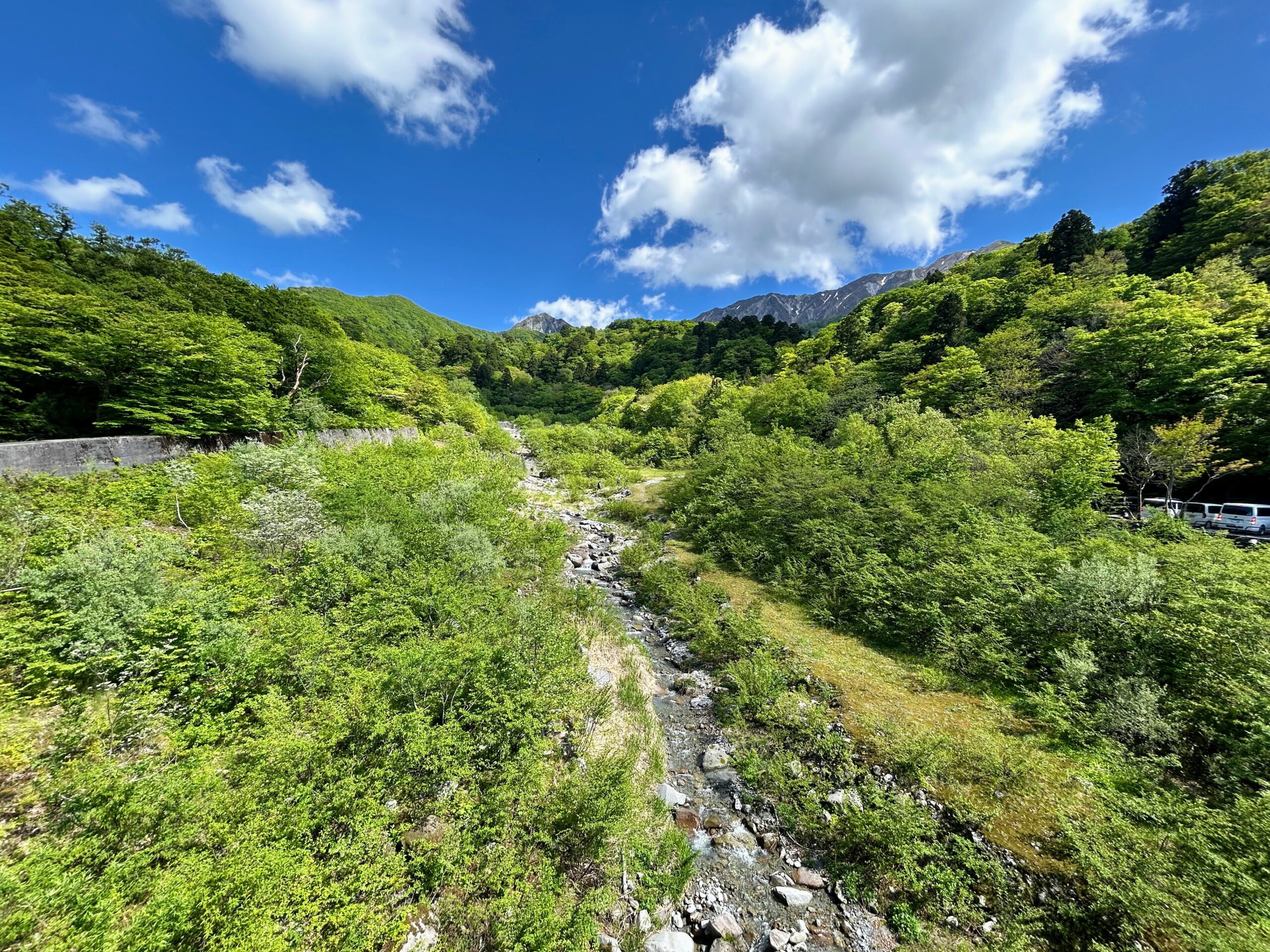
We awoke to another beautiful day and set off from our city-center parking spot in Matsue towards Tottori Prefecture, where folklore, spectacular scenery, and fresh local produce awaited.
A walk among mythical yokai
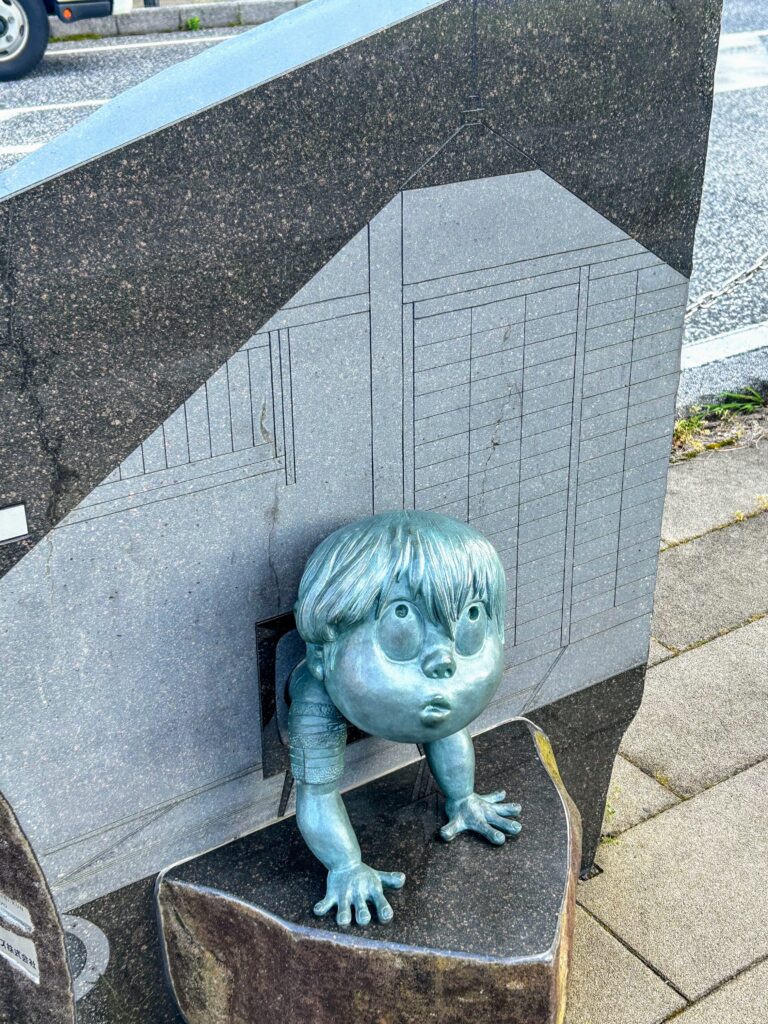
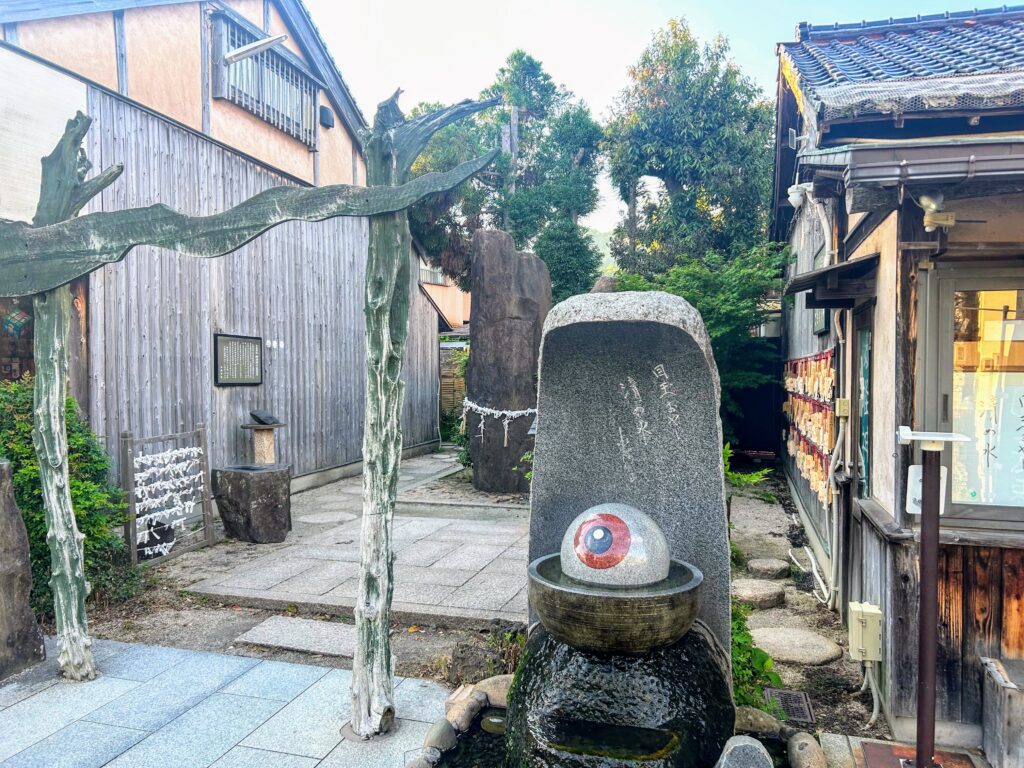
Our first stop was Mizuki Shigeru Road in the coastal city of Sakaiminato. Dedicated to the legendary manga artist Mizuki Shigeru (1922 – 2015), creator of the hugely popular GeGeGe no Kitaro series, the road celebrates the fascinating world of yokai — the supernatural creatures and spirits of Japanese folklore. Stretching for almost 800 meters from the railway station, it is lined with more than 170 bronze statues depicting these mythical characters.
Even visitors unfamiliar with the stories might find themselves smiling as they wander from one sculpture to the next. Some creatures appear mischievous, others slightly eerie, while many are surprisingly cute. Every few meters, another character waits to be discovered.
The entire street embraces the theme. Shops sell everything from yokai-inspired souvenirs and sweets to locally produced seafood, while cafes serve creative desserts decorated with familiar characters from the manga. Even street lamps, artwork and public facilities continue the supernatural theme, creating an attraction that feels both quirky and unique.
Journeying into the sacred mountains
Leaving the coast behind, we began climbing inland towards Mt. Daisen, a stunning natural landmark rising 1,729 meters above sea level and the highest peak in the Chugoku region. The mountain has long been known as the Mt. Fuji of Western Japan, thanks to its graceful profile. As we approached, the winding roads offered spectacular scenery at every turn. Dense cedar forests gave way to sweeping views across rolling farmland, while occasional openings in the trees revealed dramatic glimpses of the summit towering above us.
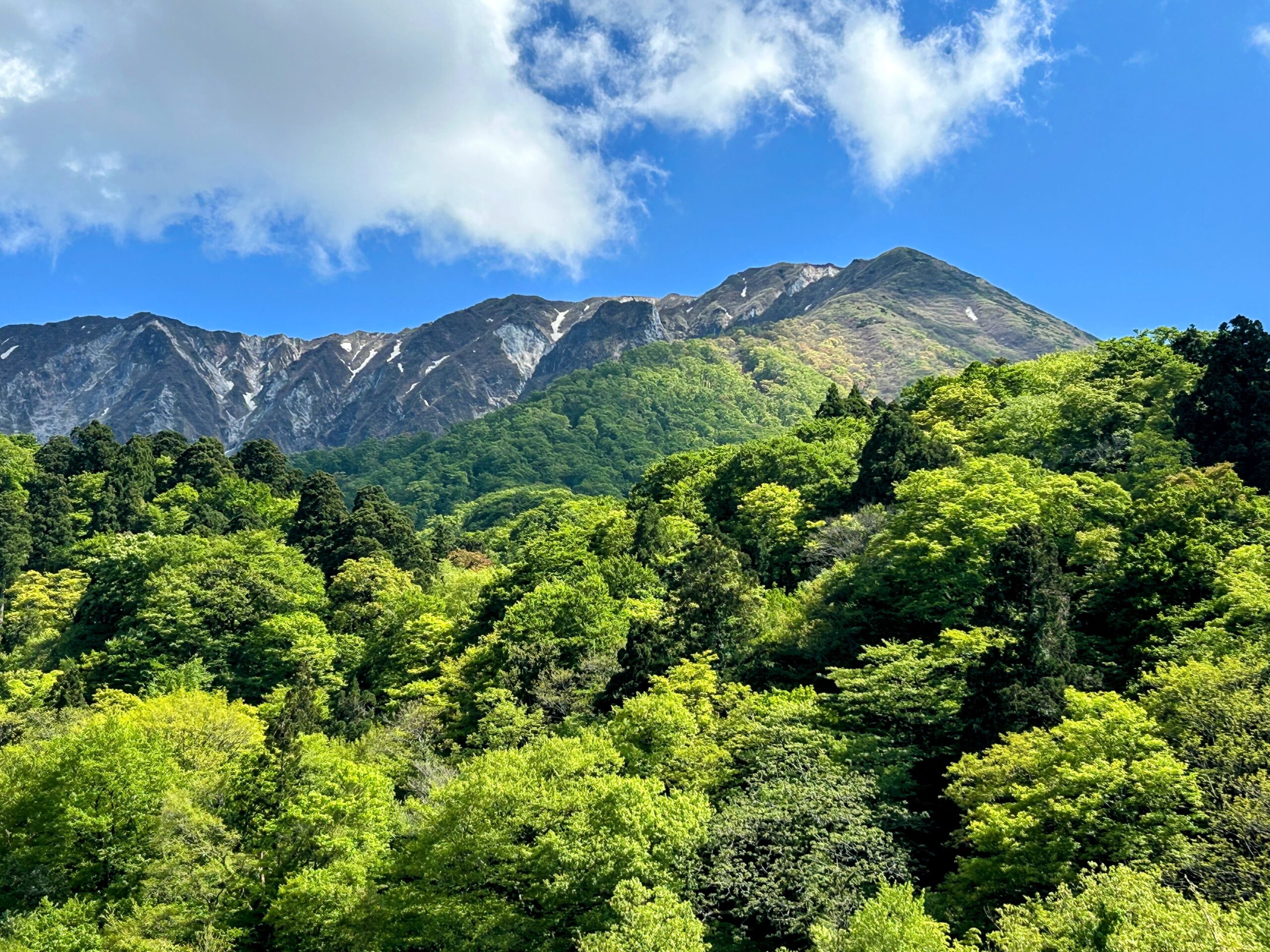
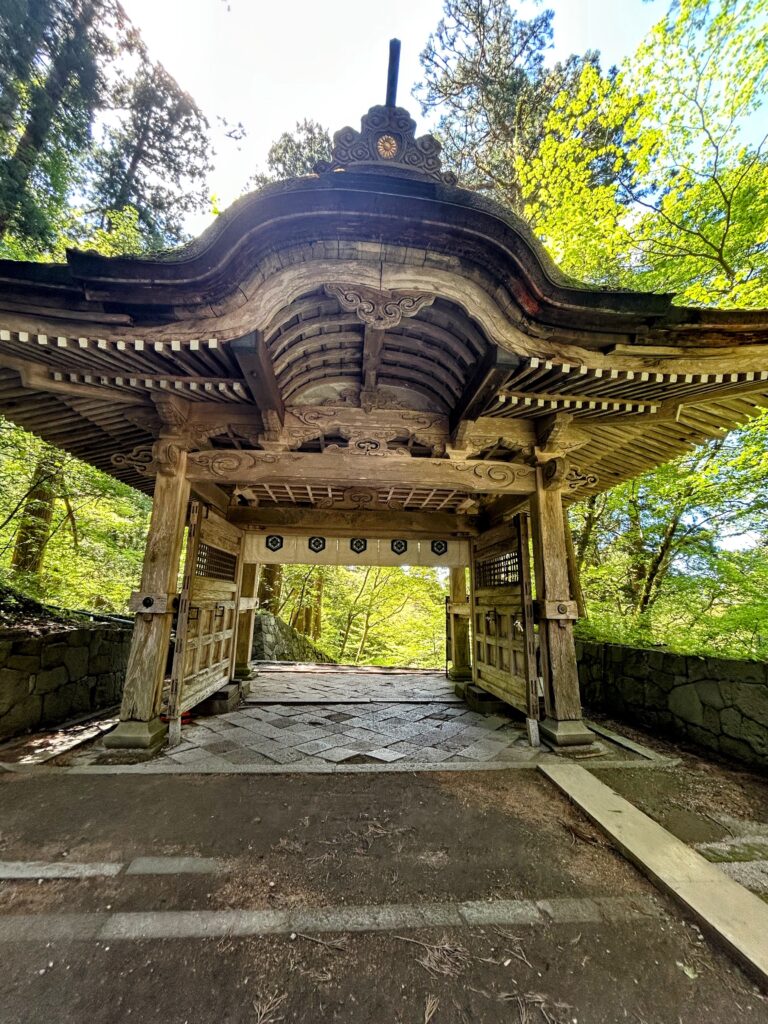
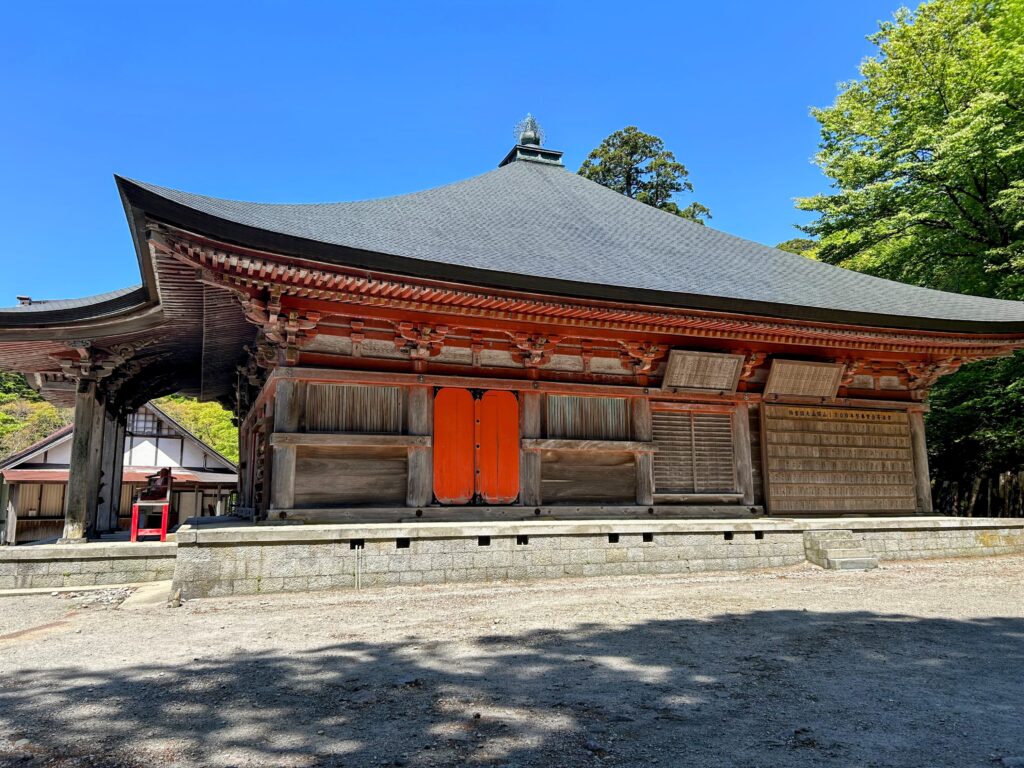
Before mountaineering became a recreational activity, peaks such as Daisen were regarded as sacred places where monks trained and pilgrims came to worship. This history can still be seen at Daisen-ji, a temple near the base of the mountain that dates back more than 1,300 years.
A broad stone pathway shaded by giant cedar trees led us up to the temple complex, where the gentle sounds of flowing streams, birdsong, and rustling leaves replaced the noise of traffic. Moss-covered stone lanterns hinted at the generations of pilgrims who had made the journey before us. We spent some time exploring the grounds, appreciating both the peaceful atmosphere and the magnificent backdrop provided by Mt. Daisen.
Although many experienced hikers continue beyond Daisen-ji towards the summit, simply visiting the temple allows travelers to experience much of the area’s remarkable beauty without undertaking the full climb.
A taste of Mt. Daisen’s dairy delights
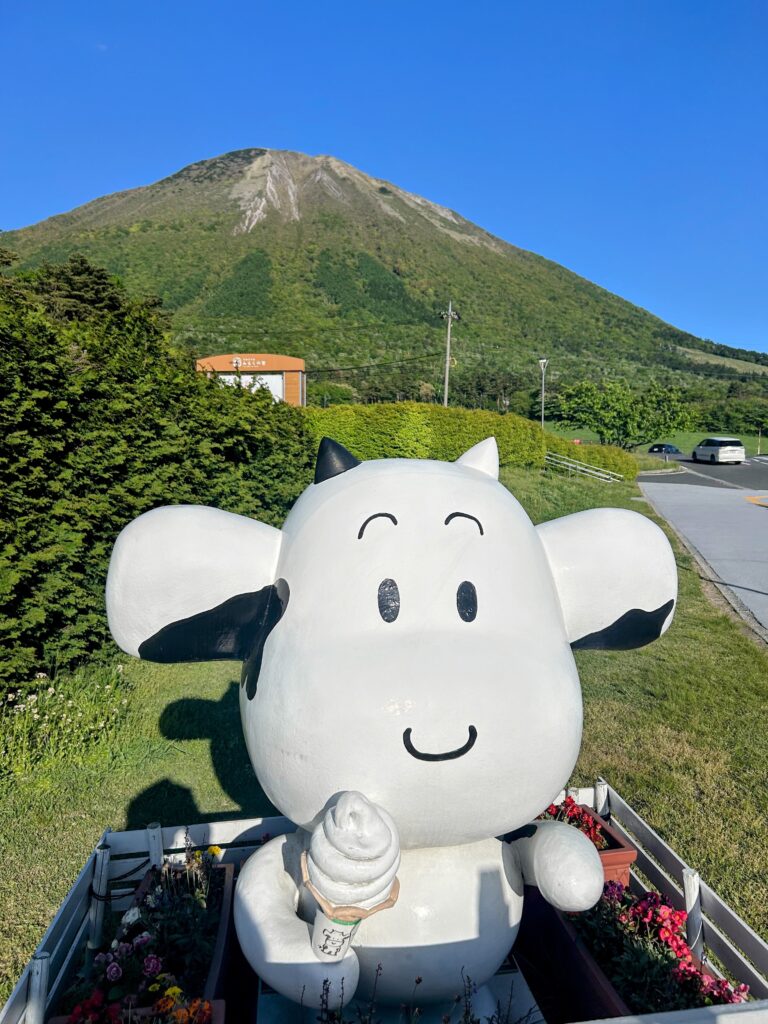
Next, we took a short drive to Daisen Milk no Sato, one of Tottori Prefecture’s best-known dairy attractions. Blessed with clean mountain air and lush grazing land, the area around Mt. Daisen has a reputation for producing high-quality milk and dairy products.
The spacious visitor center overlooks wide pastures where cattle graze peacefully, creating postcard-perfect scenery. Unsurprisingly, the fresh milk was exceptionally good, but it was the creamy soft-serve ice cream that proved impossible to resist. Rich and smooth, it was easily among the best we had tasted during our journey. The shop also offers a tempting range of cheeses, yoghurt, butter and desserts.
A peaceful end to the day
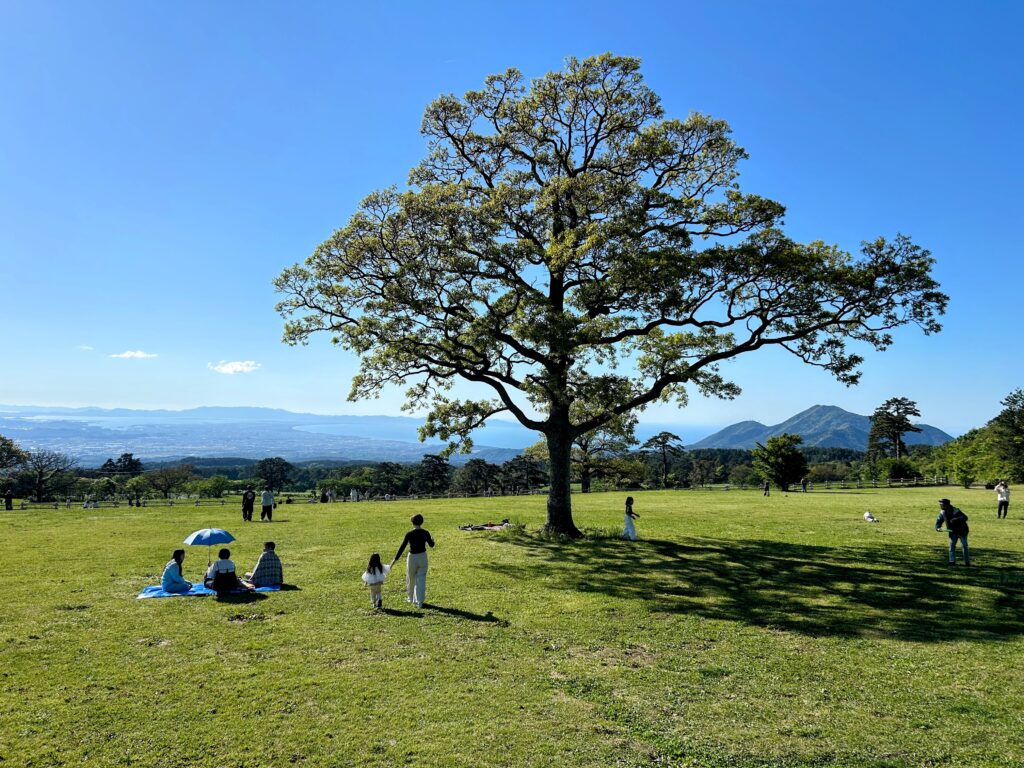
As afternoon turned into evening, we made our way to Daisen Megumi-no-Sato, where we planned to spend the night. Nestled in the shadow of the mountain, the roadside station provided another comfortable overnight stop with excellent facilities and beautiful surroundings. The cooler mountain air offered welcome relief after the warmer temperatures along the coast, and the tranquil atmosphere made it easy to relax after a full day of sightseeing.
As darkness arrived and the stars gradually appeared overhead, we reflected on another wonderfully varied day — from mythical yokai and lively coastal streets to sacred mountain temples and some of the finest dairy products in Japan.
Travel tip
While Japan is becoming increasingly cashless, don’t rely entirely on credit cards.
On this day, while driving through a rural area, we stopped at a small independent petrol station to refuel, only to find that our credit card was not accepted. Fortunately, we had enough yen to pay, but the experience was a reminder that there are still many smaller businesses, such as family-run restaurants, local cafes, traditional shops and independently operated petrol stations, that accept only cash or have limited payment options.
Having sufficient cash on hand provides peace of mind and helps avoid unnecessary stress should electronic payment not be available. A little preparation can save a great deal of inconvenience and keep your road trip running smoothly.