
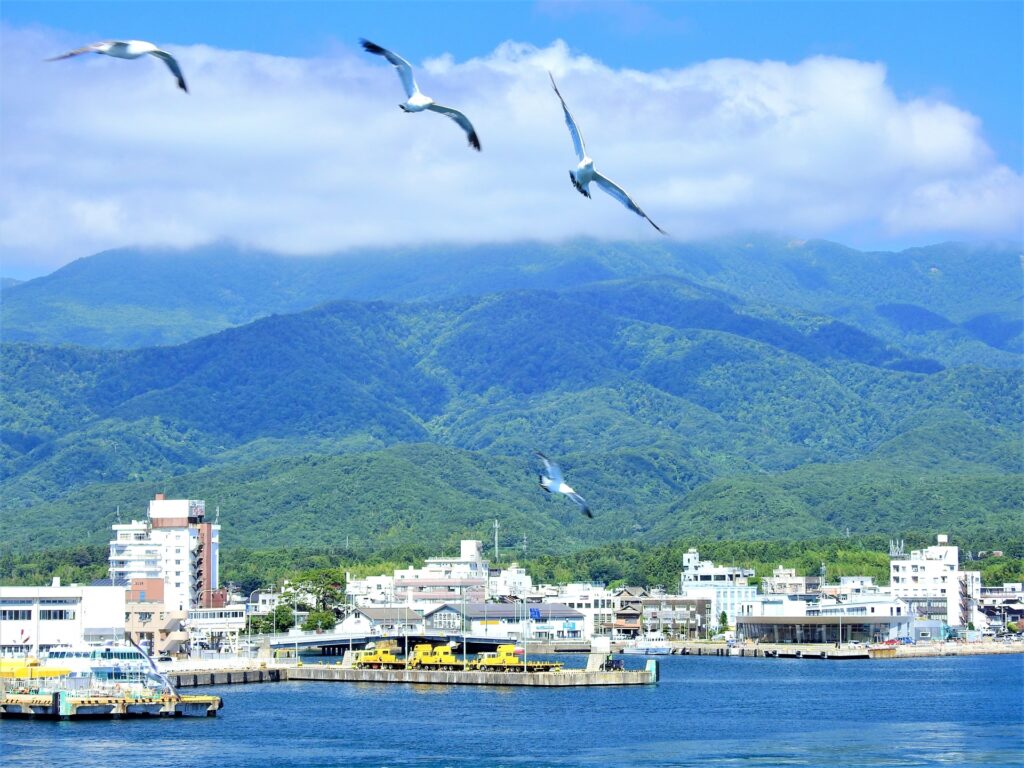
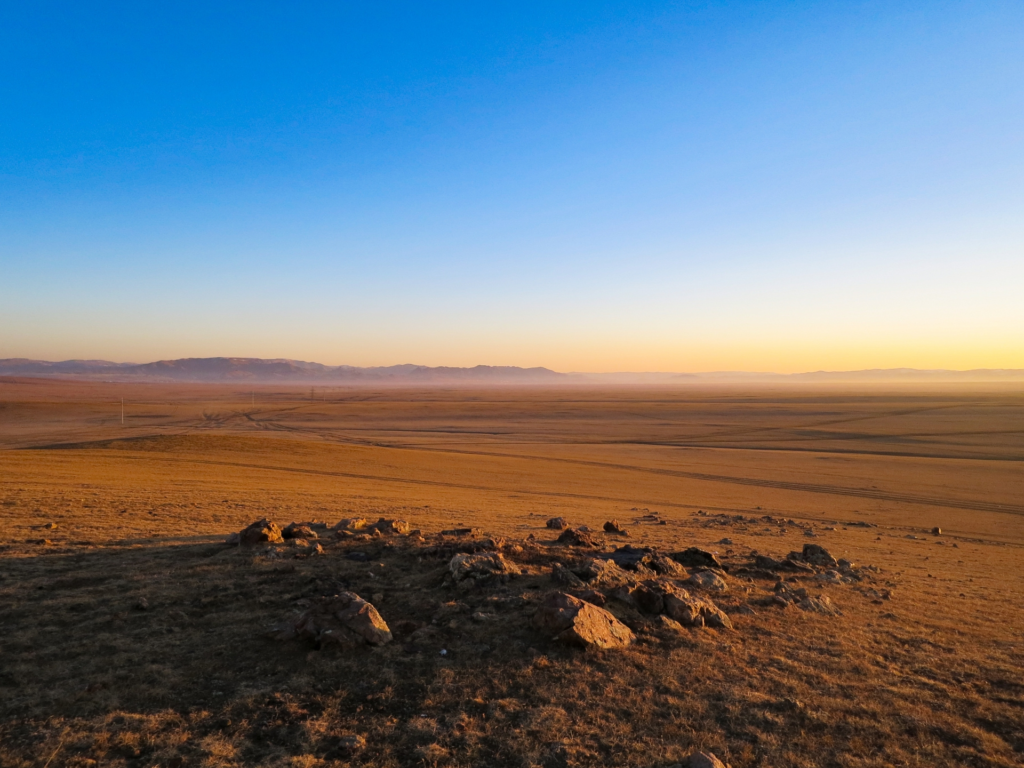
What connects Mongolia’s expansive steppes with Sado Island’s rugged shores? In many ways, not much. One is a landlocked country, featuring vast grassy plains stretching almost as far as the eye can see, while the other is an island located just off the coast of Niigata, where verdant green mountains meet clear azure waters.
But for one night only, on August 22, 2026, musicians representing these two landscapes will come together on stage to perform in Earth Echoes, sharing their respective sounds before combining them to create something entirely new.
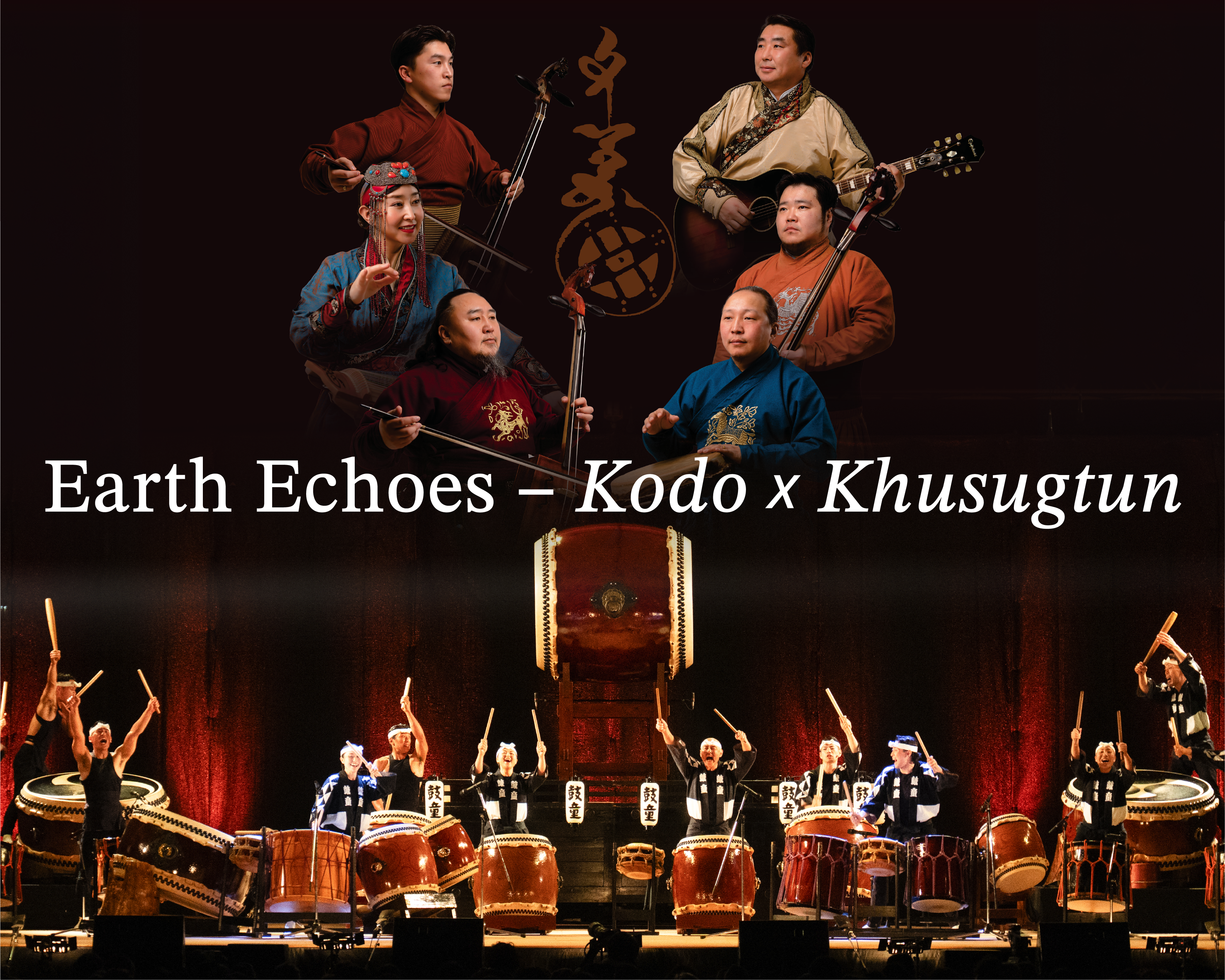
A global gathering on Sado, an island of taiko
From August 21 to 23, 2026, Sado Island will once again host its annual Earth Celebration. Taking place primarily in and around Ogi Port, the festival sees visitors from far and wide travel to join events and workshops, wander through the buzzing marketplace, and gather for the main event each evening: the Harbour Concerts.
For this three-day event, one of Japan’s premier taiko ensembles, Kodo, returns home from touring internationally; but the members aren’t coming alone. As its name suggests, Earth Celebration connects the world through the power of music and a shared love of nature, inviting domestic and international guest performers to Sado, where the powerful rhythms of taiko have long been entwined with the island’s history.
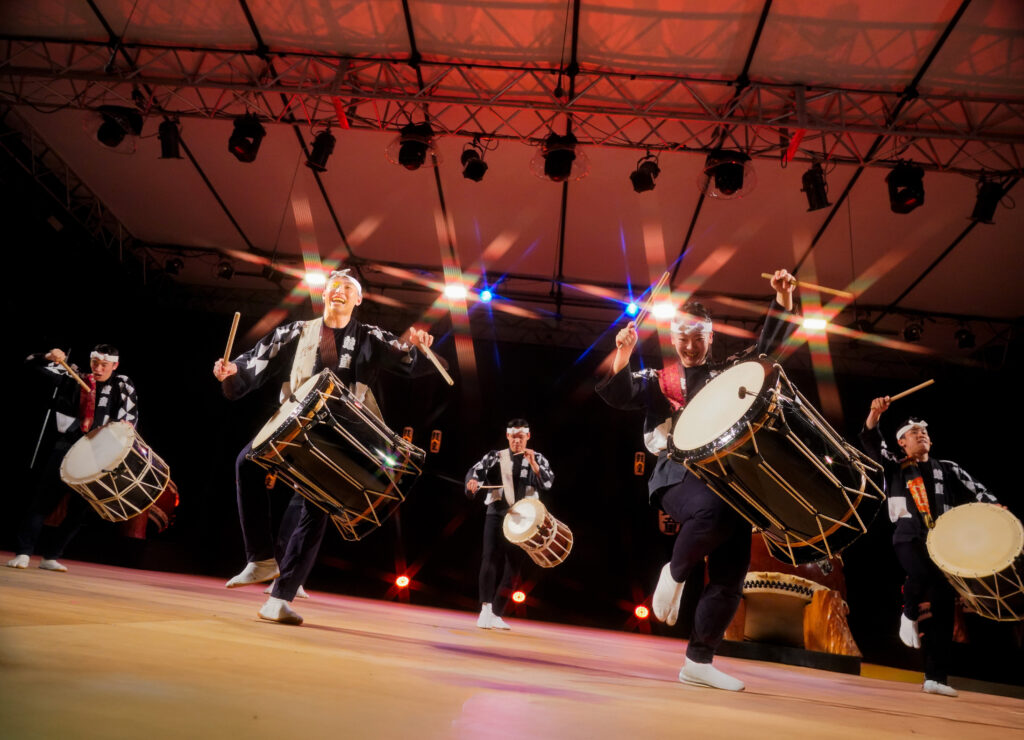
Sado Island is known for its unique onidaiko (demon drumming), in which performers dressed as friendly demons dance to the beat of taiko to ward off evil spirits, especially during rice planting and harvesting seasons. Five distinct styles have been preserved by around 120 villages across the island for more than 280 years.
On August 23, you can witness the Kami-yokoyama Youth Association going door to door through the streets of Ogi, performing onidaiko. This roving performance art will wind its way through the town, in front of homes and shops before ending with a performance at Kisaki Shrine.
“A central theme of our touring activities is ‘One Earth,’ and Earth Celebration is a living expression of that idea,” states Kodo member and director of Earth Echoes, Jumpei Nonaka. “It is a celebration of our shared planet, and it brings us great joy to be able to give something back to Sado Island, where Kodo was founded back in 1981, through the sounds of taiko and music from around the world.”

Traditional Mongolian music: Mirroring the sounds of nature
This year’s encounter features Khusugtun, a Mongolian ensemble known for blending traditional Mongolian folk music with contemporary sounds. Having performed around the globe to great renown, this will be the first time the group has performed on Sado Island.
“We are incredibly proud to share Mongolia’s traditional culture and music, which have been passed down through generations, with audiences around the world,” says Khusugtun member Adiyadorj Gombosuren. “Whenever we perform overseas, we know that we are seen not only as individual artists, but also as representatives of Mongolia. That is why we always perform with the hope of introducing our country’s rich cultural heritage, traditions, and the beauty of Mongolian folk music to as many people as possible. It is a great honor and a source of pride to represent Mongolia here in Japan.”
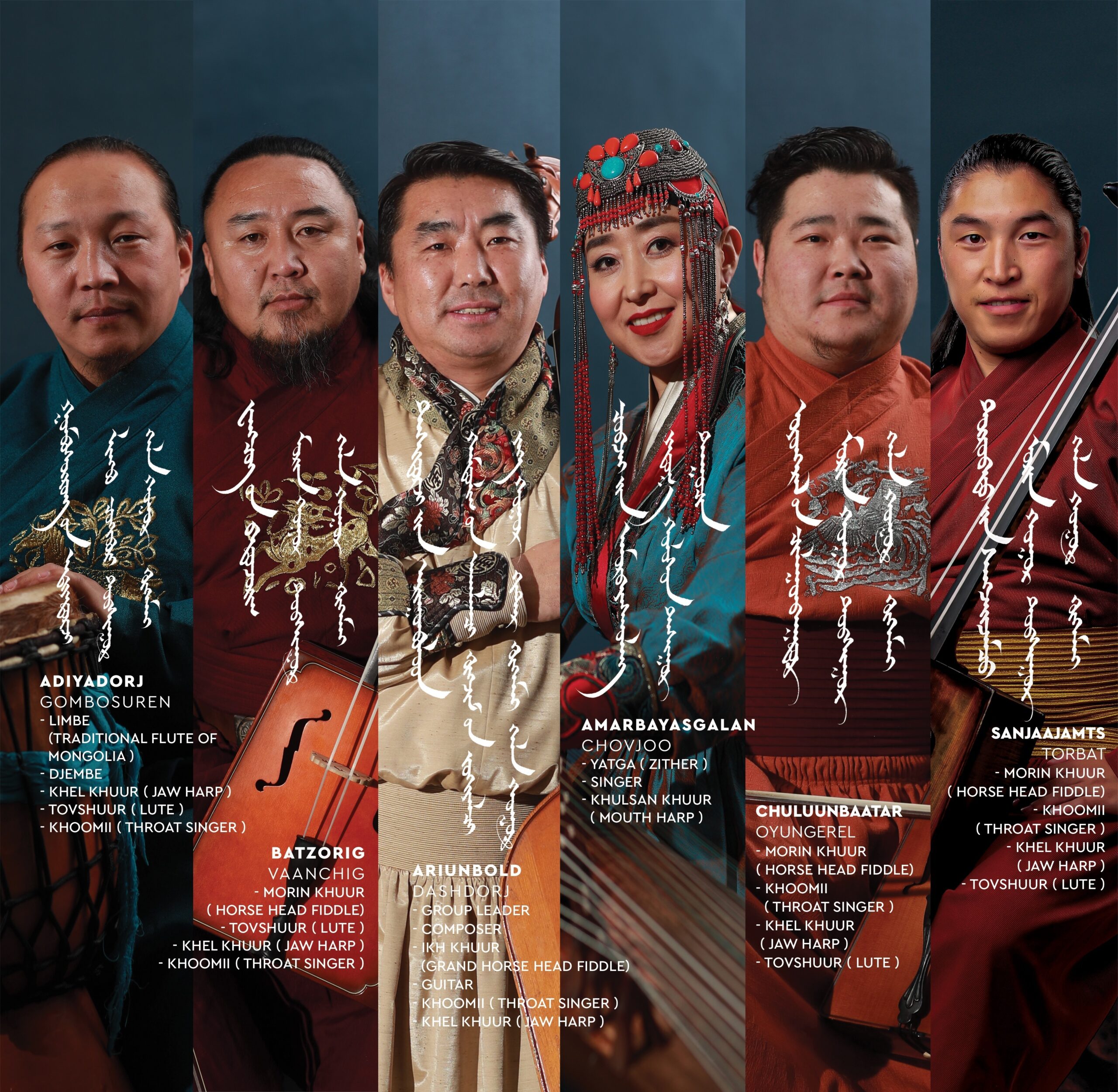
Along with performing in traditional Mongolian attire, the ensemble showcases its mastery of traditional instruments and techniques, such as khöömii, a Mongolian throat-singing technique that allows singers to produce two pitches simultaneously.
Originating in Mongolia’s western Altai Mountains, khöömii is considered a form of mimicry, with performers imitating sounds from nature, such as birdsong, running water, and wind whistling through the mountains.
It can take three to five years to develop the control and fluency required for khöömii, but truly mastering it can take decades or even an entire lifetime. Khöömii is so culturally significant, not just to Mongolia but also to our collective world culture, that it was added to UNESCO’s Representative List of the Intangible Cultural Heritage of Humanity in 2010.
Similarly, Mongolia’s morin khuur (horsehead fiddle) is also internationally recognized as part of this UNESCO list. Its sounds are said to represent the gentle whinny of the nation’s beloved horses as they gallop across the steppes.

Having first encountered Khusugtun in his high school days, Nonaka recalls the lasting impression their music left on him: “I was drawn to the powerful yet gentle sound of the morin khuur, and I was fascinated by khöömii, wondering how it was even possible to produce those incredible vocal sounds. Their music, their instruments, and the nomadic way of life behind their art all sparked my curiosity.”
On the evening of August 22, Nonaka will not only witness the ensemble once again but direct and take the stage in the very performance that will unite Kodo and Khusugtun. He will become part of a once-in-a-lifetime moment in which his own rhythms weave into those that captivated him all those years ago.
Kodo x Khusugtun: Two sounds, one shared love of nature
While Khusugtun’s music reflects Mongolia’s landscape and the nomadic way of life of many of its people, Kodo’s taiko similarly reflects Japan’s cultural landscape.
“We see Japanese taiko as one of the country’s most iconic traditional art forms, and we deeply admire the spirit and sense of purpose expressed through its performance,” states Gombosuren. “We feel that same spirit is shared by our own musical tradition, which has also been passed down through generations with a deep respect for nature, life, and the connections between people. Because of this, we feel there is an invisible but profound bond between our musical traditions and Japan’s taiko culture. That is why we believe this collaboration has the potential to bring our traditions together through music in a meaningful way.”

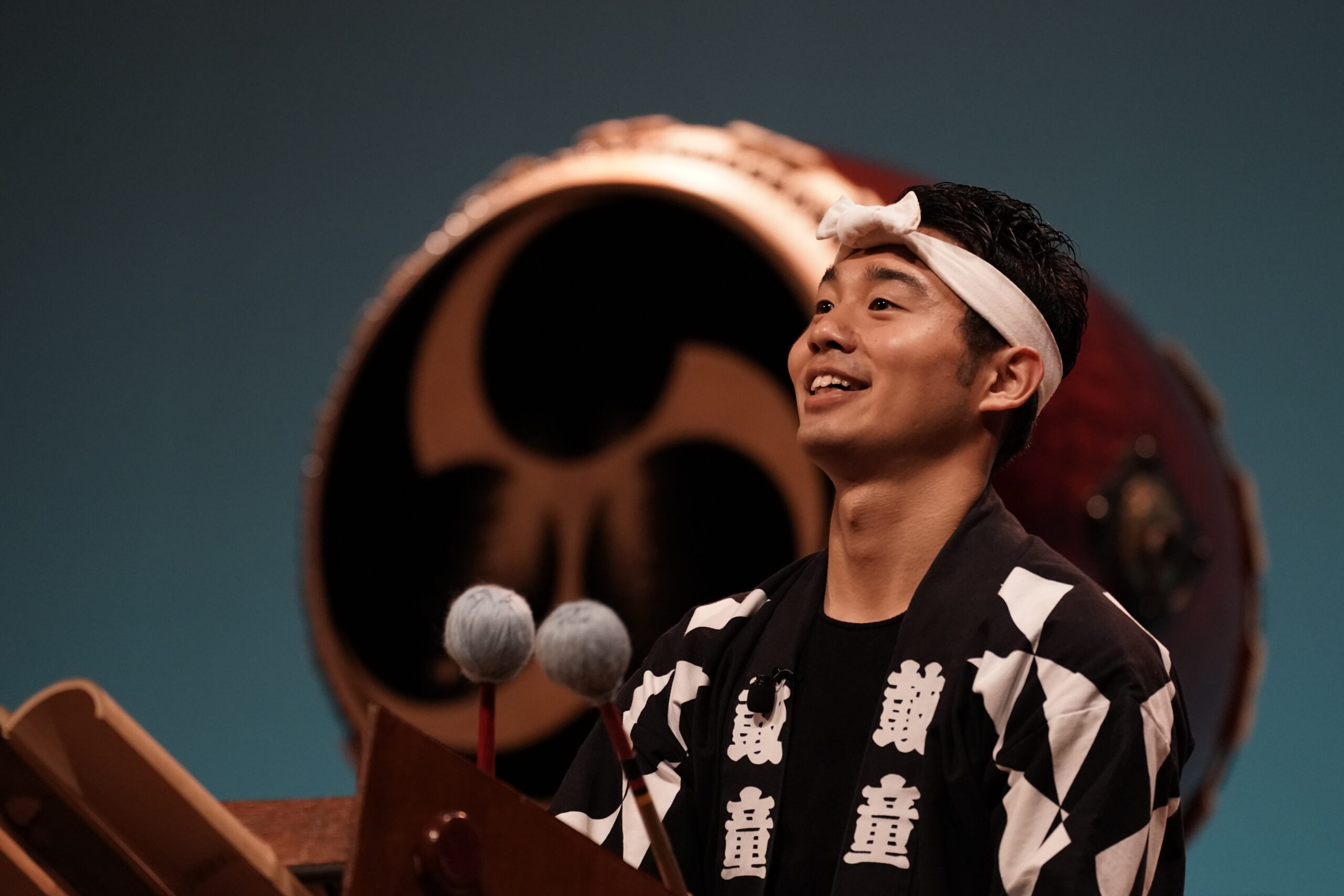
While Khusugtun’s softer khöömii technique may capture the sounds of wind, water, and birds, and the morin khuur the spirit of Mongolia’s horses, Japan’s bold and powerful taiko drums — carved from centuries-old trees like the keyaki (Japanese zelkova) — represent the more thunderous sounds of nature, or, as the name Kodo suggests, a rhythmic heartbeat.
As the two come together, we can already envision the soaring sounds of khöömii and the whinnying tones of the morin khuur, underpinned by the steady beat of taiko. Nature, its animals, and the human heartbeat are all woven together in one joyous harmony.
“I truly believe that music has the power to help people understand one another across cultures, and that creating opportunities for this kind of exchange is more important than ever,” states Nonaka. “I hope we can continue to deepen those connections, not only as artists, but as people around the world.”
Sado Island’s Earth Celebration is an excellent example of the joy, passion, and creative ingenuity that can flourish, not when we are divided, but when we come together.

Getting to Sado Island
Getting to Sado Island is straightforward. From Tokyo, you can take a direct shinkansen to Niigata Station before taking a short bus ride or taxi to the Niigata Port Sado Kisen Ferry Terminal. Those arriving by car can take a 2.5-hour car ferry, whilst those using public transportation can hop on a jetfoil that takes a little over an hour, both of which take you to Ryotsu Port.
For transport on the island, you can grab a taxi to your final destination or hop on a bus, with extra EC Charter buses available to take you straight to the Harbour Concerts venue at Ogi Port. There are also buses available to take you to key locations during the festival, so please check the website before visiting.
For more information on the event, including the schedule, accommodation, and ticket bookings, please visit the Earth Celebration website.