My foray up Mt. Ikoma began with a Google search while I sat in my apartment in Gakuenmae, a few stops toward Osaka on the Kintetsu Nara Line. I looked up “pizza” and ended up on a mountaintop with a connection to South Asia. There’s even an Indonesian restaurant up there called Maharajaya! Seriously, though — I never got my Michelin Bib Gourmand pizza, or roasted sweet potatoes and kuri (chestnuts) over a bonfire on the mountain, so that’s a trip for next time.
The station
One of the popular ways up Mt. Ikoma is the old Zushidani pilgrim path from Shin-Ishikiri, on the Osaka side. What I did was approach the top from Ikoma Station because I lived a few stops away in Gakuenmae. I went up on my own back then — I wasn’t aware there was a pilgrimage path from the Osaka side at all.
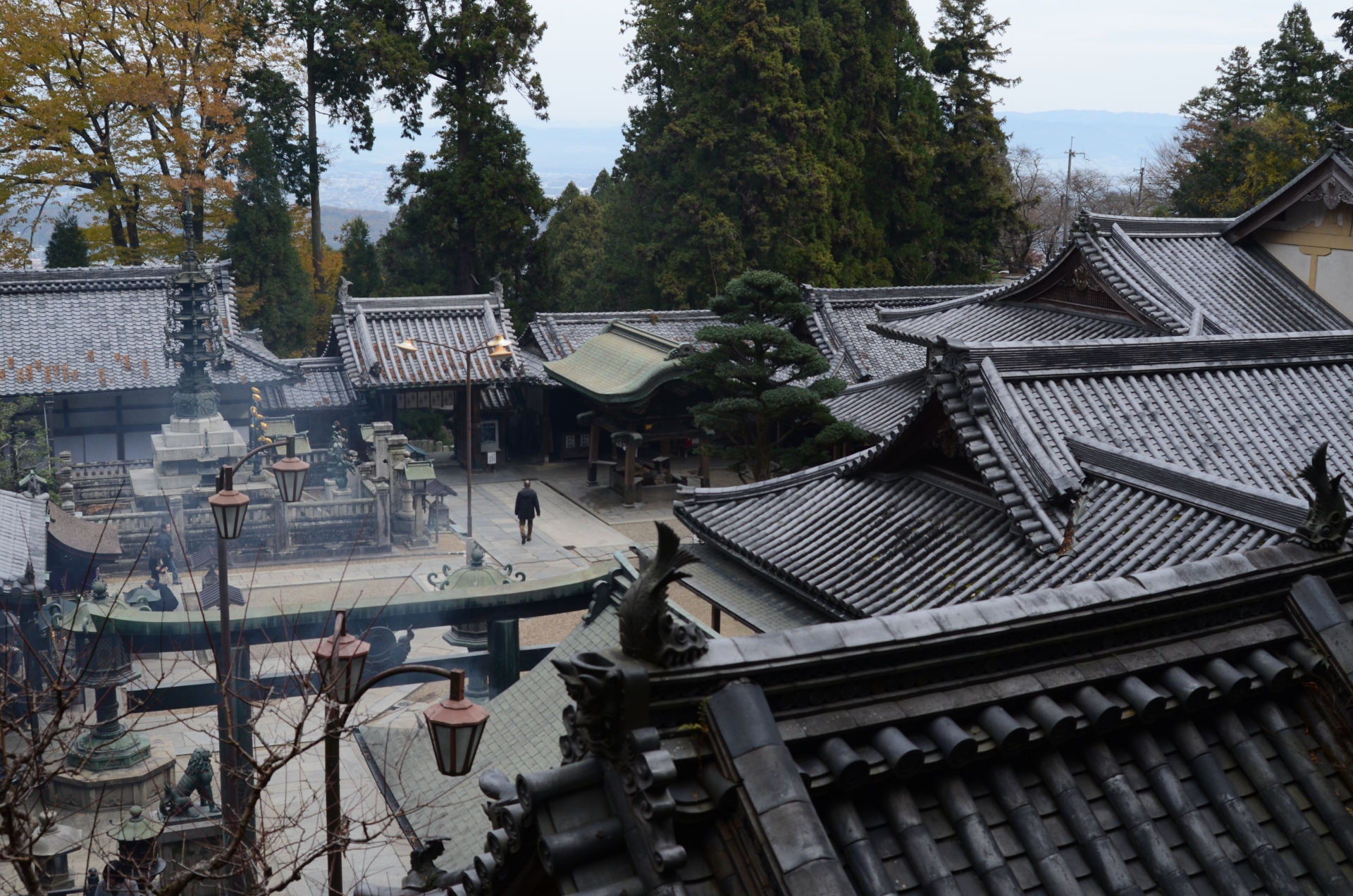
This was the middle of the pandemic, around December 2020, and a lot of shops were closed, so I decided to do some urban exploration of my own. I found out much later that there was a connection to South Asia at the temple on top: Hozan-ji, which enshrines Kangiten, an elephant-headed deity the Japanese adapted from the Hindu Ganesha.
Up by cable car
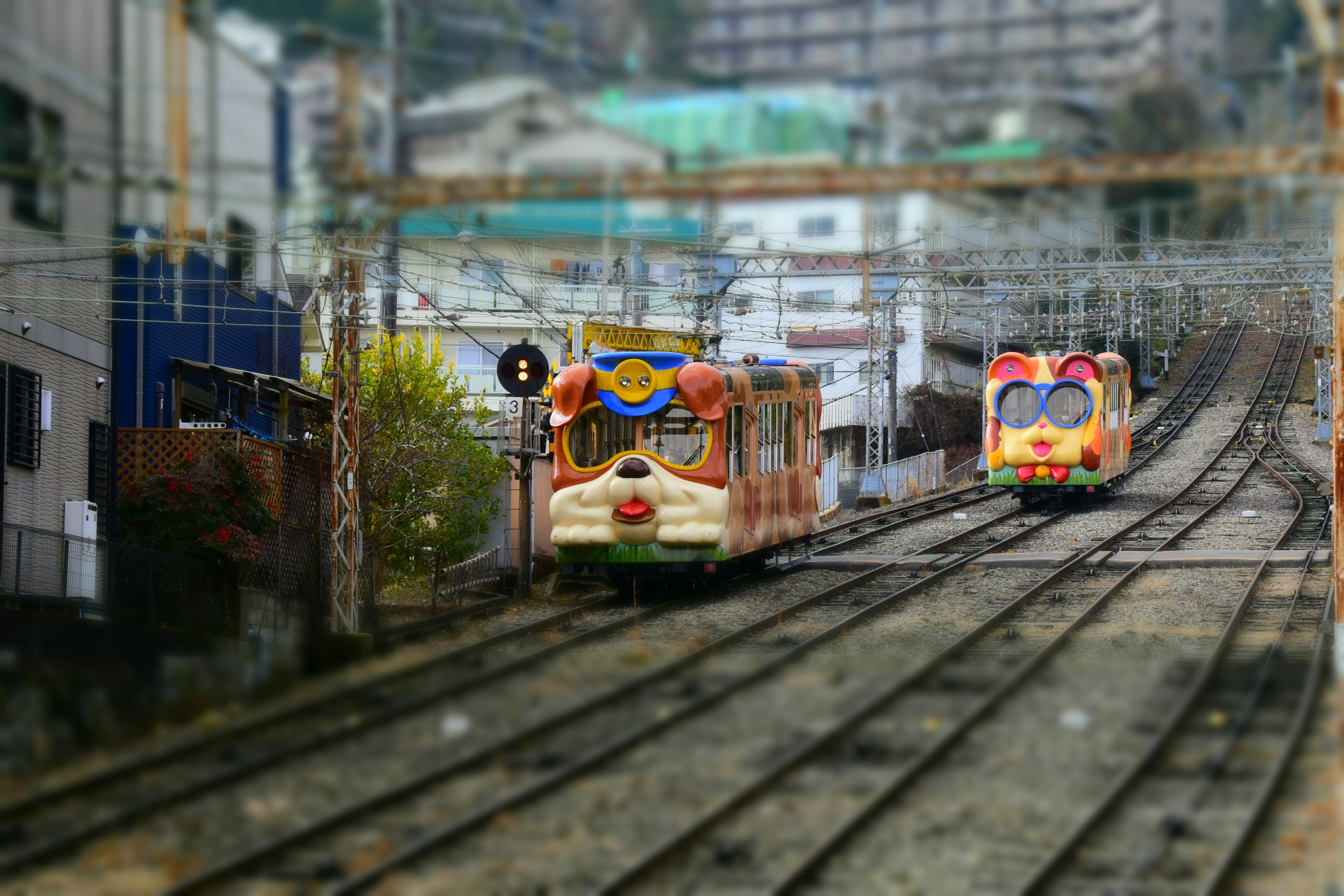
From the station I made my way to the cute animal-themed cable cars (a cat called Mike, a dog called Bull, on Japan’s oldest funicular) and rode one up — not to the summit, but to the first stop, Hozan-ji Station, where the cafes and houses were. I got off to look around, and the next car left without me. I went looking for something open and found nothing; every shop was shut.
A few steps up the mountain, I came across an older man sweeping his sidewalk. He wore a turban — my guess was that he was Sikh. He confirmed it later, as he told me his life story and invited me into the yoga school he had built himself.
The Mt. Ikoma yoga center
The man was the founder of a Kundalini ashram, the Ikomayama Yoga Center. A large reception opened into what felt like a great hall, with alcoves for different classes and tables that could be set up for a vegetarian lunch. People came to stay for retreats — nothing was being sold the day I was there, but the room held the paraphernalia of the practice: singing bowls, incense. Behind the reception, a set of stairs led up to an outdoor yoga area, some dorms, and bathrooms.
He was happy to talk more. I told him I lived a few stations away and was looking for a few places to write about — I’d found almost nothing online about Ikoma. I’d been thinking of starting a food blog around then, and as it happened, he had a place in mind: his favorite, Lucky Garden. So off we went in his pickup truck — the one he used to keep the mountaintop clean, hauling junk, wood, and scrap, and clearing debris from people’s projects.
To think — I’d spent my first Google search on Michelin Bib Gourmand pizza for a food blog I never started, while scoping out a potential date spot, but ended up in…
Lucky Garden
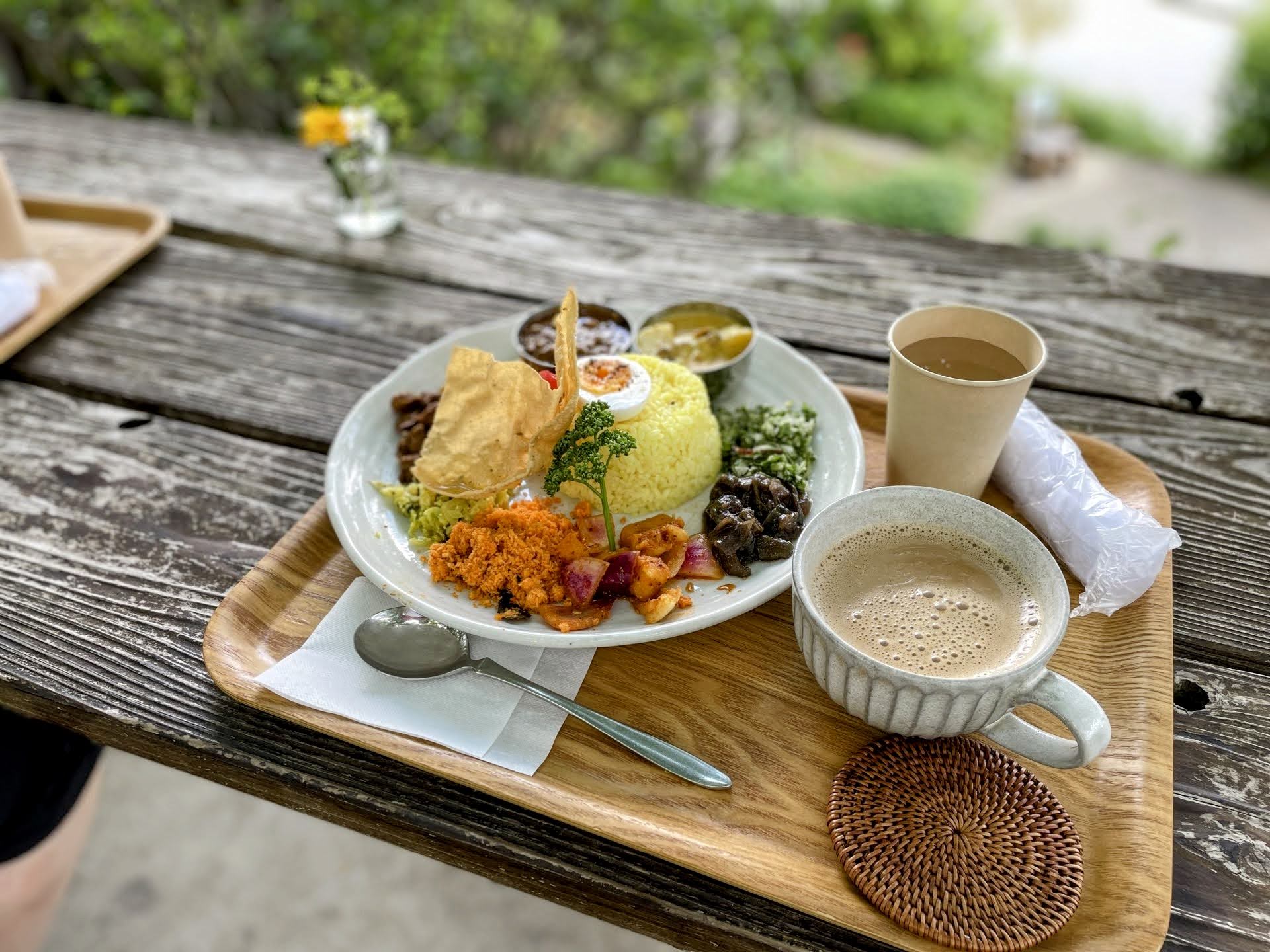
I’d pictured Lucky Garden as a small place like the others on the mountain, a modest patch of outdoor seating. What I noticed first was the clearing and the observatory beside it. The mountain has plenty of these lookouts, but this one stopped me: bonfire pits — and the wooden Sri Lankan restaurant behind them. It was winter, so the verandah stood empty, one set of tables and chairs left out in the cold. Inside, the wood stove was going, exactly right for a winter meal. The kitchen was cozy, and the chef was Sri Lankan. Outside stood the observatory, and standing there, I knew I’d be back.
Panorama
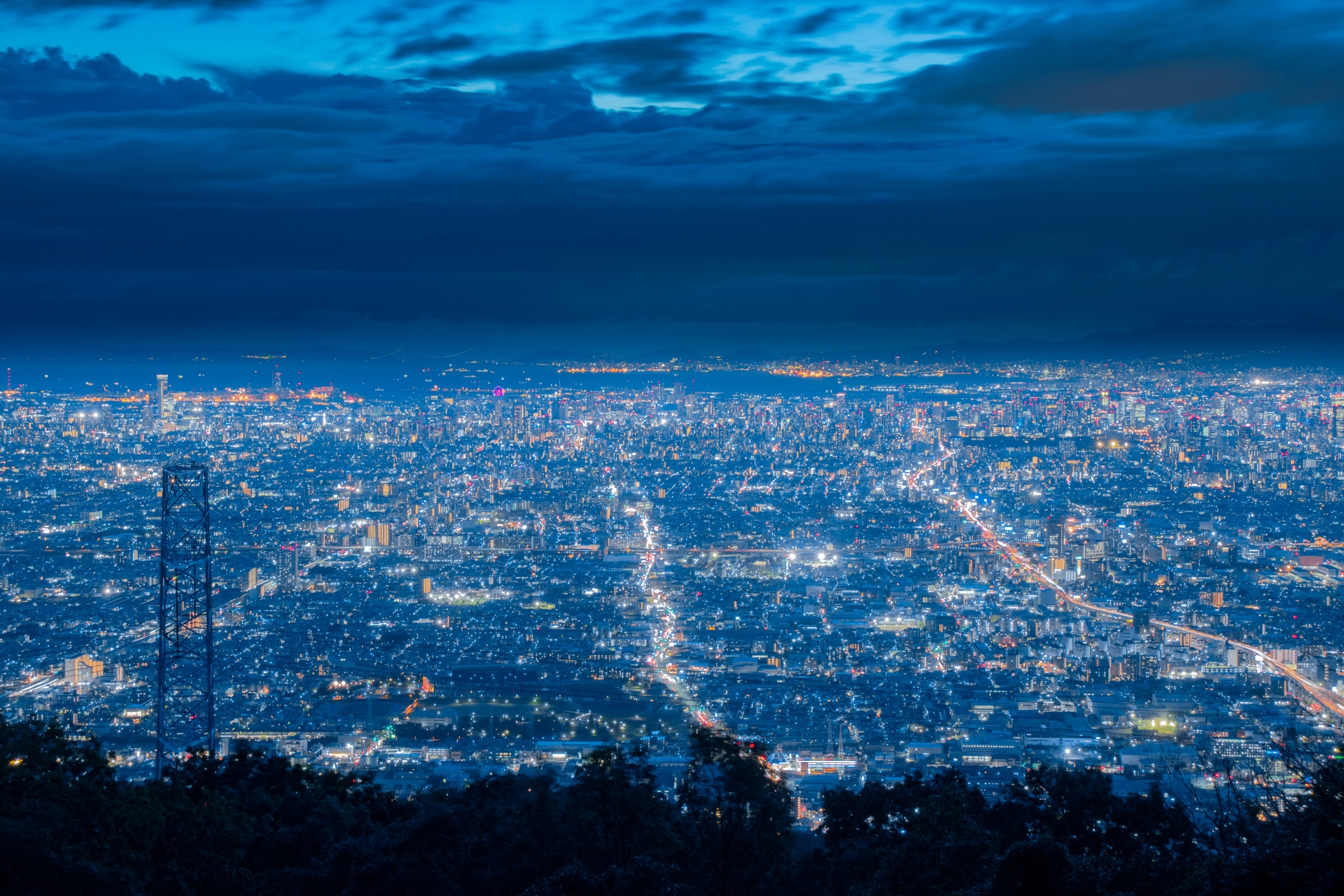
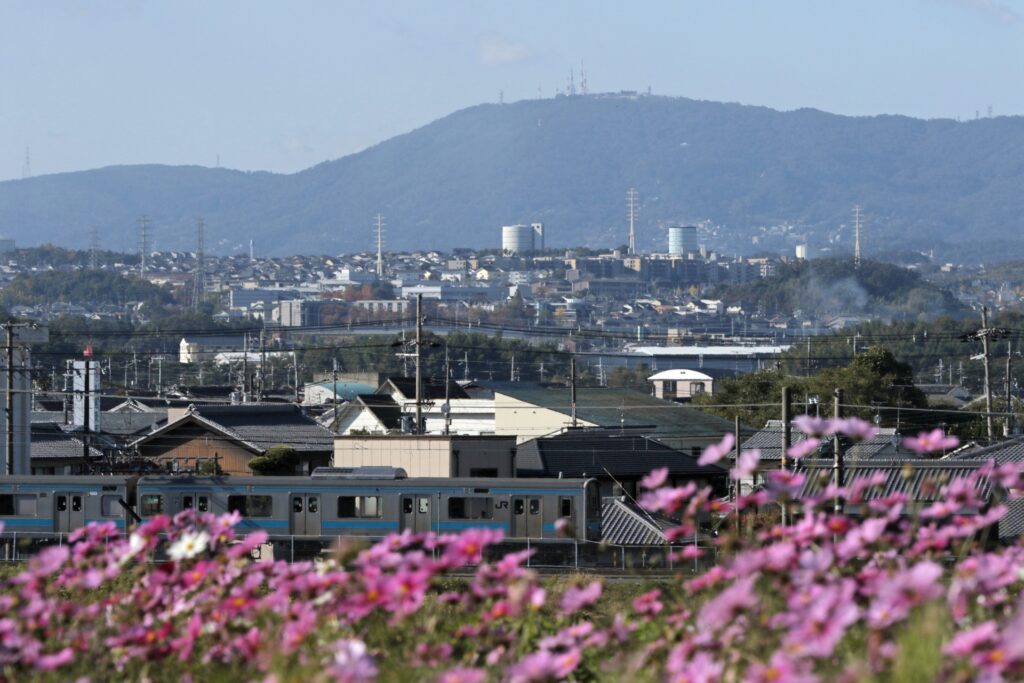
It was like a landscape picture I’d share, but I had no intention to then. My smartphone camera and my skills couldn’t have framed what I wanted to say about it. The bare winter branches around the observatory were like gray cracks of frost, framing the centerpiece: a sweeping vista of Osaka. The sun was setting behind me, out of sight from that side of the deck, and its absence made the city all the wider and more brilliant — more so as the evening darkened, not pitch black yet, when the city’s lights came out faster than the stars.
An autumn return planned
An autumn I’d come back to on Ikoma-san. I’d make the walk up from the station in the early afternoon — a couple of hours to the temple by way of the steps, past the many Jizo statues along the temple path. From there, the trail keeps climbing through the woods, and if I stepped off it, I’d find the site of the old Kakurin-ji Temple, once an ancient Shugendo training ground for yamabushi mountain ascetics — a wide, flat clearing deep in the forest, with a few signs left to tell what once stood there.
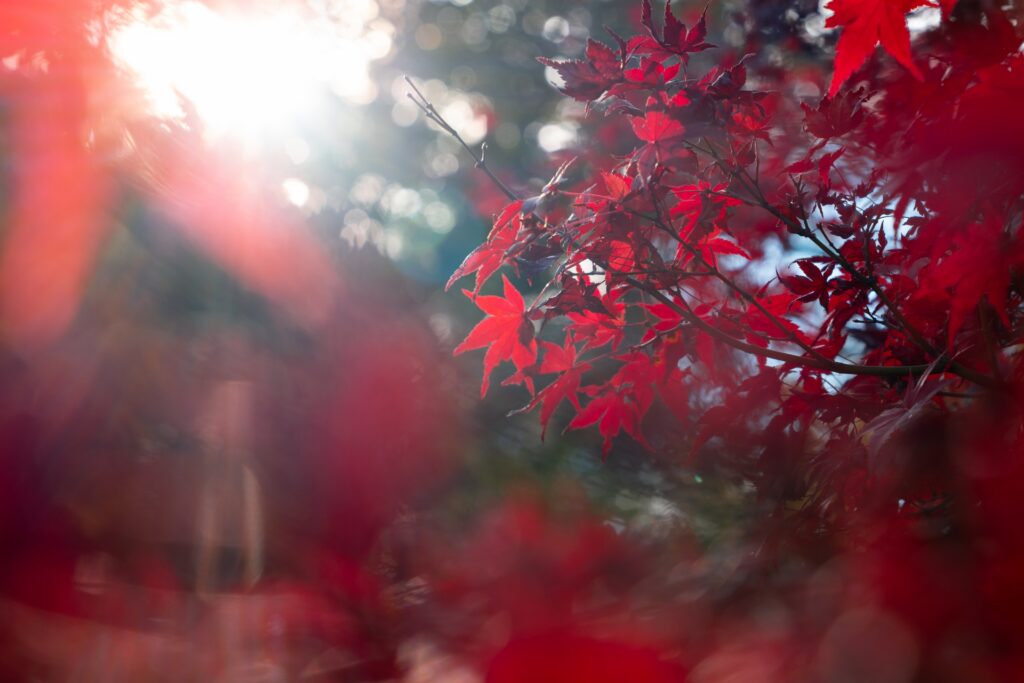
The autumn color is good — ginkgos and maples left behind to grace the temple. Then back to the path, up to the summit and its amusement park, where the view over Osaka is the best on the mountain because the park is the highest point. And when there’s time, Lucky Garden and its terrace — the bonfire pits, the sunset — then the cable car down.
A bit haunting
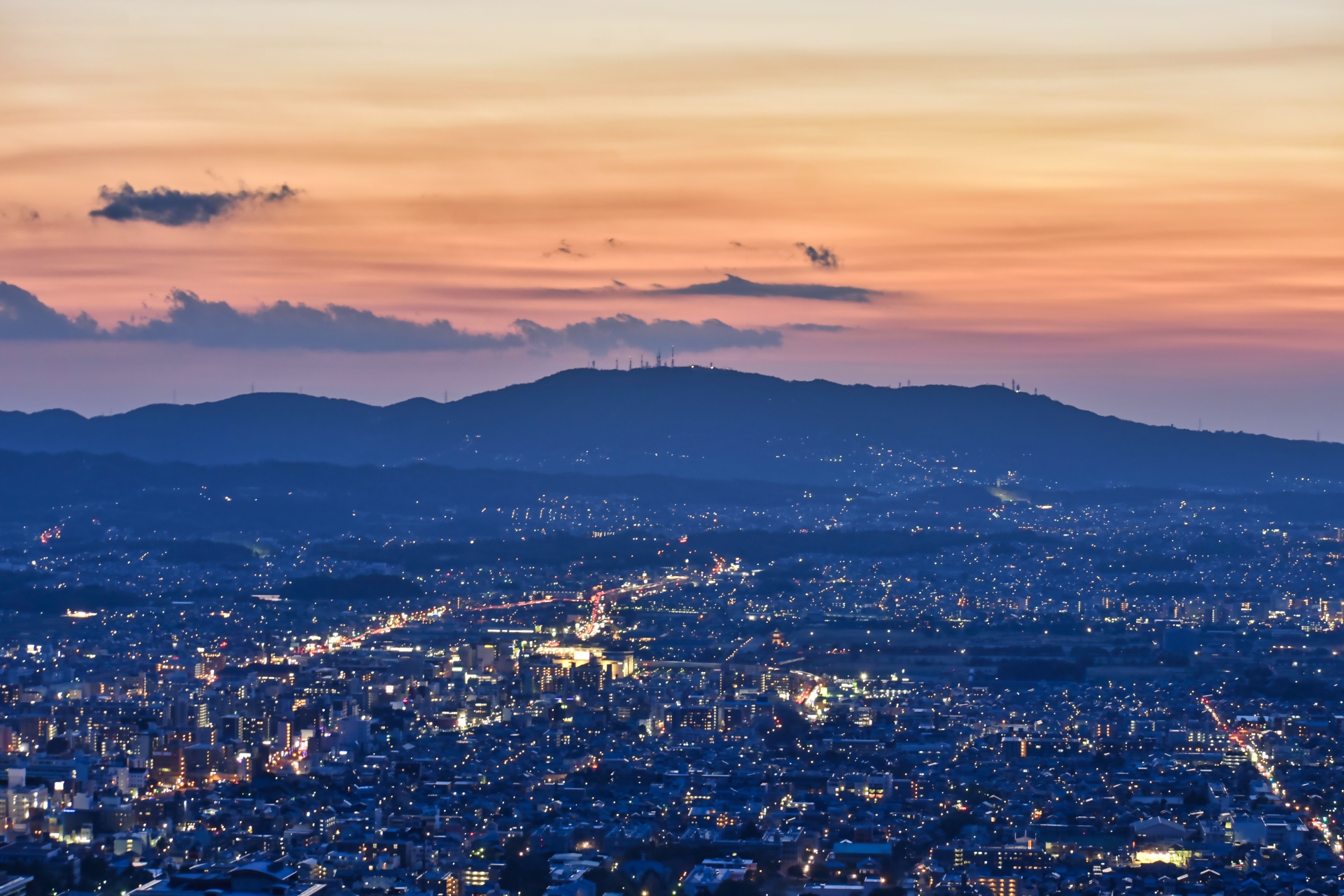
Ikoma is the place I think Teshima Aoi’s song Mori no Chiisana Restaurant portrays — and not just one restaurant ringed by woods and mountains, but several. The mood and the mountaintop views all add to the pull of this hilltop village, built over the old temple gate town of Hozan-ji. Once, it may have housed pilgrims; now it’s a spot for an amusement park and romantic views out over Osaka and Nara.
That song, if you listen closely, is a bit of a horror song — and the mountaintop was eerie like that, seemingly abandoned in the middle of the pandemic. The older man who sent me to Lucky Garden has since passed away, I later heard from someone who worked at his center; his daughter now carries on his legacy.
I’ll be back to Mt. Ikoma for my autumn views. One day.