
Staying at a traditional Japanese bed and breakfast, or minshuku, offers a unique and cozy experience, but there are a few things you might want to know beforehand.
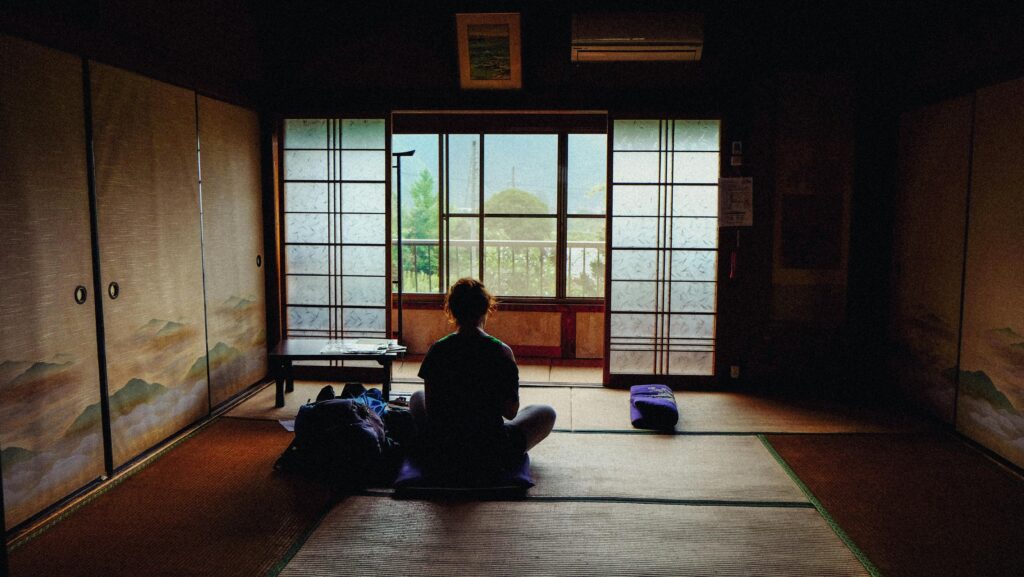
Shared spaces, daily life
First off, minshuku are typically family-run, smaller, and more personal than regular hotels, so don’t expect grand amenities and facilities like a pool or gym. Most minshuku will offer breakfast and even dinner, a great opportunity to eat some home-cooking made with delicious local ingredients.
When staying at a minshuku, it’s important to be considerate of the other guests and the hosts. Bathrooms and showers are often shared. Since minshuku are sometimes just regular homes where the hosts also live, sound insulation can be minimal, so keeping noise to a minimum (especially in the early morning and late evening) would be best.
That said, minshuku offer incredible opportunities for intimate glimpses into daily life in Japan. I am sure your hosts will be happy to answer any questions you may have about the region and give you local tips on how best to enjoy your stay.
Sudomari: For travelers on a budget
If you’re looking to save money on accommodation while still enjoying the experience of a minshuku, consider sudomari.
Typically, a stay at a minshuku includes at least one meal, often made with the finest local ingredients, but this can significantly increase the price. By opting for sudomari — just the room, no meals — you’ll get the cheapest plan the minshuku offers. This option is ideal if you prefer to spend less on lodging and more on daytime activities, or if you prefer to use mealtimes to explore nearby restaurants or cafes.
Minshuku and sudomari plans are great for travelers on a budget as well as those spending multiple nights in the countryside — if, for example, you’re on a road trip, or undertaking a long walking trip like the Shikoku Temple Pilgrimage or Michinoku Coastal Trail.
I know when I travel that my stomach gets tired of too many big meals in a row, delicious though they may be. Some nights, all you need is sudomari and a simple onigiri!