Roughly half of all international visitors to Japan make a stop in Tokyo. However, most nearby prefectures see only a fraction of those numbers.
For example, only 1.2% of inbound travelers stay in Saitama, despite the prefecture being located directly north of Tokyo, according to government statistics. Even fewer, a meager 0.4%, make a stop in Fukushima Prefecture, the gateway from the Kanto region to Japan’s vast north.
Fewer visitors means, generally, less tourism-related income. Although the Japanese government aims to develop international tourism into a major economic pipeline, targeting an annual 15 trillion yen in spending by 2030 (compared with 9.5 trillion yen in 2025), communities located outside of current tourist hotspots may see fewer financial benefits.
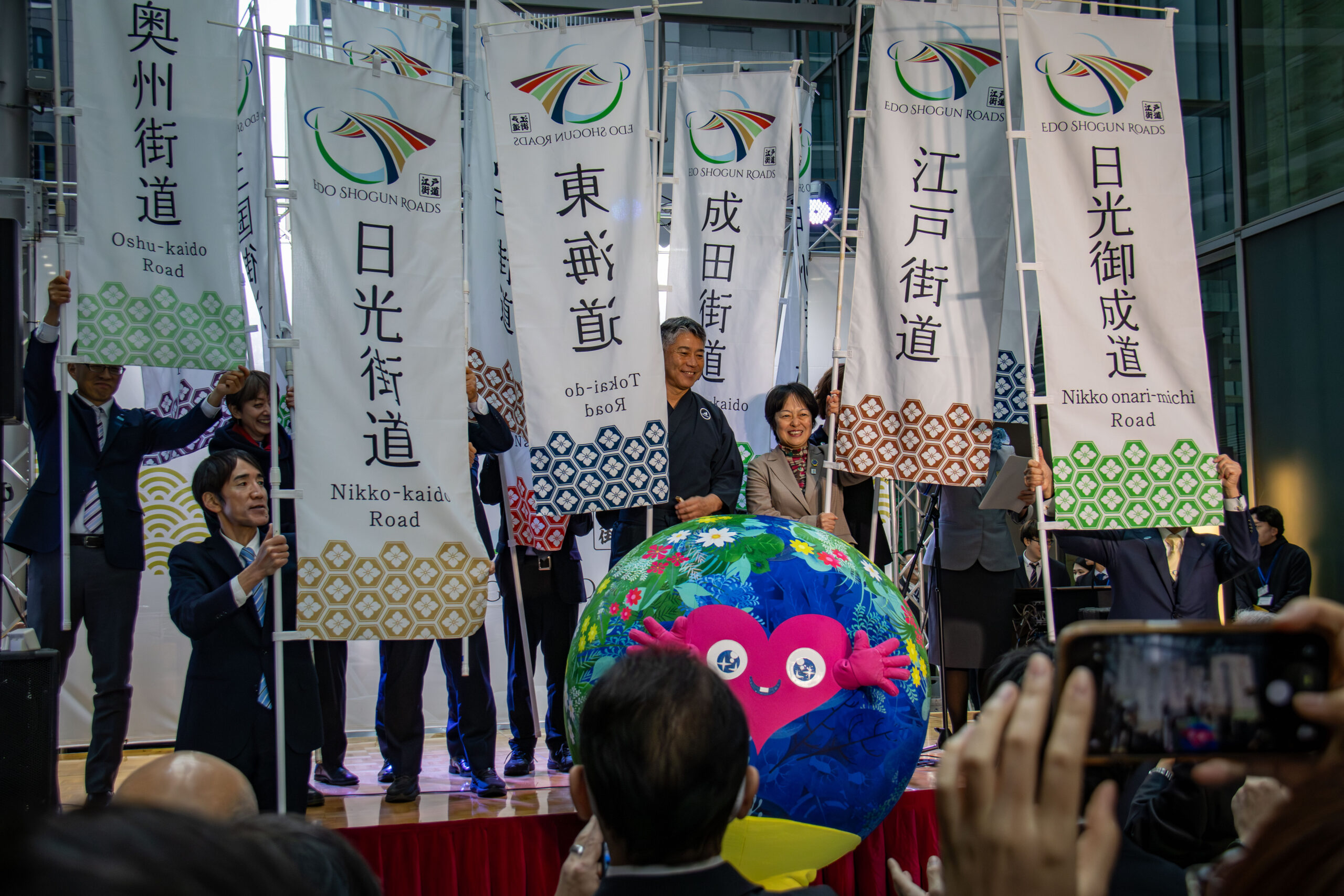
With a new initiative called Edo Shogun Roads, the Kanto District Transport Bureau aims to address this challenge by capitalizing on the international allure of traditional Japan to encourage visitors to spend more time outside the metropolis.
The initiative takes its name from the five major highways that connected Edo (now Tokyo) with the rest of the country, developed by order of the first Tokugawa shogun, Tokugawa Ieyasu. These routes — which, during the Edo period (1603 – 1868), were both a tool for political control and important highways for business, religious pilgrimages, and travel — remain treasure troves for the curious traveler today.
Taking time to fully explore
An English-language version of a project begun in 2022 targeting domestic tourists, Edo Shogun Roads is a collaborative initiative between the Kanto District Transport Bureau, local governments, and other tourism-related stakeholders to promote travel to 10 prefectures surrounding Tokyo.
“This project aims to create impactful route-based tourism that everyone recognizes by name, similar to Europe’s popular ‘Romantic Road,’” explains bureau head Reiko Fujita, referring to the route connecting medieval towns and fairytale castles in Germany.
She notes that the word “shogun” has gained global recognition in recent years, thanks in part to the 2024 American TV drama of the same name. “We believe that now is the perfect opportunity to launch our promotional campaign, capitalizing on this momentum,” she says.
In Fujita’s eyes, the Edo period has great value to both tourists and tourism stakeholders as “an era in which Japan’s unique traditional culture flourished and reached new heights.”
“I believe that a journey tracing the Edo period is highly meaningful for understanding modern Japan,” she says, highlighting that many of the region’s tourist attractions and transportation networks originated in that era.
Edo Shogun Roads aims to spread the economic benefits of international tourism by encouraging visitors to travel in a new way.
Currently, even when visitors venture into Tokyo’s neighboring prefectures, it is usually as day trips, rather than overnight stays, Fujita explains. Edo Shogun Roads, on the other hand, encourages travelers to take progressive stops along linear routes that follow the region’s historic highways, thereby extending their stay in local areas. With numerous distinct routes, the initiative also encourages repeat visitors.
Edo Shogun Roads targets international travelers on extended trips to Japan — 10 days or more — who are interested in taking their time to explore and gain a deep understanding of various regions.
Spotlight on Fukushima: A samurai stronghold and scenes of days gone by
Although each region included in Edo Shogun Roads is deserving of visitors’ time and interest, this article highlights a few spots in Fukushima, statistically the least-visited of the participating prefectures.
“When visiting Fukushima from Tokyo, I recommend following the Nikko Kaido and Oshu Kaido, stopping along the way to explore the charming attractions near these historic routes,” Fujita says.
“Fukushima Prefecture is also famous for its delicious sake and frequently ranks first in Japan for the number of gold medals won at the National New Sake Appraisal Competition,” she adds.
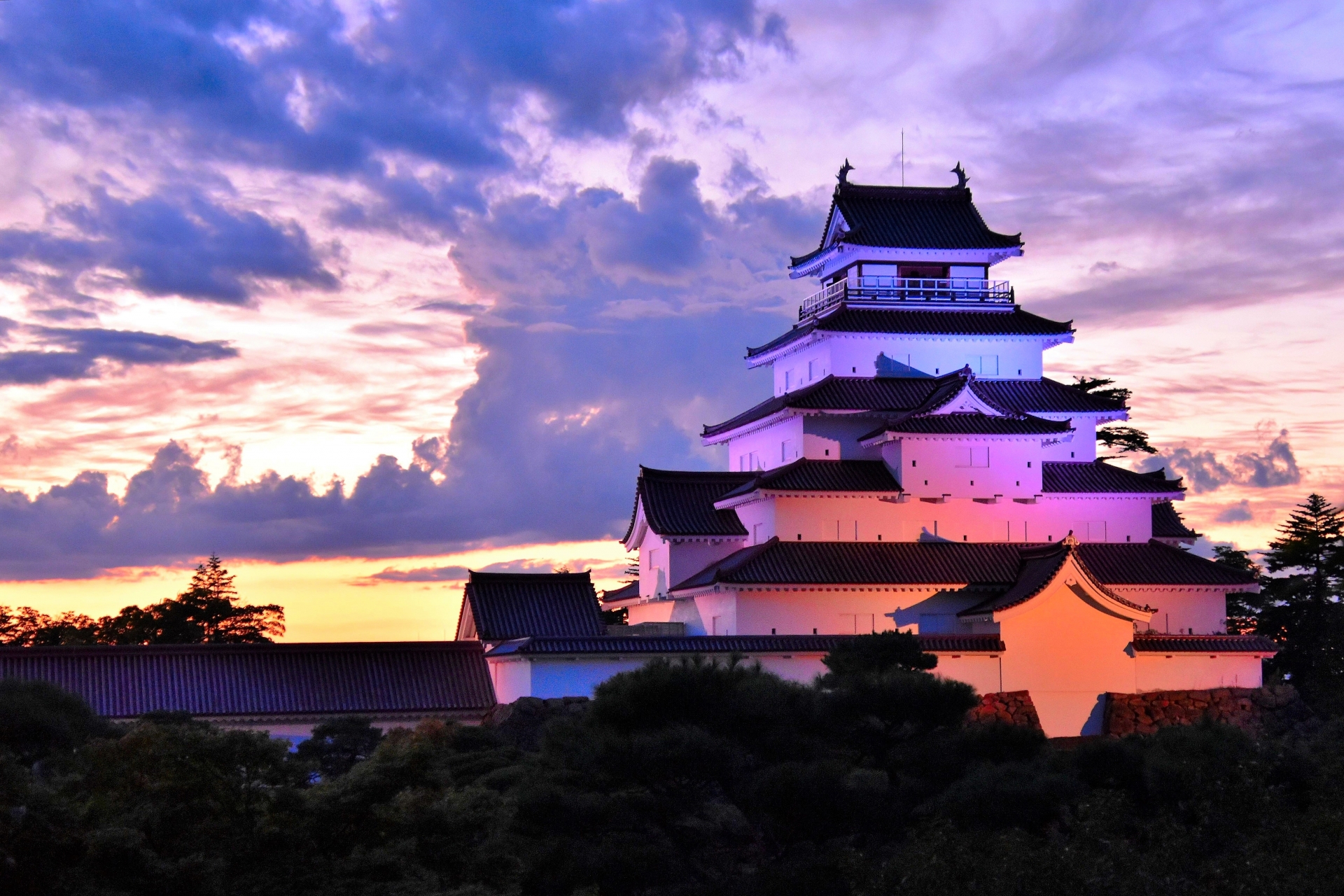
Tsurugajo Castle
First built in 1384, Tsurugajo Castle was the seat of the Aizu clan during the Edo period. Although the castle was dismantled after the Meiji government took power in 1868 — as the Aizu had been on the losing side of the brief civil war that accompanied the change of government — the current castle was rebuilt in 1965. It contains a history museum inside, and its distinctive red tiles are said to evoke the crane (tsuru) for which it is named.
“This castle is one of the final strongholds of samurai that remained loyal to the shogunate and today stands as a symbol of courage and faithfulness,” notes Fukushima Prefecture’s official tourism website.
The castle can be reached via a 20-minute ride on the Aizu Loop Bus from Aizu-Wakamatsu Station.
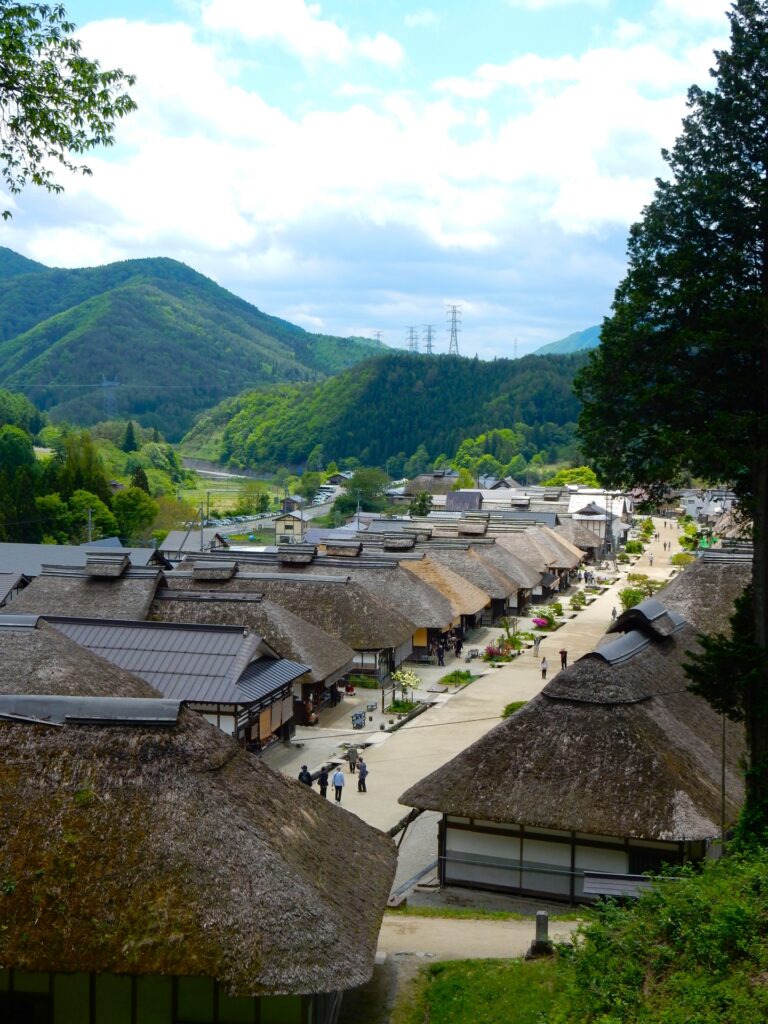
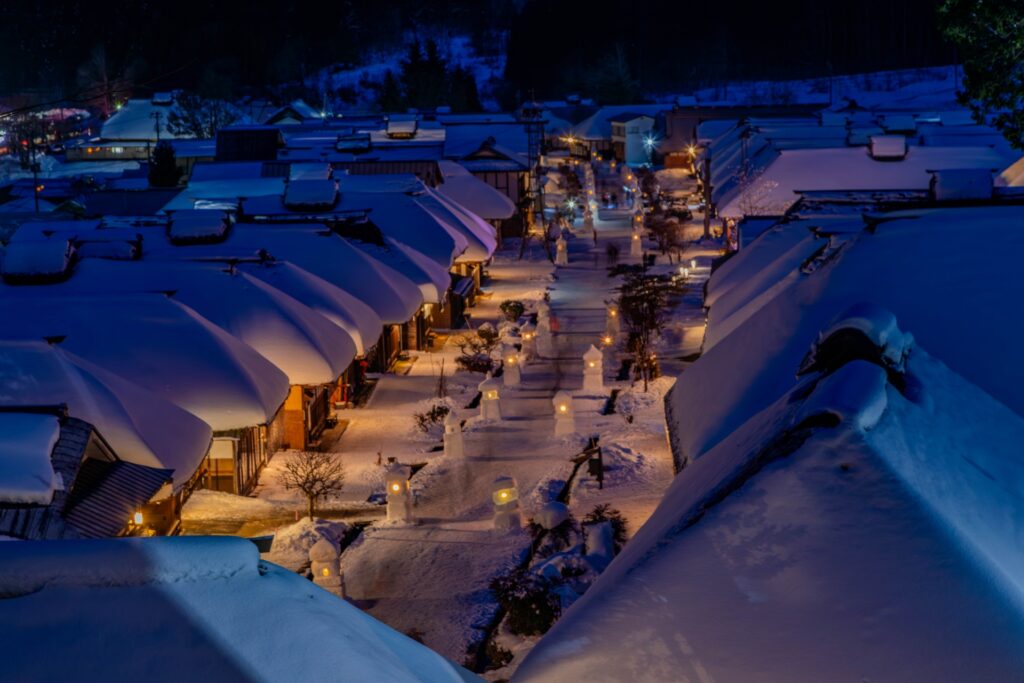
Ouchi-juku
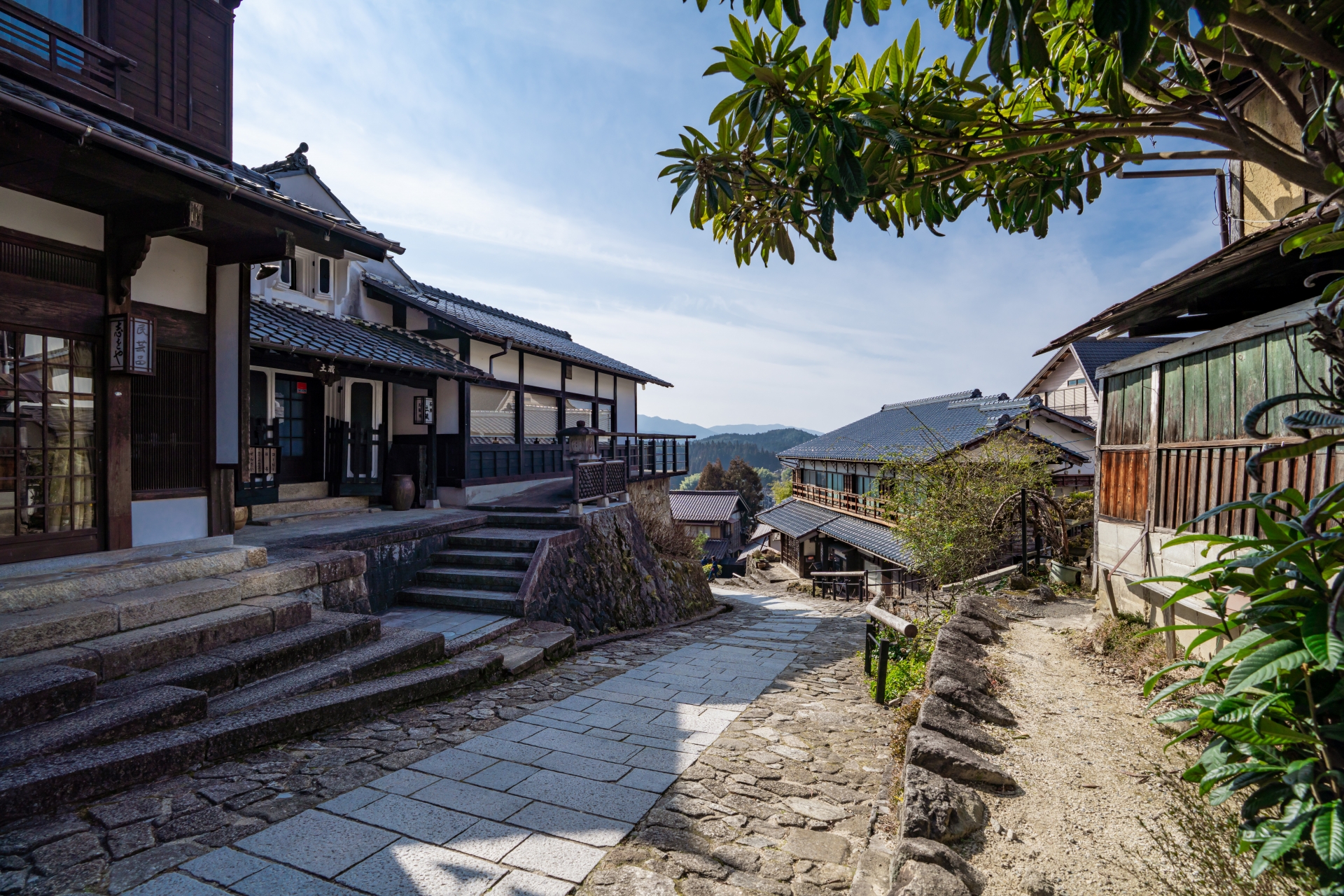
Established during the Edo period as a post station on the Aizu-Nishi Kaido road, which branched off from the Nikko Kaido, Ouchi-juku was for a time an important stopping point for the Aizu lords on their visits to Edo.
Ouchi-juku was not located along the new roads and train lines built as Japan modernized, so it remained relatively un-developed until after World War II. Although residents began incorporating modern amenities and building materials in the post-war period, preservation activities—alongside investment in tourism—gained momentum from the 1980s onward, and traces of modernity were cleverly hidden from view. Today, Ouchi-juku is designated as an Important Preservation District for a Group of Traditional Buildings.
Roughly five hours by public transportation from Tokyo Station and three and a half hours by car, a trip to Ouchi-juku encourages slow travel and a deep exploration of Fukushima Prefecture — perhaps that’s the point. “Ouchi-juku is a must-see,” Fujita says.
Mugenkyo no Watashi River Crossing
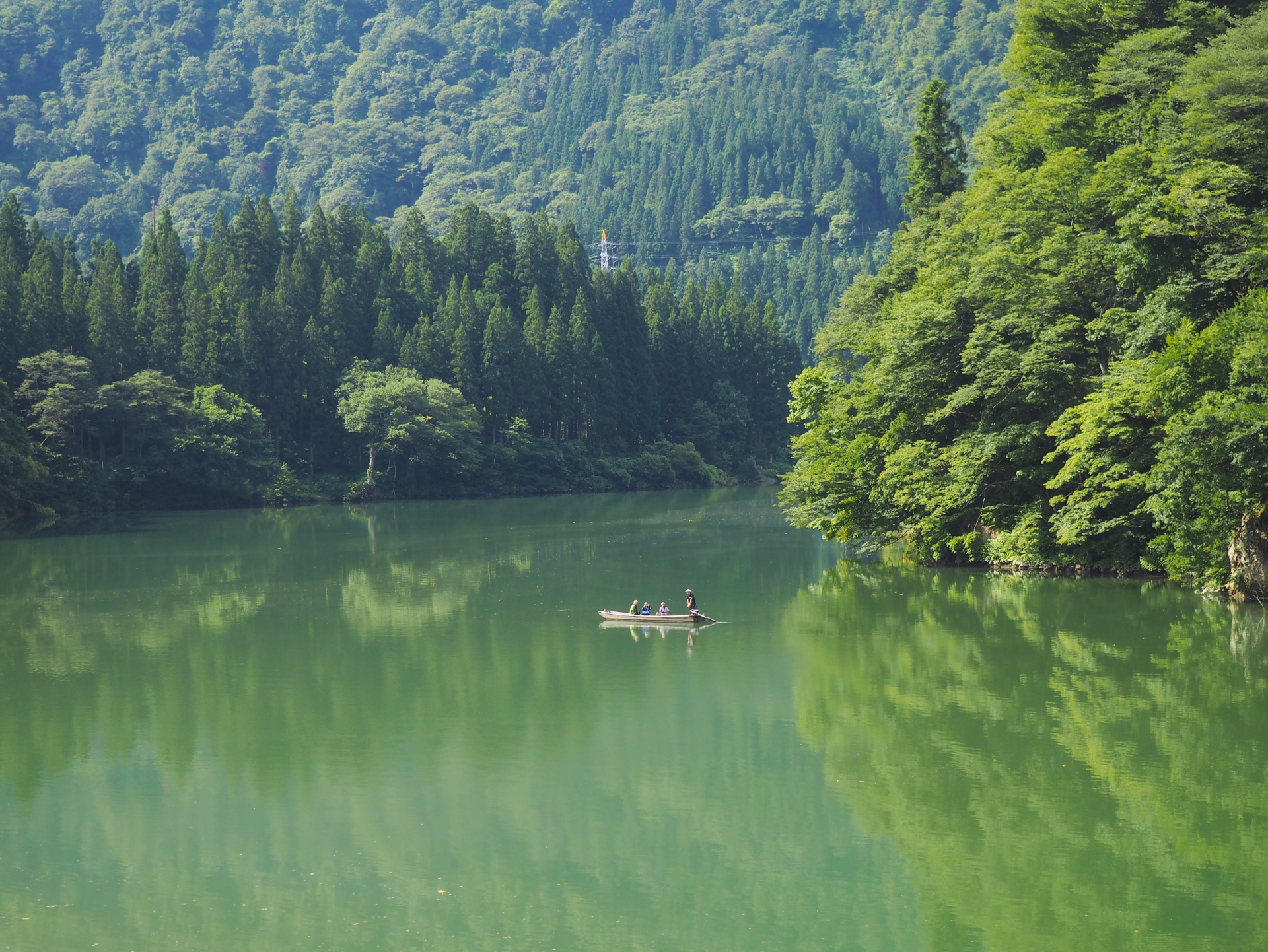
Venturing even deeper into Fukushima, visitors can find Mugenkyo — or “Misty Gorge” — along the Tadami River, wrapped in fog on summer mornings and evenings.
A village once stood here, the livelihoods of its residents entwined with the waterway. However, a 1964 landslide believed to have been caused by a nearby sulfur mine prompted the villagers to find new homes elsewhere. However, since 2010, former residents and local volunteers have operated river tours on traditional wooden boats just like the ones the villagers once used.
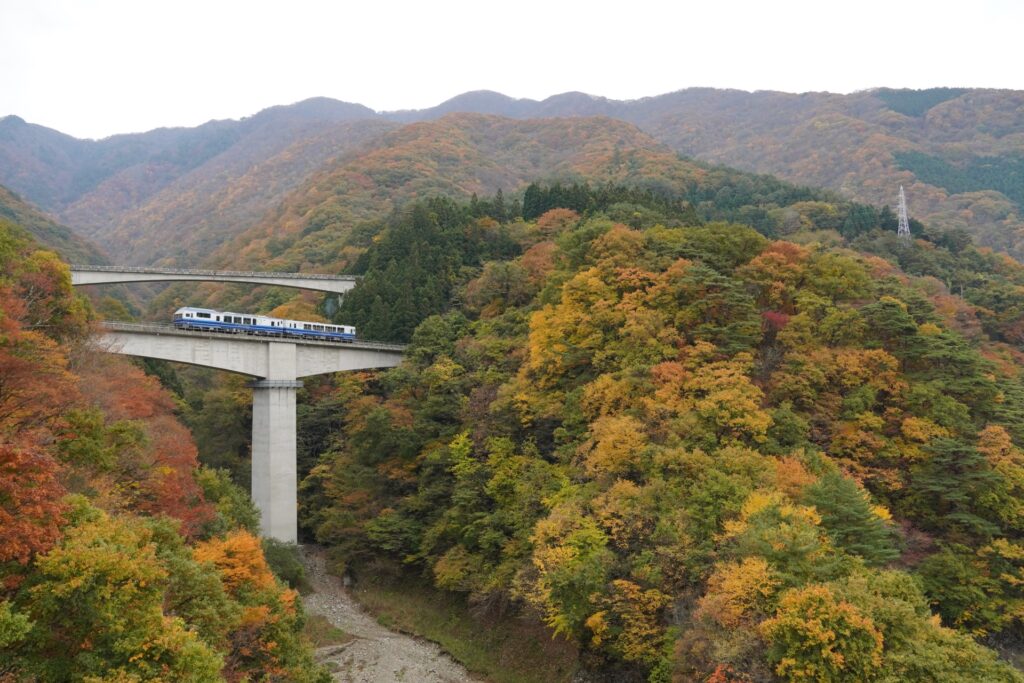
Mugenkyo is accessible from Aizu-Wakamatsu Station on the scenic Tadami Line.
In addition to the above sites, Fujita also highlighted stops along the Nikko Road and Oshu Road such as Koshigaya, where Tokugawa Ieyasu visited for falconry, and samurai culture experiences.
As the number of international visitors to Japan continues to rise, perhaps more and more will be returning home with stories of their days on the Edo roads, weaving together tradition and modernity, metropolis and local community.