
After a comfortable night parked beside the Sea of Japan at Hagi Seaside Michi-no-Eki, we woke up to calm waters and fresh sea air. Rather than taking the quickest route west, we planned a scenic drive through some of Yamaguchi and Shimane Prefectures’ most fascinating historical and natural attractions, ending the day at Michi-no-Eki Kirara Taki, a beautiful beachside roadside station.
Into the depths of Akiyoshido Cave
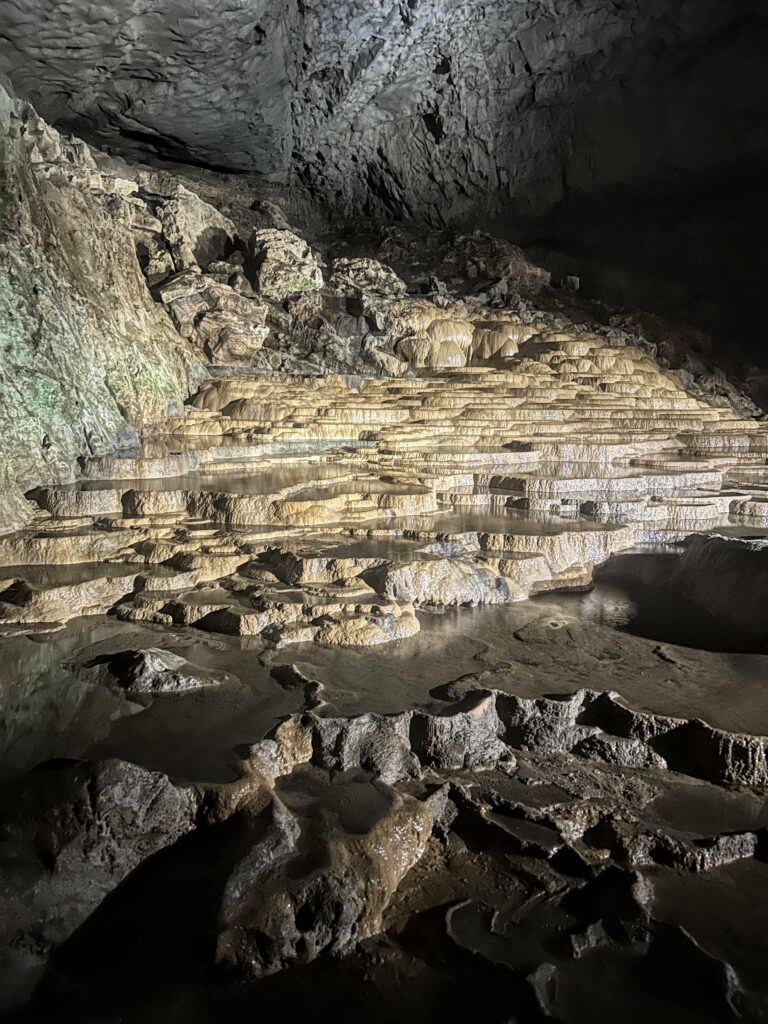
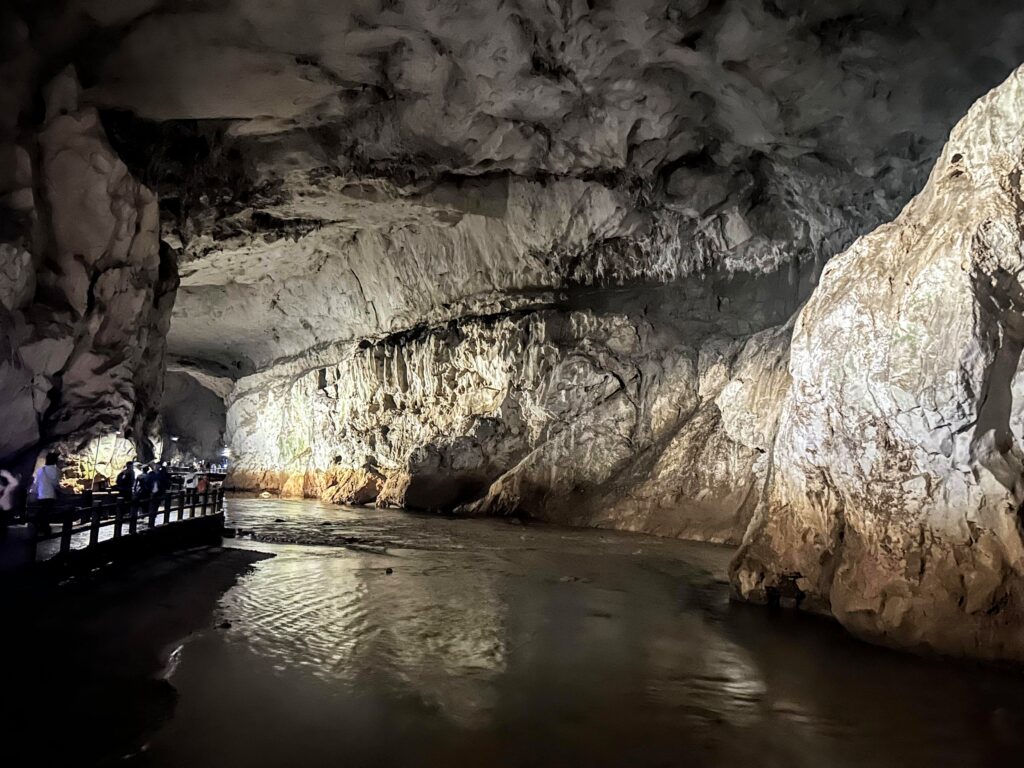
Our first destination took us inland to Akiyoshido Cave. Formed over hundreds of thousands of years beneath the vast Akiyoshidai limestone plateau, the cave stretches for almost 11 kilometers, although only around one kilometer is open to visitors.
Stepping inside was like entering another world. The temperature was a comfortable 17°C (62.6°F), despite the summer heat outside. Towering stalactites hung from the ceiling, underground streams flowed gently, and unique rock formations with imaginative names appeared around almost every corner. Soft lighting highlighted the cave’s immense scale without detracting from its natural beauty, making the experience unforgettable.
Exploring the history of Iwami Ginzan Silver Mine
Back above ground, we continued our journey towards Shimane Prefecture, where the pace of life seemed to slow. Our next stop was the charming port town of Oda. Traditional buildings, narrow streets, and welcoming local cafes made it an enjoyable place to pause for lunch before continuing deeper into the mountains.
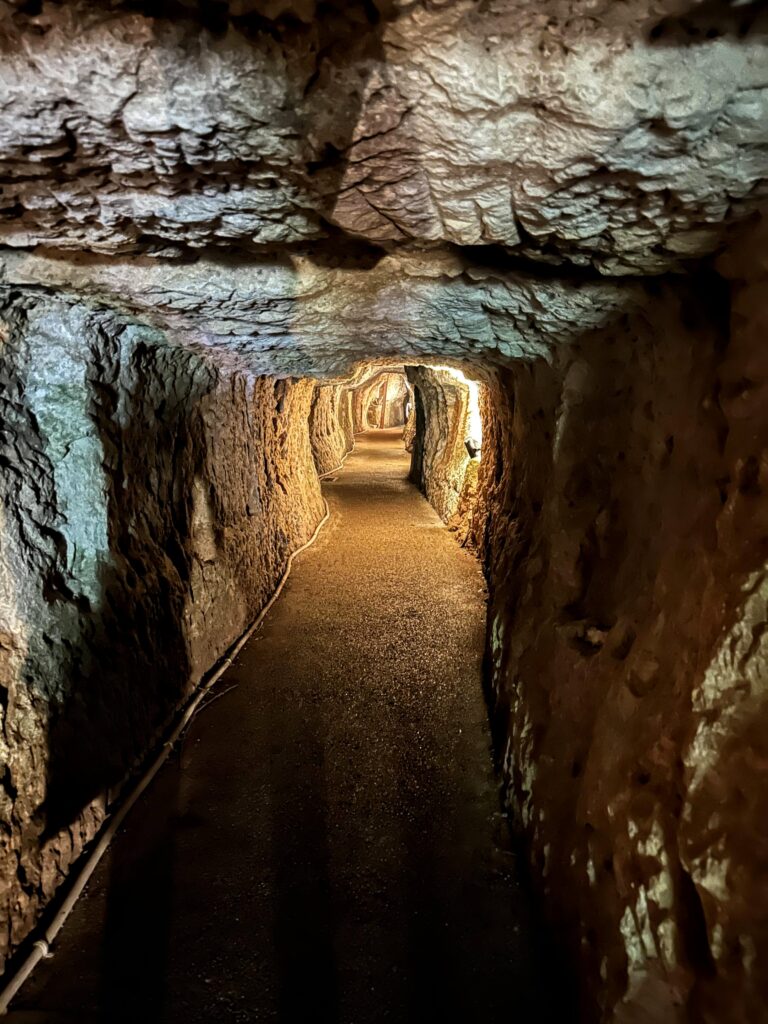
A short drive brought us to Iwami Ginzan Silver Mine, once one of the world’s most productive silver mines and now a UNESCO World Heritage Site. During the Edo period (1603 – 1868), the mine contributed significantly to Japan’s economy, including through international trade. Today, the area has been beautifully preserved, allowing visitors to get a glimpse of what life may have been like during its centuries of operation.
Walking through the historic mining village, we passed restored merchant houses, narrow lanes, and traditional wooden buildings. Although many visitors choose to hike to the old mine shafts, simply exploring above ground provides an opportunity to appreciate the area’s rich history and peaceful atmosphere.
Rakan-ji Temple and 500 stone statues
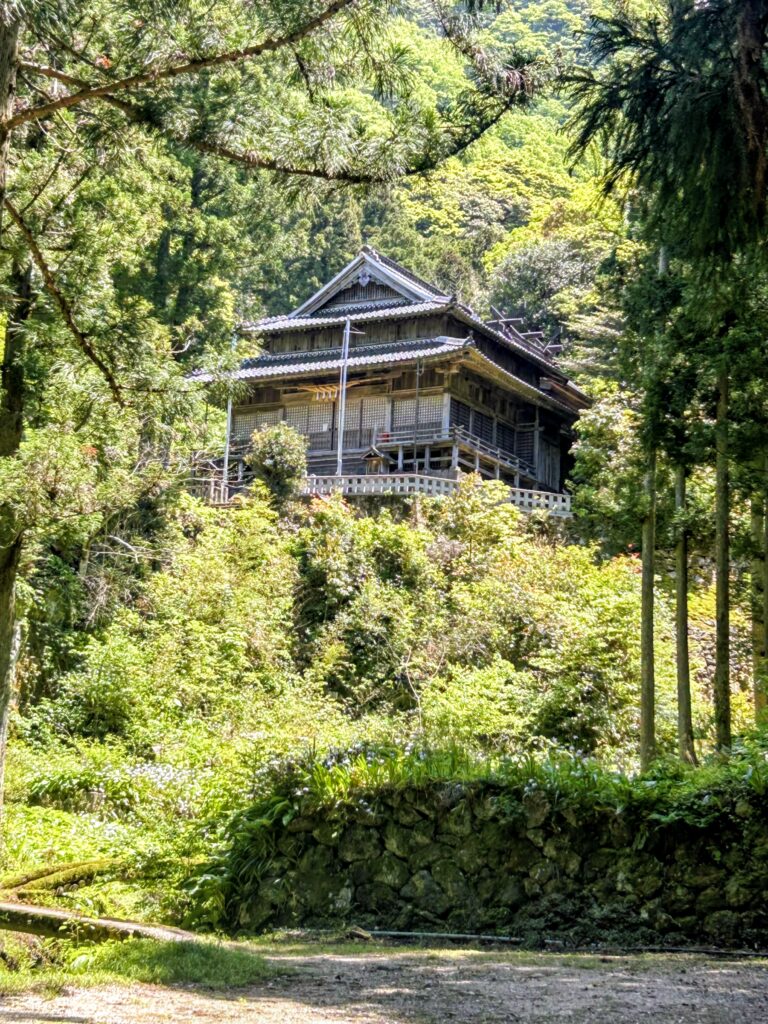
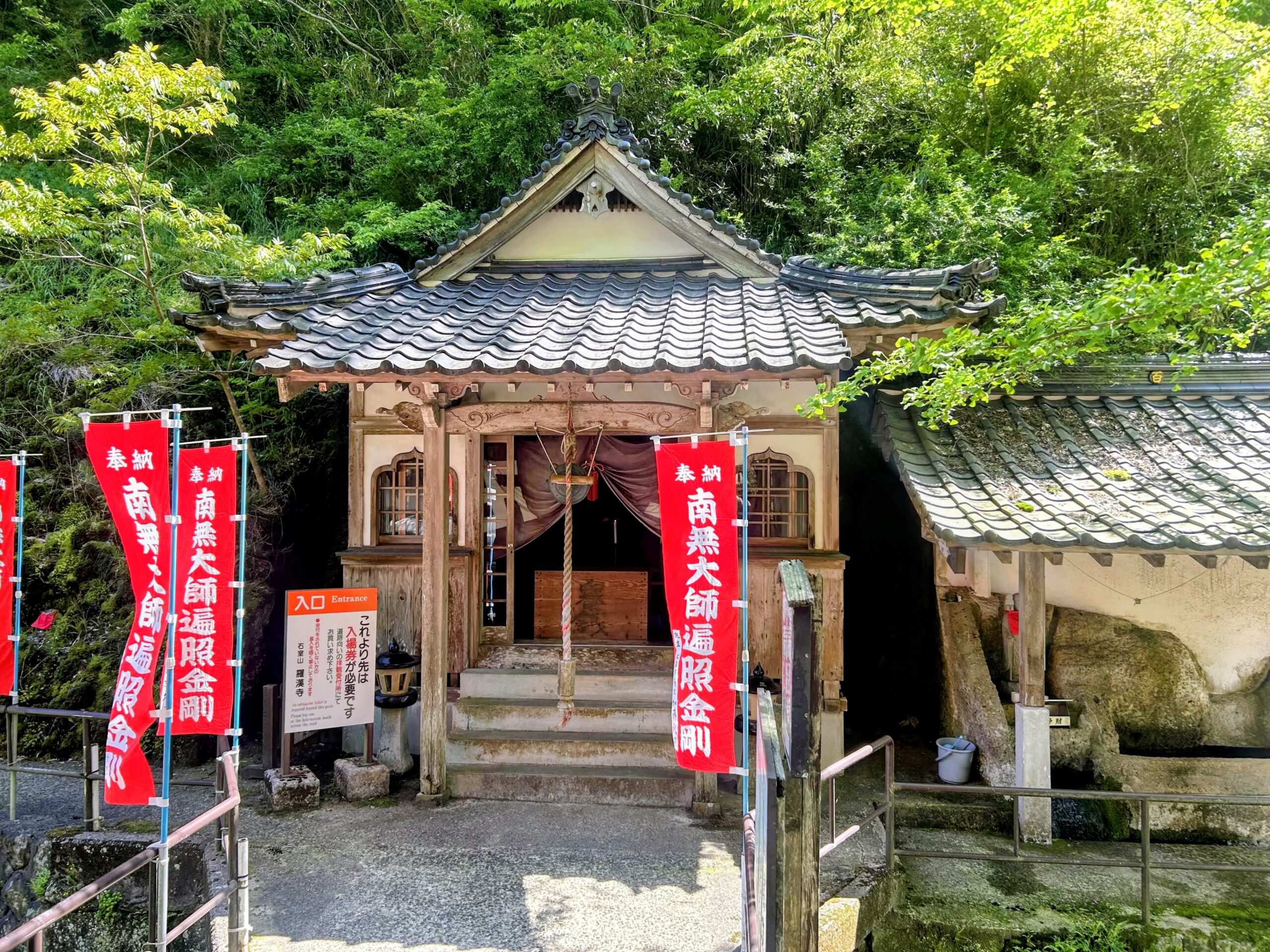
A short walk away is Rakan-ji Temple, one of the area’s lesser-known treasures. Founded in the 18th century to honour those who lost their lives working in the mine, the modest temple sits in a peaceful setting, enveloped by towering trees and the gentle sounds of a nearby stream.
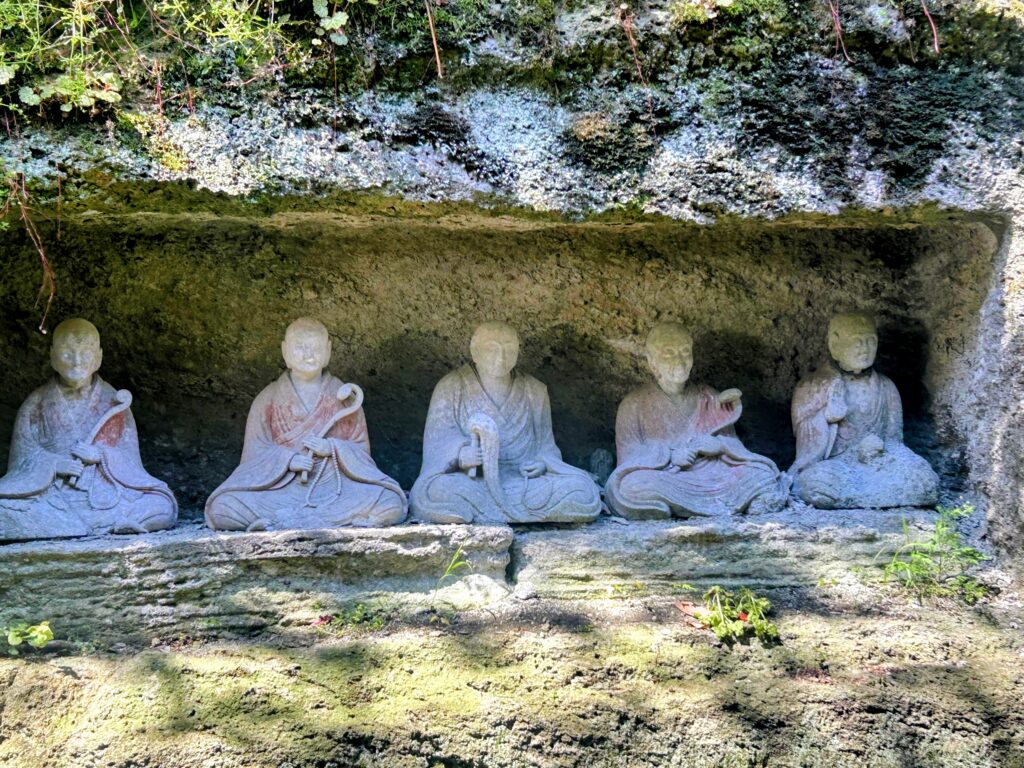
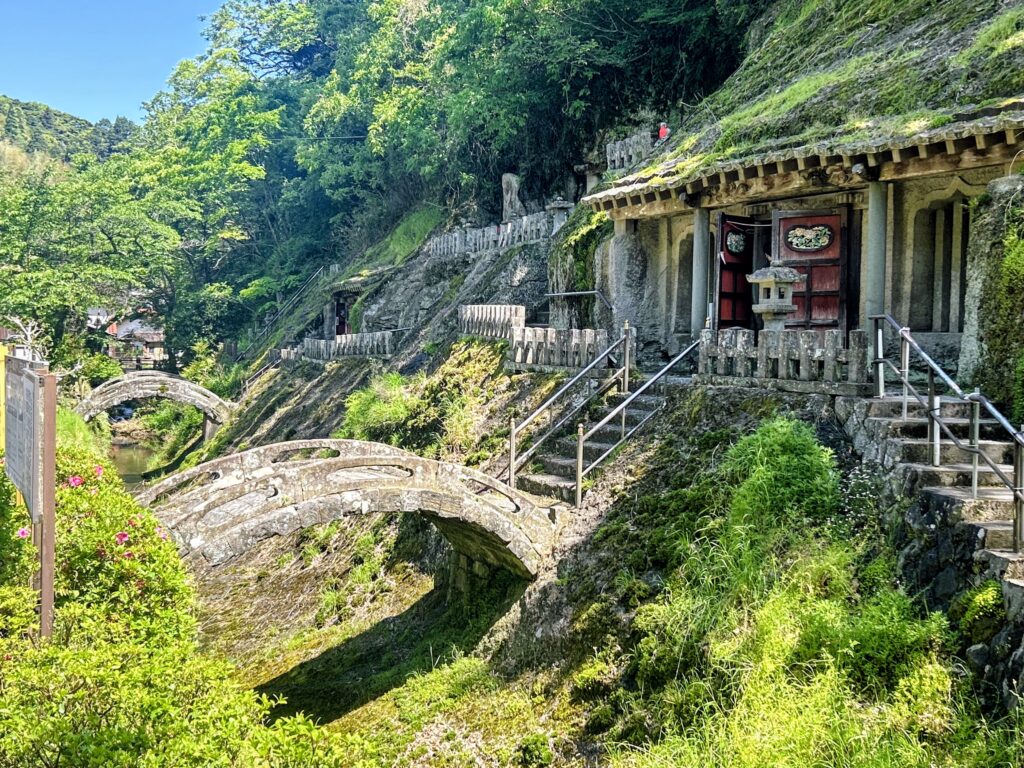
Crossing the road, we followed small stone bridges to the Gohyakurakan, where two caves carved into the hillside shelter more than 500 hand-carved stone statues. Each statue represents one of Buddha’s disciples, yet every face is entirely unique. Some appear joyful, while others are thoughtful. According to local tradition, if you look carefully enough, you may even find a face resembling someone you know.
Marveling at the world’s largest hourglass at Nima Sand Museum
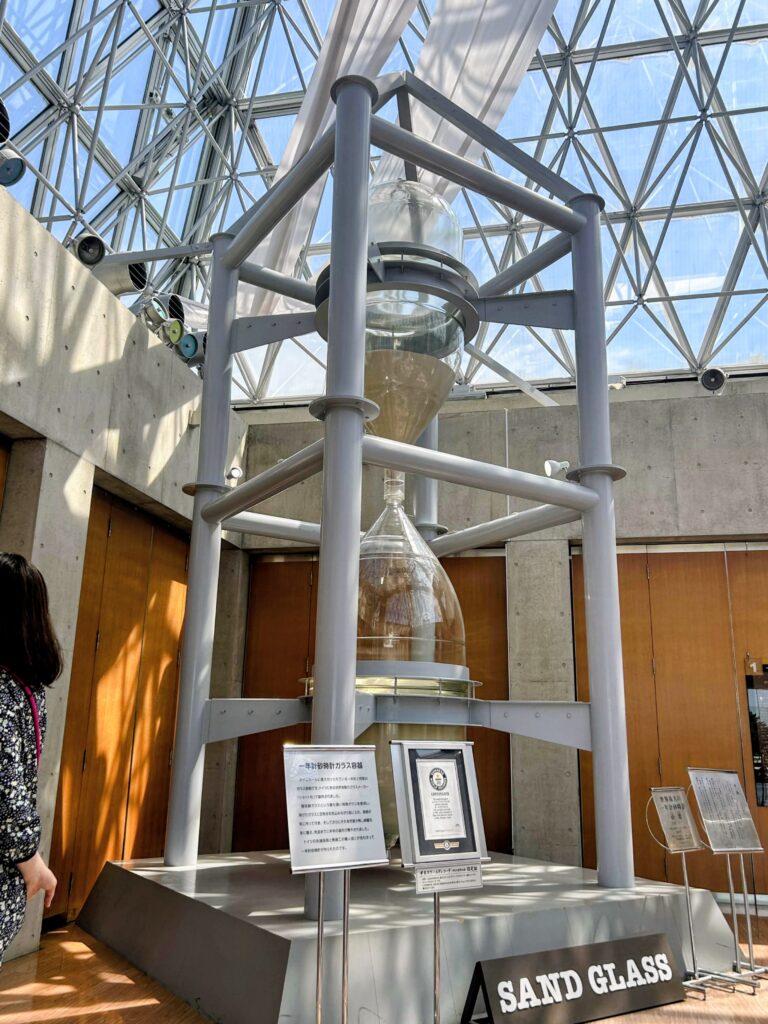
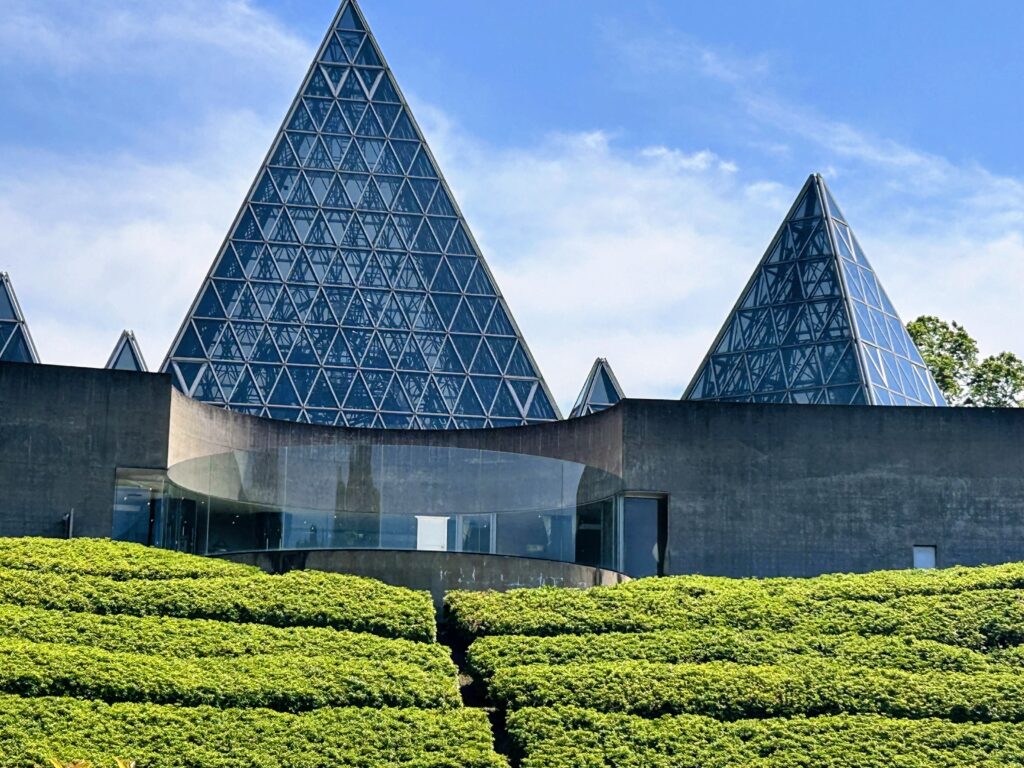
Our final sightseeing stop offered something completely different. The Nima Sand Museum is home to the world’s largest hourglass, containing approximately one ton of specially selected sand that takes exactly one year to flow from top to bottom. Housed beneath a striking glass pyramid, the museum explores the science and cultural history of sand through a variety of interactive displays and exhibits.
Watching the enormous hourglass slowly measure the passing months reminded me that road trips are not simply about reaching destinations, but about appreciating the journey itself.
A beachside night at Kirara
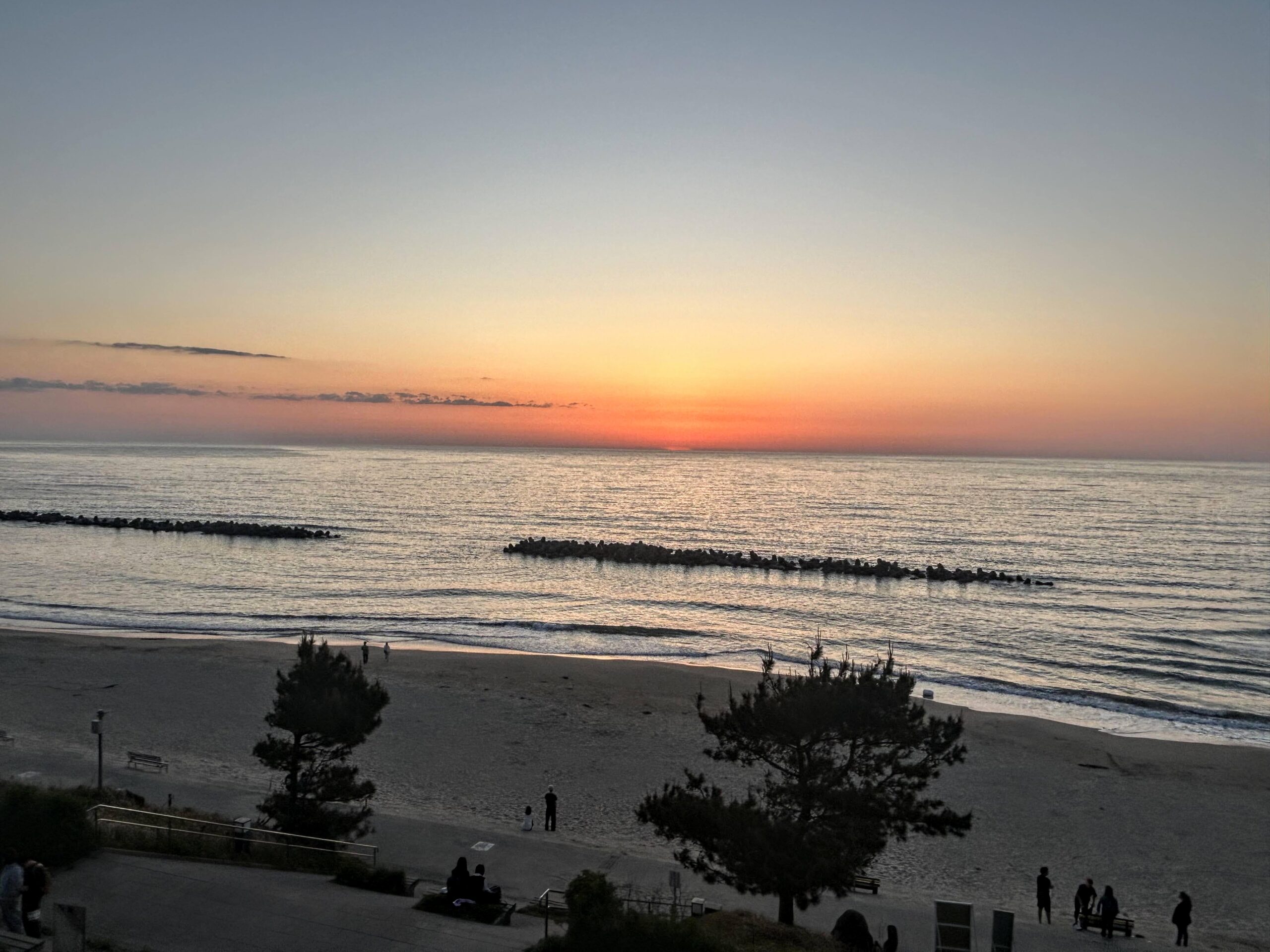
As evening approached, we made our way back towards the Yamaguchi coastline and arrived at Michi-no-Eki Kirara Taki. Situated beside a long stretch of sandy beach, it proved to be one of the most picturesque overnight stops of our trip. The sound of gentle waves provided the perfect soundtrack as we settled in for the night.
However, our arrival also highlighted an important lesson for anyone planning to stay overnight at roadside stations. Kirara is an extremely popular location, particularly on weekends, during holidays, and in good weather, and we were fortunate to arrive early enough to secure a spot.
As darkness settled over the Sea of Japan and the last colors faded from the horizon, we reflected on another day that had combined spectacular natural scenery, fascinating history, and hidden cultural treasures. From the cool underground chambers of Akiyoshido Cave to the timeless streets of Iwami Ginzan and the peaceful beaches of Kirara, this corner of western Japan offered far more than we had anticipated.
Travel tip
Identify one or two alternative overnight parking locations before setting off each day. Having a backup option reduces stress and avoids the need to drive while overly tired, helping to ensure a safer, more relaxing road trip.