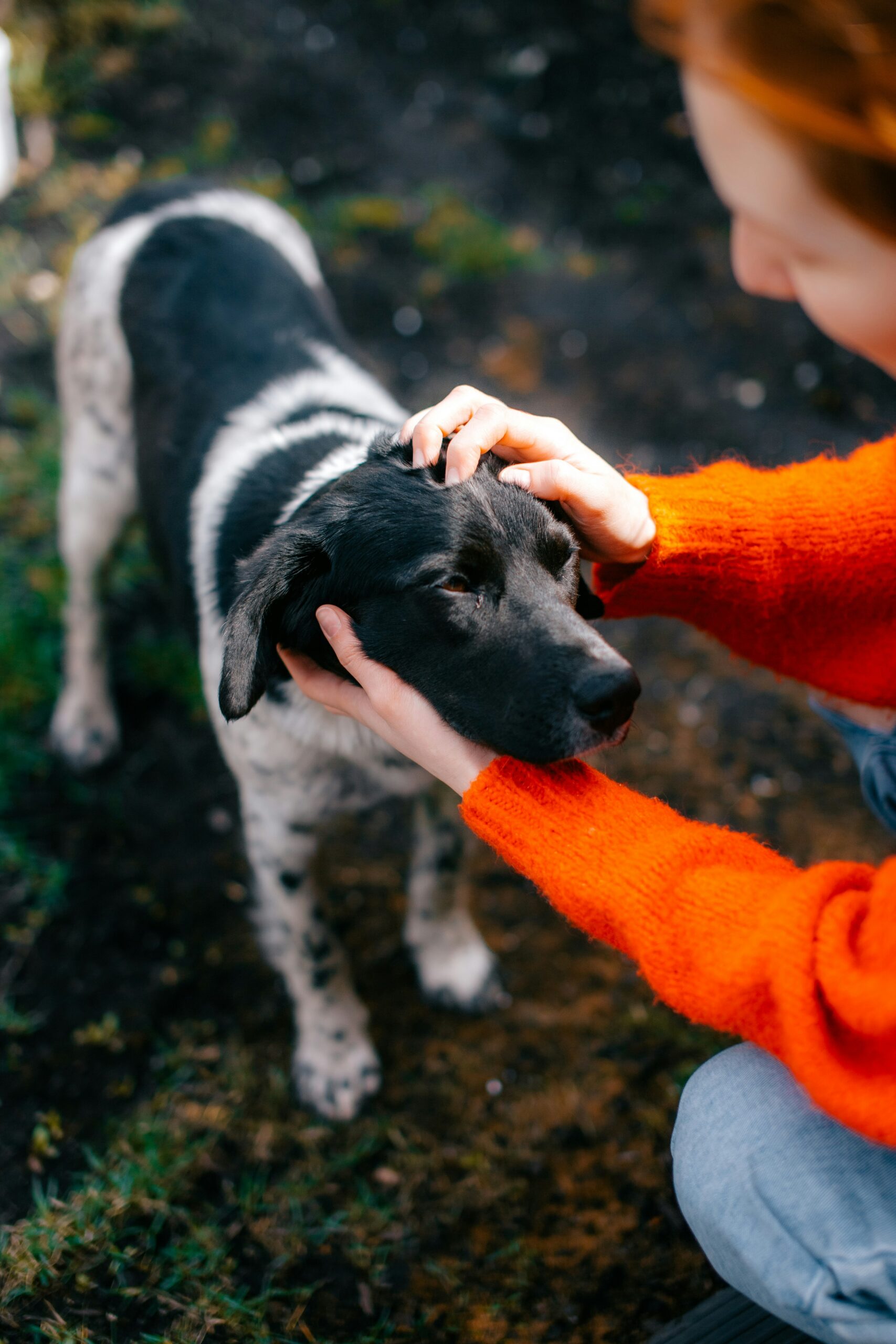
When people hear the phrase “rescue dog work,” many imagine dramatic scenes — emotional rescues, urgent decisions, or strong expressions of justice. But the reality I encountered was much quieter.
At adoption events, there are no loud voices or cheers surrounding the dogs. People stand a short distance away, carefully observing their expressions and movements. It almost looks as if they are holding themselves back.
The quiet reality of rescue work
In recent years, partly influenced by media coverage, more families in Japan have chosen to welcome rescue dogs instead of purchasing puppies from pet shops.
So what exactly is a rescue dog?
In many regions, animals taken in by local authorities are still subject to euthanasia after a certain period of time. Rescue organizations and volunteers step in before that deadline, taking the dogs into their care and connecting them with new families.
I am one of the volunteers involved in this work.
However, not all rescue dogs were originally scheduled to be euthanized. Some come from households that could no longer care for them due to changing circumstances. Others were abandoned or born as stray dogs without ever knowing life with humans.
There is no single reason. And in many cases, their backgrounds cannot be easily explained.
Perhaps because of this, people at rescue sites rarely speak loudly about a dog’s past. They do not label the dogs as “poor” or try to create emotional stories around them.
Instead, the focus is on how the dog feels now. How much distance it needs from humans. What kind of pace feels safe.
Above all else, careful observation comes first.
What is happening there is actually very simple.
Lives are being passed on.
When kindness means keeping your distance
The dog I live with today was also once a rescue dog. There was no dramatic moment. No heroic story. Just timing, circumstance, and a quiet decision that led us to live together.
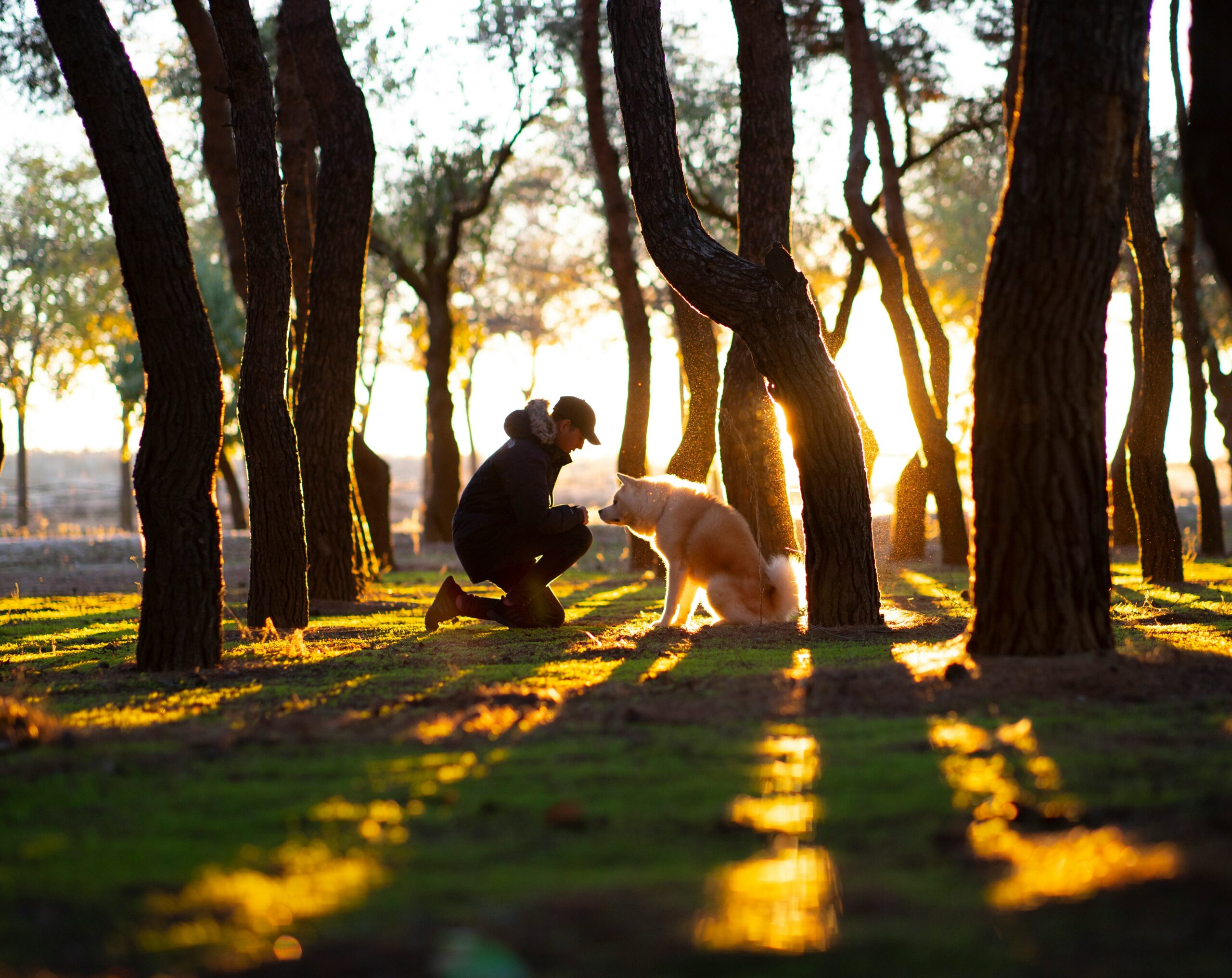
As time passed, I realized that living with a rescue dog does not feel like “saving” someone. It is more about not approaching too quickly, not projecting expectations, and adjusting daily life to the dog’s pace.
This way of being closely mirrors what I observed in rescue work.
Strong affection is not the only form of kindness. Raising one’s voice is not the only way to care.
Sometimes, kindness appears as restraint: measuring distance carefully and offering help only when it is truly needed.

When the familiar becomes unfamiliar
From an international perspective, another scene in Japan may feel strange: puppies displayed in pet shop windows.
In Japan, puppies have long been sold in pet shops as part of everyday scenery. Behind clean glass, puppies of similar age sit side by side, presented with price tags. Many people feel no discomfort seeing this.
I once felt the same way.
In contrast, choosing a rescue dog often involves hesitation.
Not “Is this dog cute?”
But “Can we live together?”
It is not possible to say which approach is right or wrong. But when seen from an outside perspective, what once felt normal can suddenly look unfamiliar.
Through rescue dog work in Japan, I came to notice a form of kindness that is quiet, restrained, and careful about distance.
It is not easily visible.
But it has endured.
And even now, I continue to live within that distance — together with my dog.