
Everyone has a sound that brings them a quiet sense of calm.
Perhaps it is the distant ringing of church bells. Perhaps it is the sound of water flowing through a river or rain falling softly against a window.
For me, having grown up in Japan, the sound of a furin is one of them.
A furin is a small Japanese wind chime, usually made of glass or metal. Hanging beneath it is a narrow strip of paper called a tanzaku. When the breeze catches the paper, the clapper inside strikes the chime, producing a delicate sound.
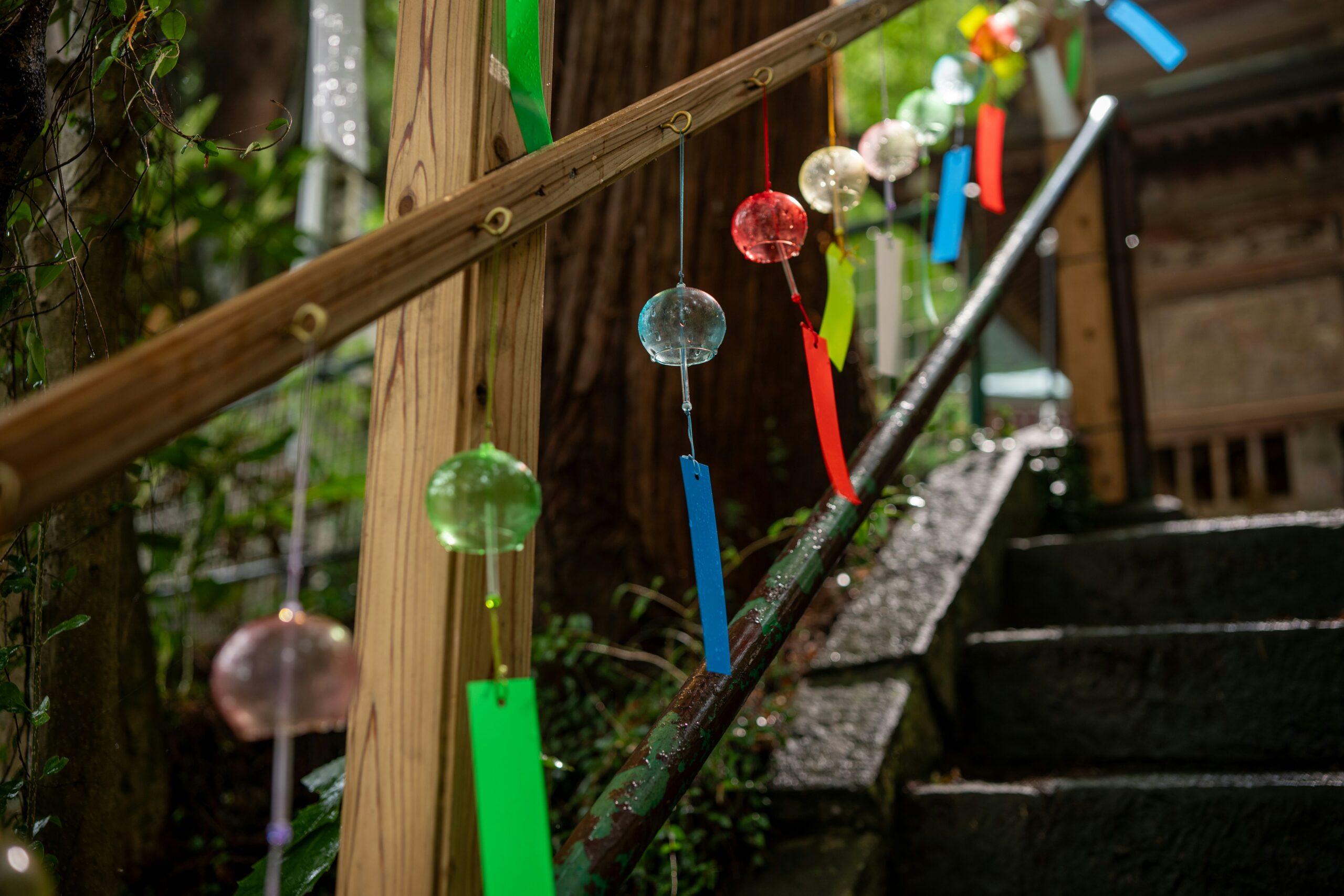
In Japan, furin have long been part of the soundscape of summer. Not long ago, I visited Odo, a small mountain town in Toyota City, Aichi Prefecture.
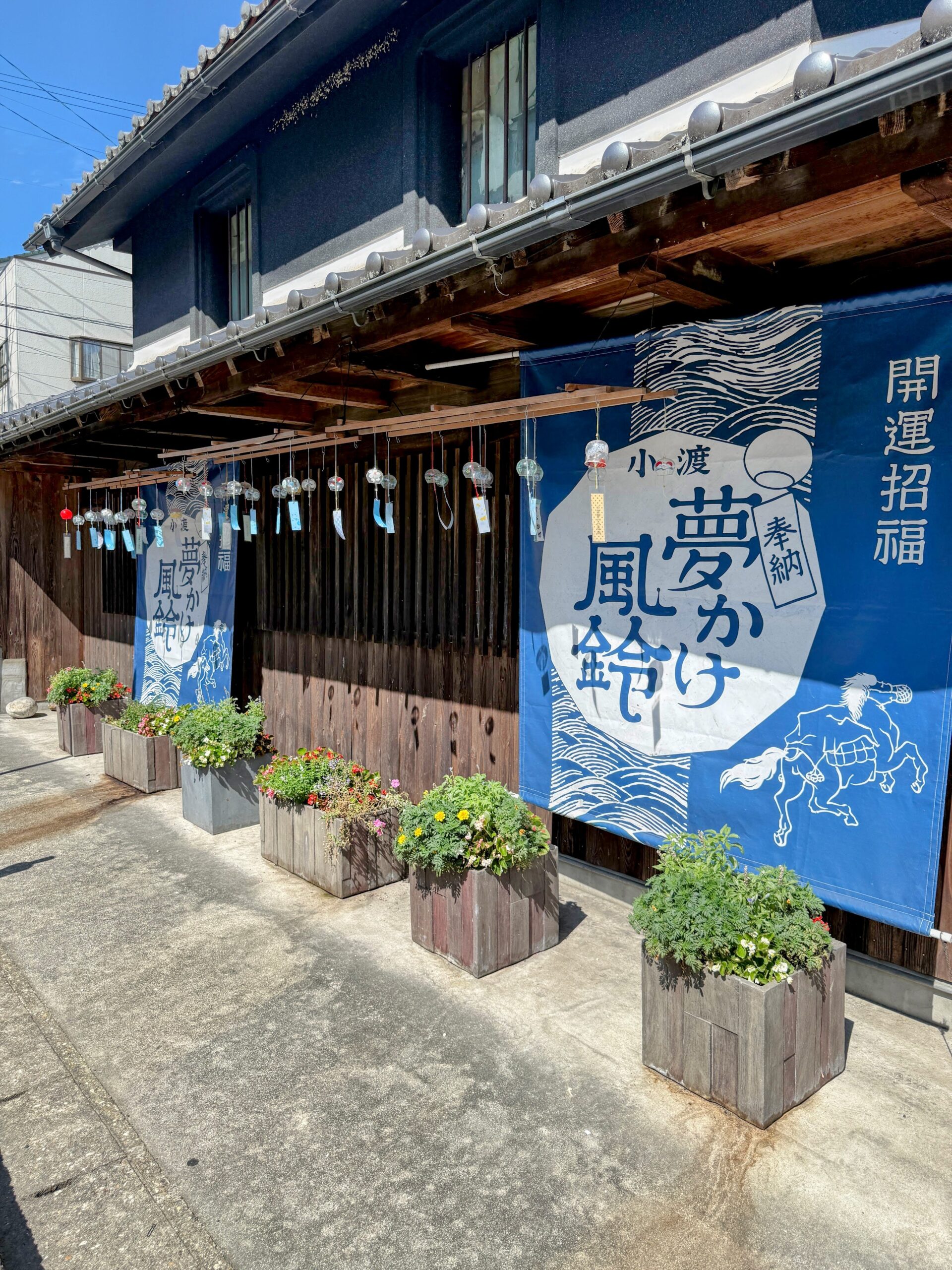
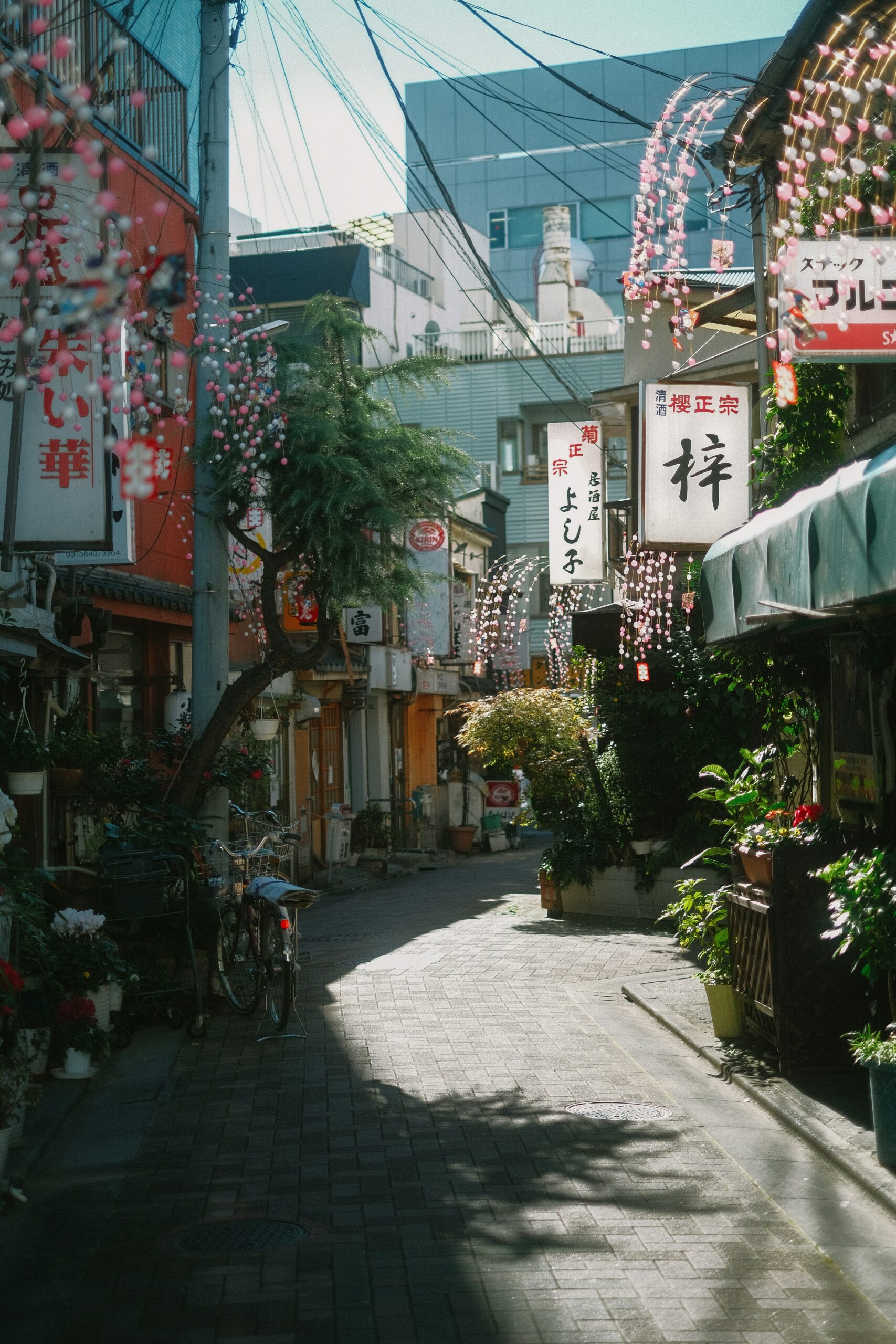
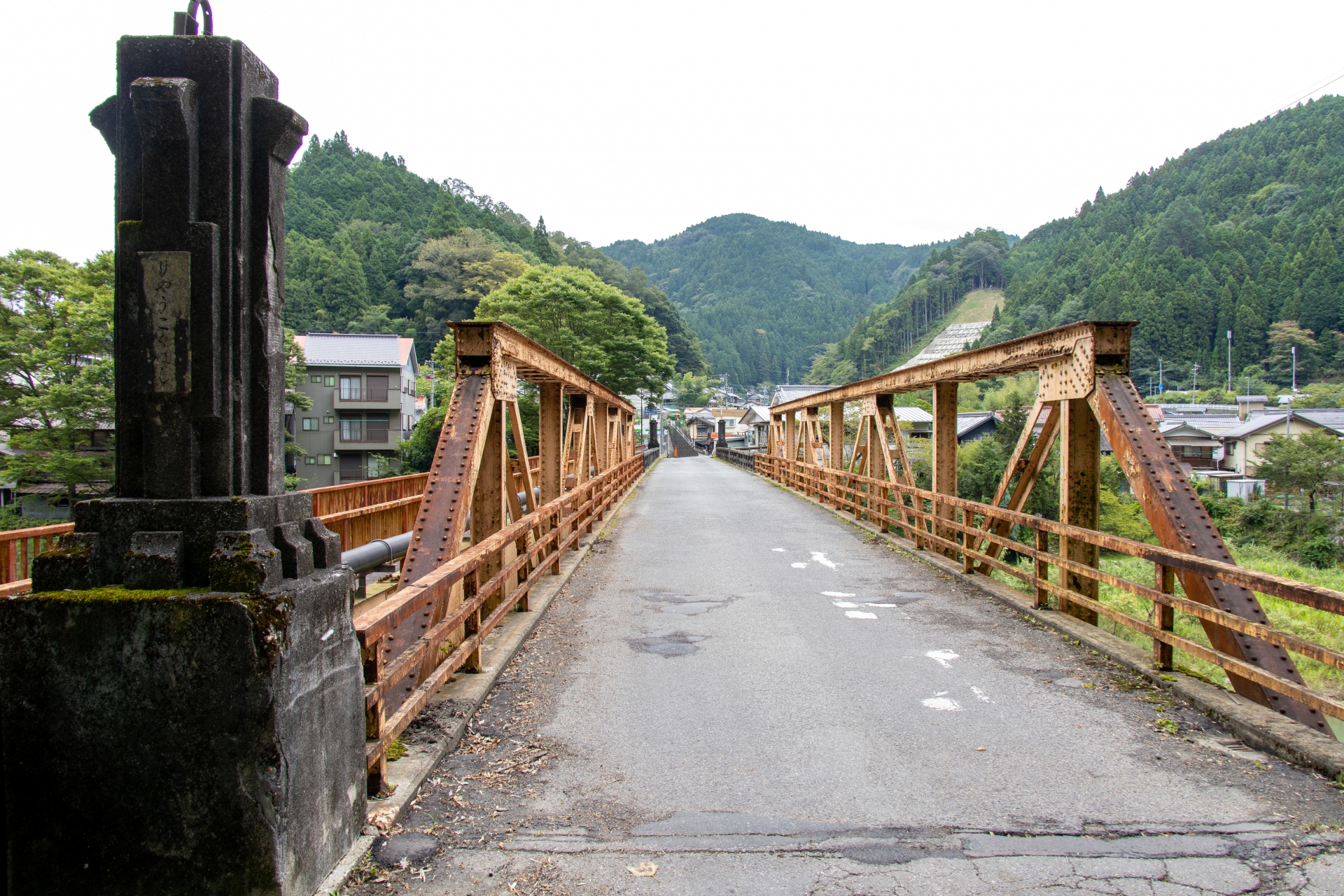
The town is surrounded by mountains, with narrow streets and old houses that preserve something of an earlier Japan. Each summer, furin are hung throughout the town.
Countless wind chimes were suspended from wooden frames. The clear glass caught the summer sunlight, while colorful strips of paper swayed beneath them. When a breeze passed through, one chime would ring, followed by another, until dozens of small sounds seemed to fill the air.
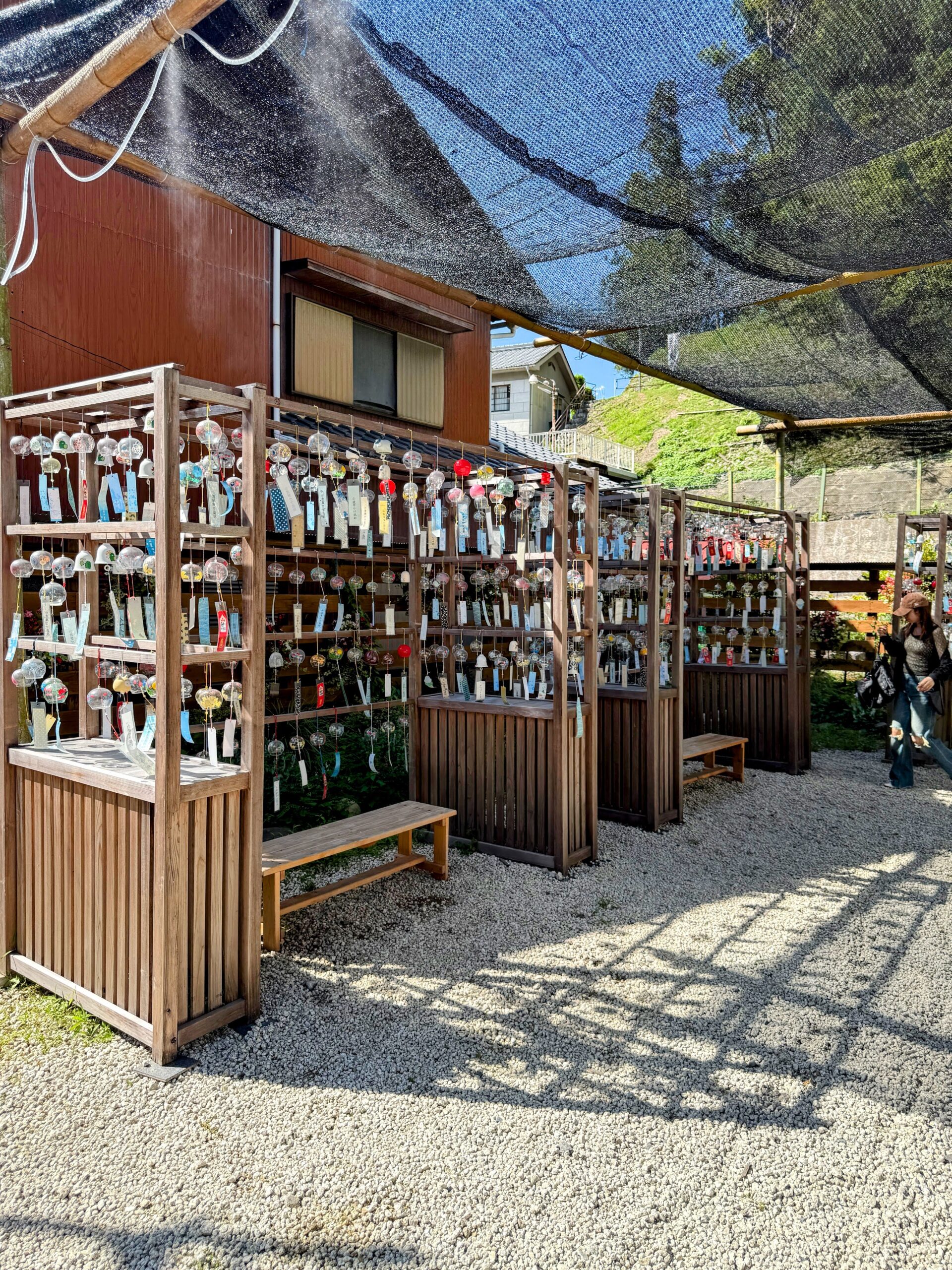
It was a hot day. Shade had been stretched above the furin, and a fine mist drifted down from overhead.
Summers in Japan today feel very different from the summers I remember as a child.
During the school holidays, I would spend hours playing outside. I also took part in school sports activities in the heat. Summers were certainly hot then, too, but today the heat can feel genuinely life-threatening. Air conditioning is no longer simply something that makes life more comfortable. It has become essential for protecting our health.
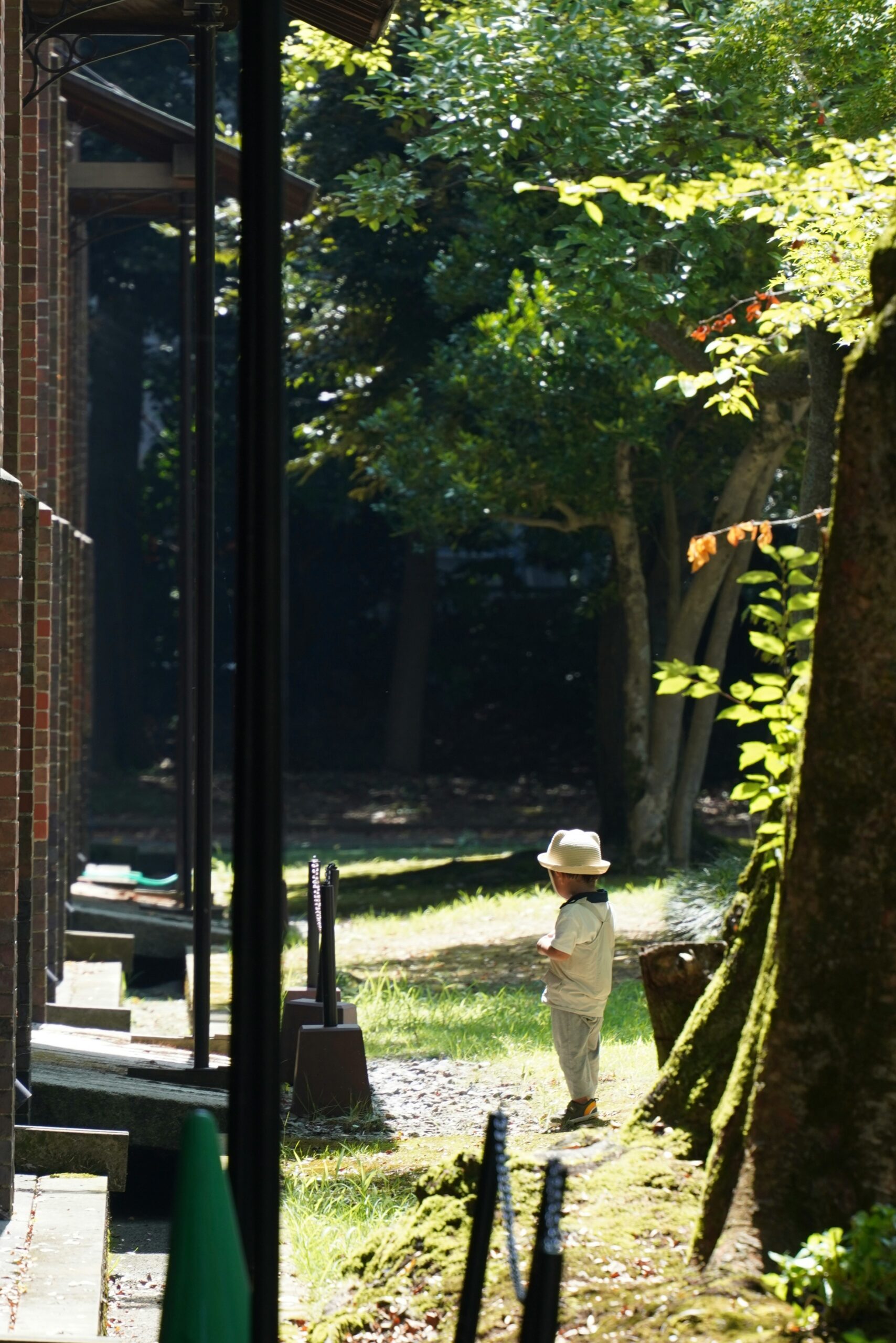
The coolness I felt in Odo did not come from the furin alone. The town lies in the mountains. There was shade, and there was mist. All of these things came together.
And yet, as I stood surrounded by the sound of wind chimes, memories of another summer began to return.
My grandparents lived deep in the mountains of Iwate Prefecture.
Their home was a traditional Japanese house in a place that was noticeably cooler than the cities. A metal furin hung beneath the eaves.
Whenever the wind blew, its clear metallic note could be heard from outside.
As a child, I never thought of that sound as anything special. The furin was simply there, as much a part of summer at my grandparents’ house as the mountain air and the old wooden home itself.
There was also a furin at my family home.
That one was made of clear glass. It did not hang beside a beautiful garden or from the veranda of a picturesque traditional house. It hung by the back door.
The furin I remember were not displayed somewhere special for people to stop and admire. One hung beneath the eaves of my grandparents’ house. The other rang beside a door my family used in the course of everyday life.
They simply made a sound whenever the wind happened to pass through.
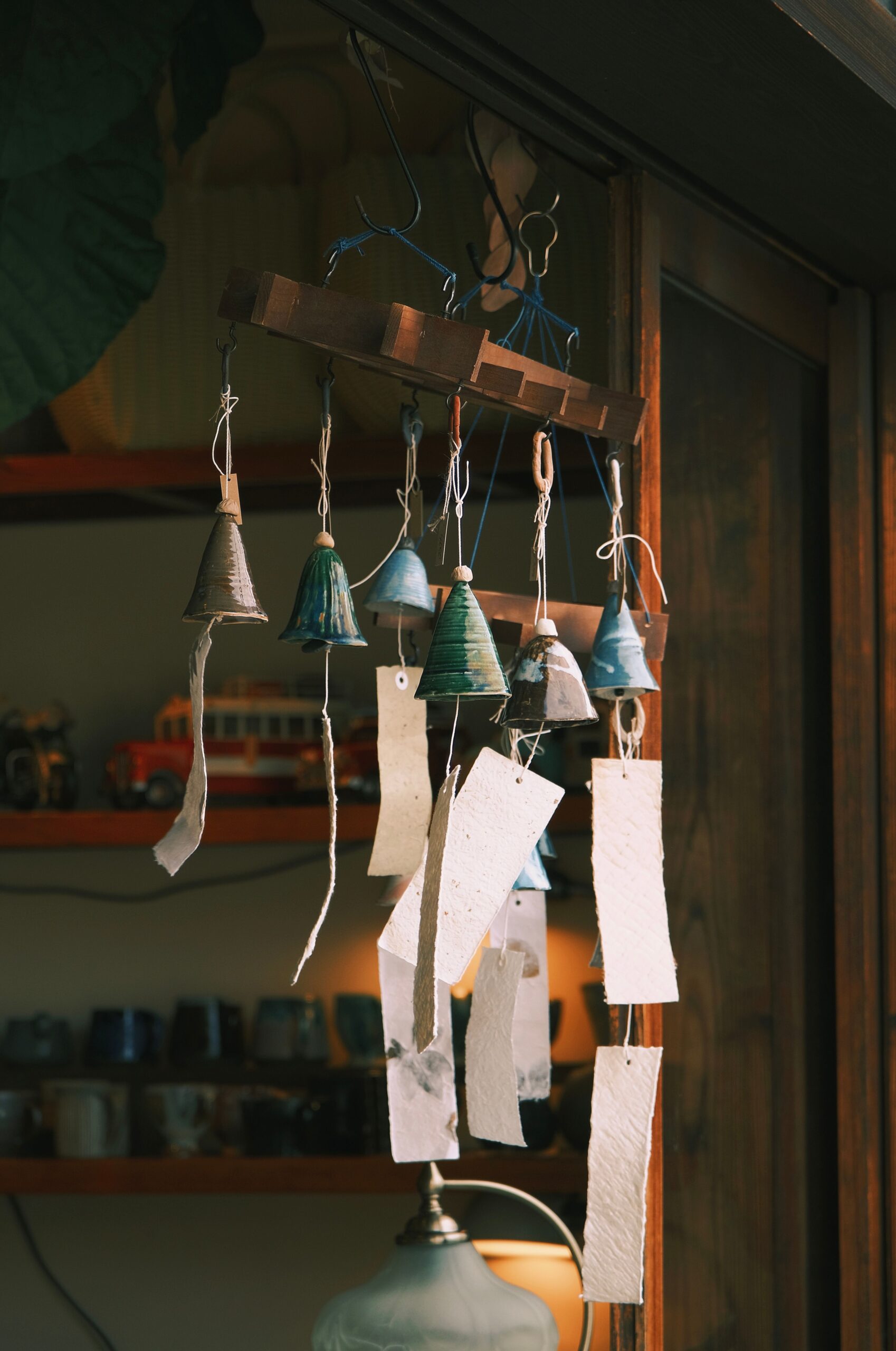
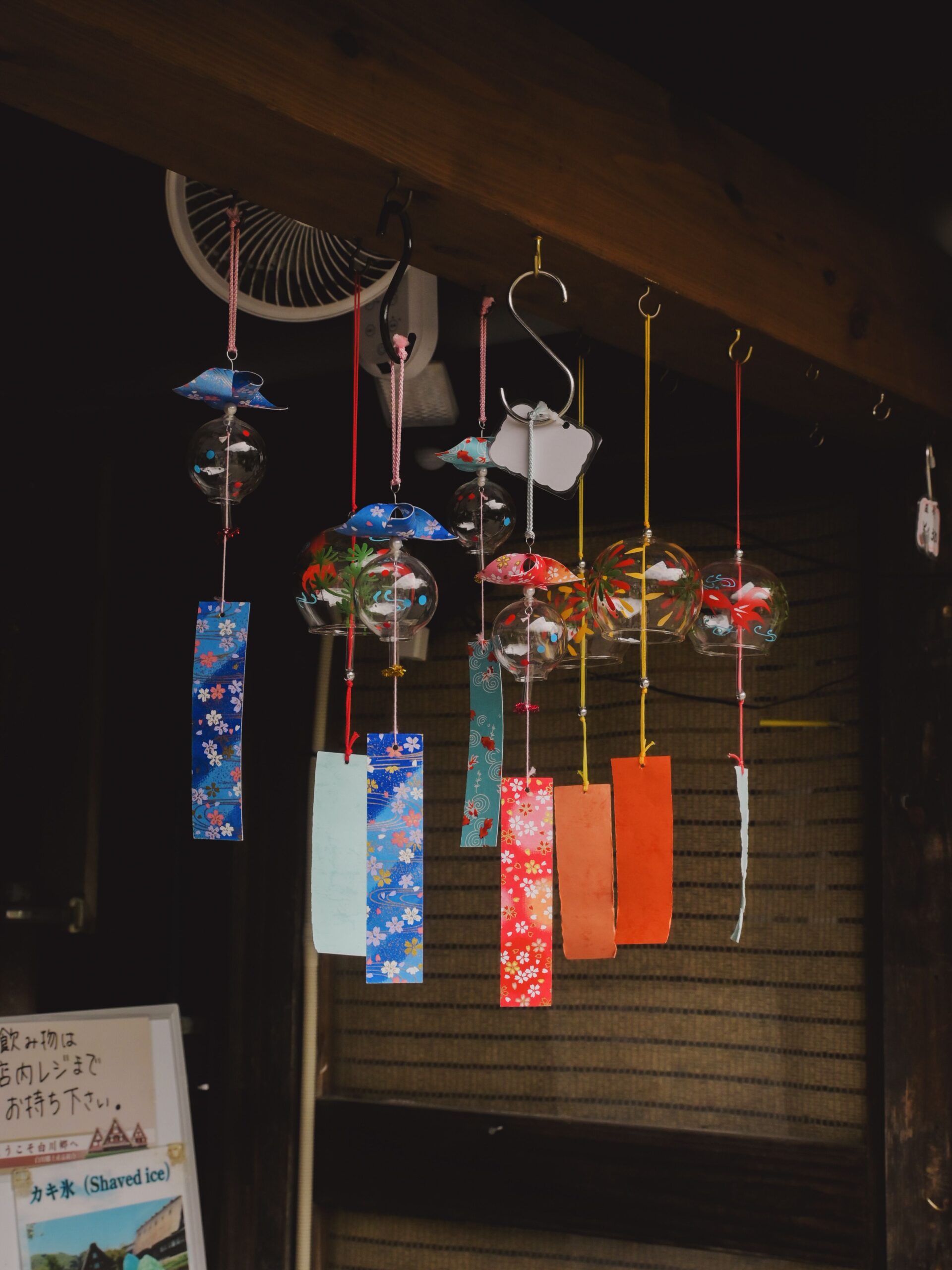
As I walked through Odo, past the mountains, the old houses and the narrow streets, I found myself remembering both of them.
One was metal and the other was glass. Their tones must have been different, yet both remain connected in my mind to the summers of my childhood.
A furin does not lower the temperature by even a single degree.
Still, perhaps the reason its sound feels cool to me is that it carries me back to places and moments that truly were cooler.
But nostalgia is not the only thing a furin can bring.
We cannot see the wind itself. When the paper strip begins to sway and the furin rings, however, we know that a breeze has passed through.
The sound appears, then fades into silence.
A little later, another chime rings somewhere nearby.
Listening to that gentle rhythm, I felt some of the tension brought on by the summer heat begin to loosen.
Of course, not everyone in Japan responds to furin in the same way. If one rings continuously, some people may find it irritating rather than soothing.
Even so, for many people who have grown up with them, furin may be one of the sounds closely tied to memories of summer.
I have lived in my current home for nearly ten years.
There is no furin here.
I never decided that I no longer wanted one. Nor did I consciously leave them behind. At some point, as my way of living changed, the sound simply disappeared from my everyday life.
While looking at the furin in Odo, I found myself wanting one for my own home. I would choose one made of clear glass.
I would hang it indoors near a window, where I could enjoy not only the sound but also the way the glass catches the light and the paper moves beneath it.
Today, we keep our windows closed and use air conditioning through much of the summer. Natural breezes no longer pass through our homes as often as they once did.
That would be all right.
A faint current of air from the air conditioner or an electric fan would be enough to make it ring from time to time.
In the end, I did not buy a furin that day.
The reason was simple: it was a little too expensive.
Even so, I still find myself imagining a clear glass wind chime hanging beside a window in my home.
Is there a sound that brings an old scene back to you or makes your heart feel a little more at ease?
For me, the sound of a furin still does both.