
Decisions, decisions — and I had a delightfully difficult one to make: which of the beautiful kimono fabrics spread out before me would become my new coat? I had come to meet Claire Ghyselen of Kimonogatari, the business she has developed with fashion designer Yoko Arai and pattern maker Makiko Yamamoto to transform vintage kimono into bespoke clothes.
I love wearing kimono at every chance, whether renting formal ones for family events or more casual styles for strolling around historic townscapes on trips. However, I’ve never owned a kimono, and I certainly don’t possess the skills to dress myself in one. So, I was very excited at the prospect of owning a garment made from kimono that would easily fit into my lifestyle.
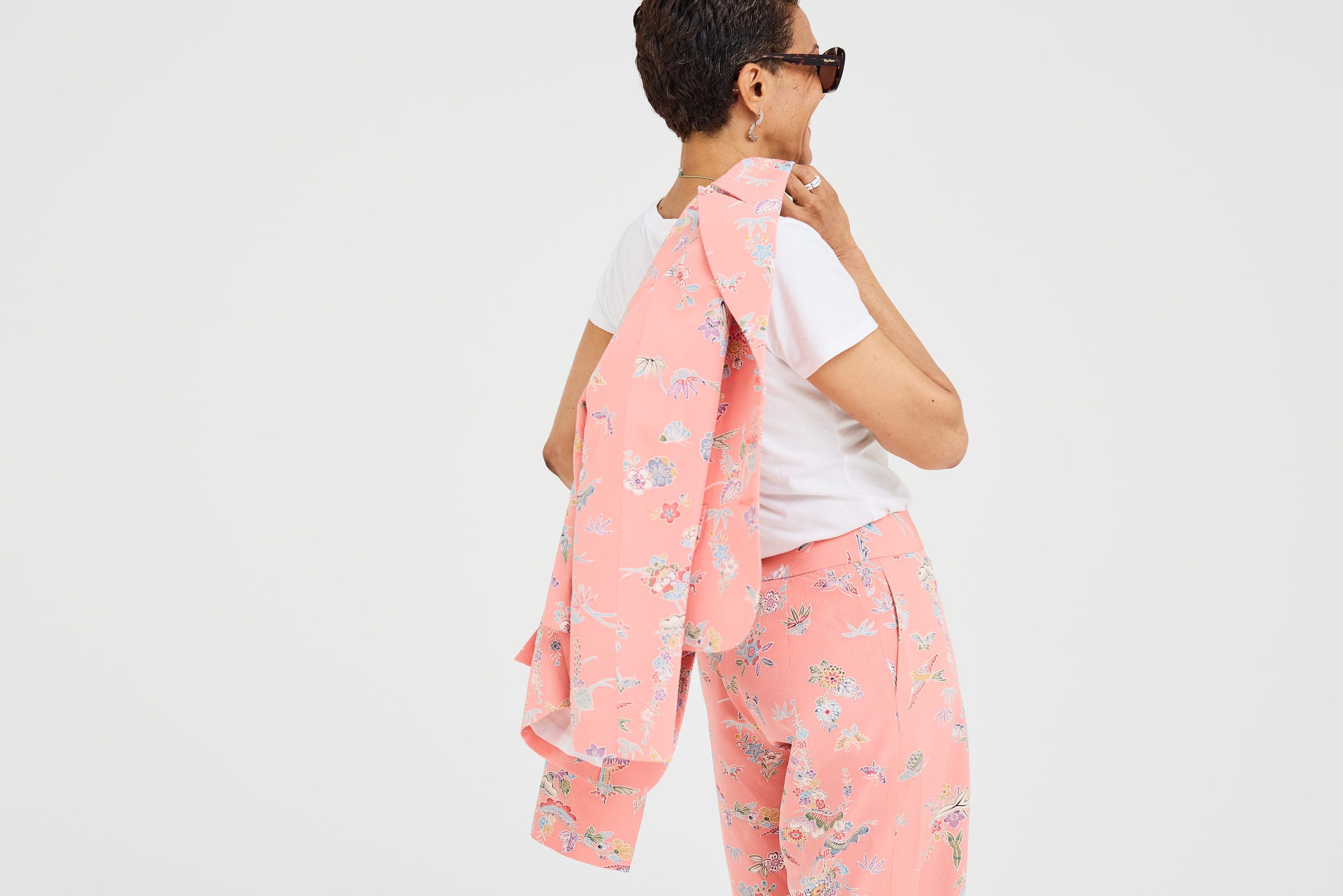
Kimono beautifully reimagined for contemporary life by Kimonogatari
Passing on traditions
Belgian-born Claire first came to Japan as a diplomat, falling in love with the country that has become her adopted home. Having grown up watching her mother’s work as a skilled couturier, she wanted to explore this connection to her family background. Although she had very little sewing experience, she began trying to make her own clothes and leaning into her love of fabrics.
She also started thinking about how non-Japanese women might have trouble finding beautifully tailored clothes that fit them. At the same time, she was conscious of the many vintage kimono tucked away in closets in people’s homes, no longer worn, and this became the catalyst for launching Kimonogatari.
The name Kimonogatari brings together kimono (“clothing”) and monogatari (“story”). It reflects Claire’s wish to continue the stories of these garments, connecting women across generations and backgrounds through the clothes they wear.
“I have always loved kimono and how unique they are, with all the creativity and craftsmanship that goes into them,” she says. “I try to find kimono that have been handed down from woman to woman, that really do have a story behind them.”
Claire typically sources and purchases her vintage kimono by word of mouth, meeting the owner and learning something of their lives. She reassures them their beloved pieces will be treated with respect, and will bring joy to people who will love and appreciate them.
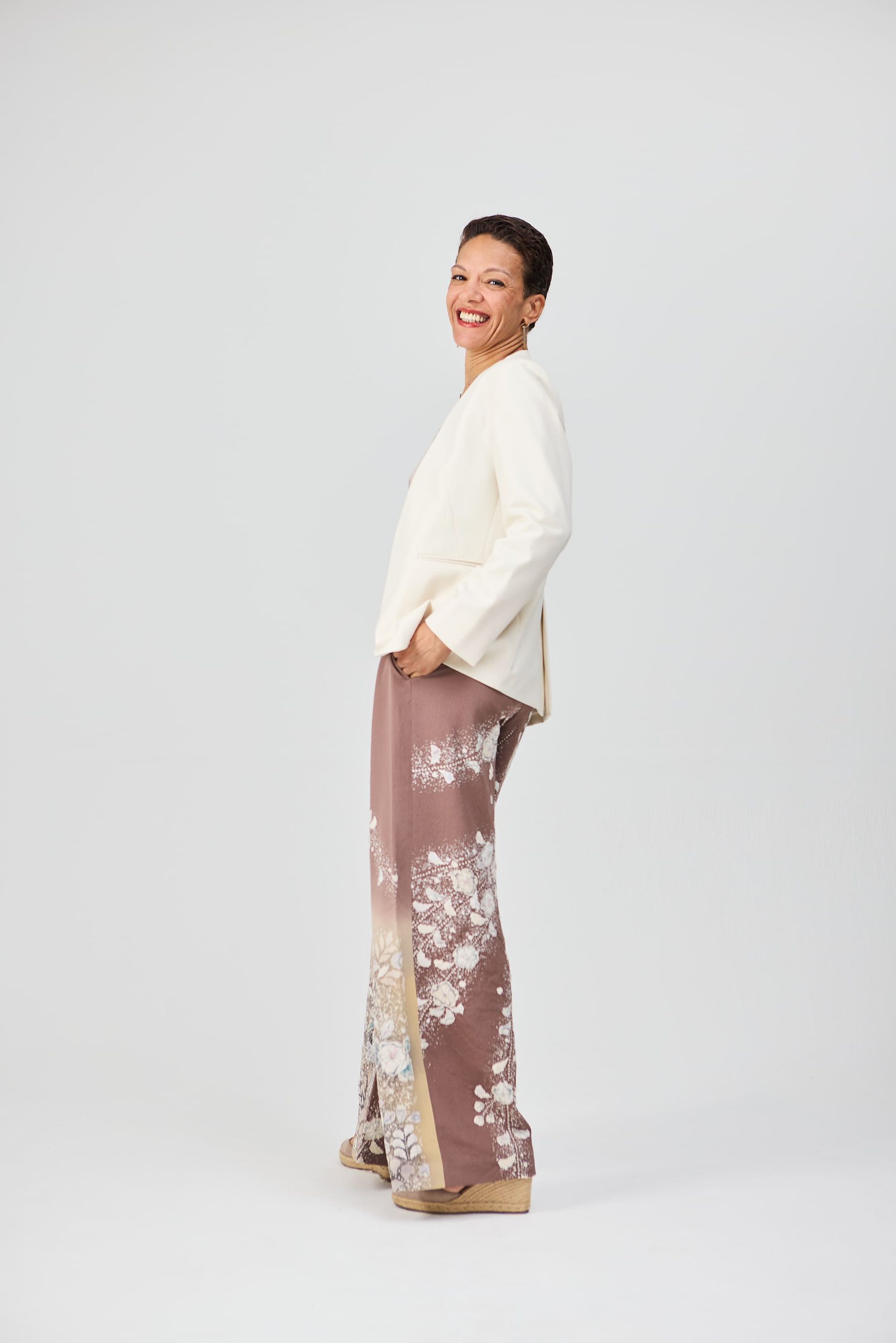
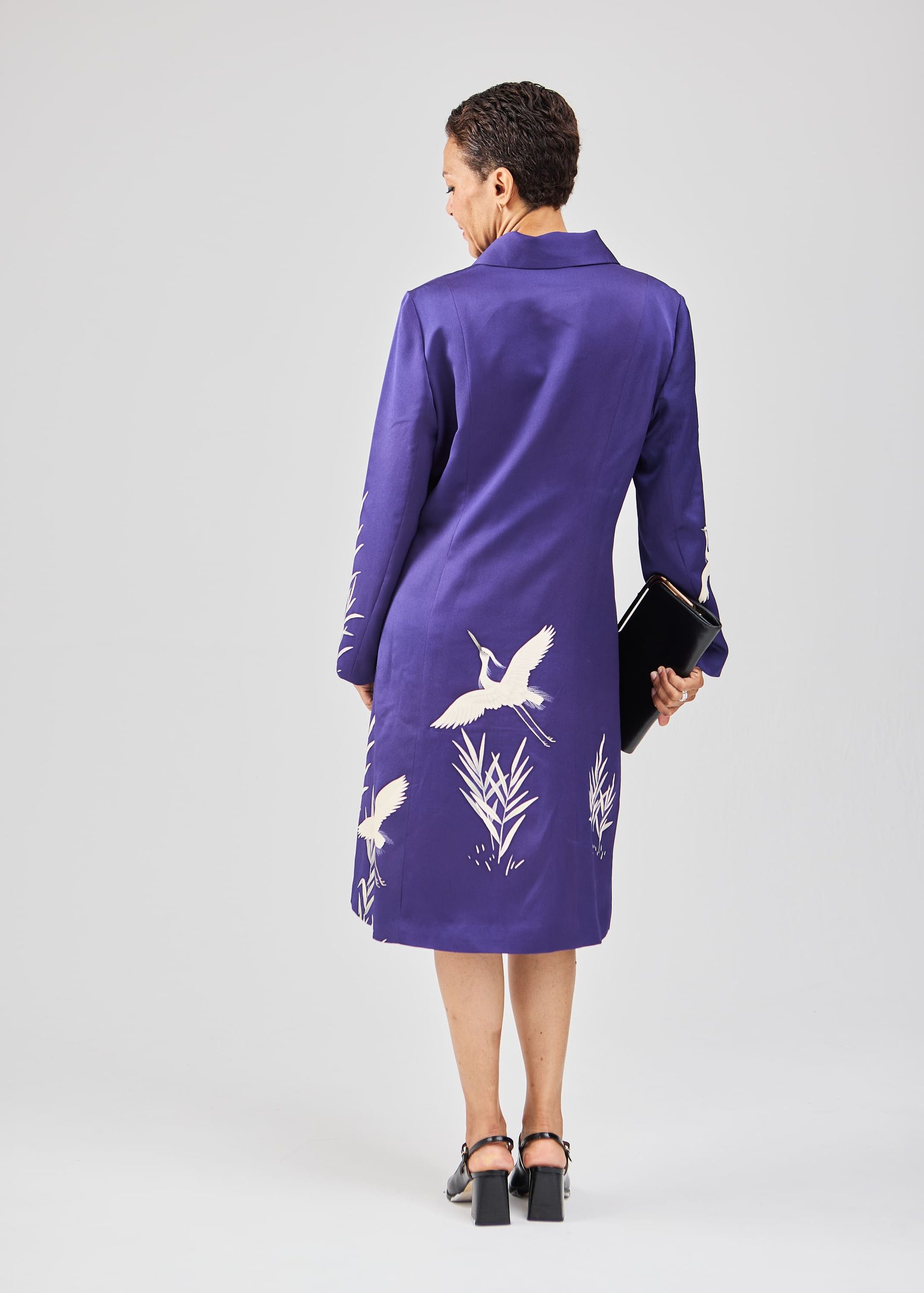
Two more examples of Kimonogatari’s lovely designs
Kimono creations
For the bespoke creations of Kimonogatari, Claire offers simple, classic shapes that she says “give the fabric room to speak”, including pants, jackets, skirts, blouses, dresses and coats. After considering my current wardrobe, needs and tastes, I decided on a coat pattern and then chose my favorite from the selection of kimono in her studio.
Behind each garment is a careful sequence of assessment, dismantling, cleaning, pattern placement and sewing. “Everyone is Japanese and local. It’s very important to me to keep that tradition of handmade work and precision,” she says.
Joining Claire on this journey is Yoko Arai, who has worked as a fashion designer for some 20 years. Her own mother has a substantial kimono collection but finds it increasingly difficult to wear and enjoy them, and Yoko had also been considering how to pass on her mother’s interest in kimono to another generation.
“My role is to turn the clothes Claire envisions into finished garments,” Yoko explains. “Before sewing begins, I oversee the condition of the kimono and bolts of fabric, the process of taking the kimono apart, and the placement and matching of motifs.”
That work includes checking whether the fibers are strong enough to withstand remaking, identifying stains or damage, and considering how to retain the fabric’s distinctive character as it takes on a new form.
A shared vision
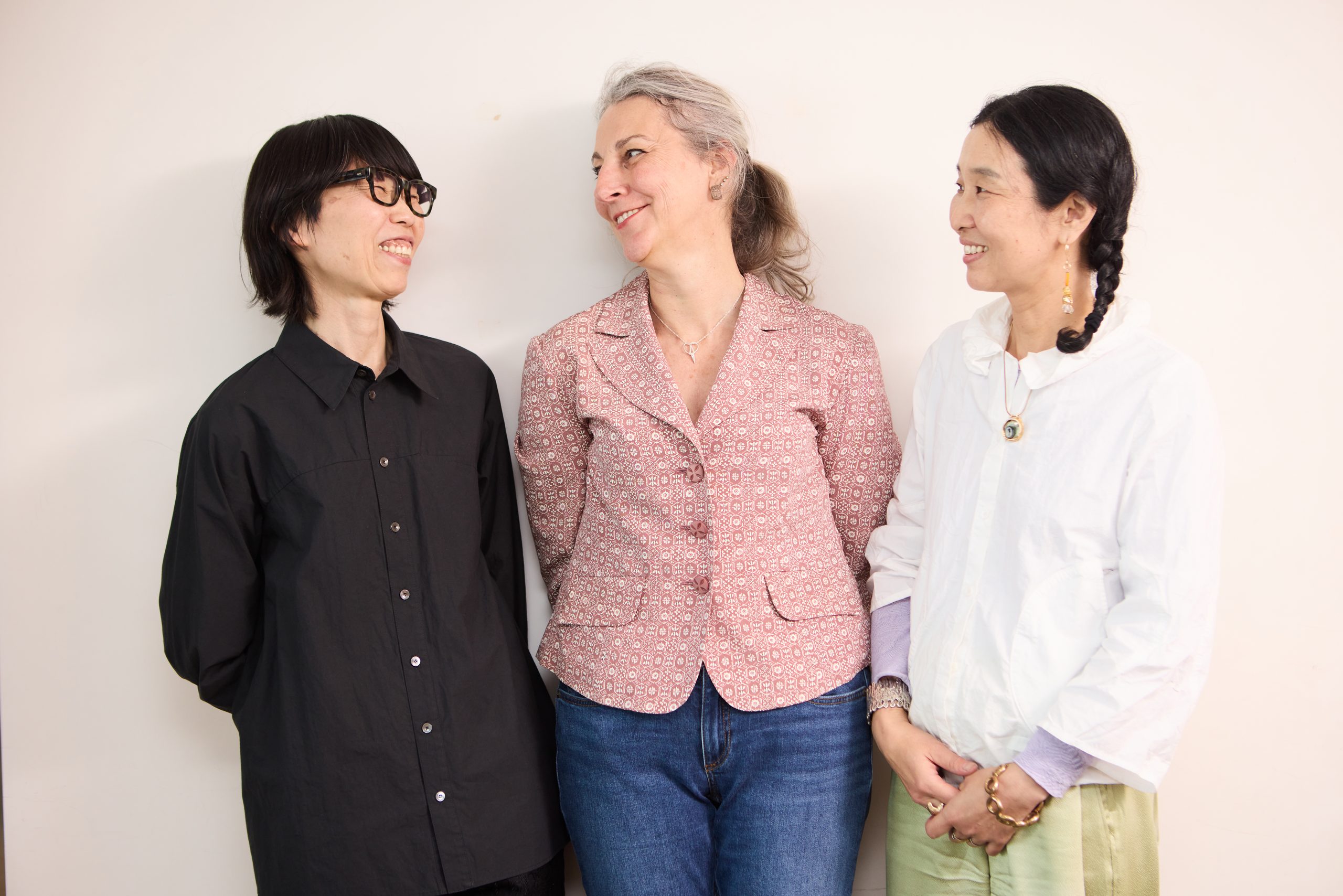
The Kimonogatari team, from left: Makiko, Claire and Yoko
The third partner for Kimonogatari is Makiko Yamamoto, who creates the patterns for garments to provide each client with the perfect fit. Her experience of wearing kimono to practice the tea ceremony also informs her approach to creating patterns that bring out the beauty and appeal of each piece.
“I draw on my many years as a pattern maker, taking into account the particular constraints of the kimono, such as the width of the fabric,” says Makiko.
The three women bring their different talents and their shared affection for these vintage garments, connecting the previous owners with the international clientele who will enjoy them anew. As Claire puts it, each person is “wearing a story”.
In order to help clients get the most out of their pieces, she includes a small pot of a special clay called terre de Sommières with every order. She brings supplies from France and says she has used it successfully to treat various small stains on vintage kimono without affecting the dye.
When my new coat arrived, it fit perfectly and exceeded my expectations. And for Claire, this is the ultimate joy of the business. “It’s a privilege to welcome our customers, to see that their garments fit nicely and that they are happy. Our purpose is to have that kind of relationship — where we truly listen to you,” she says with a smile.
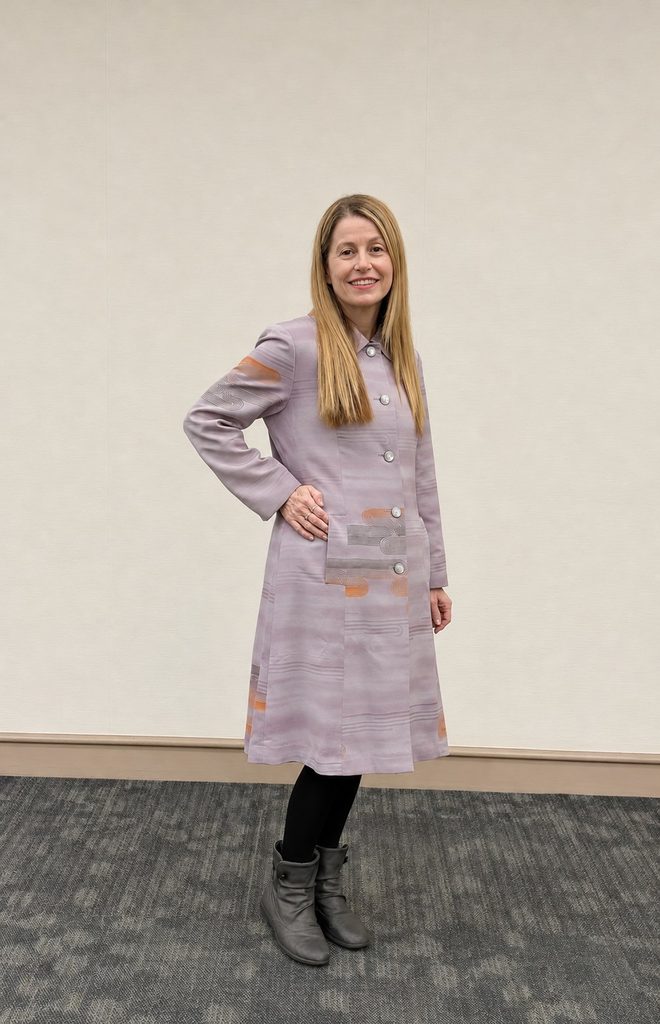
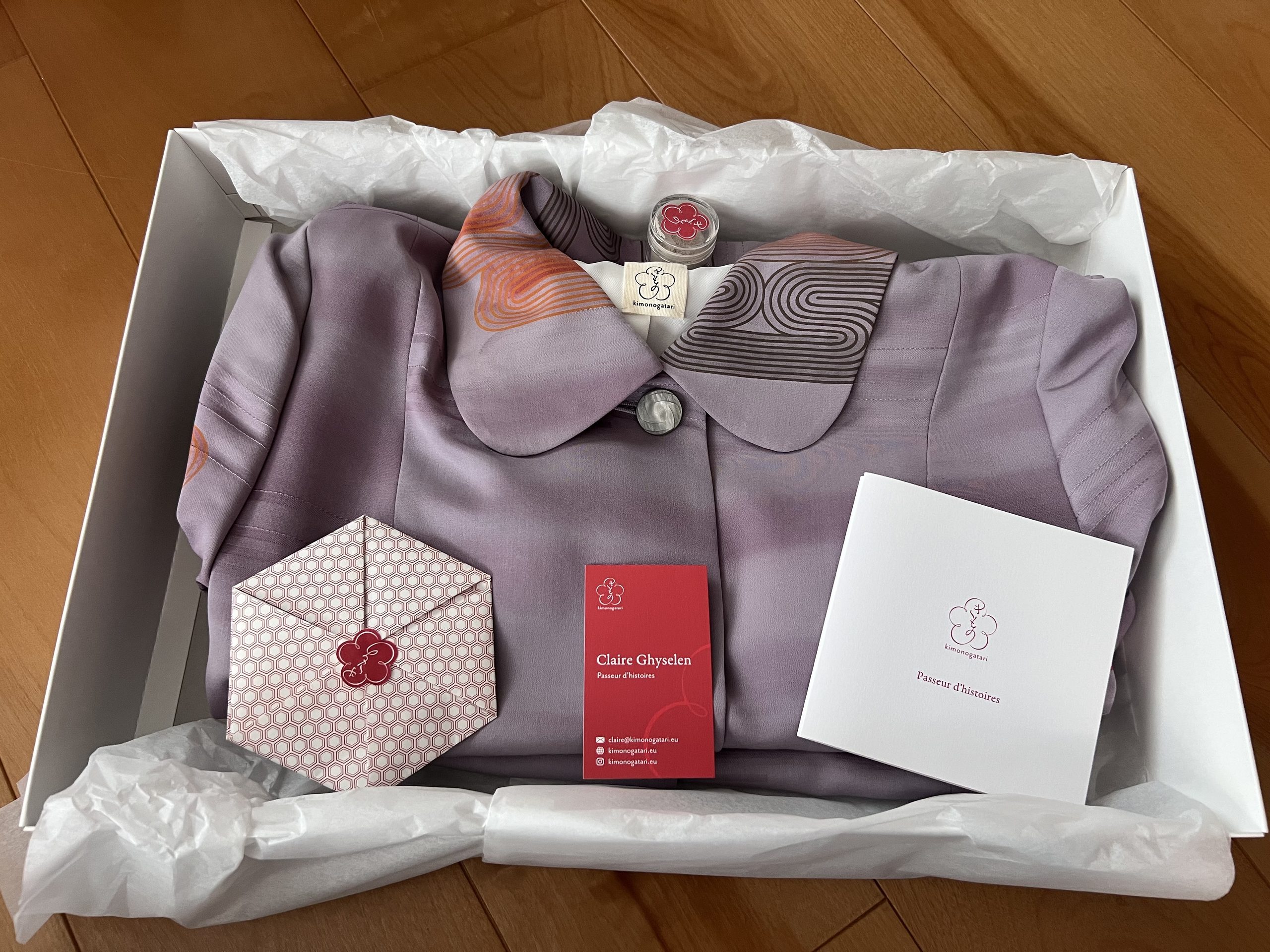
From an exquisitely wrapped package to a perfect fit: a vintage kimono begins its next chapter as my new coat