Japan’s rainy season, known as tsuyu, typically spans from early June to mid-July (although this can vary depending on the region). While not everyone loves the rain, tsuyu is an important part of the year with its own unique charm.
Vibing in the rain
Rainy season signals the transition from spring to summer, bringing frequent rain and high humidity, especially in southern regions like Kyushu and Okinawa. While rain tends to be a negative occurence for people, I personally love it. This season is crucial for replenishing agricultural fields and, at the same time, brings out the lush colors of nature. Not to mention, fewer crowds!
Due to Japan’s geography, tsuyu starts earlier in the south than in the north. Be careful when planning an Okinawa getaway for Golden Week (early May), as you might bump into tsuyu earlier than you would on the mainland. The exact timing and number of rainy days during tsuyu can vary from year to year as well.
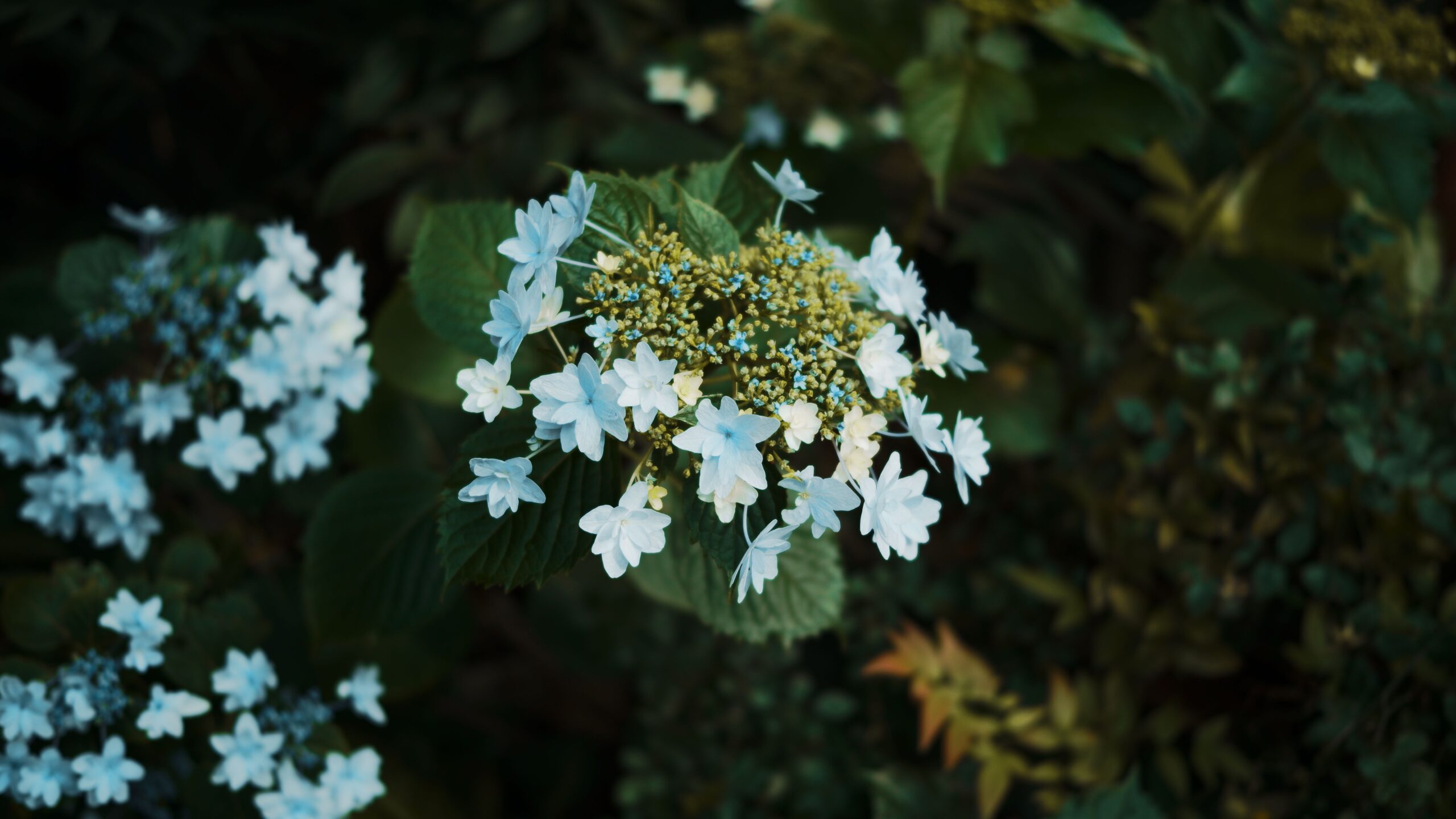
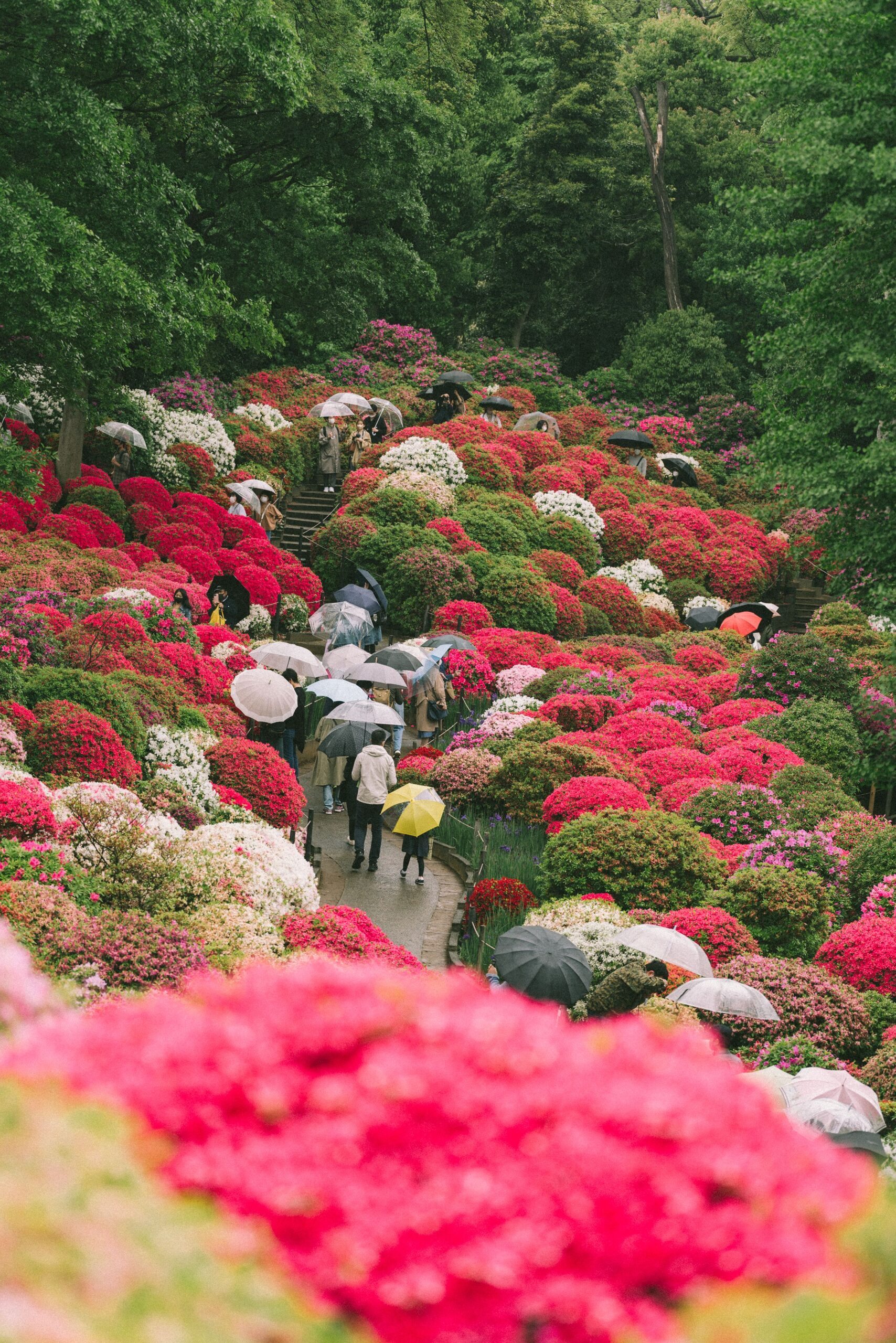
One of the iconic images of the rainy season is hydrangea blooms, which spring to life along city streets and in parks and gardens, bringing splashes of color underneath the dreary skies. Some temples, shrines, and gardens specifically grow hydrangeas, making them popular tsuyu destinations.
Armed for tsuyu
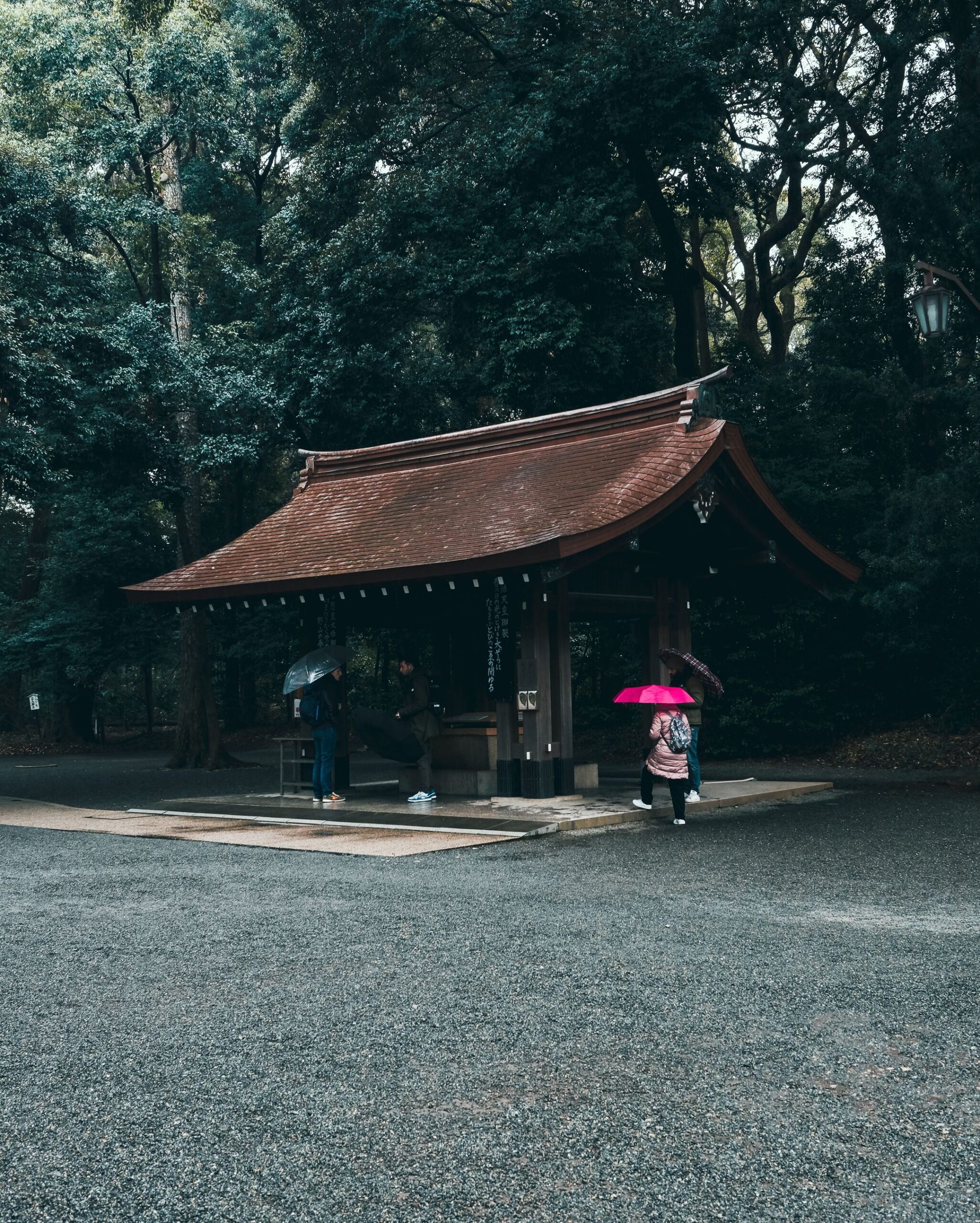
As with anything, preparation is key. I recommend wearing waterproof shoes and quick-drying clothes, as well as carrying a foldable umbrella, so you’ll be totally fine even in the event of sudden showers. Due to the warmth and humidity, using an umbrella can be more comfortable than a rain jacket.
FAQ
- Is it better to visit Japan during the rainy season or summer?
-
Although tsuyu weather isn’t perfect, the height of summer can be brutally hot and humid. Both seasons have their charms and associated traditions, but either way, you will probably need to plan your trip around the weather to some extent.
- Should I avoid visiting Japan during the rainy season?
-
Although spring and fall are generally considered the best seasons to visit Japan, you shouldn’t rule out visiting Japan just because your trip coincides with the rainy season — in fact, some days may see clear skies.
One note of caution though: Japan can be prone to heavy rain events that trigger landslides and flooding, including during tsuyu. Check the forecast during your trip and follow guidance issued by authorities if there is a dangerous downpour.
- What are some Japanese traditions associated with the rainy season?
-
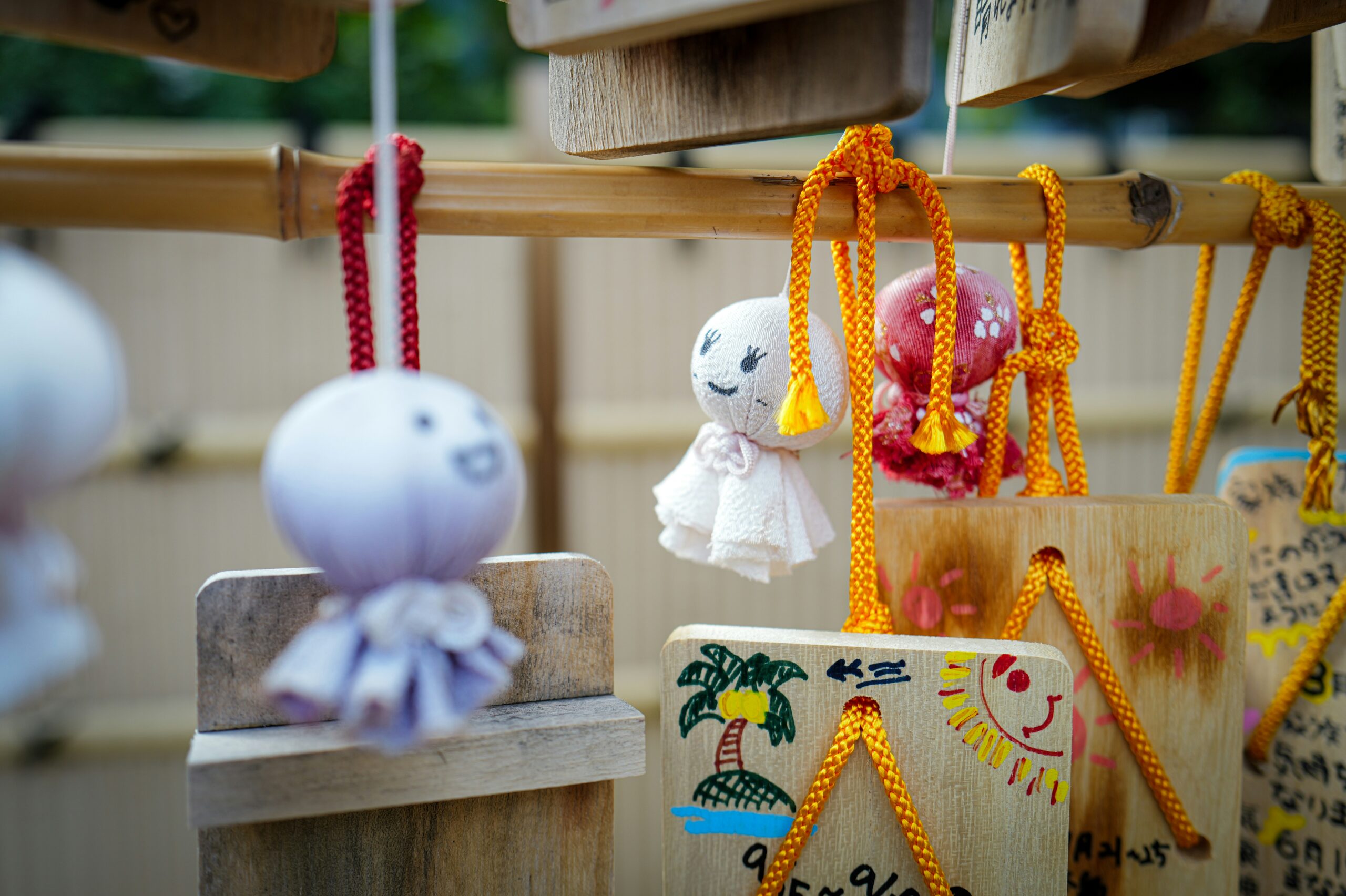
Japanese traditions associated with the rainy season include teru-teru-bozu, a white paper or cloth doll that children make to wish for sunny weather; viewing hydrangea blooms; and simply appreciating the beauty and unique atmosphere of the season.