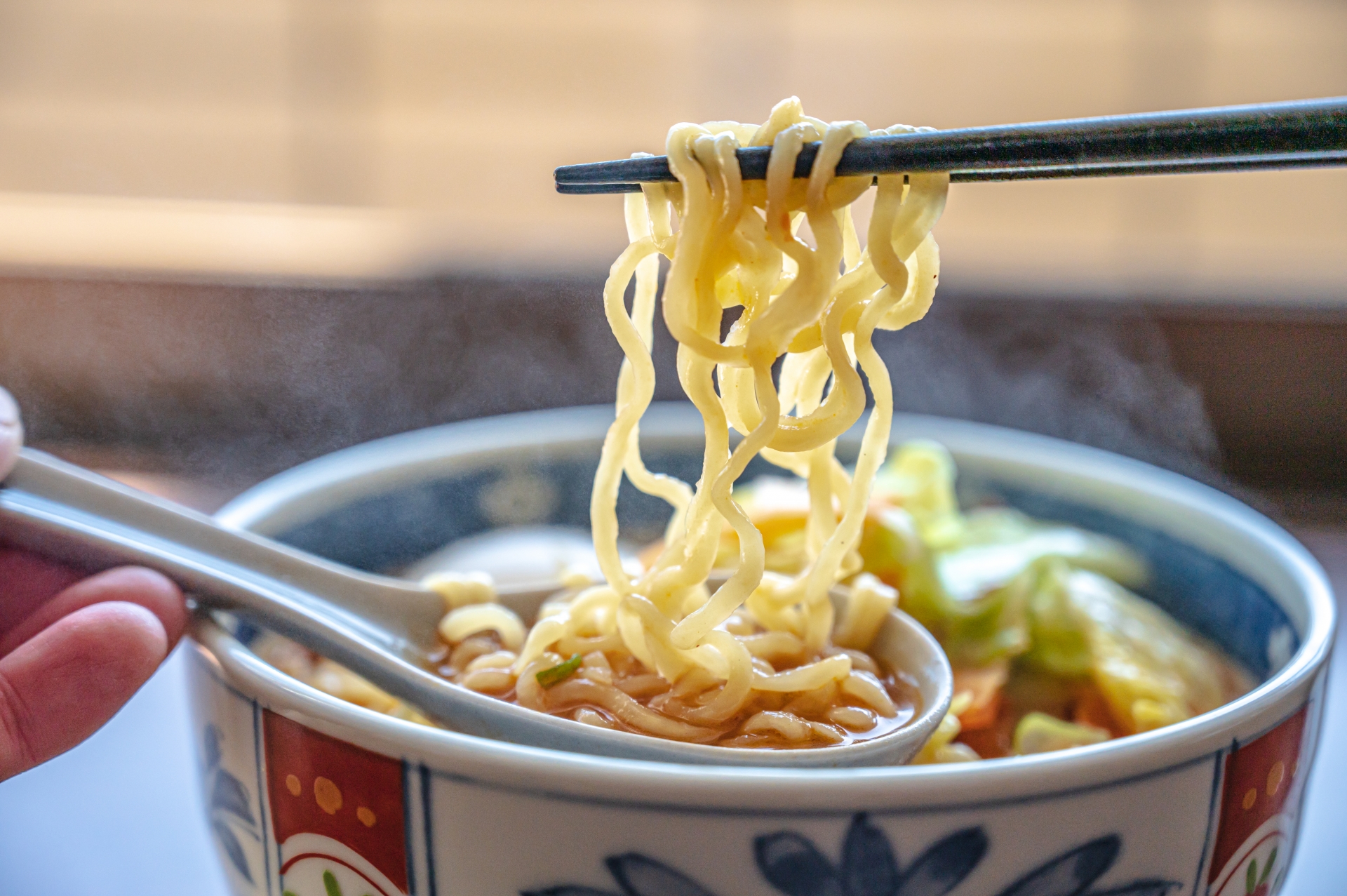
When you’re enjoying cold noodles in Japan, the key is not to over-dip. This technique may require some chopstick finesse, but the goal is to dip the noodles just enough to enhance the flavor without overpowering it with sauce.
What’s the perfect noodle-to-sauce ratio?
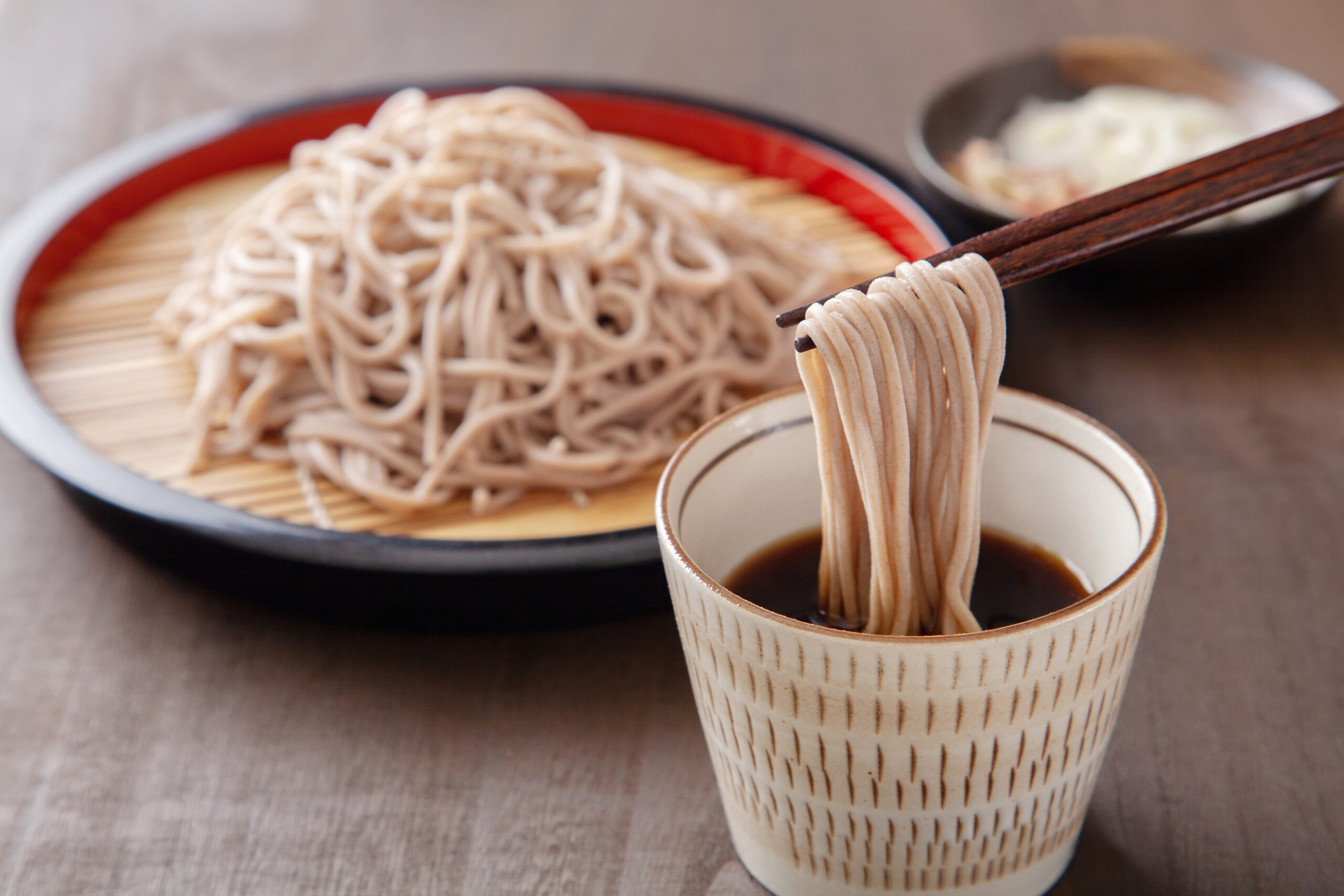
As the bowl of dipping sauce is usually small, only a mouthful or two of noodles will fit at a time. This is intentional and helps you avoid soggy noodles. For the perfect ratio — especially for buckwheat soba noodles — only dip about two-thirds or half of the noodles into the sauce. Definitely avoid submerging them fully or leaving them in the sauce for more than a couple of seconds. Don’t worry, the sauce is strong enough to compensate for a delicate dip!
Popular Japanese dipping noodles
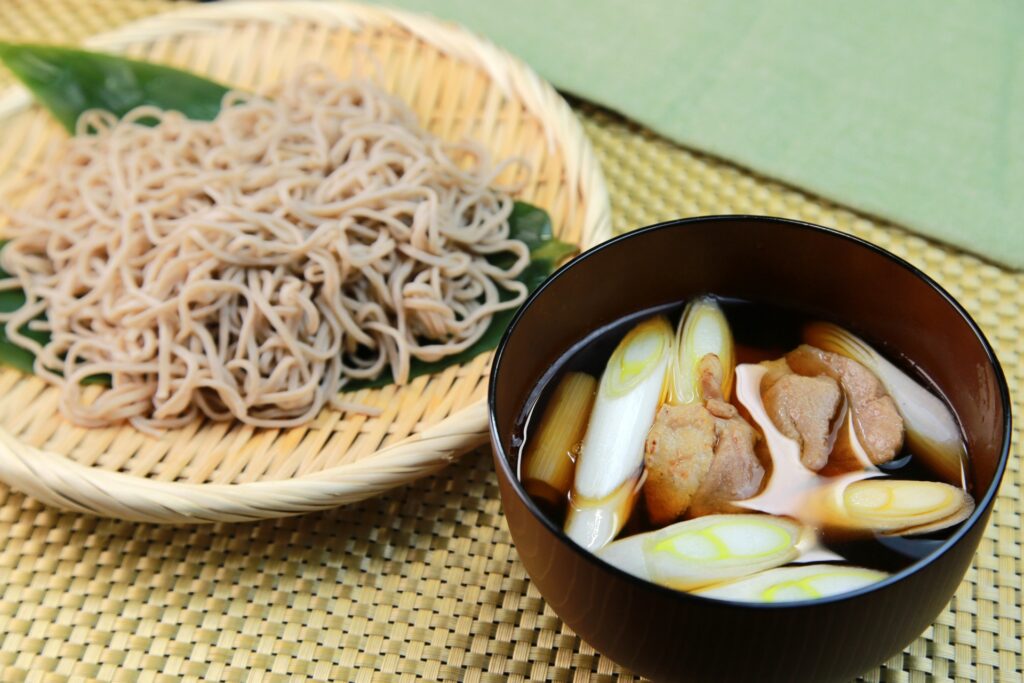
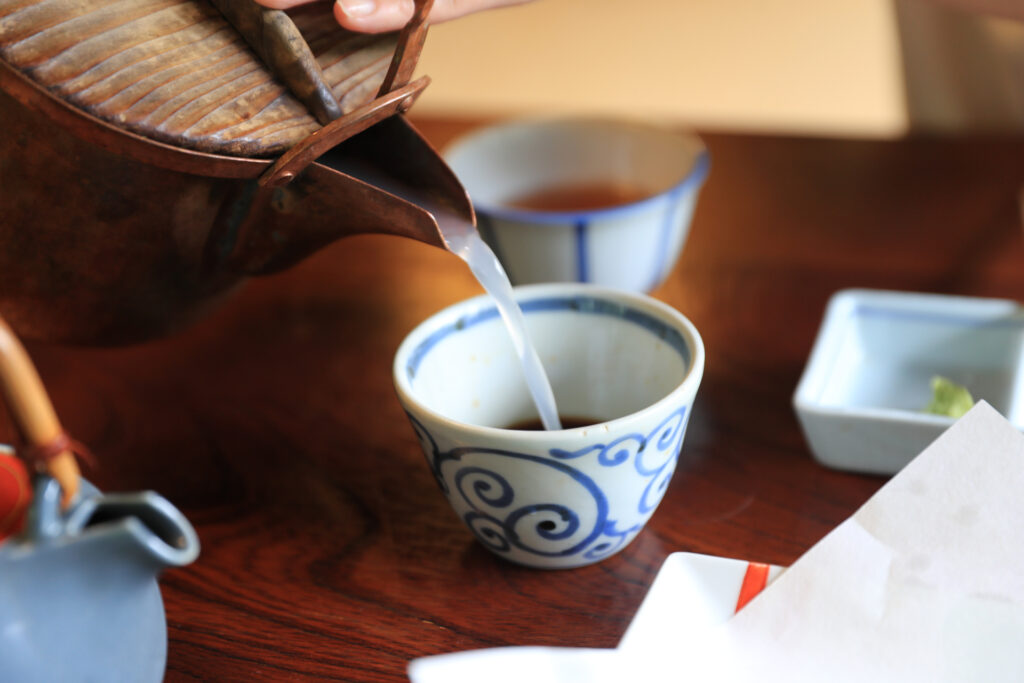
Japanese cuisine includes various kinds of dipping noodles. Cold soba with a dipping sauce (pictured above) is called zaru soba. It can be enjoyed as a very simple yet elegant dish, but also pairs well with tempura (deep-fried seafood and veggies). Chilled noodles are actually sometimes paired with a warm dipping broth, such as in kamo nanban (duck) soba. Even when serving cold noodles, soba restaurants will often offer a small pot of soba-yu — the hot, starchy water the noodles are boiled in — to mix with your left-over dipping sauce and sip as you relax after your meal.
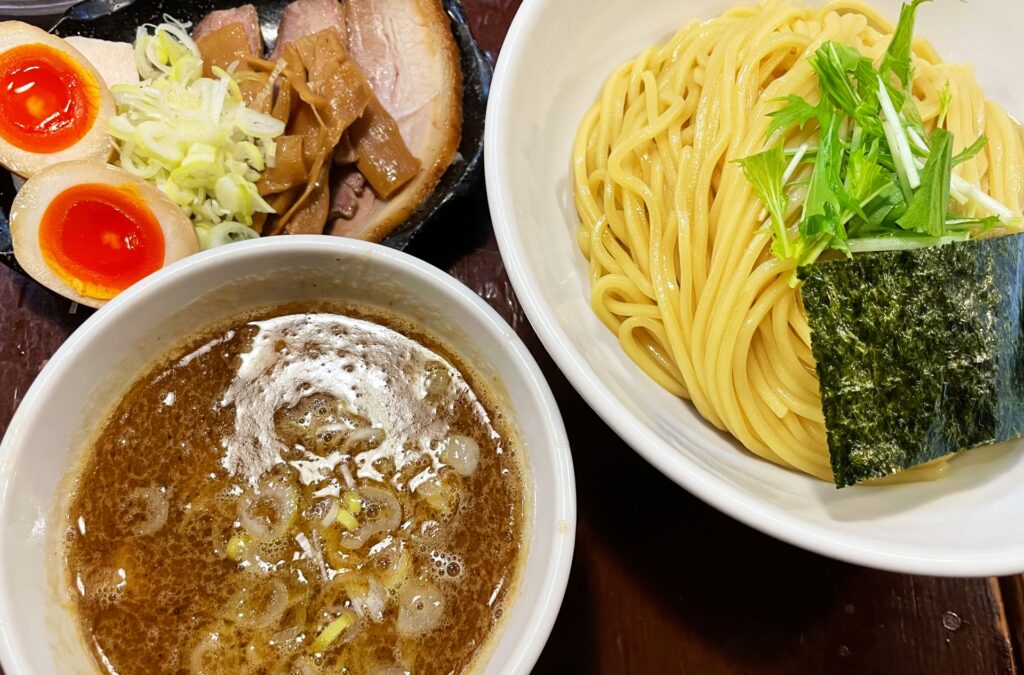
There are also chilled, dipping preparations for ramen and udon. Dipping ramen, called tsukemen, in particular is great for those craving a more robust or voluminous dish compared with the refined soba. And while soba chefs generally put subtle twists on well-known preparations, ramen chefs often seem to revel in stamping their originality on a dish.
Although some restaurants serve dipping noodles all year round, they’re especially popular during Japan’s hot summer months, when many restaurants expand their selection of chilled dishes.
The art of slurping
It may feel awkward at first, but (quiet and not excessive) slurping is considered polite. Once you get used to the process, you’ll also notice that it’s a very hassle-free and efficient way to devour noodles. Lastly, here’s a fun fact! Slurping has actually been shown to intensify flavors through aeration, which better mixes the sauce (or soup) with the ingredients.