
The correct way to conduct yourself in public spaces in Japan involves mastering the art of its unspoken rules, which help ensure a smooth experience for everyone. However, because these rules are unspoken, getting the hang of them can be a bit of a challenge.
Unspoken rules on trains
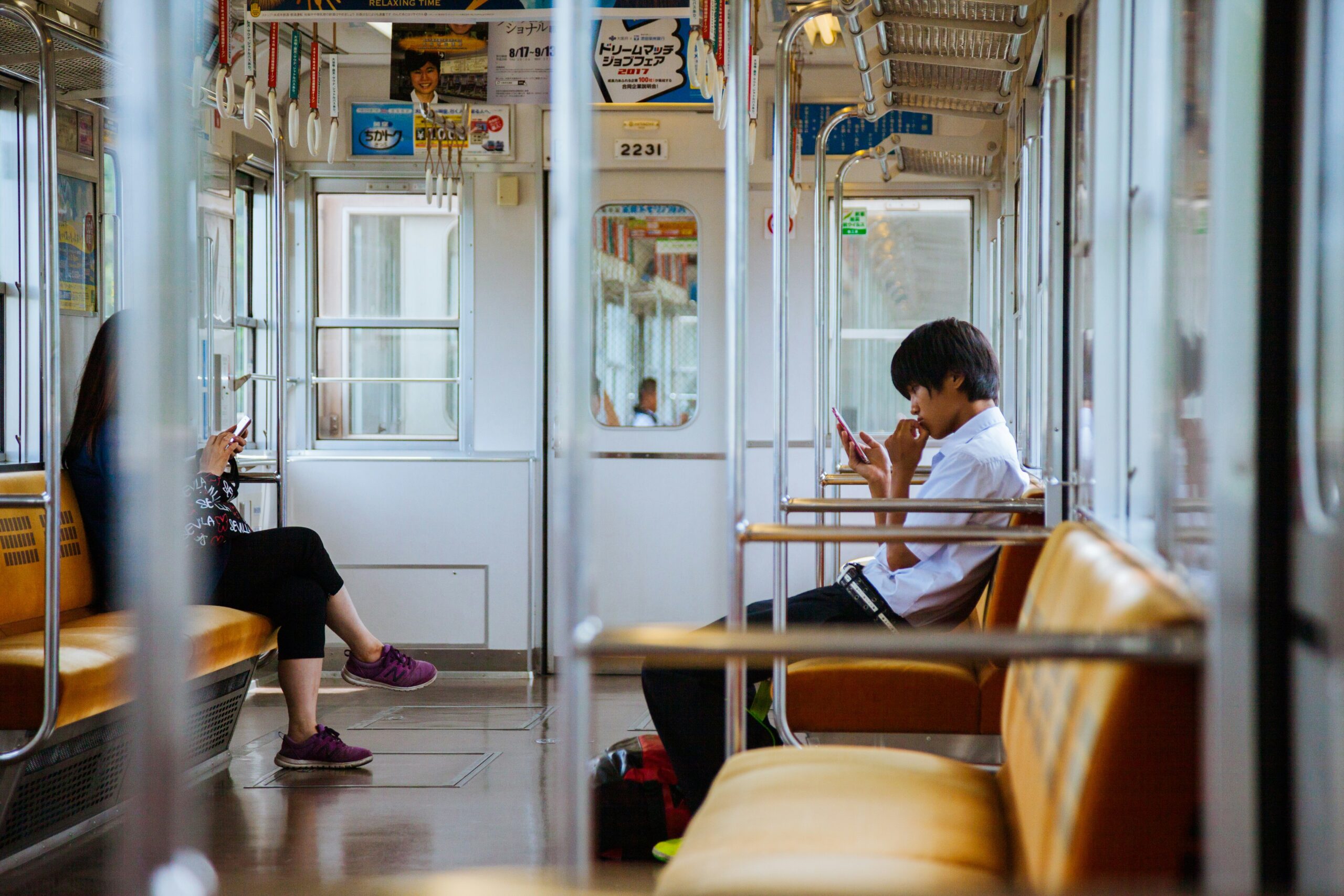
For example, on trains, you will rarely see people talking on the phone. If it’s absolutely necessary, you can step near the door and talk quietly, but it’s best to avoid doing so. Eating on non-shinkansen trains (especially hot food) is considered impolite — one reason being that the scent can fill the entire car, which may be unpleasant for some people. It’s still not ideal, but if you’re helplessly hungry, take a few bites of an onigiri (rice ball) or cold sandwich while you’re still on the platform, then put it away once onboard.
To learn more about train manners, check out the article “In Japan, are you allowed to use your phone on trains?”
Smooth dining
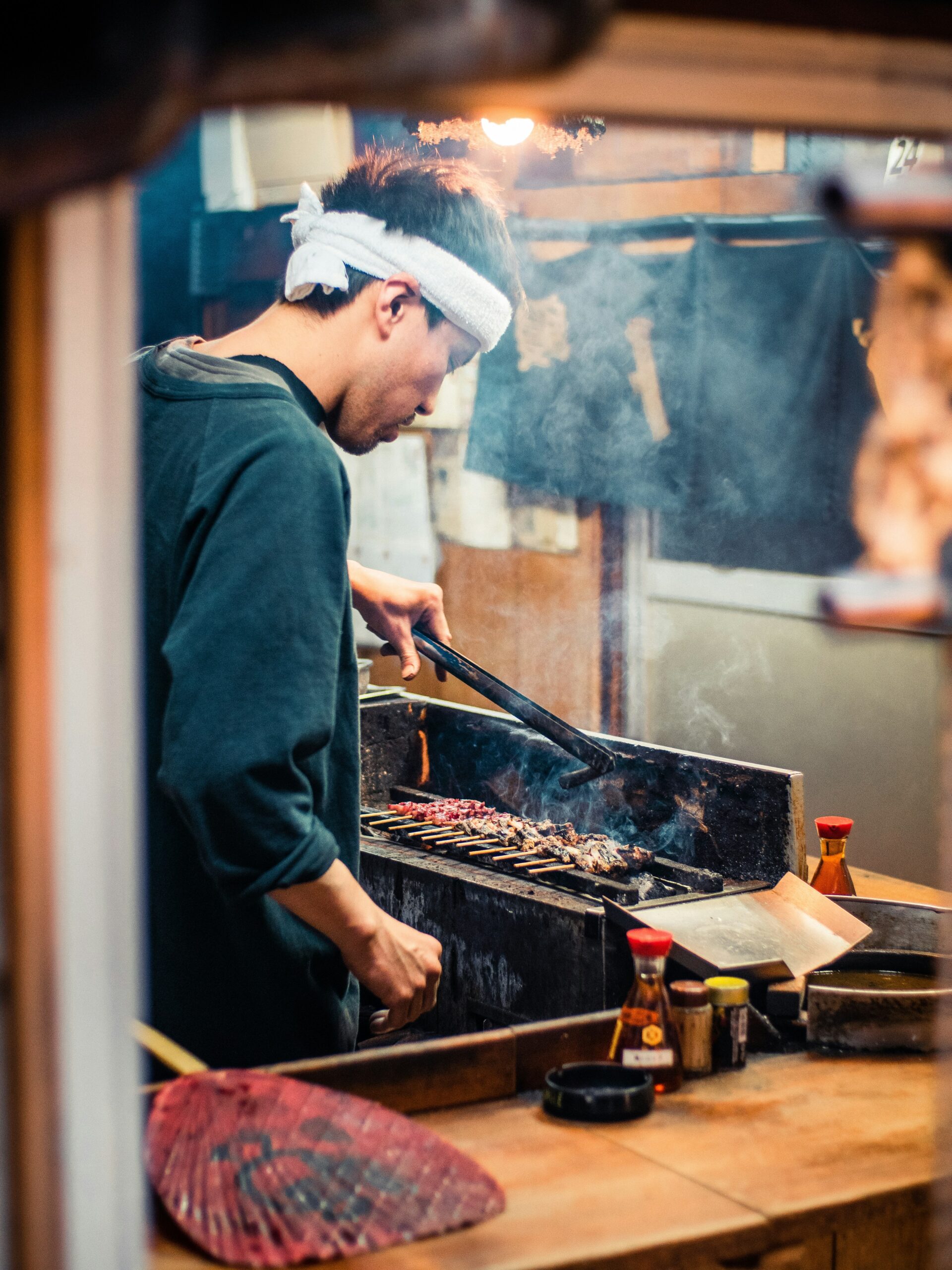
Restaurant manners naturally differ from country to country, and Japan is no exception. It’s a good idea to wait to be seated, and definitely don’t tip. As for where to pay, some restaurants prefer you to pay at the table, while others will have you go to the cash register. In addition, although casual restaurants like ramen shops will usually have you pay first when ordering from a ticket machine, that’s not necessarily always the case — I once almost walked out of a ramen joint without paying because I was so used to paying first!
One thing you can generally do in Japanese restaurants is (politely) call the staff to your table at your convenience, whereas in some countries, you wait for the server to come to you.
When in doubt about what to do in a restaurant, just ask the staff! It ensures a pleasant dining experience for you and a smooth serving experience for them.
Escalator etiquette
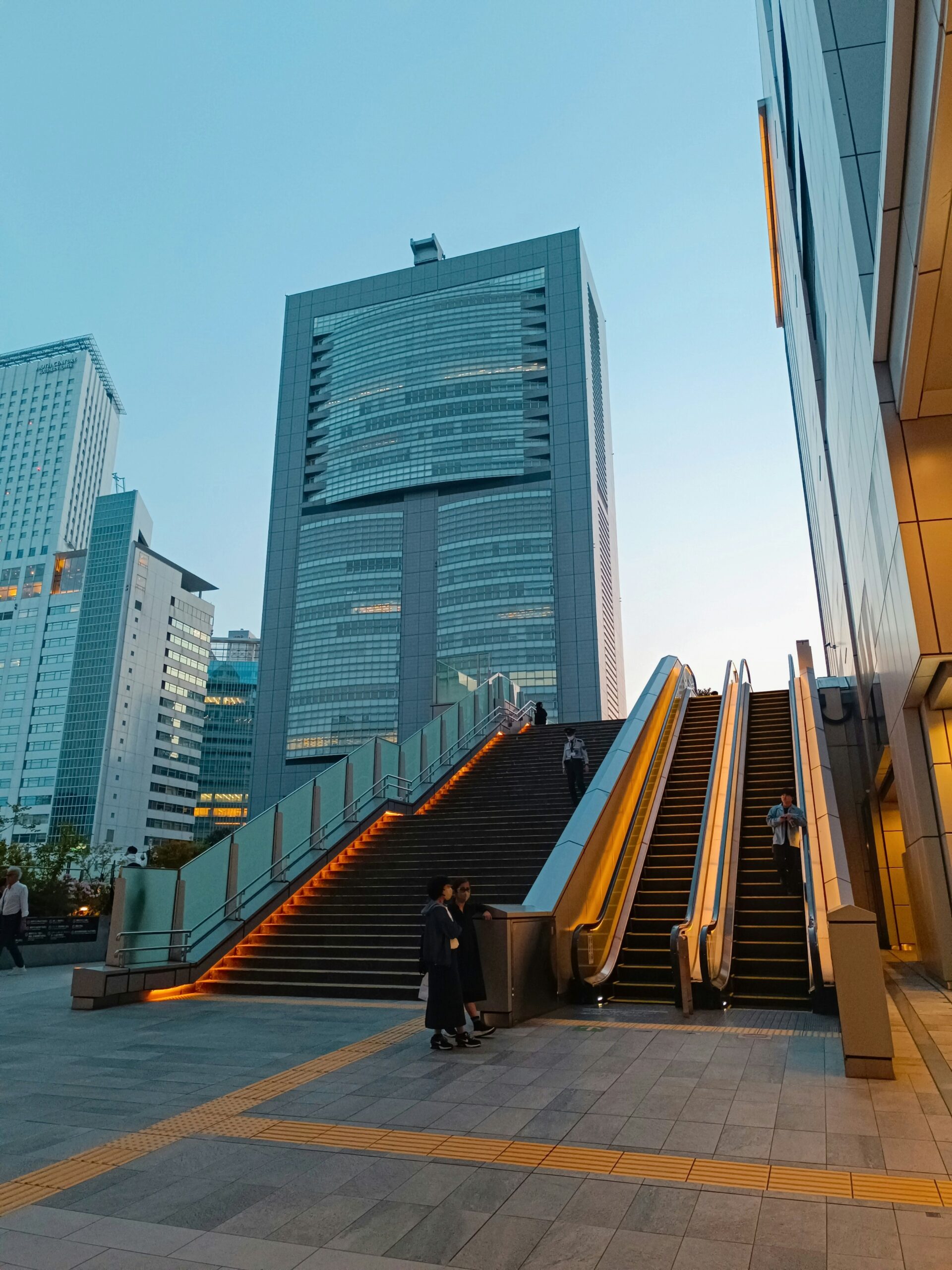
Escalator etiquette may seem like a mundane and even unnecessary topic, but it can actually help you big time, especially at large stations during rush hour.
In the Tokyo area, you should always stand on the left side and leave the right side clear for those in a hurry to walk up. If you are in a big group or carrying a lot of luggage, you may feel the urge to occupy the right side too, but resist the temptation! Just keep your bags behind you on the left, and everybody should be in a neat vertical line. This unwritten rule helps everyone get to their destinations efficiently and safely.
In the Kansai region, including places like Osaka, Kyoto, and Nara, the escalator rule is reversed — people walk on the left and stand on the right.
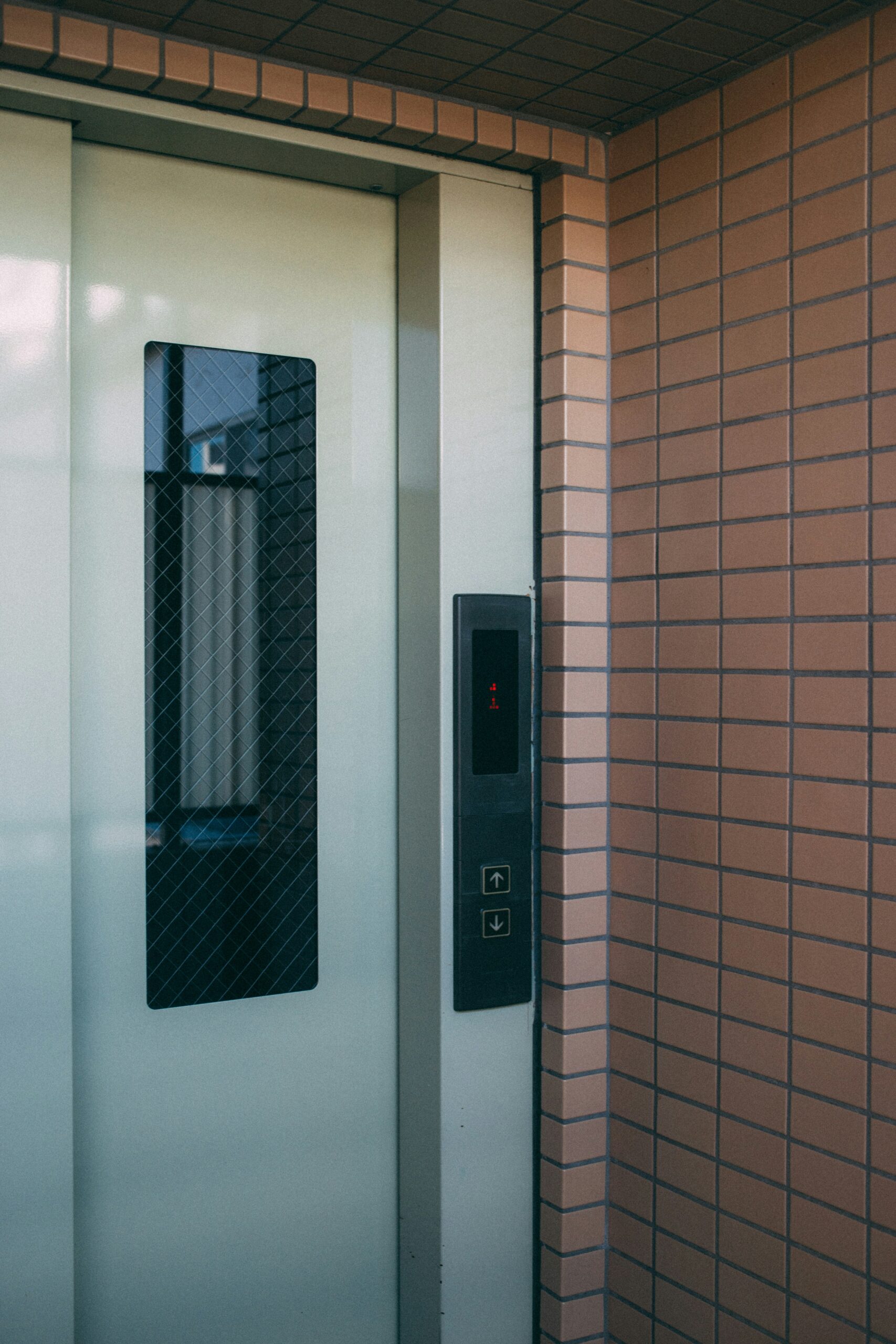
Here’s a bonus tip! For elevators, there are similar manners you should follow. For example, you should always let people leaving the elevator get off first. If you’re the first one to get on the elevator, stay by the button panel to keep the door open until it’s full. As the unofficial official button presser, it’s also polite to keep the doors open for everyone and then get off last if it’s your floor. This is particularly true in business settings. It’s courteous to enter first, push the buttons, and exit last — these gestures show humility and will impress your Japanese colleagues.
Hard Mode: Workplace rules
If you are just visiting Japan, you can say “phew” and skip this section. However, if you live and work here, the workplace can be Hard Mode when it comes to mastering Japan’s unspoken rules. But don’t worry, you got this! Knowing when a rule is nigh-universal and picking up on when it’s case-by-case is a good place to start.
Some workplace manners that will hold true nearly 100% of the time include arriving early and treating business cards with respect.
Meanwhile, other unspoken rules — such as how much overtime is expected, how to express disagreement, etc. — can vary by company and even by team or department. What’s more, work culture in Japan is continuously evolving, so I encourage you to look beyond the stereotypes and try to really understand each situation. If you are ever unsure, ask a trusted colleague for their take.
The golden rule, so to speak
I know what you’re thinking…too many rules!! I totally understand, but there’s no need to panic. Stay calm, and when in doubt, just follow the lead of the locals. The ability to read the room is also a foundational aspect of the Japanese communication style, so you can have fun practicing that in group settings.
FAQ
- What are the most important unspoken rules in Japan?
-
Arguably, the most important “rule” is not to inconvenience others. This manifests in various small ways, from not eating or drinking on trains to making sure you aren’t blocking anyone on escalators.
- Is it rude to talk on the phone on trains in Japan?
-
Yes. If you absolutely have to take or make a call, do it in a quiet voice away from others. On the other hand, colleagues and friends will totally understand if you say, “Let me call you later — I’m on the train!”
- Can you eat on trains in Japan?
-
You can eat on shinkansen trains and most express trains (the ones with reserved seating, not the packed commuter expresses!), but not local lines. Take a look at the seat back in front of you: does it have a tray table?
- Do you have to tip in Japan?
-
You never have to tip in Japan, and indeed, you shouldn’t in restaurants. Some services, such as a private tour guide, may accept tips.
- What should I do if I’m unsure about Japanese etiquette?
-
If you have a trusted friend or colleague you can ask who is familiar with the situation in question, start there — they will probably give you the best advice.
If you’re a traveler, asking simple yes-or-no questions (e.g., “Can I eat on this train?” or “Do I pay at the table?”) will help you smoothly navigate various situations. Finally, take a look at what those around you are doing and learn by example.