
Rice is an essential component of the Japanese diet, so much so that it’s not uncommon for a Japanese person to eat rice with every meal — breakfast, lunch, and dinner. Rice was also once used as currency in previous eras, speaking to its cultural (not just culinary) significance.
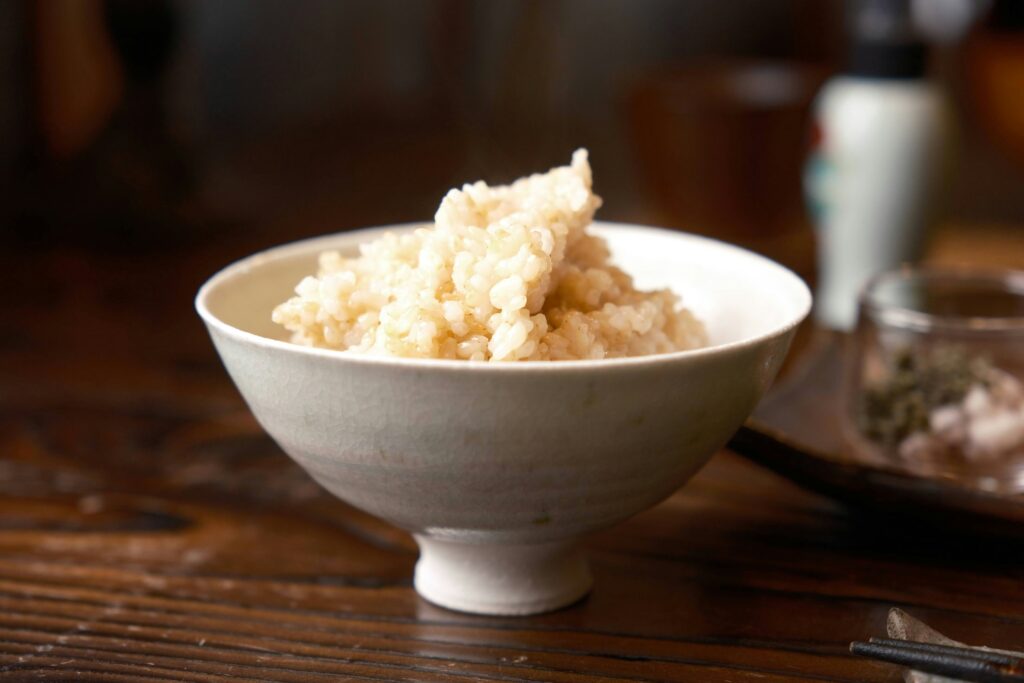
How rice helped shape Japan
Rice cultivation first began in Japan over 2,000 years ago. It is believed to have reached the archipelago from the Asian continent via the Korean Peninsula around the beginning of the Yayoi period (900 BCE to 300 BCE). As rice production expanded, control over fertile land and water became an important source of wealth and political power, helping shape the emergence of regional leaders and, eventually, the early Japanese state.
Rice was even used as a form of currency, although coins were often also in circulation. From the eighth century onward, the Japanese state collected rice as tax from agricultural land, helping finance the government and its institutions. Later, feudal lords also paid their vassals in rice stipends. Although rice production volume said, er, volumes about a domain’s power, paying (and indeed receiving) stipends in rice could also get complicated in years of bad harvests or fluctuating rice prices.
Thanks to this long history, rice paddy fields are a quintessential part of Japanese landscapes, from broad plains to hillside terraces. They also provide habitat for wildlife (if, in the modern era, not too many agricultural chemicals are used) and can help mitigate flooding.
A versatile staple
Surely, the versatility of rice is one of the reasons behind its popularity. In addition to being served as an accompaniment to a main dish, it can be transformed into everything from crunchy-savory senbei (rice crackers) and chewy-sweet mochi (rice cakes) to fruity-floral sake.
Although white rice is most common, brown rice and multigrain rice are two other preparations to switch up your palate and eat a bit healthier. There are also a ton of classic toppings that go with rice, from tamago-kake-gohan (raw egg with soy sauce on rice, sometimes seen on izakaya menus as the legendary TKG) and umeboshi pickled plum to natto fermented soy beans and salty furikake flakes.
You may not have noticed it, but rice varieties produced in Japan usually have some kind of fancy brand name, such as Koshihikari (literally “the light of the Koshi region”) and Hitomebore (literally “love at first sight”). Major rice-producing regions include Niigata Prefecture, Hokkaido, and Akita Prefecture.
FAQ
- When did rice cultivation start in Japan?
-
Rice cultivation in Japan began over 2,000 years ago, when rice farming techniques reached Japan from the Asian mainland.
- Is rice healthy?
-
Although brown rice is considered more nutritious, even white rice can be part of a healthy diet. Just pay attention to portion size and eating other nutritious foods alongside those tasty little grains.
- Where is the most delicious rice grown in Japan?
-
Well, that’s subjective, but Niigata Prefecture is not only Japan’s top rice-producing region but is also considered to have some of its most delicious rice (and sake too).