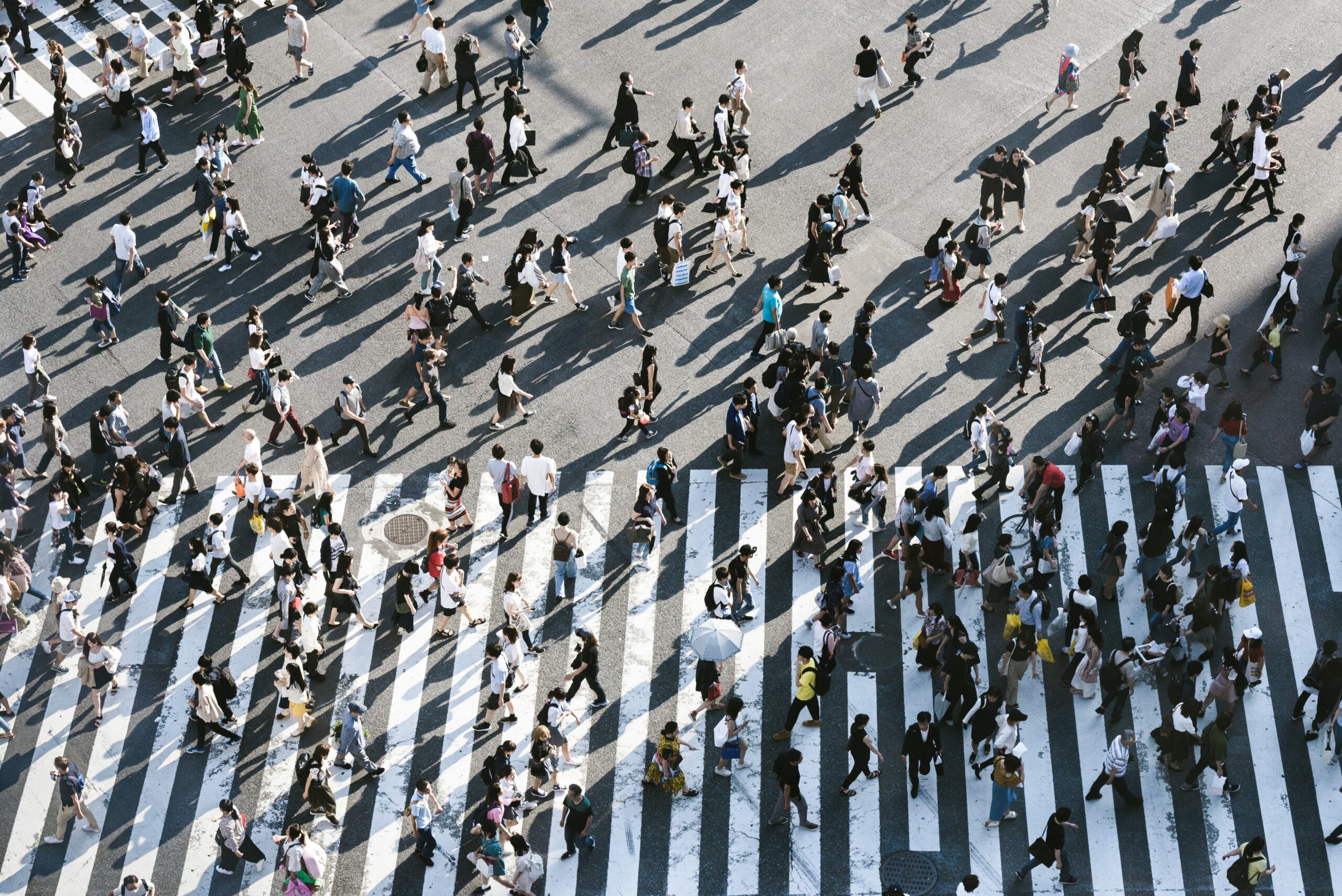
This might sound like common sense, but one of the best things you can do while waiting in line at the cashier is to get ready before it’s your turn. It may seem like a small thing, but getting your wallet out in advance can make the payment process more efficient and, in turn, reduce the waiting time for the people behind you.
In fact, small acts like these reflect a very central part of how people in Japan move through society.
Anyone raised here is taught the importance of meiwaku wo kakenai (“not inconveniencing others”) from a very young age. It’s a guiding principle that encourages people to consider how their individual behaviour affects collective harmony. That’s why people are expected to do their part by following rules such as not being loud on trains — which could disturb others — or not waiting until it’s their turn at the cashier to get out their wallet — which could increase the waiting time for other people in line.
When you’re in Japan, I encourage you to observe how people carry themselves in public spaces and see how their behaviour connects with the concept of meiwaku wo kakenai.