
Japan has a seemingly never-ending supply of traditional wagashi sweets (I’m not complaining!), but of all of them, yatsuhashi remains one of my undeniable favorites. This triangular delicacy is particularly popular as a Kyoto souvenir.
History and origins
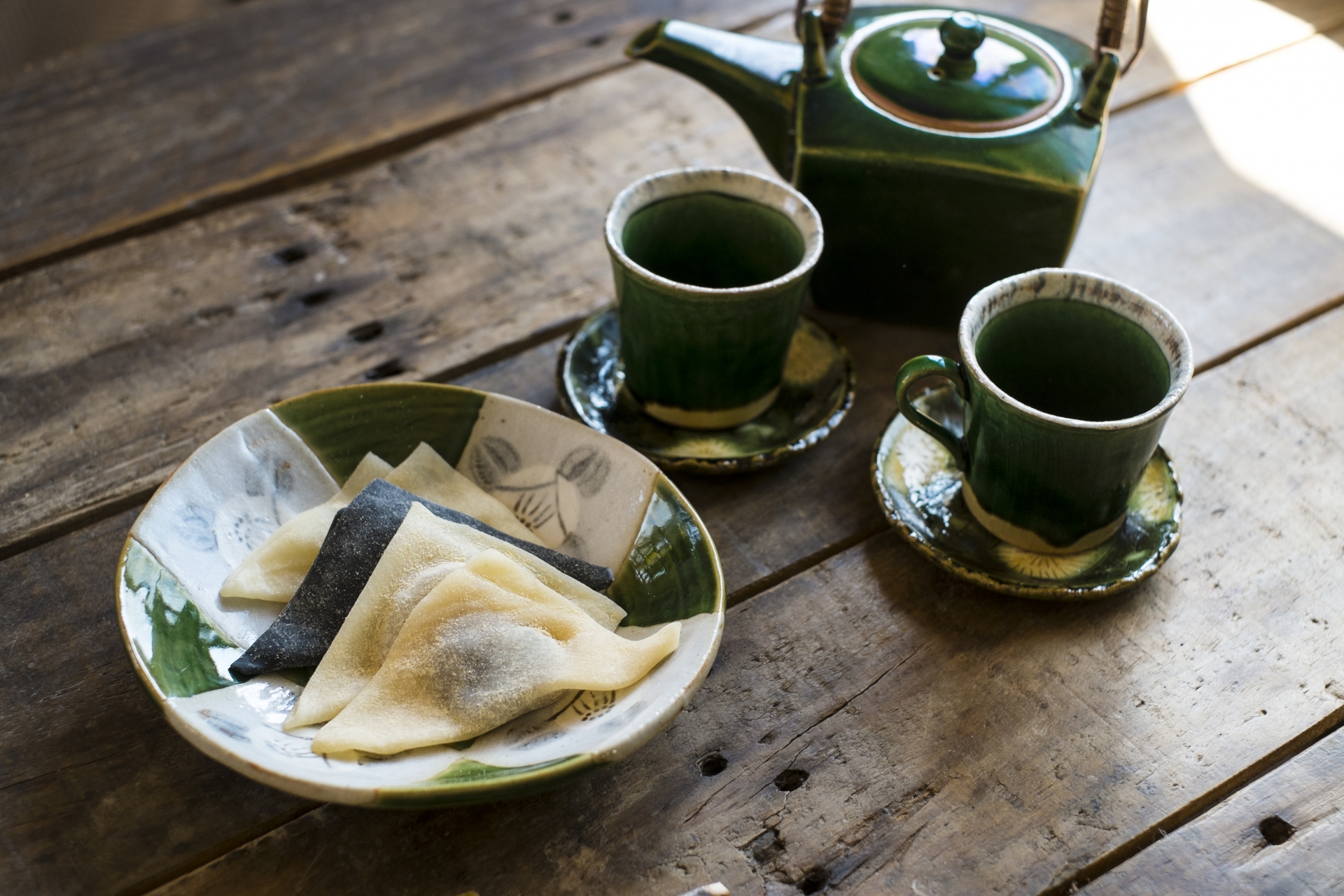
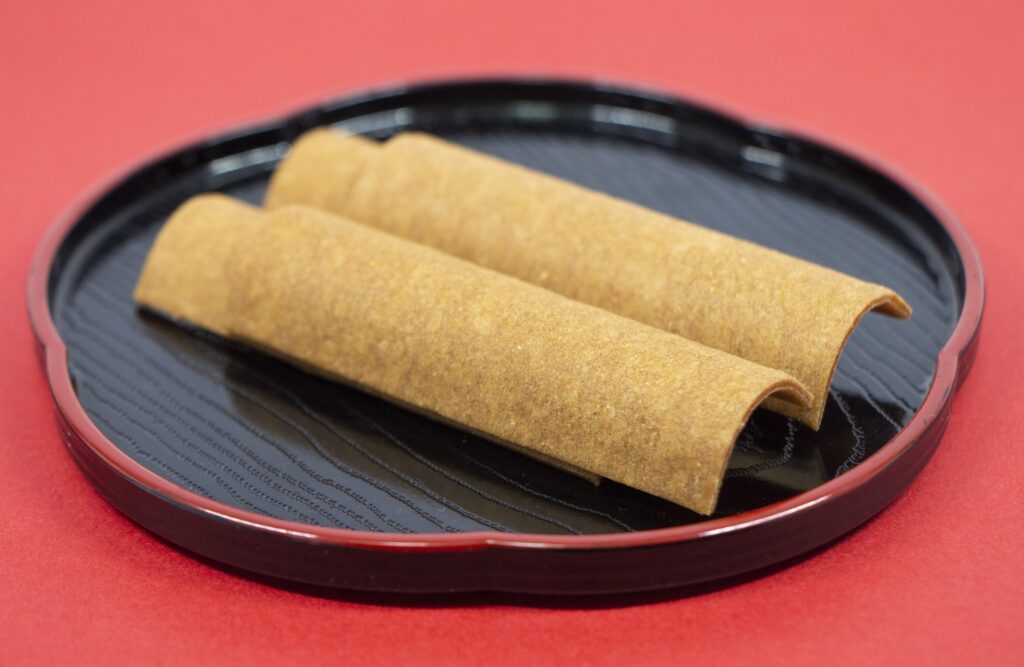
Yatsuhashi is a type of wagashi made from glutinous rice flour, sugar, and, often, cinnamon. It can be baked into a hard, cracker-like snack — the traditional style — but these days, its squishy nama (unbaked) form, usually wrapped around red bean paste, is more popular.
The confection is said to have originated during the Edo period (1603 – 1868), but there’s no definitive answer as to where its name comes from. Some say it was named after a monk or musician, while others believe it takes its name from a certain type of bridge.
Growing up in the Kansai region, I remember being quite tired of this ubiquitous treat and even thinking it was overhyped. But now that I’ve moved out of the area, I find myself craving this nostalgic taste of home. I basically fell in love with yatsuhashi all over again, and, sure enough, I stand corrected…the hype is well deserved!
Varieties of yatsuhashi
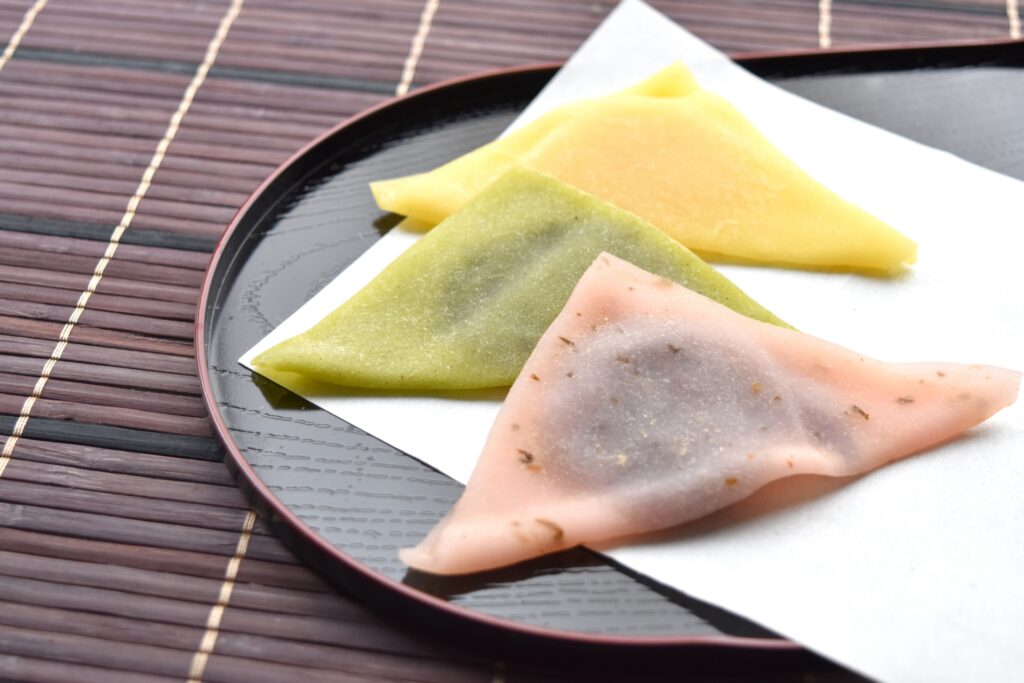
Yatsuhashi comes in different shapes, textures, and sizes, but the one you definitely have to try is nama yatsuhashi. It has a soft and chewy mochi-like texture and comes in all kinds of flavors, like matcha, chestnut, cherry blossom, and black sesame. There are also some pretty experimental varieties (in my opinion), like chocolate banana and ramune (Japanese soda).
Nama yatsuhashi is generally folded into a triangular shape, making it super easy to spot as you browse.
Where to buy yatsuhashi
As one of Kyoto’s top souvenirs, yatsuhashi can be found in many of the main tourist areas, as well as in the confectionery sections of department stores (usually in the basement) and major train stations. Since they’re often purchased as souvenirs to give to colleagues or loved ones, they usually come in beautiful packaging.
Yatsuhashi aren’t only sold in souvenir shops, though. Kyoto is also home to specialty yatsuhashi shops such as Shogoin Yatsuhashi Sohonten and Honke Yatsuhashi. You’re likely to find some of the freshest yatsuhashi at these shops!
FAQ
- What is yatsuhashi?
-
Yatsuhashi is a famous traditional sweet from Kyoto made with glutinous rice flour. It’s often purchased as a souvenir.
- What’s the difference between yatsuhashi and nama yatsuhashi?
-
Yatsuhashi was originally baked, which is why nama (unbaked) yatsuhashi is used to distinguish the softer, mochi-like version. These days, nama yatsuhashi is better known and is what most people think of when they hear “yatsuhashi.”
- Is yatsuhashi vegan?
-
Generally, yes. Traditional yatsuhashi is typically vegan, but it’s always a good idea to check the ingredients list, especially when trying more modern flavors or varieties with unusual (and fun!) fillings.
- How long do nama yatsuhashi last?
-
Nama yatsuhashi typically contains no preservatives and should be eaten within a few days of opening the package. Check the expiration date on the box. If you plan on giving nama yatsuhashi as a souvenir, it’s a good idea to pick it up on the last day of your trip — I’d bet good money you’ll have no trouble finding it at Kyoto Station.
- Does yatsuhashi always have red bean paste?
-
Although red bean paste is a common filling, nama yatsuhashi occasionally comes unfilled, with just the mochi-like dough. Baked yatsuhashi generally doesn’t contain red bean paste.