
Pontocho is a historic Kyoto entertainment district known for its lantern-lit alley, traditional geisha houses, and diverse restaurants. Visitors can enjoy riverside dining on terraces in summer, sample seasonal Kyoto cuisine throughout the year, or simply soak in the atmosphere with an evening walk.
All about Pontocho
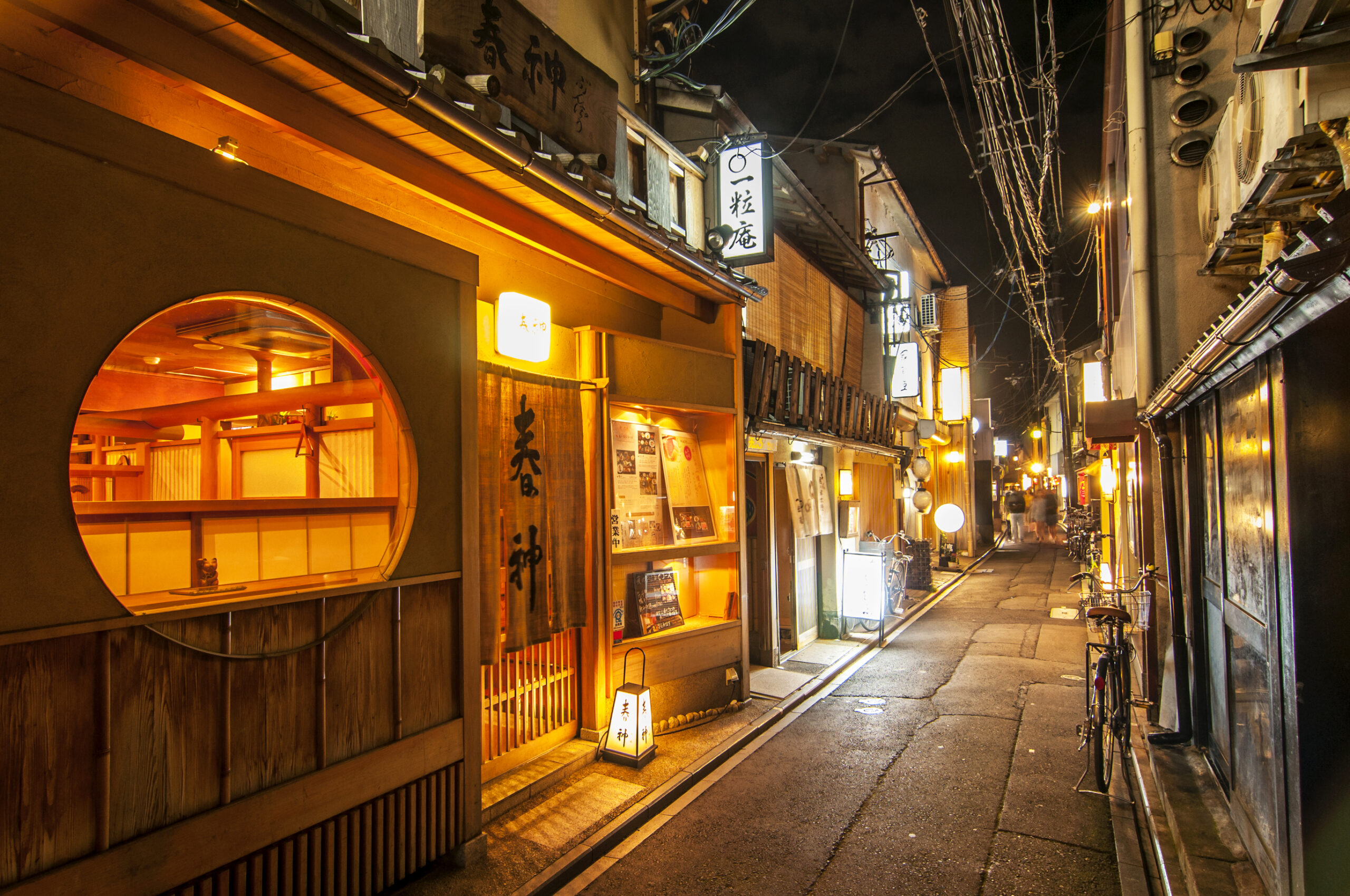
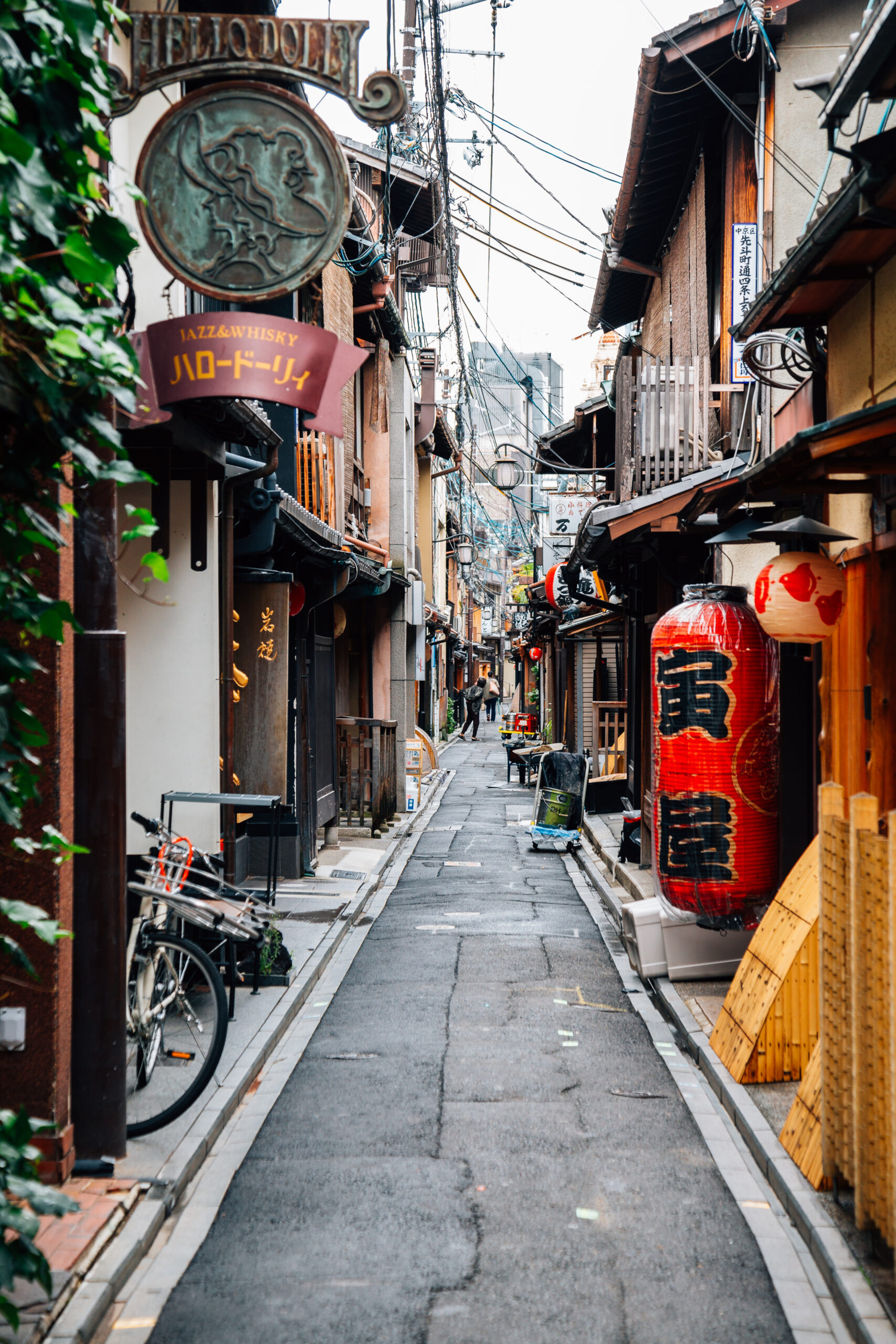
Pontocho is a narrow alley that runs one block west of Kyoto’s famous Kamo River. Home to an array of traditional and modern restaurants, it’s a vibrant place where I always take friends who are visiting from outside the city. The atmosphere is alluring, especially at night, when the alley is lit up by the warm glow of traditional lanterns. Even if you don’t end up entering a restaurant, I think a simple walk through the alley is worth the visit.
The area is one of Kyoto’s five traditional hanamachi entertainment districts. The land itself was first created in 1670 as part of levee construction along the Kamo River. The first teahouses here date from the early 1700s and originated as travelers’ inns. They gained an official license to employ geisha in 1813, according to the Pontocho Kabukai Association
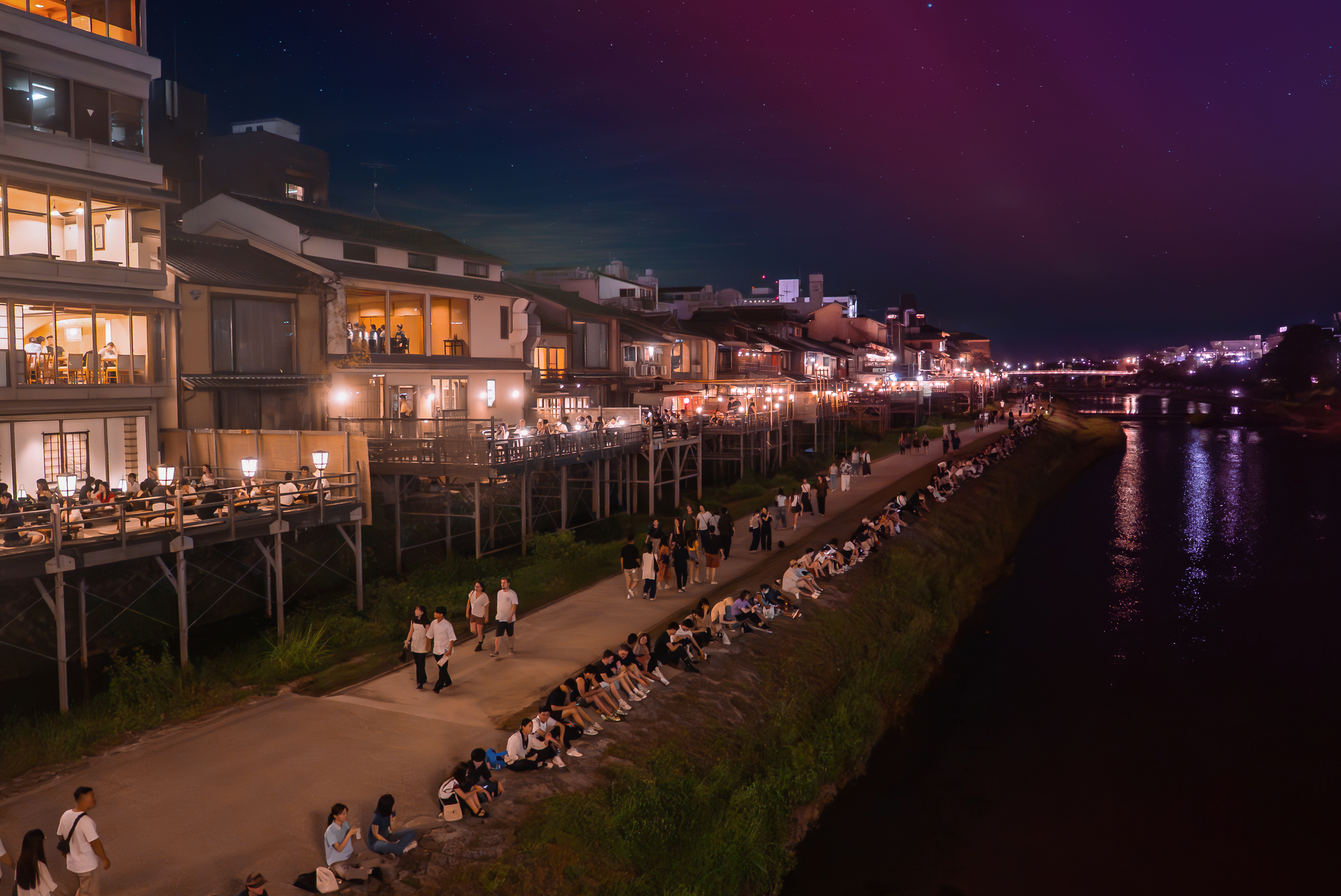
Terrace dining
Typically from May to late September, restaurants along the alley set up mat-covered terraces called noryo-yuka on the eastern side facing the Kamo River. Whether you opt for delicious yakitori (skewered grilled chicken), sushi, tempura (deep-fried vegetables and seafood), or even Italian or French cuisine, noryo-yuka allows customers to enjoy outdoor riverside dining. Now that’s a quintessential Kyoto experience!
Reservations are recommended, especially on Friday and Saturday nights.
Pontocho’s geisha houses
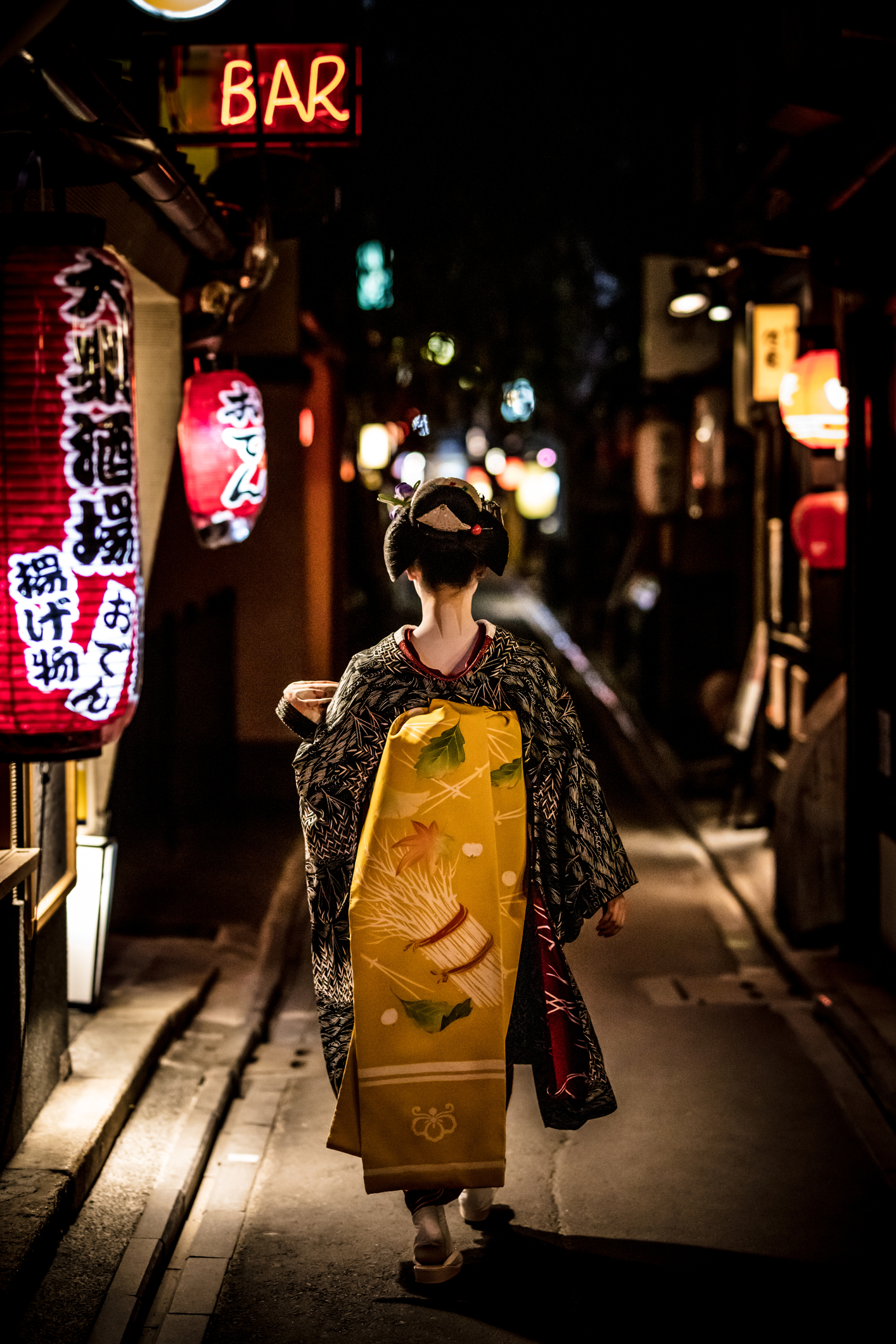
Even today, in addition to restaurants, geisha houses known as okiya line Pontocho Alley. This is where geisha (traditional female performers, known as geiko in Kyoto) and maiko (apprentice geisha) live. Pontocho even includes a school for traditional performing arts, where aspiring geisha train. You will also see venues where they entertain guests with music, dance, games, and conversation. So if you’re lucky, you might catch a glimpse of an elegant geisha walking down the street, but please be respectful of their space and only observe from a distance.
Geisha similar to those we know today first emerged in the 1700s, evolving from various entertainment, artistry, and hospitality traditions that preceded them. Geisha districts are known as hanamachi (flower towns). Although Kyoto is Japan’s most famous city for geisha culture today, geisha culture also flourished in Tokyo as well as regional cities like Niigata, Kanazawa, and Fukuoka.
Aspiring geisha usually begin their apprenticeship around age 15, learning hospitality skills and traditional performing arts such as music and dance. Those who successfully complete their training go on to become maiko and, after a few years, geisha.
Maiko and geisha usually perform and entertain guests at teahouses floored with traditional tatami mats. The booking system is incredibly exclusive (and the fees are by no means cheap), with new customers only accepted through the introduction of an existing one. But don’t let that get you down: maiko and geisha sometimes perform in shows open to the public, such as Kyoto’s Spring Dance, with tickets generally costing no more than 7,000 yen.
FAQ
How to get to Pontocho Alley?
From Kyoto Station, various city bus lines can take you directly to Pontocho in roughly 20 minutes, including City Bus routes 4, 7, and 205.
However, Kyoto’s buses can get a bit crowded, so it may be easier — and even a bit quicker — to take the subway, despite the one transfer required. For the subway, first take the Karasuma Line for two stops to Shijo Station, then transfer to Karasuma Station on the Hankyu-Kyoto Line (the way between the two should be clearly marked); from there, it’s just one stop to Kyoto-Kawaramachi Station, followed by a four-minute walk to Pontocho.
Pontocho is also only about 15 minutes by taxi from Kyoto Station.
When is the best time to visit Pontocho Alley?
The best time to visit Pontocho is in the evening, when the lanterns and restaurant lights are lit and the alley is at its most atmospheric. If you are visiting in winter, when it gets dark early, dusk may be the perfect time to explore the alley and (respectfully) take photos before the dinnertime crowds arrive.
What are the must-eat foods?
While there isn’t any single must-eat dish in Pontocho, the alley offers various options to sample Kyoto cuisine. Kaiseki course meals, though a bit pricey, highlight seasonal ingredients without diners having to agonize over what to order. Adventurous diners may want to explore Pontocho’s side alleys and hole-in-the-wall restaurants, such as those serving obanzai, various small plates of home-cooking-style cuisine.